Cold Mountain
"Love is a long, bloody road back."
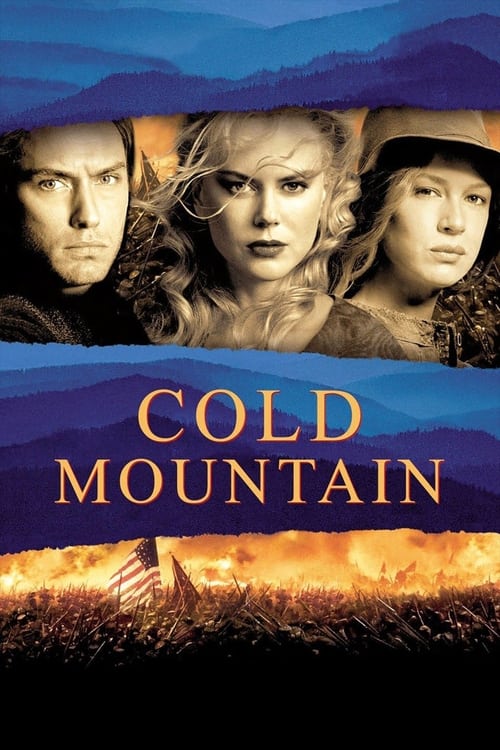
Before the multiplex was entirely swallowed by spandex and multiversal portals, there was a distinct season for the "Literary Epic." These were the movies that felt heavy in your hands—metaphorically, of course, though the two-disc DVD sets of the era certainly had some heft. Anthony Minghella’s Cold Mountain arrived in late 2003 as the quintessential prestige machine, a sweeping, 154-minute Odyssey of the American South that, strangely, feels like a ghost in today’s cinematic conversation.
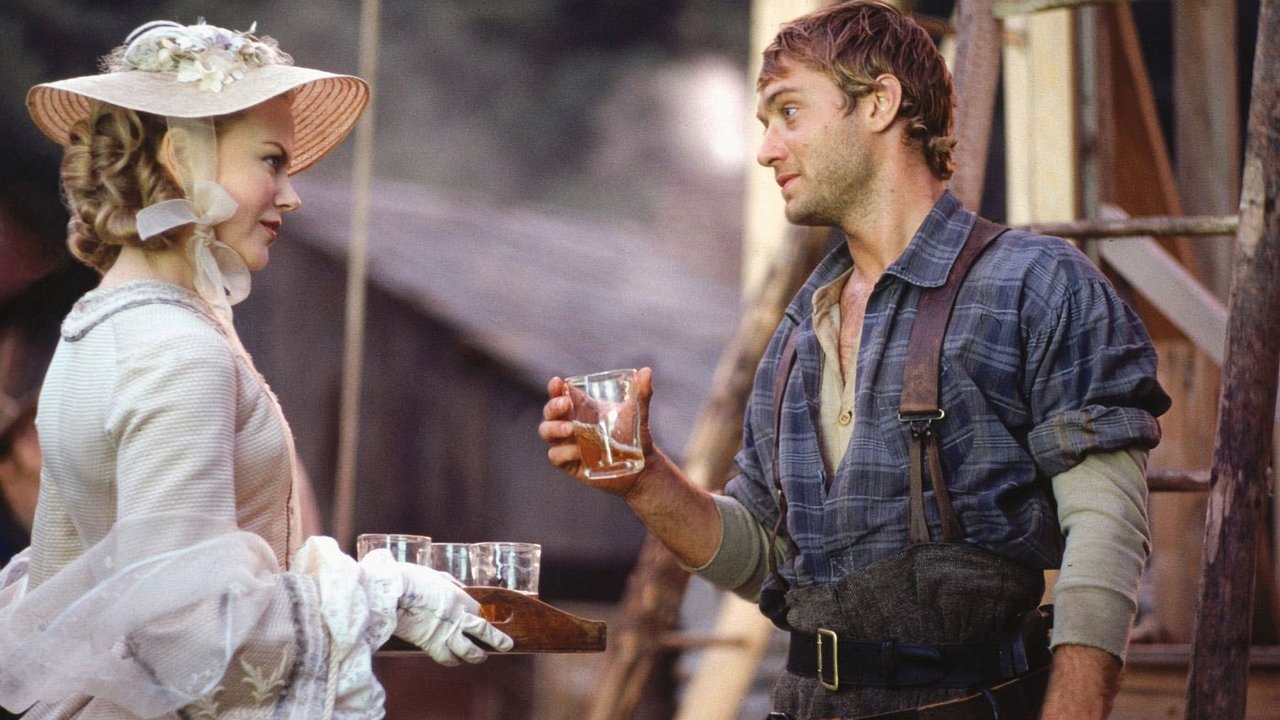
I recently re-watched this while trying to eat a bowl of particularly crunchy granola, and the sound of my own chewing felt like a personal insult to the film’s haunting, quiet score by Gabriel Yared. You don't realize how much silence we've lost in modern movies until you sit with a film that lets the wind through the Romanian pines do the heavy lifting for five minutes straight.
The Long Walk and the Muddy Adventure
At its heart, Cold Mountain is a classic "road movie" stripped of any fun and replaced with the desperate, bone-deep exhaustion of a man who just wants to sit on a porch again. Jude Law plays W.P. Inman, a Confederate deserter who has realized, somewhat late, that the cause he’s bleeding for is a hollow shell. His journey from the literal pits of the Battle of the Crater back to the Blue Ridge Mountains is an adventure in the truest, most perilous sense.
What makes the "adventure" tag stick here isn't just the distance; it’s the episodic nature of the peril. It’s a 19th-century survival horror game where every NPC is either a starving widow or a homicidal preacher. The sequence featuring Philip Seymour Hoffman as the disgraced Reverend Veasey is a particular highlight. Hoffman brings a sweaty, desperate energy to a man who is essentially a walking disaster, providing a dark comedic friction to Inman’s stoic silence. This isn't a swashbuckling adventure; it’s a grit-under-the-fingernails trek where the reward isn't gold, but the chance to not die in a ditch.
The Magic of the Mud-Caked Sidekick
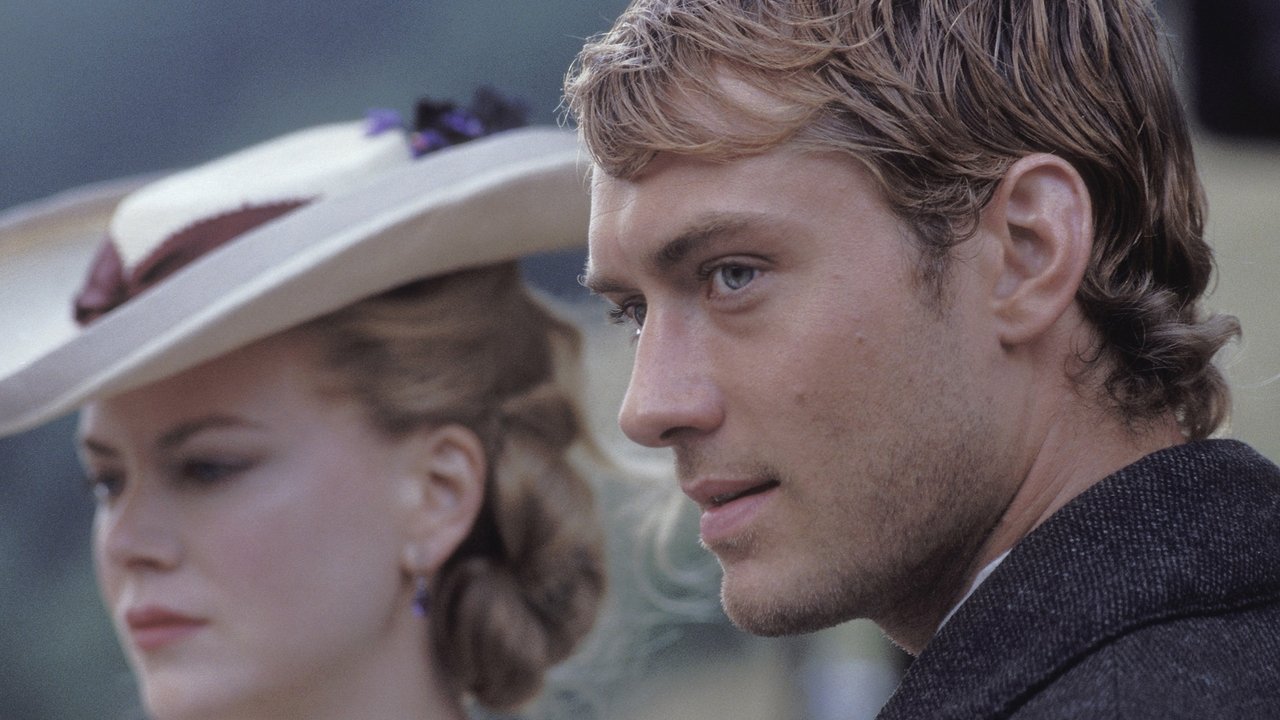
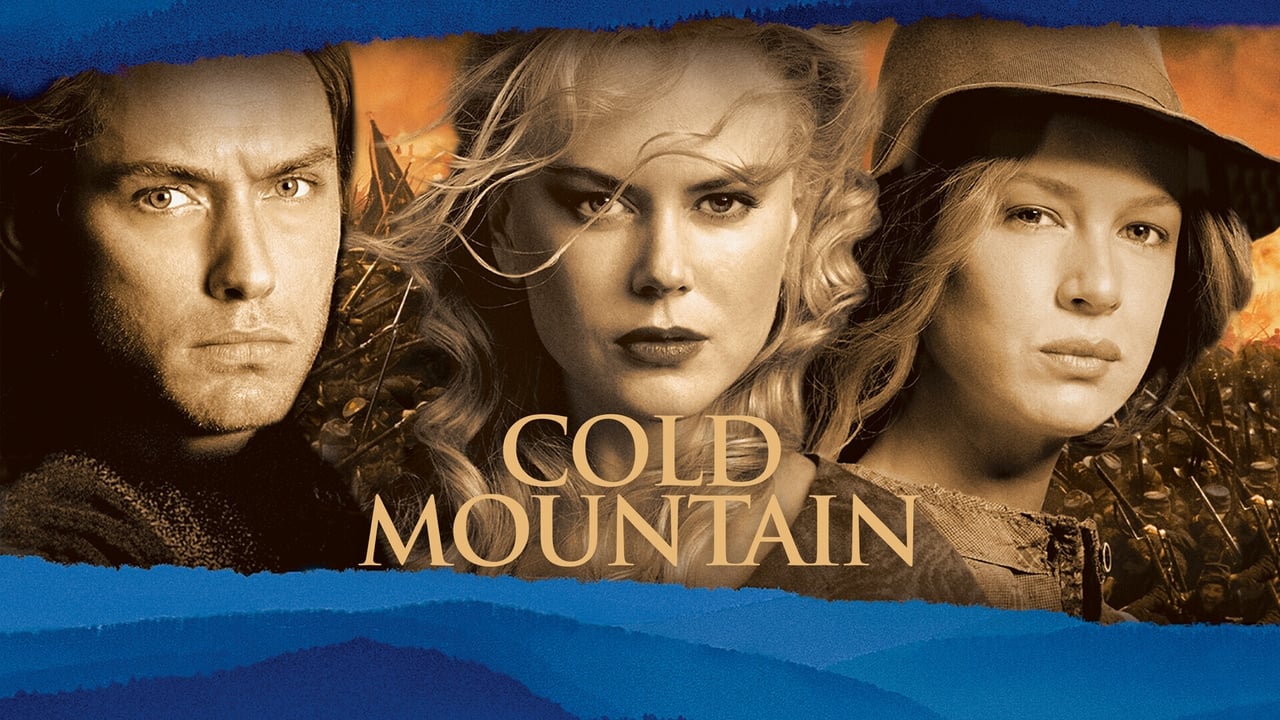
While the marketing at the time pushed the ethereal, long-distance romance between Jude Law and Nicole Kidman (who plays Ada Monroe), the movie really lives and breathes in the dirt of the farm. Kidman is undeniably luminous, though I’ll be the first to say that Nicole Kidman’s hair always looks like she just stepped out of a Pantene commercial, even when she’s supposedly starving in a war zone.
The real lightning bolt hits the screen when Renée Zellweger arrives as Ruby Thewes. Watching it now, you can see exactly why she walked away with an Oscar. She is the engine of the film’s second half, a whirlwind of practical wisdom and blunt force trauma. If Ada is the "spirit" of the film, Ruby is the calloused hands. Zellweger is essentially playing a high-stakes version of Yosemite Sam, and I mean that with the utmost affection. Her chemistry with Kidman—a slow-burn friendship built on survival rather than shared interests—is actually more compelling than the central romance.
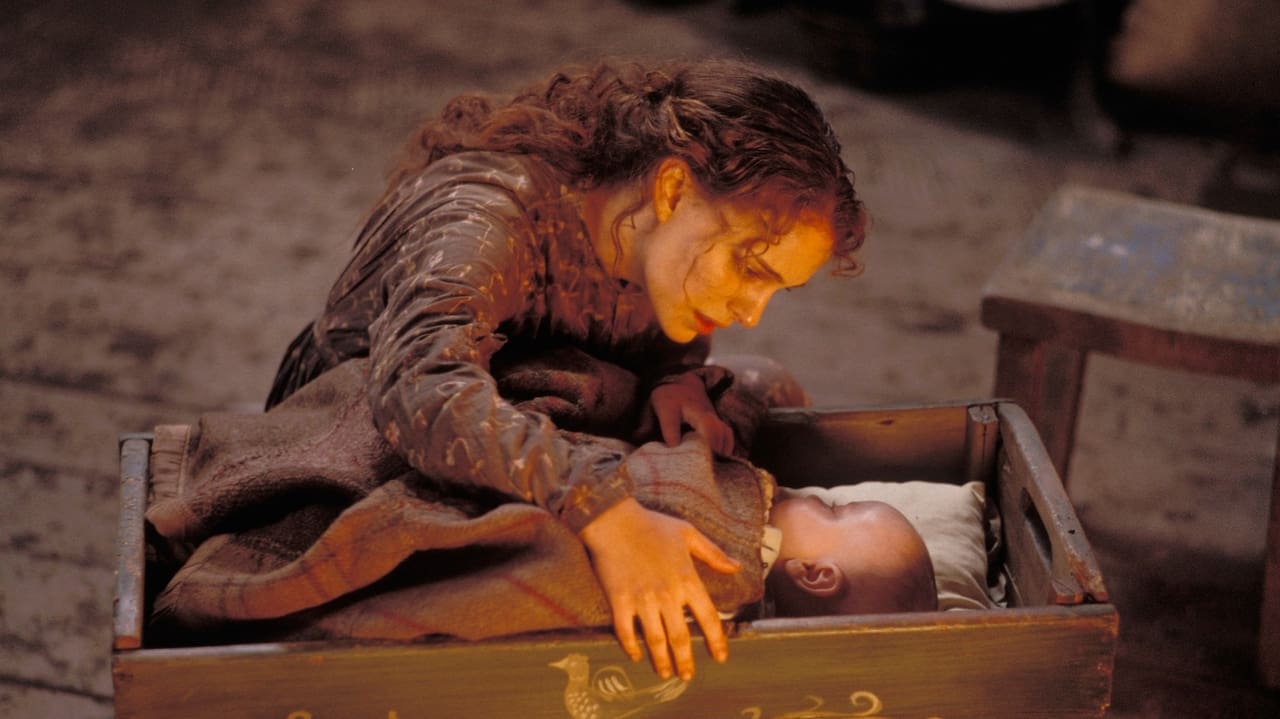
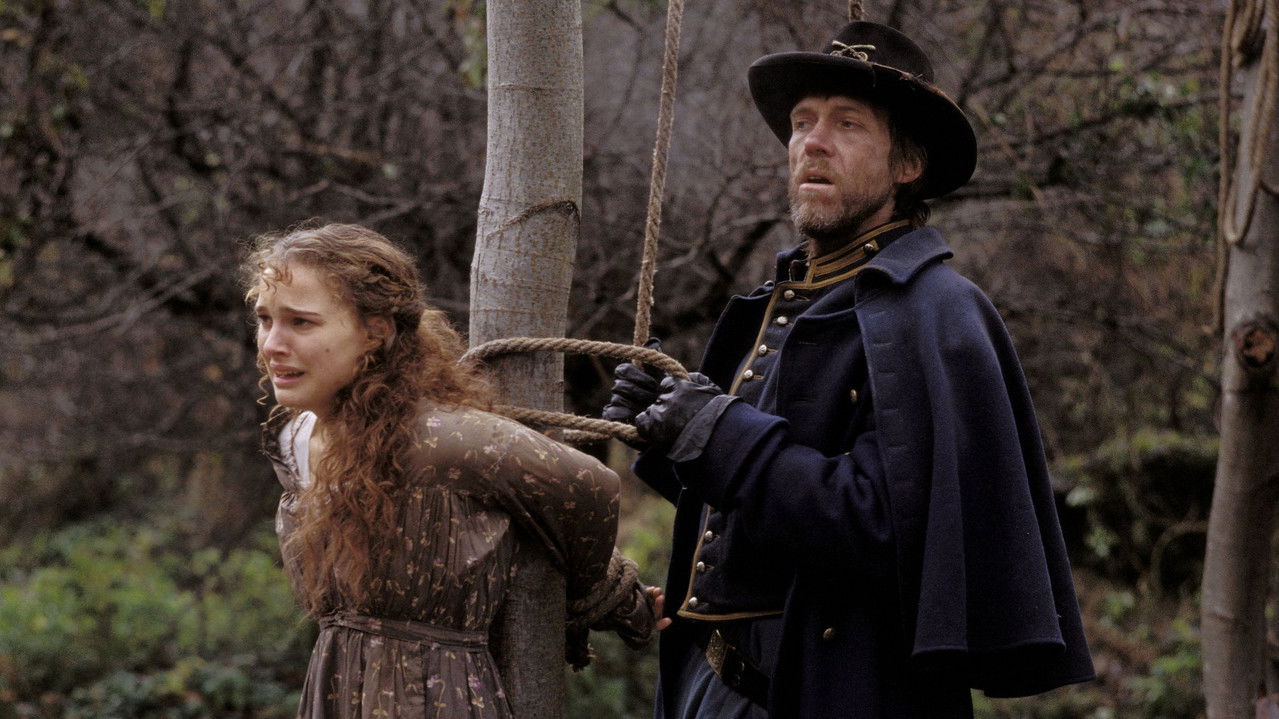
We also get some incredible "before they were huge" sightings. A young Cillian Murphy pops up briefly, and Natalie Portman delivers a devastating turn as a lonely mother that reminds you why she was the indie darling of the decade. Even Brendan Gleeson shows up to provide some much-needed soul with a fiddle.
A Relic of the Miramax Empire
Looking back, Cold Mountain is a fascinating artifact of the early 2000s studio system. This was the peak of the Miramax era, where Harvey Weinstein would spend $80 million to turn a dense, National Book Award-winning novel into a Christmas blockbuster. There’s a grandeur here that feels endangered now. The decision to film in Romania—doubling for North Carolina—was controversial at the time, but it gives the film a rugged, ancient scale. The mountains look older, the forests deeper, and the stakes feel physically massive.
The film also captures that post-9/11 cultural anxiety. Released during the first year of the Iraq War, its themes of war-weariness, the pointlessness of "the cause," and the trauma of returning home resonated deeply. It wasn't just a Civil War movie; it was a "war is a meat grinder" movie.
Interestingly, the film has somewhat faded into obscurity compared to other 2003 heavyweights like Return of the King or Mystic River. Perhaps it’s because it’s a "sad" movie, or perhaps it’s because it lacks a snappy, franchise-able hook. But as a piece of craft, it’s impeccable. The cinematography by John Seale (Mad Max: Fury Road) is breathtaking, capturing the transition from the hellish, red-clay gore of the opening battle to the icy, blue-tinted silence of the finale.
Cold Mountain is a beautifully somber journey that rewards your patience with incredible performances and a sense of place you can almost smell. It might be twenty minutes too long, and the central romance might feel a bit too "Hollywood" compared to the gritty reality of the supporting cast, but it’s a journey worth taking. It’s a reminder that sometimes the greatest adventure isn't going somewhere new, but the Herculean effort required just to get back to where you started.
If you decide to revisit this one, maybe skip the crunchy snacks. Give the silence the respect it earned.
Stuff You Didn't Notice
The Romanian South: The production moved to Romania not just for the tax breaks, but because North Carolina's forests didn't look "untouched" enough. The Carpathian Mountains provided the old-growth look that modern America had lost to logging. The Crater: The opening battle sequence was filmed using hundreds of Romanian soldiers as extras. It remains one of the most terrifyingly realistic depictions of Civil War combat ever put to film. A Fiddler's Soul: Brendan Gleeson actually plays the fiddle in the movie. He’s an accomplished musician in real life, and that authenticity adds a layer of warmth to the Stobrod character that a non-musician couldn't have faked. The Jack White Connection: Yes, that is Jack White of The White Stripes playing Georgia. He also contributed several songs to the soundtrack, helping to spark a mini-revival of old-timey Appalachian folk music.
Keep Exploring...
-

Alexander
2004
-
Enemy at the Gates
2001
-
The English Patient
1996
-
The Messenger: The Story of Joan of Arc
1999
-
Joyeux Noel
2005
-
King Arthur
2004
-
Kingdom of Heaven
2005
-
Final Fantasy: The Spirits Within
2001
-
Pearl Harbor
2001
-
Red Cliff
2008
-
Rurouni Kenshin Part I: Origins
2012
-
Six Days Seven Nights
1998
-

The 13th Warrior
1999
-
U-571
2000
-
K-19: The Widowmaker
2002
-
Mona Lisa Smile
2003
-
Flags of Our Fathers
2006
-
Elizabeth: The Golden Age
2007
-
The Duchess
2008
-
Far and Away
1992