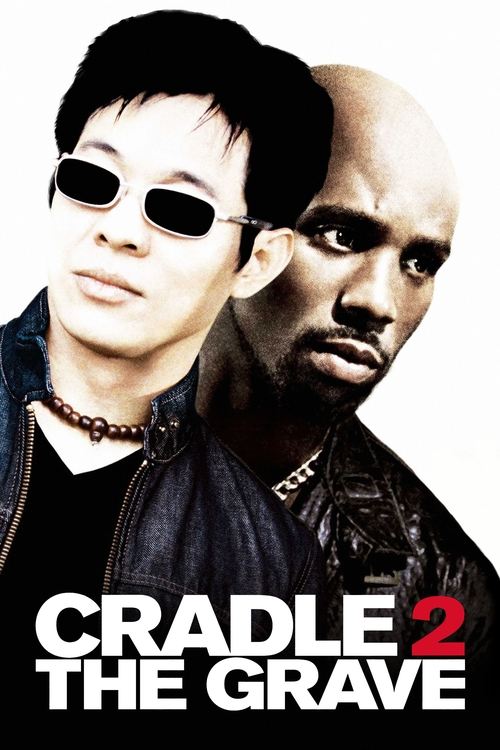
Cradle 2 the Grave
"Stolen gems. Kinetic combat. Zero gravity cool."
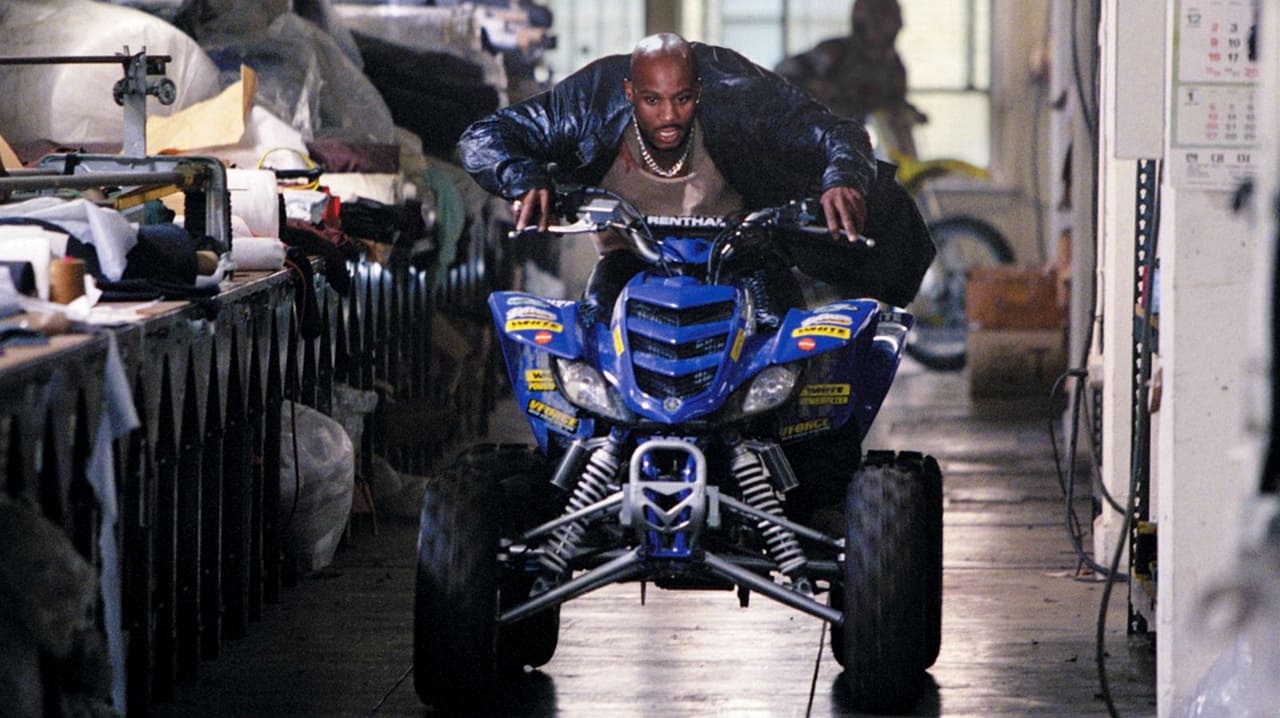
If you want to understand the precise moment that high-gloss 1990s action cinema collided with the aggressive, chrome-plated aesthetic of the early 2000s, look no further than the quad bike chase in Cradle 2 the Grave. It’s a sequence where DMX escapes a swarm of police by driving a four-wheeler across rooftops, jumping between buildings with physics-defying bravado while a D12 track blares in the background. It is loud, it is ridiculous, and it is a perfect artifact of a time when Hollywood believed that if you combined a Hong Kong martial arts legend with a multi-platinum rapper, you couldn't possibly lose.

I watched this recently on a dusty CRT television while my roommate’s cat stared at me with inexplicable judgment, and the low-res glow only enhanced the grit. It’s a film that feels like it was born in a laboratory designed to produce the ultimate DVD "special features" showcase.
The Bartkowiak "Hip-Hop-Fu" Trilogy
Director Andrzej Bartkowiak (who previously gave us Romeo Must Die and Exit Wounds) carved out a very specific niche at the turn of the millennium. He wasn't just making action movies; he was making "urban Westerns" with a heavy emphasis on music video aesthetics. In Cradle 2 the Grave, the cinematography by Daryn Okada is drenched in that "Silver Pictures" blue-and-silver color palette—everything looks like it was filmed inside a high-end refrigerator.
The plot is a standard-issue kidnapping-and-heist setup involving "black diamonds" that turn out to be something much more dangerous (because in 2003, diamonds were never just diamonds; they were always weapons-grade plutonium or secret tech). DMX plays Tony Fait, a master thief with a code, while Jet Li is Su, a Taiwanese intelligence agent. They are forced into an uneasy alliance to rescue Tony’s daughter from a villainous Mark Dacascos (the legendary Iron Chef chairman himself). The story is really just a clothesline to hang various fight sequences on, but the chemistry between the brooding Jet Li and the raw, barking energy of DMX is surprisingly watchable. It’s the cinematic equivalent of a Nu-Metal remix of a classic soul track.
Stunts, Wirework, and the Cage of Death

Where the film truly earns its keep is in its choreography. This was an era where the "Matrix effect" was still in full swing, leading to a heavy reliance on wirework and slightly-too-obvious CGI enhancements. However, Jet Li remains a marvel of physical precision. There is a standout sequence where he has to fight his way through a literal "cage match" filled with dozens of mixed martial artists.
The way the camera tracks Jet Li as he systematically dismantles opponents twice his size is a masterclass in clarity. Unlike the "shaky-cam" chaos that would dominate the Bourne era just a few years later, Bartkowiak keeps the frame wide enough to let us see the impact. The action has a rhythmic, percussive quality that matches the soundtrack beat for beat. The stunt team, led by the legendary Corey Yuen (The Transporter), ensures that even the most logic-leaping moves feel like they have a certain bone-crunching weight.
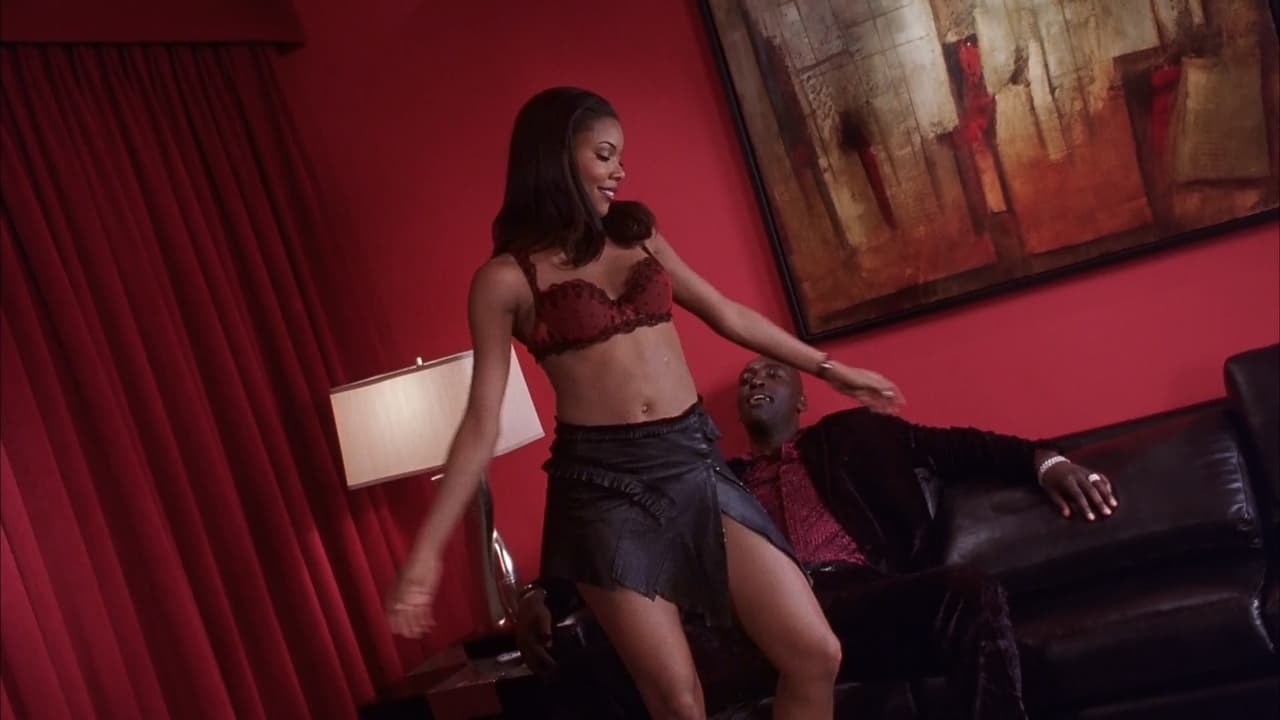
The supporting cast adds a layer of "studio-mandated fun" that has aged into a weird kind of comfort food. Anthony Anderson and Tom Arnold handle the bickering-buddy comic relief, and while some of the jokes land with a thud today, their presence reminds you of a time when every action movie needed a 15-minute comedy subplot to keep the "general audience" engaged. Meanwhile, Gabrielle Union is tragically underutilized as Daria, though she does get a memorable, high-stakes fight scene that proves she could have carried her own franchise if the industry had been ready for it.
Why It Vanished into the DVD Bin
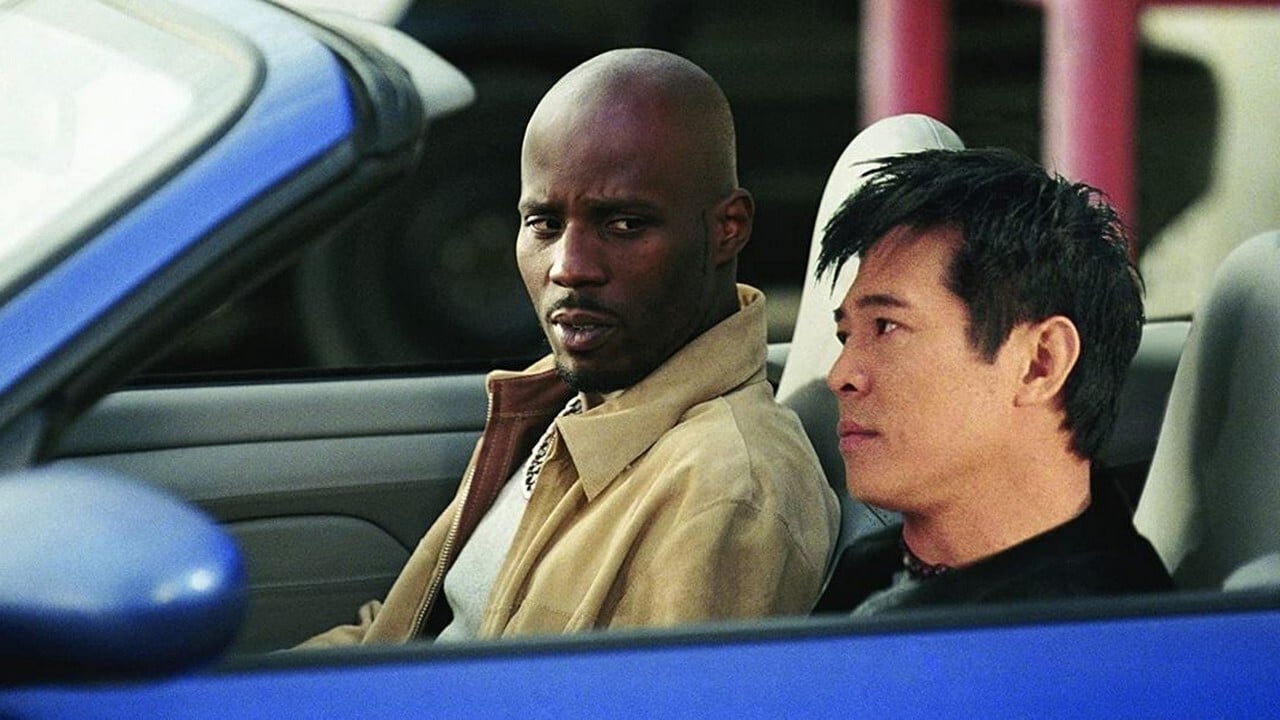
Looking back, it’s easy to see why Cradle 2 the Grave hasn't quite reached the "classic" status of Hard Boiled or even Lethal Weapon. It is a film deeply rooted in its own expiration date. From the baggy Enyce sweatpants to the early-CGI fire effects that look like they were rendered on a PlayStation 2, it screams 2003. It was part of a wave of mid-budget actioners that the industry eventually stopped making in favor of $200 million superhero epics.
Yet, there is something incredibly refreshing about its earnestness. It doesn't try to subvert the genre; it just wants to show you a cool guy doing a cool kick while an explosion happens. It’s a relic of the "DVD culture" boom, where the value of a movie was often measured by how many times you’d replay the "making-of" segments about the quad bike stunts. It’s a reminder that before the MCU formula, action movies were allowed to be weird, stylistically aggressive, and unapologetically loud.
If you can ignore the logic gaps—like how Jet Li can seemingly teleport or how DMX survives a fall that would liquefy a normal human—there’s a lot of fun to be had here. It’s a fast-paced, high-energy slice of nostalgia that represents the peak of the "Hip-Hop-Fu" subgenre. It won’t change your life, but for 101 minutes, it’ll make you want to buy a leather jacket and learn how to ride a motorcycle on one wheel.
Keep Exploring...
-

Romeo Must Die
2000
-
A Man Apart
2003
-
Street Kings
2008
-
Kiss of the Dragon
2001
-
The Siege
1998
-
Payback
1999
-
Basic
2003
-
The Hunted
2003
-
Chaos
2005
-
Running Scared
2006
-
Death Sentence
2007
-
Walking Tall
2004
-

Double Impact
1991
-

Hackers
1995
-
Breakdown
1997
-
War
2007
-
Takers
2010
-

Get the Gringo
2012
-
Dead Man Down
2013
-
Sabotage
2014