Daddy Day Care
"From the boardroom to the playroom."
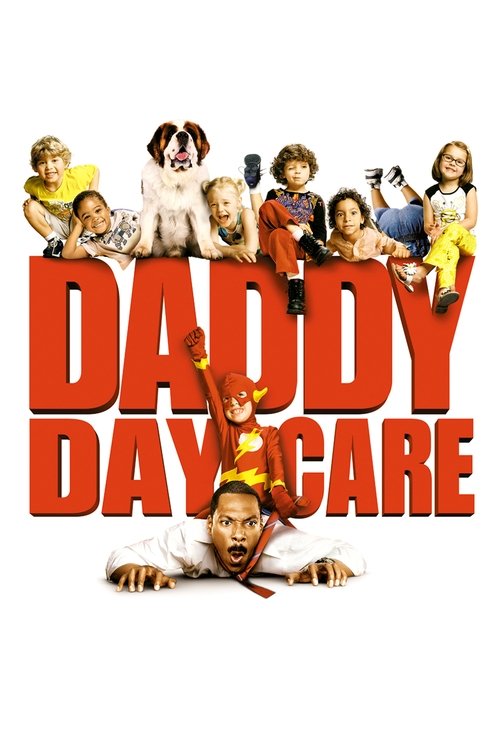
I watched this movie on a Tuesday afternoon while eating a bowl of cereal that had gone slightly soggy because I forgot I’d poured the milk, and for some reason, that minor domestic failure made the film’s premise hit significantly harder. There is a specific kind of chaos that comes with being trapped in a house with things you cannot control, and Daddy Day Care captures that frantic, sugar-crushed energy with the kind of early-2000s sincerity we don't really see anymore.
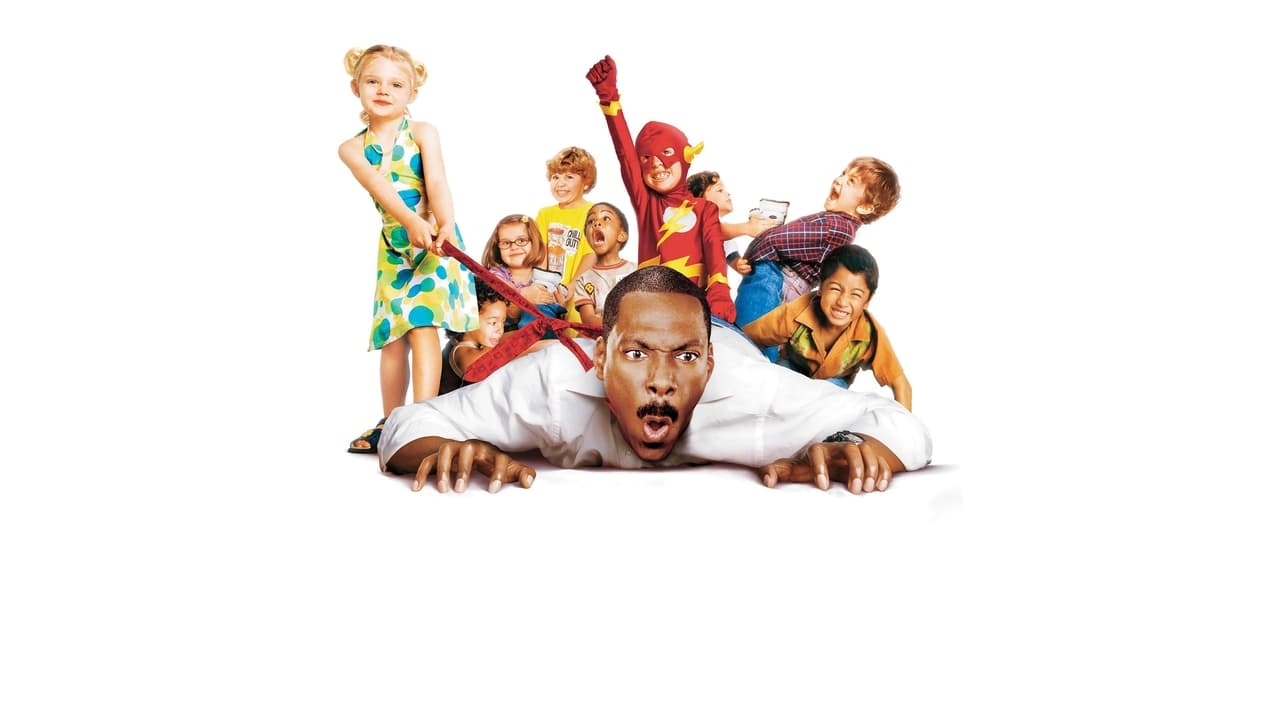
In 2003, Eddie Murphy was in the middle of a fascinating career pivot. He had spent the 80s as the R-rated king of "cool," but by the time the new millennium rolled around, he had transformed into the face of the high-concept family blockbuster. Looking back, Eddie Murphy’s career-wide retreat into PG-rated chaos was basically the cinematic equivalent of a luxury retirement home. It lacked the bite of Beverly Hills Cop, sure, but there’s an undeniable craft to how he plays a "straight man" surrounded by madness.
The Evolution of the Murphy Persona
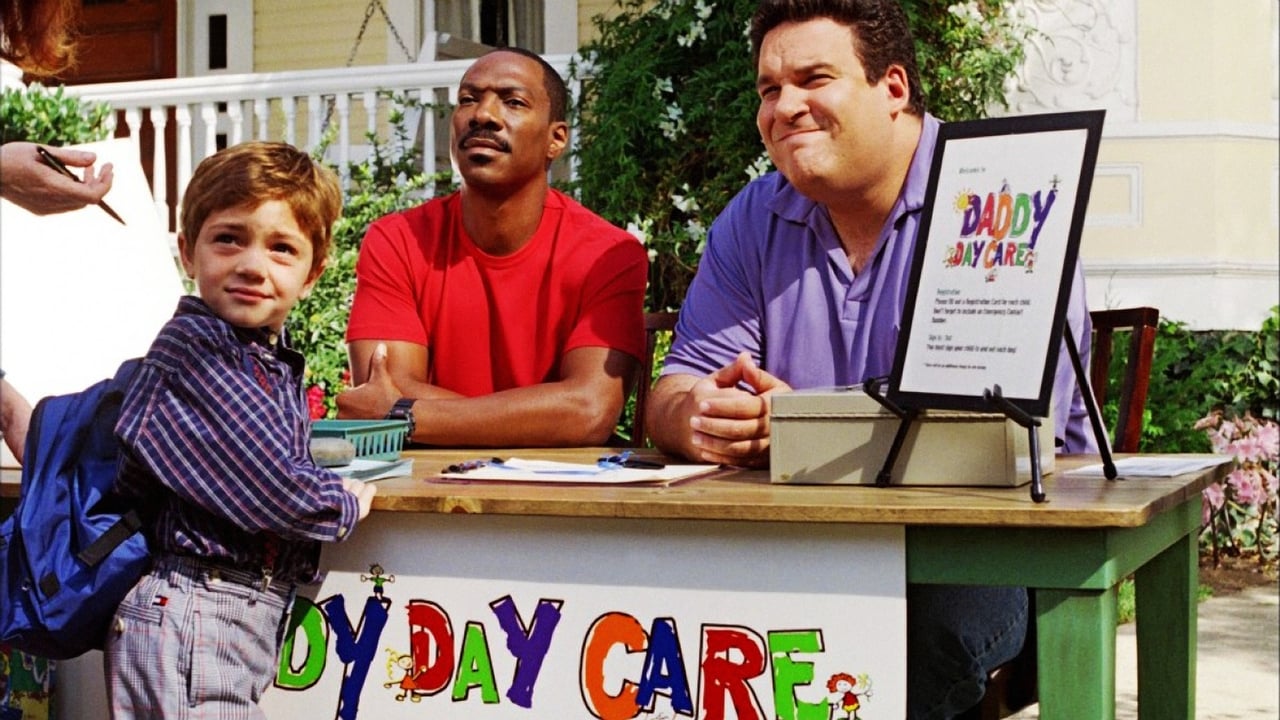
The setup is classic Modern Cinema era: Charlie (Eddie Murphy) and Phil (Jeff Garlin) are high-flying marketing executives who lose their jobs when their "veggie puff" cereal campaign tanked. Faced with the terrifying prospect of actually spending time with their children while their wives go to work, they realize that local childcare is either a Dickensian nightmare or a Cold War-style academy run by the draconian Miss Harridan. Their solution? Open their own daycare.
What’s interesting about reassessing this film now is how much it leans into the "clueless dad" trope that dominated the Y2K era. In 2024, the idea of two men being baffled by a diaper feels a bit like a relic, but in 2003, it was the bread and butter of suburban comedy. However, Eddie Murphy keeps the ship upright. He doesn't play Charlie Hinton as an idiot; he plays him as a man experiencing a prolonged, low-grade panic attack. His chemistry with Jeff Garlin is effortless—Garlin brings that same "lovable loser" energy he’d later perfect on Curb Your Enthusiasm, acting as the perfect soft-edged foil to Murphy’s frantic precision.
The Secret Weapon: Steve Zahn
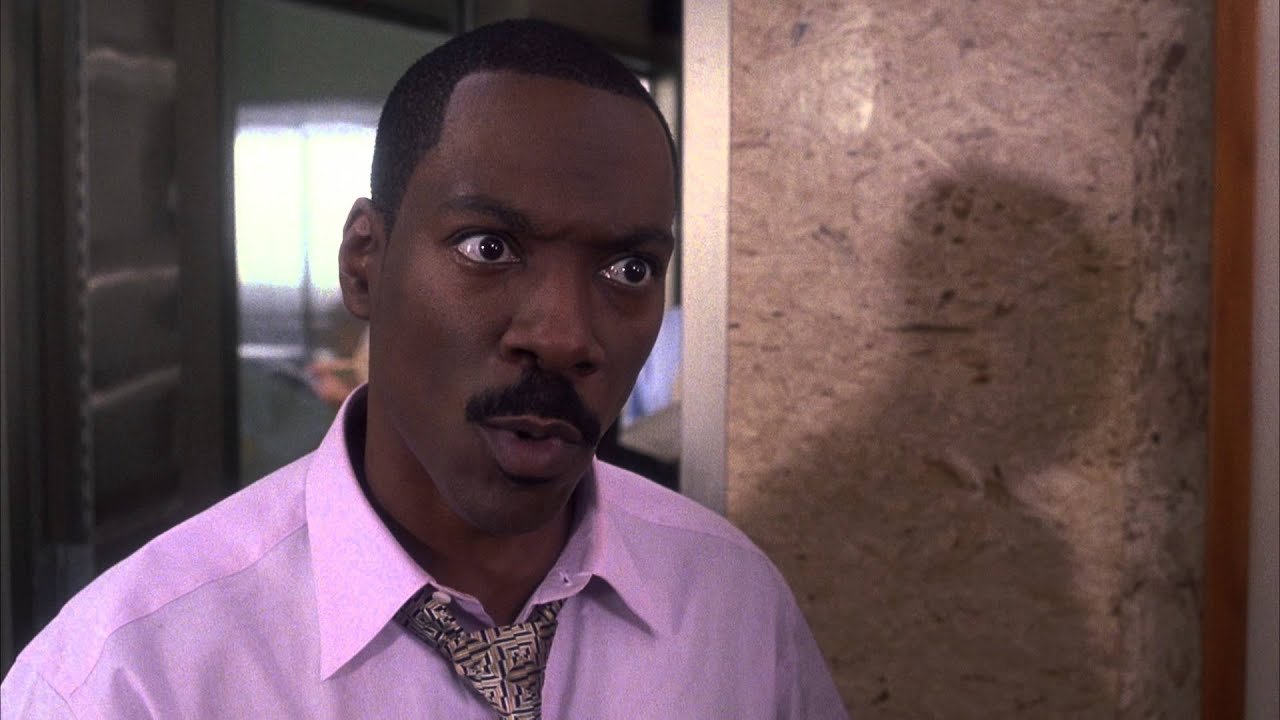
While Murphy and Garlin are the names on the poster, the movie only really starts firing on all cylinders when Steve Zahn enters the fray as Marvin. Zahn is one of those actors who was ubiquitous in this era, usually playing the lovable weirdo, and here he is at his peak. Playing a mailroom guy with a borderline-obsessive knowledge of Star Trek and puppet theater, he adds a layer of surrealism to the "dad" dynamic.
Watching Eddie Murphy get tackled by a child in a Flash costume is arguably the exact moment the 80s truly died. It’s slapstick, it’s loud, and it’s unapologetically broad. The film structures its humor like a series of escalating skirmishes: the bathroom disaster, the sugar-rush birthday party, and the climactic "Day Care Academy" showdown. It’s not "smart" comedy, but it is mechanical comedy—the setups and payoffs are timed with the efficiency of a Swiss watch.
Stuff You Didn't Notice
One of the reasons Daddy Day Care has survived as a "DVD culture" staple is the sheer number of weird, small details packed into the background. Apparently, the production went through an exhaustive search for the child actors, and you can tell. They aren't "Hollywood kids" who feel like 40-year-olds in tiny bodies; they feel like actual, chaotic toddlers.
The "I Missed" kid (played by Max Burkholder) became an instant playground legend. Turns out, his iconic line was actually coached by his father off-camera to get that specific look of confused shame. Steve Zahn was cast specifically because the director, Steve Carr, felt he had "the soul of a five-year-old." Zahn reportedly stayed in character between takes, entertaining the kids with the same puppet shows seen in the film. The movie was a massive sleeper hit, pulling in over $160 million on a $60 million budget. This success effectively cemented the "Family Eddie" era, leading directly to the (far less successful) Daddy Day Camp. Look closely at the "Flash" kid, Jimmy Bennett. He did almost all his own running and "stunting," and he’d eventually go on to play a young James T. Kirk in the 2009 Star Trek reboot. * The "Veggie Puffs" featured in the film were actually just spray-painted Cheetos. The cast reportedly had to be warned not to eat them because the paint was toxic.
The film is a time capsule of a very specific moment in Hollywood history—the bridge between the star-driven 90s and the franchise-heavy 2010s. It’s a movie that trusts its leads to carry the weight of a thin premise through sheer charisma. Is it a masterpiece of the genre? No. But it understands its audience perfectly. It captures the frantic, exhausting, and ultimately rewarding absurdity of parenthood without ever getting too bogged down in sentimentality.
If you’re looking for a dose of early-2000s comfort food, you could do a lot worse. It’s the kind of film that reminds me why we used to go to the theater for simple, 90-minute comedies. It doesn't ask much of you, other than to laugh when a man in a broccoli suit falls over, and sometimes, that’s exactly what a Tuesday afternoon requires. It’s loud, it’s messy, and it’s got just enough heart to keep from being annoying.

Keep Exploring...
-
The Haunted Mansion
2003
-
Stuart Little
1999
-
Stuart Little 2
2002
-
Chicken Little
2005
-
Doctor Dolittle
1998
-

Antz
1998
-

How the Grinch Stole Christmas
2000
-
Lemony Snicket's A Series of Unfortunate Events
2004
-
Herbie Fully Loaded
2005
-

Flushed Away
2006
-
Monster House
2006
-

Open Season
2006
-
RV
2006
-
The Pink Panther
2006
-

Bee Movie
2007
-
Evan Almighty
2007
-
Surf's Up
2007
-
Bedtime Stories
2008
-

Bolt
2008
-
A Cinderella Story
2004