Duplex
"Your dream home is her playground."

I watched Duplex for the first time on a scratched DVD I bought for three dollars at a closing Blockbuster, right next to a guy who was trying to argue that Gigli was misunderstood. I remember the smell of that store—stale popcorn and carpet cleaner—and somehow, that slightly depressing, end-of-an-era atmosphere was the perfect preamble for Danny DeVito’s mean-spirited, neon-lit, and deeply sweaty 2003 comedy.
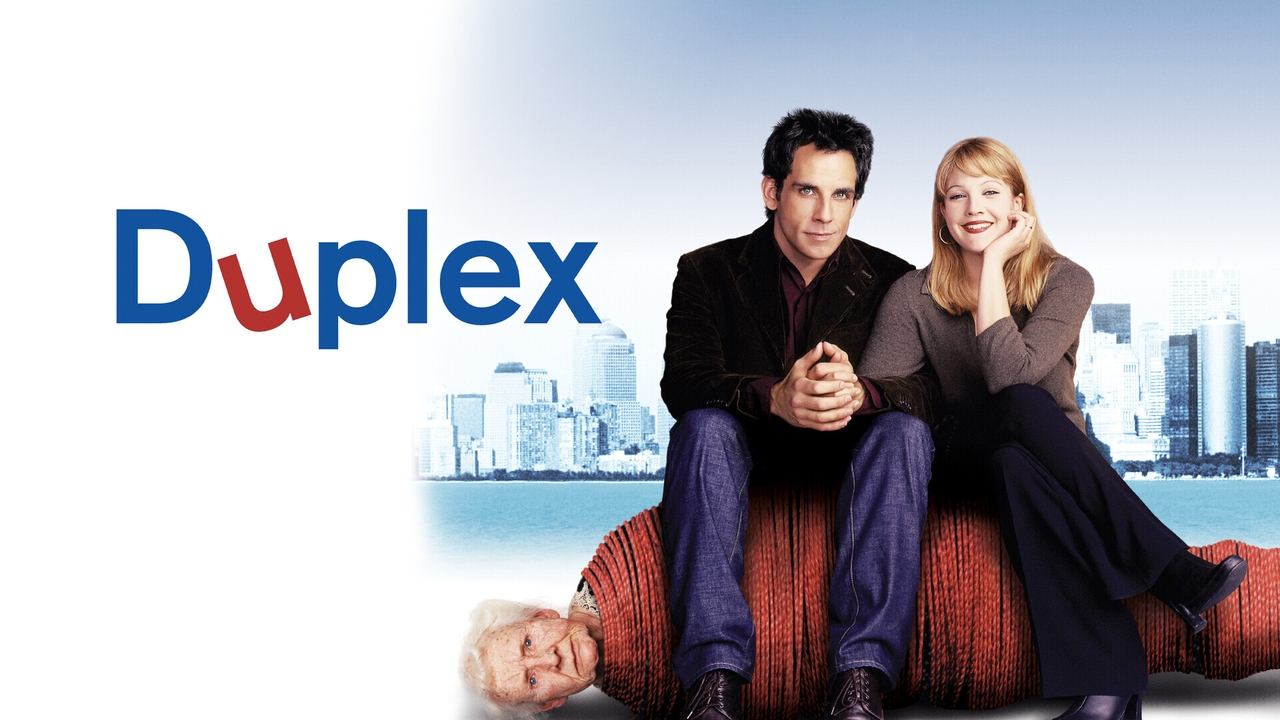
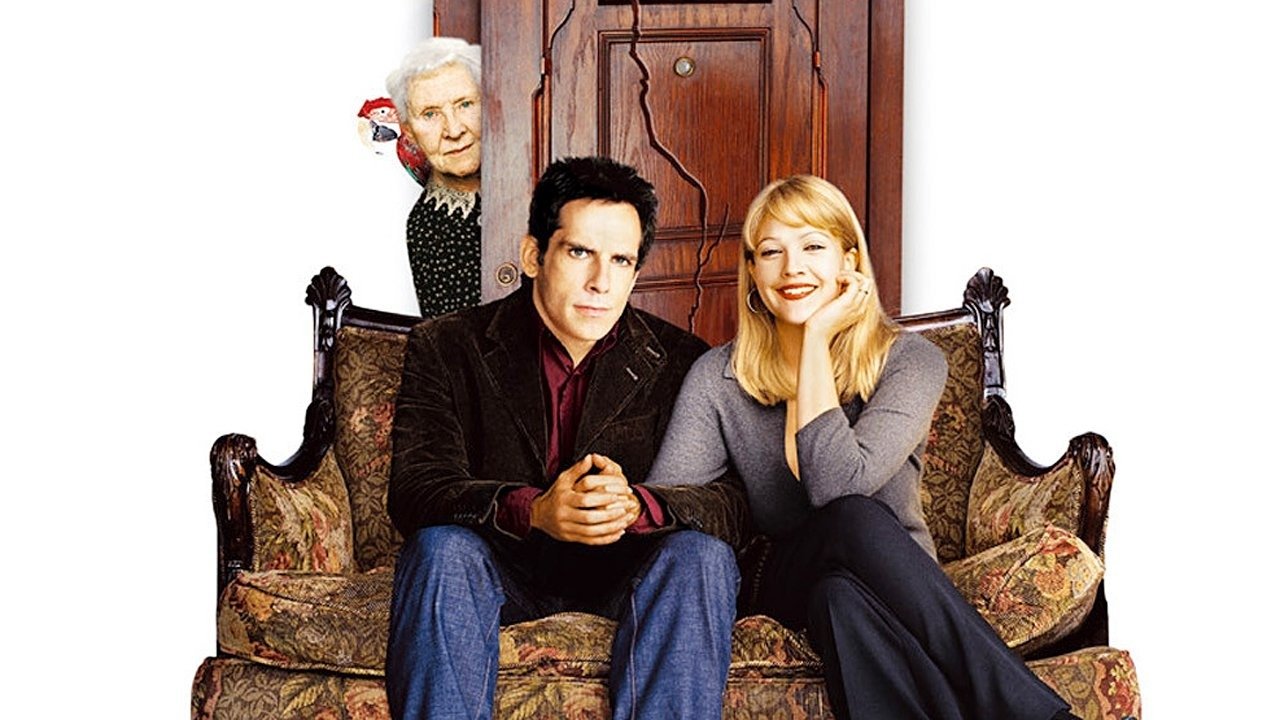
There is a specific kind of anxiety that only exists in the high-stakes world of New York real estate, and Duplex taps into it with the subtlety of a jackhammer at 6:00 AM. Ben Stiller and Drew Barrymore play Alex and Nancy, a professional couple who think they’ve gamed the system. They find a gorgeous brownstone in Brooklyn that they can actually afford, with one tiny catch: an elderly rent-controlled tenant, Mrs. Connelly (Eileen Essell), lives on the top floor. The logic is simple: she’s old, she’ll pass away soon, and they’ll have the whole palace to themselves.
Of course, the universe—and Danny DeVito—has other plans.
A Symphony of Spite
If you grew up on 90s and early 2000s comedies, you know that Ben Stiller basically pioneered the "slow-motion nervous breakdown" archetype. In Duplex, he leans into it so hard I thought his blood vessels might actually pop. Watching him try to maintain a "nice guy" veneer while a tiny old woman systematically destroys his sleep, his career, and his sanity is the movie’s primary fuel. Watching Ben Stiller have a nervous breakdown is practically its own subgenre of the early 2000s, and this might be his most frantic entry.
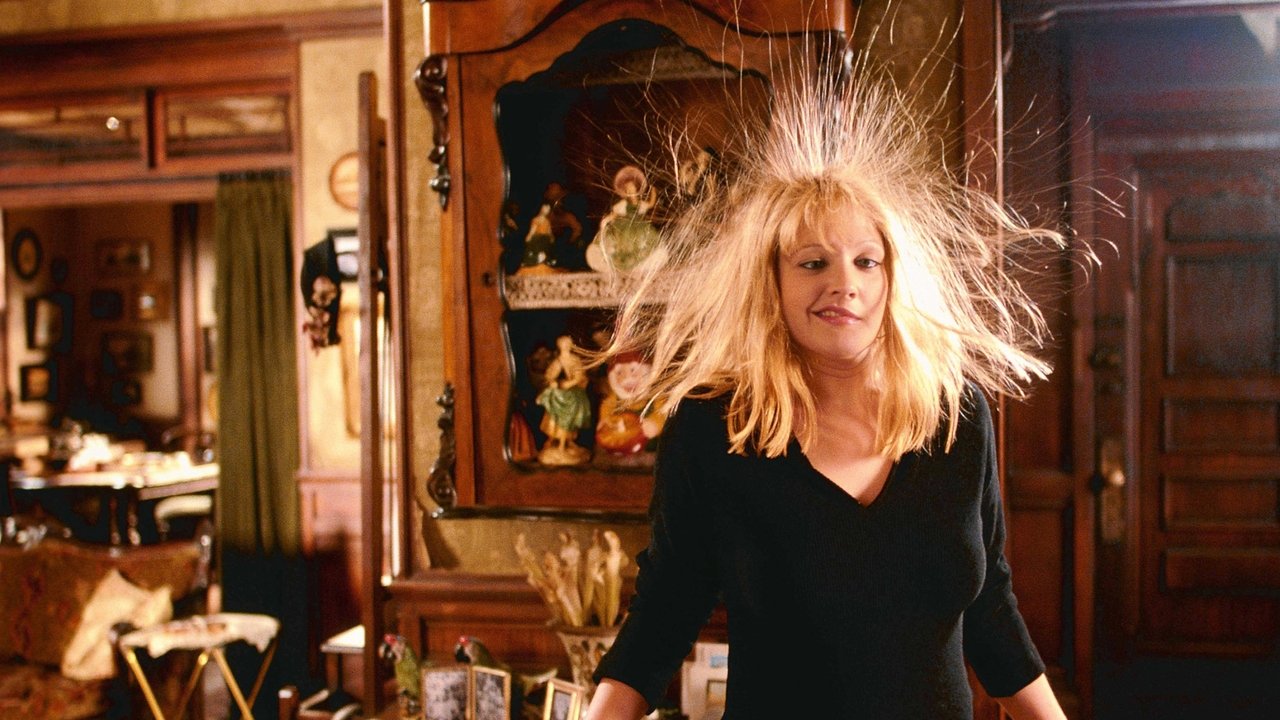
Drew Barrymore is equally game, shedding her usual "America’s Sweetheart" bubbly persona to become something much more feral and desperate. There’s a scene involving a fireplace and a very ill-advised attempt at domestic sabotage where you can see the light leave her eyes and be replaced by pure, unadulterated malice. It’s great. They have the chemistry of two people trapped in a foxhole together, which is exactly what the script requires.
But the real star is Eileen Essell. She plays Mrs. Connelly with a weaponized dotingness that is genuinely infuriating. She isn't a monster; she’s just there, constantly, with her brass band rehearsals, her blaring TV, and her endless, mundane requests for help. She’s the personification of every "minor" annoyance that, when repeated a thousand times, becomes a capital offense.
The DeVito Touch and the Miramax Shadow
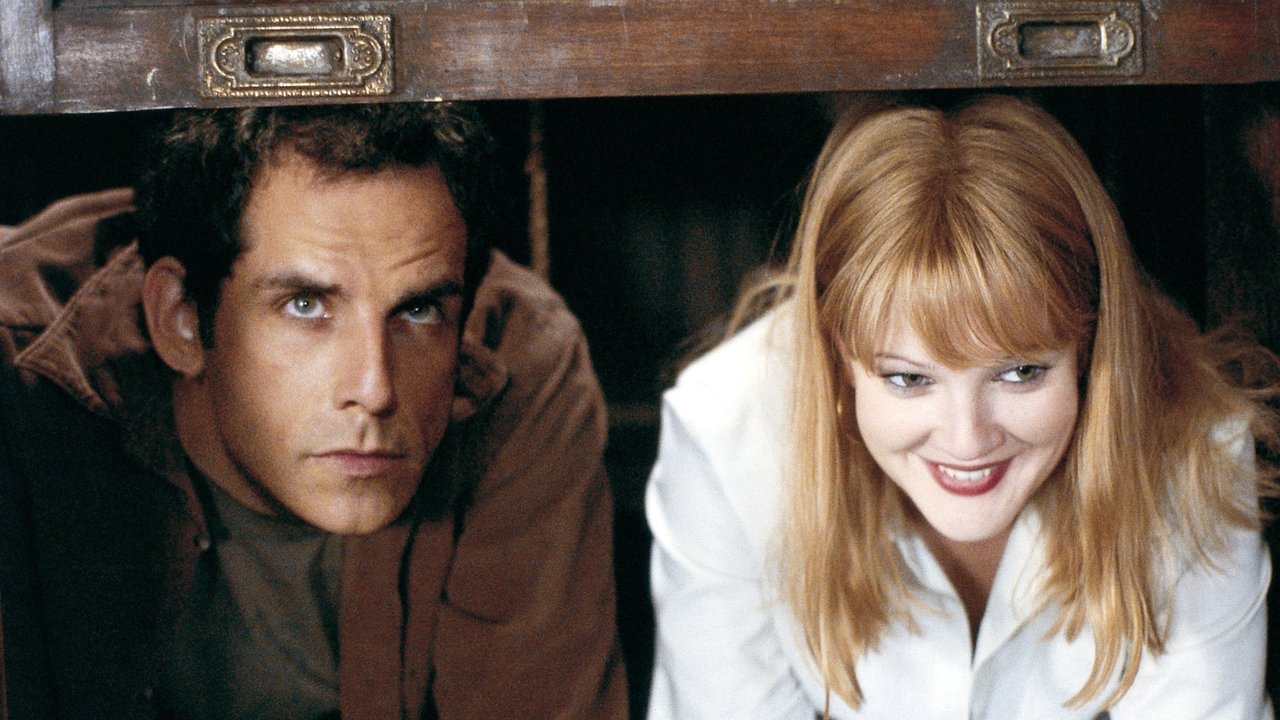
You can feel Danny DeVito behind the camera. He’s always had a fascination with the grotesque and the claustrophobic—look at The War of the Roses or Throw Momma from the Train. He shoots the brownstone with skewed angles and oversaturated colors, making the "dream home" feel like a psychedelic prison. The cinematography by Anastas N. Michos (who worked on Man on the Moon) makes the apartment feel huge one moment and like a coffin the next.
However, the film is a fascinating relic of the "Miramax Era." It was caught in that weird transition where mid-budget comedies were starting to get bloated. It cost $40 million to make—an insane amount for a movie about three people in a house—and you can almost smell the studio interference in the pacing. Apparently, the film was stuck in editing limbo for a while, with different cuts testing wildly differently. You can see the stitches; the tone shifts from "dark indie satire" to "slapstick studio comedy" so fast it’ll give you whiplash.
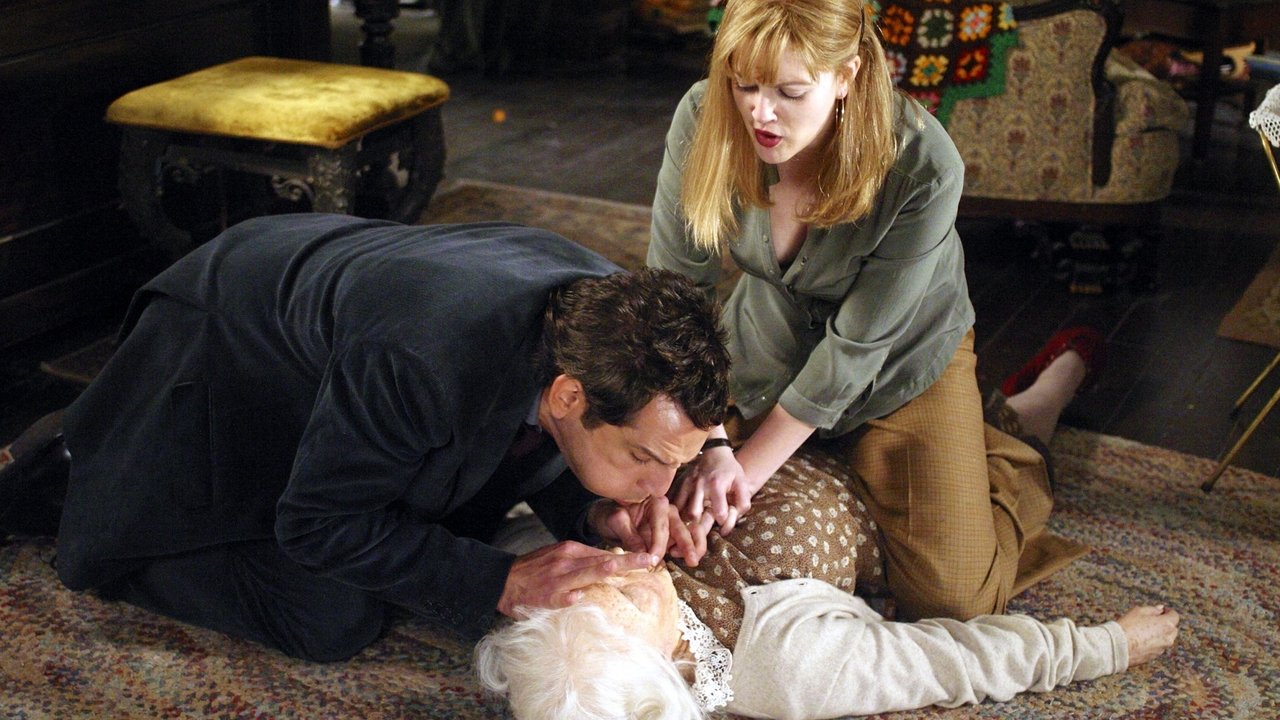
I’ve always felt that Duplex was too mean for the mainstream and too broad for the cult crowd, which is probably why it vanished from the cultural conversation faster than a security deposit. It’s a movie that asks you to laugh at the attempted murder of a grandmother, which is a tough sell even for the post-9/11 "cringe comedy" era.
The Forgotten Brooklyn
Looking back at it now, Duplex is a time capsule of a Brooklyn that doesn't really exist anymore—or at least, a Brooklyn that was just on the cusp of becoming the gentrified playground it is today. Justin Theroux shows up as a smarmy friend, and Harvey Fierstein has a brief, gravel-voiced cameo as a realtor that reminded me how much I miss seeing him in random character roles.
The film's failure at the box office ($19 million against that $40 million budget) essentially signaled the end of this kind of high-concept, mean-spirited "shouting" comedy. Shortly after this, the Judd Apatow "slacker-humanist" wave took over, and the frantic, sweaty desperation of the Stiller era started to feel like a relic.
Is it a masterpiece? Absolutely not. It’s frequently repetitive, and the ending feels like a bit of a cheat. But as a study in how quickly "civilized" people turn into monsters when their sleep is deprived and their equity is threatened, it’s a fascinating, loud, and occasionally hilarious disaster.
Duplex is the cinematic equivalent of a loud upstairs neighbor: you might not love having it around, but you can’t ignore it. It’s a mean little movie that works best if you’ve ever felt the urge to throw a toaster at someone for breathing too loudly. It captures a very specific moment in the early 2000s when we were all a little bit more obsessed with property values than we probably should have been. It’s worth a watch if only to see Ben Stiller reach his final, jittery form.
Keep Exploring...
-

Mystery Men
1999
-

The Heartbreak Kid
2007
-

Looney Tunes: Back in Action
2003
-

I Love You, Beth Cooper
2009
-
Along Came Polly
2004
-
A Night at the Roxbury
1998
-
Jack Frost
1998
-
Blast from the Past
1999
-
Deuce Bigalow: Male Gigolo
1999
-
Lake Placid
1999
-

Never Been Kissed
1999
-

28 Days
2000
-

Heartbreakers
2001
-
How High
2001
-
Jay and Silent Bob Strike Back
2001
-

Jimmy Neutron: Boy Genius
2001
-

Kate & Leopold
2001
-

The Wedding Planner
2001
-
Big Fat Liar
2002
-
Eight Legged Freaks
2002