Elephant
"An ordinary day, drifting toward the unthinkable."
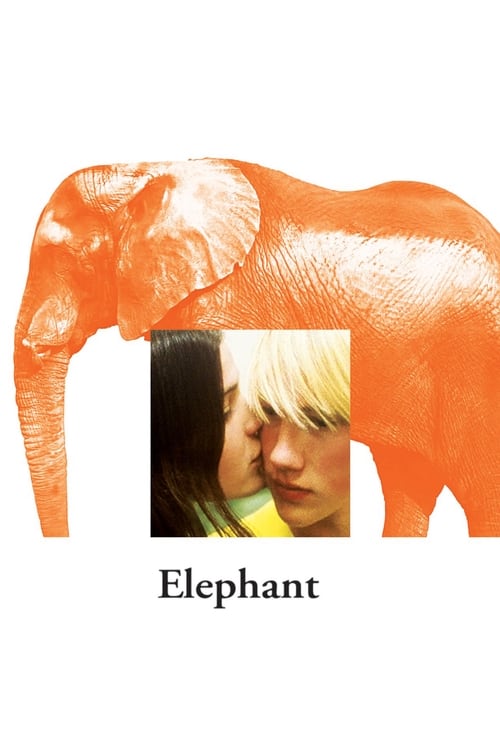
I remember finding the DVD for Elephant in a dusty bargain bin at a thrift store years ago. The plastic case smelled faintly of old peppermint and basement dampness, a strangely sweet scent that felt entirely at odds with the grim reputation of the film inside. I sat down to watch it on a Tuesday afternoon, the sun streaking through my window, and by the time the credits rolled in total silence, the room felt several degrees colder.

Gus Van Sant’s 2003 film is a difficult beast to categorize. It’s a drama, technically, but it functions more like an observational documentary from an alternate, more poetic dimension. Inspired by the tragedy at Columbine, Elephant doesn't bother with the traditional "why" of such horrors. Instead, it focuses entirely on the "how"—the mundane, rhythmic, and painfully normal movements of a high school day that happens to be the last for many involved.
The Geometry of the Hallway
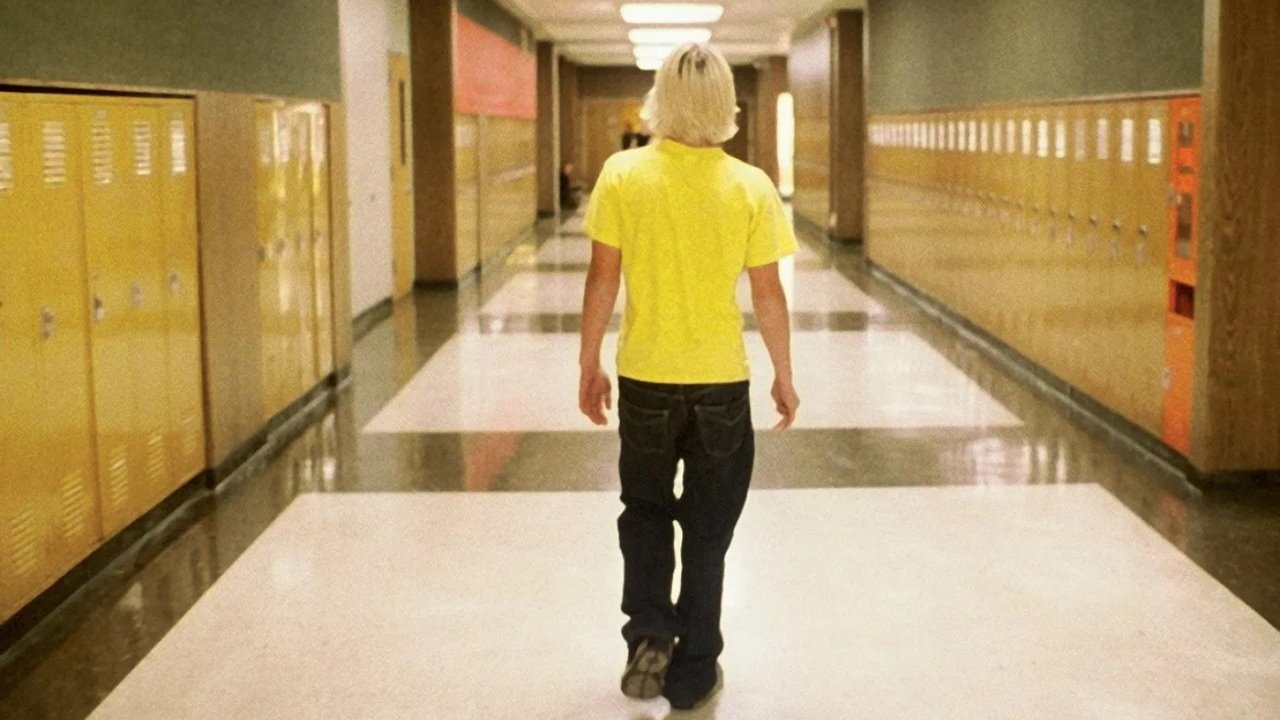
The first thing that hits you—and it hit me like a physical weight—is the cinematography by the late Harris Savides (Zodiac, Milk). The camera doesn't just watch these students; it stalks them. We spend a massive chunk of the 81-minute runtime simply following the backs of heads. We follow John Robinson (as John McFarland) as he navigates the school grounds, his yellow t-shirt with a bullseye on it becoming a haunting visual anchor.
There’s a hypnotic quality to these long, unbroken tracking shots. In an era where 2003 audiences were becoming accustomed to the hyper-kinetic editing of early 2000s action flicks, Van Sant went the opposite direction. He chose a 4:3 aspect ratio—that square, boxy frame of old televisions—which makes the hallways feel claustrophobic, even when they’re empty. To me, it’s essentially a slasher film stripped of its entertainment value and replaced with pure, cold reality. There’s no jump-scare music, no witty banter; just the squeak of sneakers on linoleum.
The Improvisational Chill

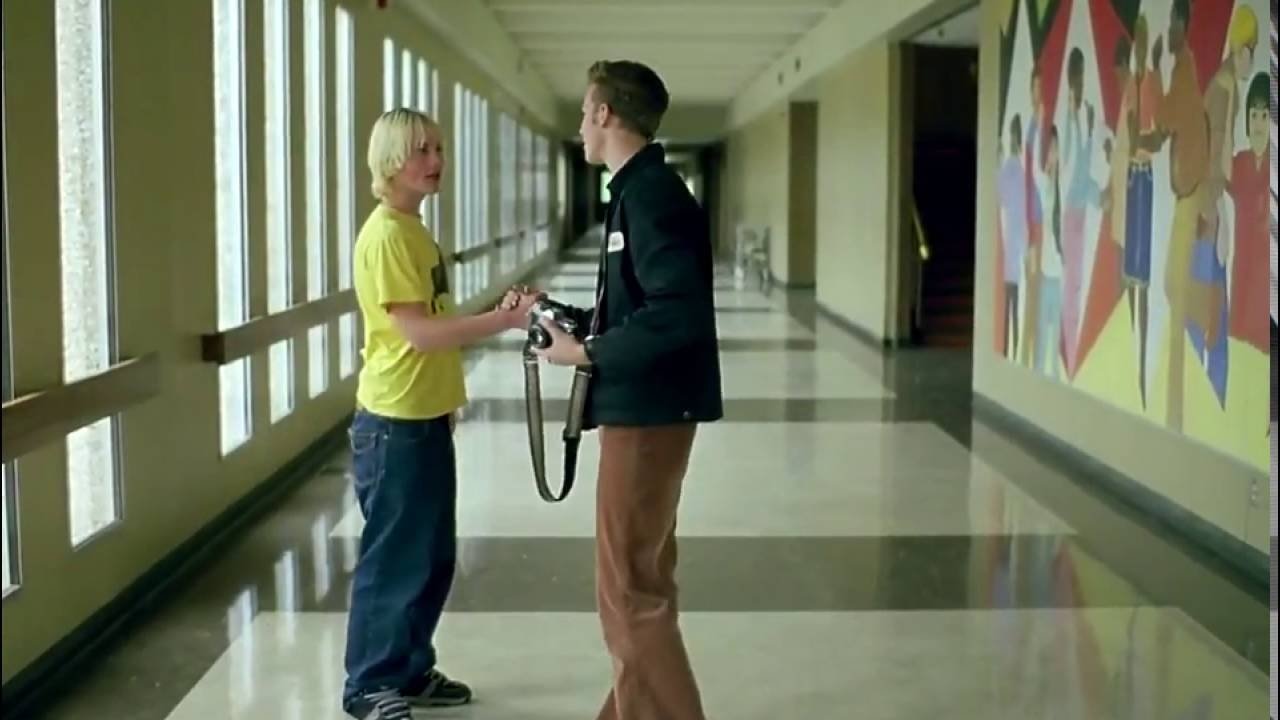
What makes Elephant feel so authentic—and frankly, so disturbing—is the cast. Van Sant used non-professional actors, mostly actual high schoolers from the Portland area where they filmed. He didn't give them a traditional script. Instead, he let them improvise their dialogue based on their own lives. When you see Elias McConnell taking photos in the hallway or Jordan Taylor, Carrie Finklea, and Nicole George chatting in the cafeteria about lunch and boys, you aren't watching "performance." You’re watching the genuine boredom of adolescence.
Then we meet Alex Frost and Eric Deulen. As the two boys preparing for the shooting, they are terrifyingly banal. There is no mustache-twirling villainy here. They play Mozart on the piano, they play video games, and they order guns online with the same casual energy I used to use when ordering pizza in college. This was a bold choice in the early 2000s. Post-9/11, American cinema was often desperate for clear-cut "evil" to point at. Van Sant refused to give us that. He shows us the shooters as part of the same mundane fabric as the victims. It’s a choice that makes the final act feel not like a climax, but like a glitch in the system.
The Indie Gamble
Looking back, it’s wild that this movie even exists. It was produced by HBO Films and Blue Relief, but no major studio would touch a project this experimental and sensitive. Van Sant had just come off a string of more traditional films like Good Will Hunting and the Psycho remake, and Elephant was his way of "returning to the woods" of independent, avant-garde filmmaking.
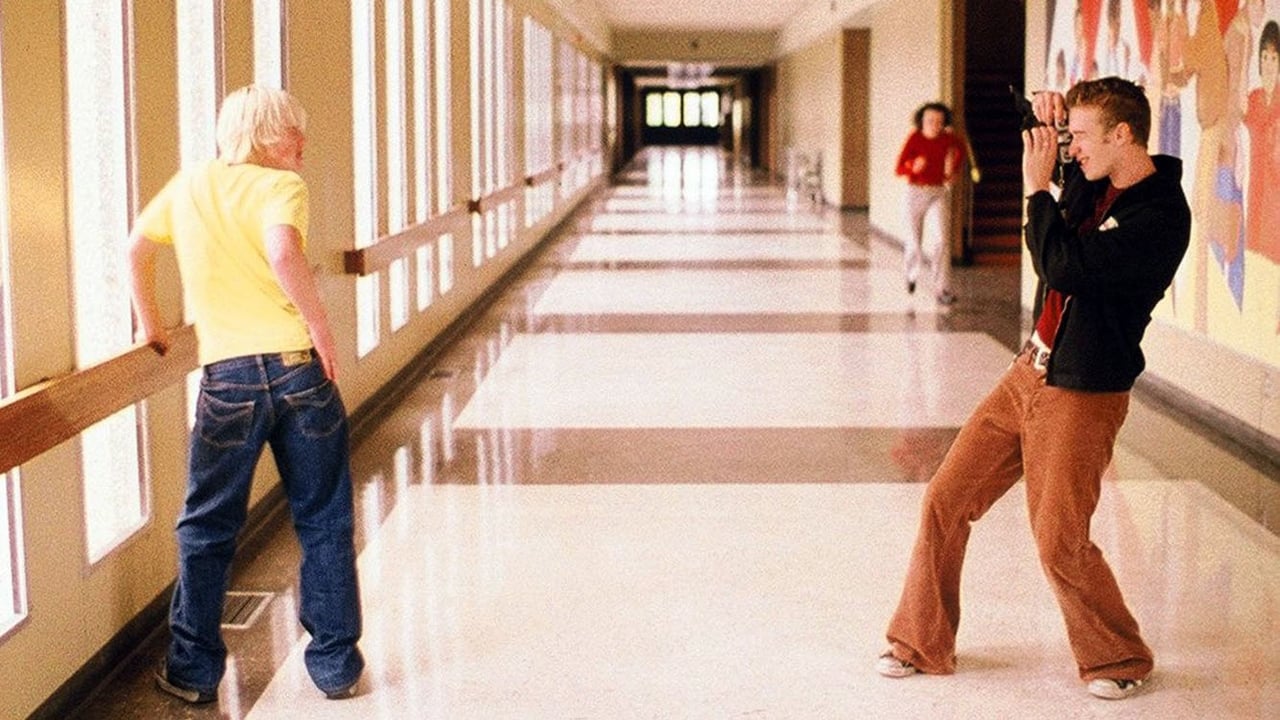
The budget was a mere $3 million, peanuts even for 2003. They filmed at the decommissioned Whitaker Middle School in Portland, and because they didn't have the money for massive lighting rigs, they relied heavily on the natural, overcast light of the Pacific Northwest. This gives the film a soft, muted look that contrasts horribly with the violence. Apparently, the title itself is a nod to a 1989 BBC film by Alan Clarke about the sectarian violence in Northern Ireland, referring to the "elephant in the room"—the problem so large we refuse to address it. When this won the Palme d'Or at Cannes, it sent shockwaves through the industry. It proved that the "Indie Renaissance" wasn't just about quirky comedies or Tarantino-clones; it was a space for genuine, uncomfortable formal experimentation.
Elephant is not a film I revisit often. It’s too heavy for a casual Friday night, and its refusal to offer a psychological "smoking gun" for the violence can be frustrating if you’re looking for a traditional narrative. But as a piece of pure cinema, it’s nearly peerless. It captures the fleeting, fragile beauty of a normal day and then shatters it without ceremony. It’s a reminder that sometimes the most effective way to show horror is to show the quiet that preceded it.
The film leaves you in a strange state of suspension. There’s no soaring score to tell you how to feel as the screen fades to black, only the lingering image of a cloud-filled sky. It’s the kind of movie that stays with you long after you’ve put the peppermint-scented case back on the shelf. It’s a masterclass in restraint, proving that what we don't see—and what we don't understand—is often the most haunting thing of all.
Keep Exploring...
-
My Own Private Idaho
1991
-
Felon
2008
-
Ghost Dog: The Way of the Samurai
1999
-
Irreversible
2002
-
This Is England
2007
-
Bad Lieutenant
1992
-
The Basketball Diaries
1995
-
Bound
1996
-

Blood and Bone
2009
-
Undisputed III: Redemption
2010
-
To Die For
1995
-
Boys Don't Cry
1999
-
Bronson
2009
-
Leviathan
2014
-
A Simple Plan
1998
-

Rounders
1998
-

The Negotiator
1998
-
Arlington Road
1999
-
The Talented Mr. Ripley
1999
-
American Psycho
2000