Final Destination 2
"Death is heading for the fast lane."
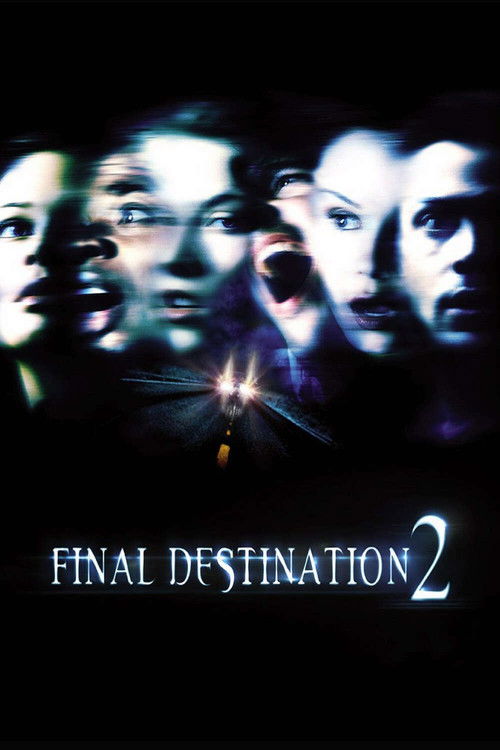
There is a specific brand of paranoia that belongs entirely to anyone who saw a logging truck on the I-95 in the early 2000s. You know the feeling: the grip on the steering wheel tightens, your foot hovers near the brake, and you suddenly realize you’ve been holding your breath for three miles. We can thank director David R. Ellis for that. While the original Final Destination (2000) introduced the concept of Death as an invisible, sentient slasher, the sequel is where the franchise truly found its groove as the absolute gold standard for creative carnage.
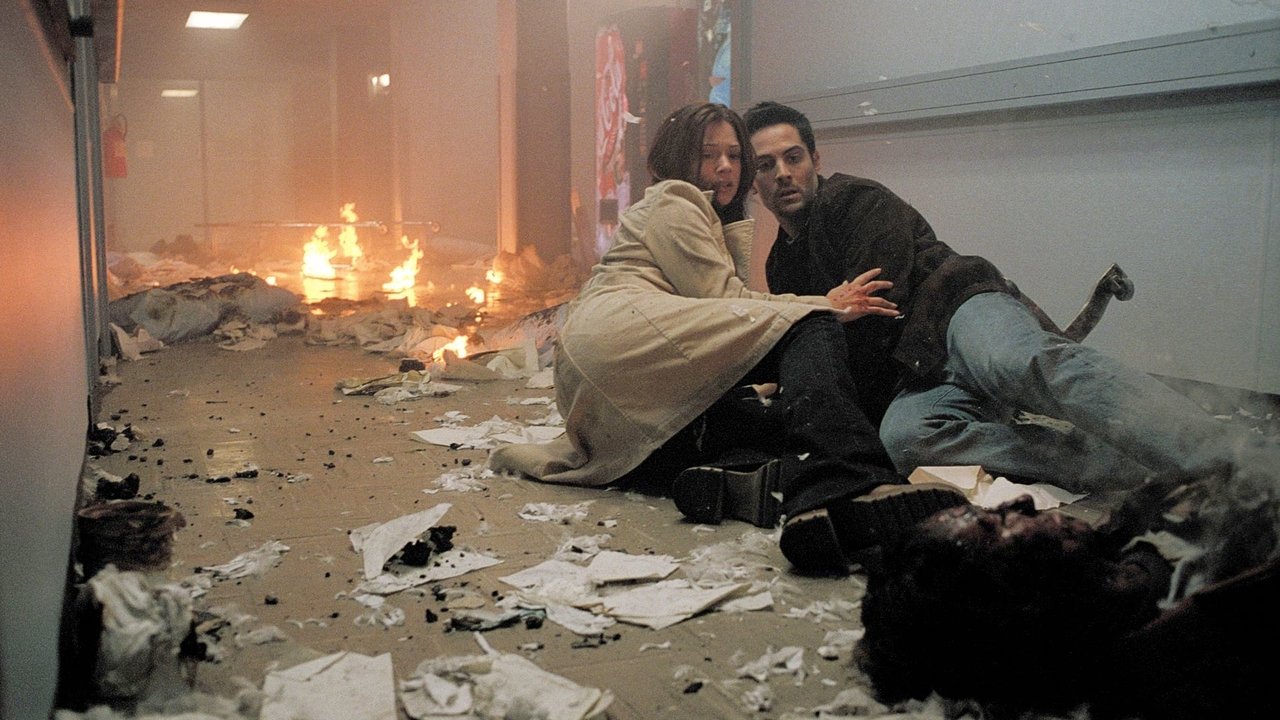
I recently revisited this one on a rainy Tuesday while my neighbor was noisily power-washing his driveway—a sound that, after watching three Final Destination movies in a row, began to feel like a very specific threat to my own safety.
The Highway to Hell
If the first film was a moody, post-Scream supernatural thriller, Final Destination 2 is a high-octane demolition derby. The opening pileup remains one of the most impressive feats of stunt coordination in the Modern Cinema era. Coming out in 2003, it arrived just as Hollywood was leaning heavily into CGI, yet much of what makes the highway sequence so terrifying is the weight of the practical effects.
David R. Ellis came from a stunt background—he worked on The Matrix Reloaded (2003) and Waterworld (1995)—and it shows. Those logs aren’t just digital pixels; they are massive, rolling agents of chaos. The way they bounce and shatter windshields feels heavy and real in a way that modern Marvel-style physics often misses. It’s a sequence that captures that early 2000s anxiety perfectly: the idea that a mundane afternoon commute can turn into a war zone in a split second.
A. J. Cook takes the lead as Kimberly Corman, the girl whose premonition saves a handful of strangers from the pileup. She doesn’t have the twitchy, wide-eyed intensity that Devon Sawa brought to the first film, but she plays the "reluctant hero" with a grounded sincerity that keeps the movie from drifting too far into parody.
The Rube Goldberg of Dread

The real star of this sequel, however, is the design of the "accidents." This is the era of the DVD "Fact Track" and behind-the-scenes featurettes, and Final Destination 2 was tailor-made for that culture. We weren't just watching a movie; we were analyzing the mechanics of doom.
The film evolves the "Death’s Design" concept into a series of elaborate, cruel jokes. Whether it's a falling pane of glass, an elevator mishap, or a wayward fire escape ladder, the movie excels at building tension through misdirection. I love how J. Mackye Gruber and Eric Bress’s screenplay toys with our expectations. You see a sharp object, a puddle of water, and a faulty electrical wire, and your brain starts connecting the dots. When the actual kill happens, it’s rarely what you anticipated.
A standout for me is the sequence involving Evan (David Paetkau), the lottery winner. It’s a masterclass in "don't look away" filmmaking. It turns out the production actually had to tone down some of the gore for the MPAA, but the surviving sequence is still a glorious, mean-spirited middle finger to the concept of luck.
Connecting the Dots and Cult Status
What elevates this sequel above the typical "more of the same" slasher follow-up is how it enriches the lore. Bringing back Ali Larter as Clear Rivers was a stroke of genius. She’s essentially the Sarah Connor of the franchise here—institutionalized by choice, surrounded by padded walls to avoid sharp corners. Her chemistry with Michael Landes (playing Officer Thomas Burke) gives the movie a needed emotional anchor.
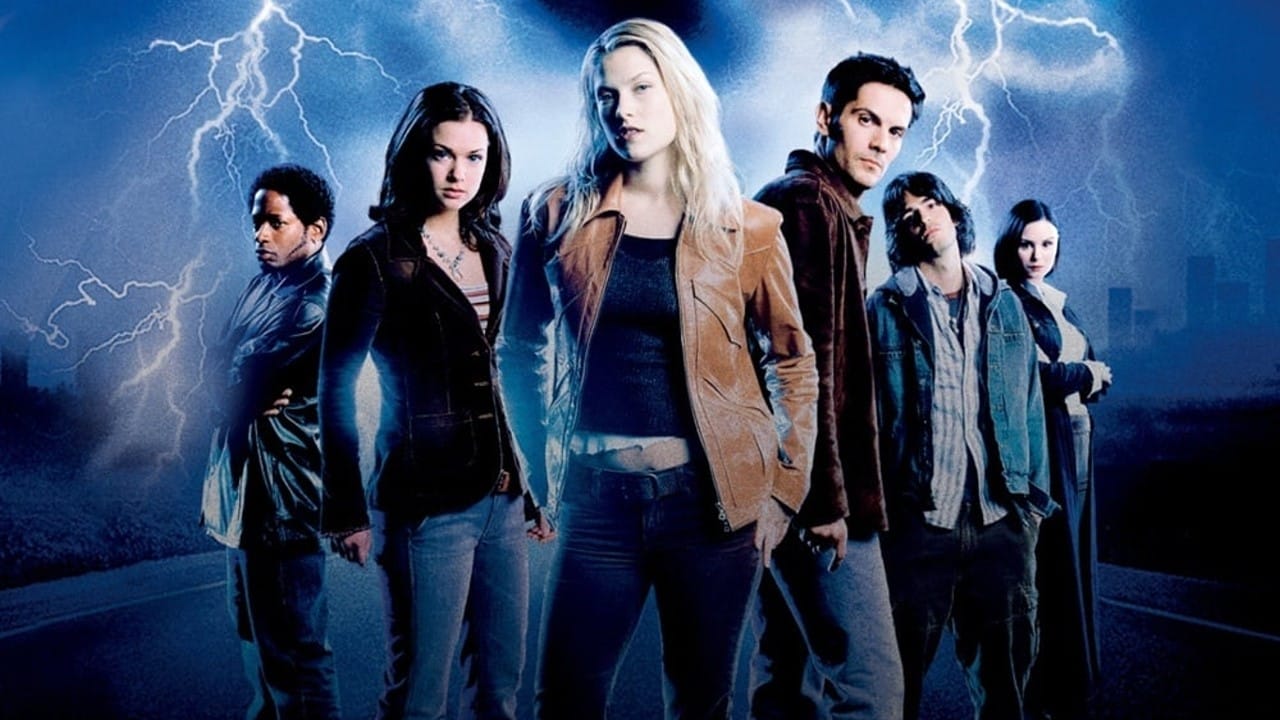
The film also managed to build a genuine cult following by being surprisingly smart about its own internal logic. Fans obsessed over the "New Life" loophole—the idea that a birth could break Death’s chain. Interestingly, the producers originally wanted the film to be a standalone, but the "interconnectivity" between the survivors of Flight 180 and the highway pileup is what solidified the franchise. Apparently, the "pigeon" death sequence was so complicated to film that it nearly blew the budget for the entire third act, requiring a real 100-pound pane of glass to be dropped for that sickeningly realistic impact.
Looking back, Final Destination 2 captures that specific 2003 transition point where movies were getting slicker and more corporate, yet directors were still willing to smash real cars together for our amusement. It’s a film that knows exactly what it is: a fast-paced, imaginative, and occasionally hilarious exploration of our own mortality.
Ultimately, Final Destination 2 is the rare sequel that surpasses the original by leaning into the absurdity of its premise. It’s not trying to be a deep meditation on fate; it’s a high-budget urban legend brought to life. It’s the reason I still change lanes whenever I see a truck carrying timber, and twenty years later, that’s the highest compliment you can pay a horror movie. If you’re looking for a tight 90 minutes of "what if?" terror, this is the peak of the franchise. Just maybe don't watch it right before a road trip.
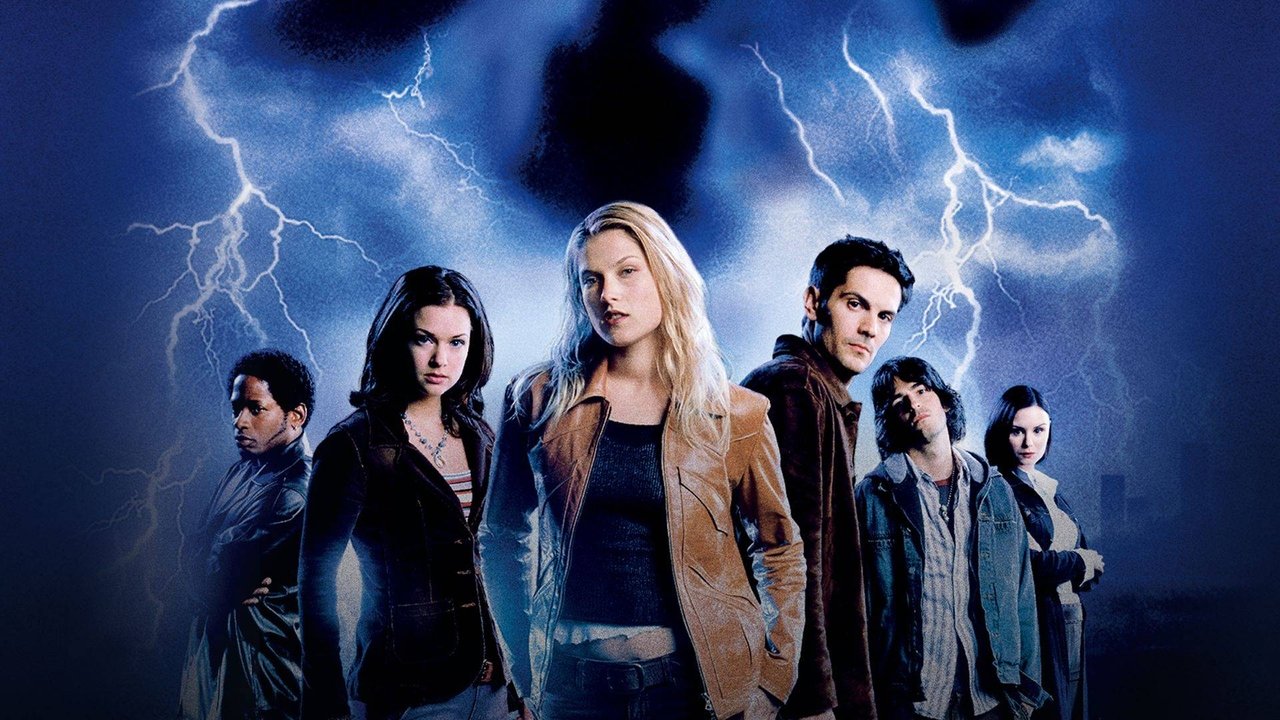
Keep Exploring...
-
The Final Destination
2009
-
Final Destination 3
2006
-
Final Destination 5
2011
-
Final Destination
2000
-

Final Destination Bloodlines
2025
-
The Ninth Gate
1999
-
From Hell
2001
-
House of Wax
2005
-
The Skeleton Key
2005
-
Sleepy Hollow
1999
-
Ghost Ship
2002
-
Cellular
2004
-
Pandorum
2009
-
Devil
2010
-

Let Me In
2010
-
The Crazies
2010
-
Scream 4
2011
-
The Thing
2011
-

The Cabin in the Woods
2012
-
Silent Hill
2006