Finding Nemo
"A neurotic father's odyssey that turned the entire ocean into Pixar’s personal playground."
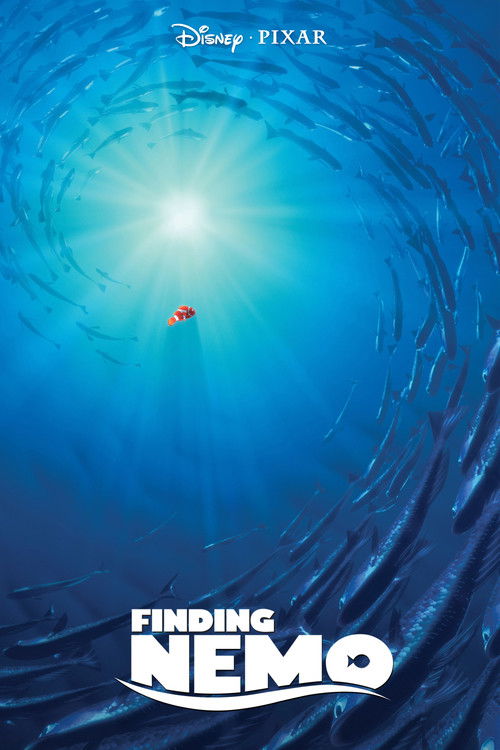
I still remember the collective gasp in the theater back in 2003 when that barracuda emerged from the murky darkness of the prologue. It wasn’t just the shock of the jump-scare; it was the realization that Pixar had stopped making movies about toys and bugs and had started making movies about the terrifying, beautiful weight of being a parent. For a "family movie," the opening of Finding Nemo is basically the first twenty minutes of Saving Private Ryan but with scales. It sets a stakes-heavy tone that the film never really lets go of, even when there are farting whales and surfer turtles involved.
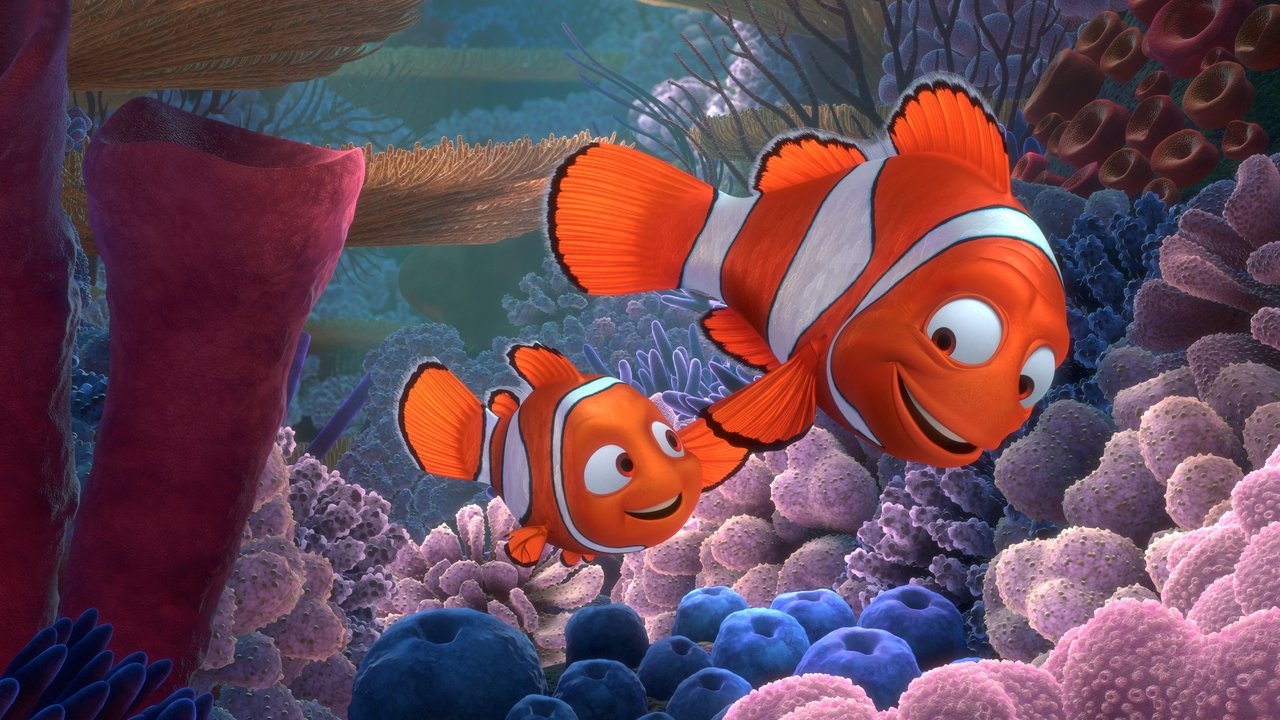
I actually had a dental appointment scheduled for the day after I first saw this, and I spent the whole time staring at the dentist’s aquarium wondering if the blue pebbles were actually a secret escape hatch. It’s that kind of movie—the kind that colonizes your brain and makes you look at the mundane world through a fish-eye lens.
Parenting at the Edge of the Abyss
At its heart, this isn't a story about a lost fish; it’s a story about a father’s nervous breakdown. Albert Brooks (who was so brilliantly dry in Broadcast News) is the perfect choice for Marlin. He brings a specific, high-strung energy that feels entirely earned. If you lost your entire family in a single afternoon, you’d be a bit of a buzzkill too. Marlin is the "Safety First" dad taken to a cosmic extreme, and his journey across the East Australian Current is less about finding his son and more about finding the courage to let his son exist in a world that can, occasionally, be dangerous.
Then there’s Dory. Before she became a billion-dollar brand of her own, Ellen DeGeneres provided a performance that was genuinely revolutionary for the time. She isn't just "the funny sidekick." She represents the antithesis of Marlin’s trauma. He remembers everything and fears it; she forgets everything and embraces it. Dory is the only reason this movie isn't a crushing psychological thriller. Their chemistry is the engine of the film, and it’s a testament to the script by Andrew Stanton (who also directed) and Bob Peterson that the humor never undermines the very real desperation of their search.
The Great Digital Splash
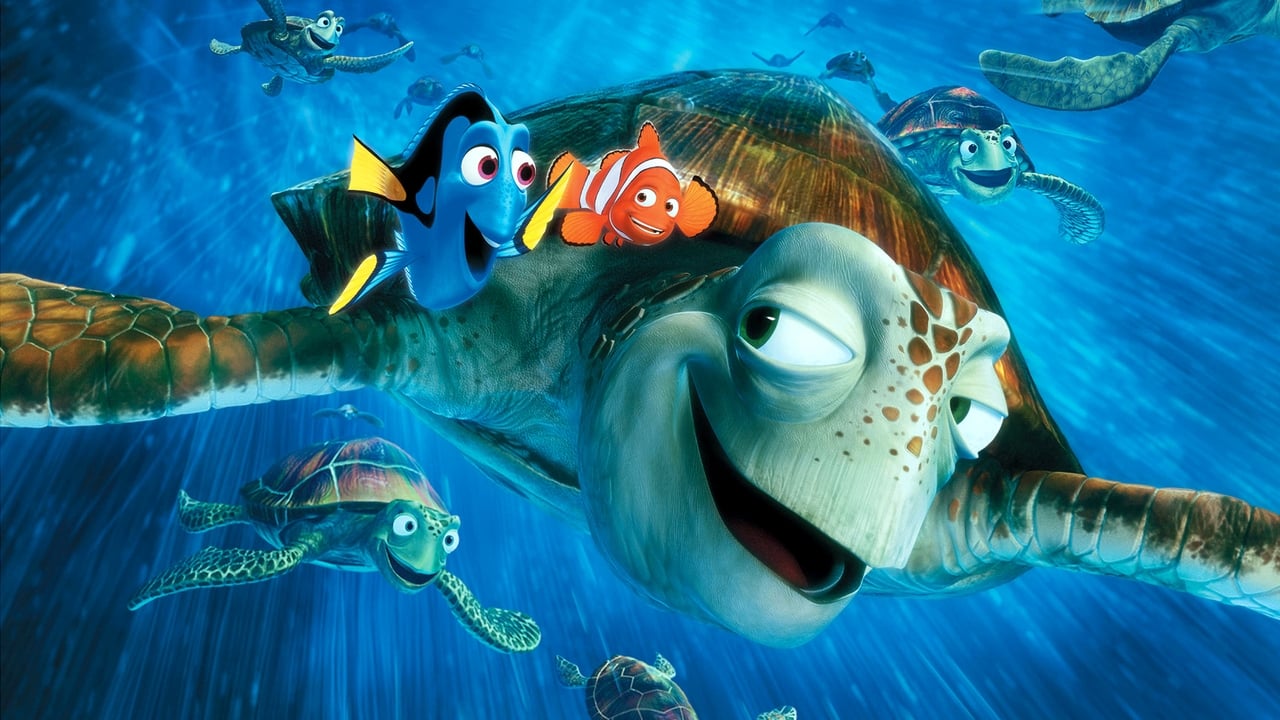
Looking back from an era where we can render every pore on a superhero’s face, it’s easy to forget how much of a technical "final boss" water was for CGI in the early 2000s. After mastering plastic in Toy Story and fur in Monsters, Inc., Pixar took on the ocean. They didn't just make it look blue; they captured the "murk." They captured the way light filters through the surface in "god rays" and the way particulate matter floats in the current.
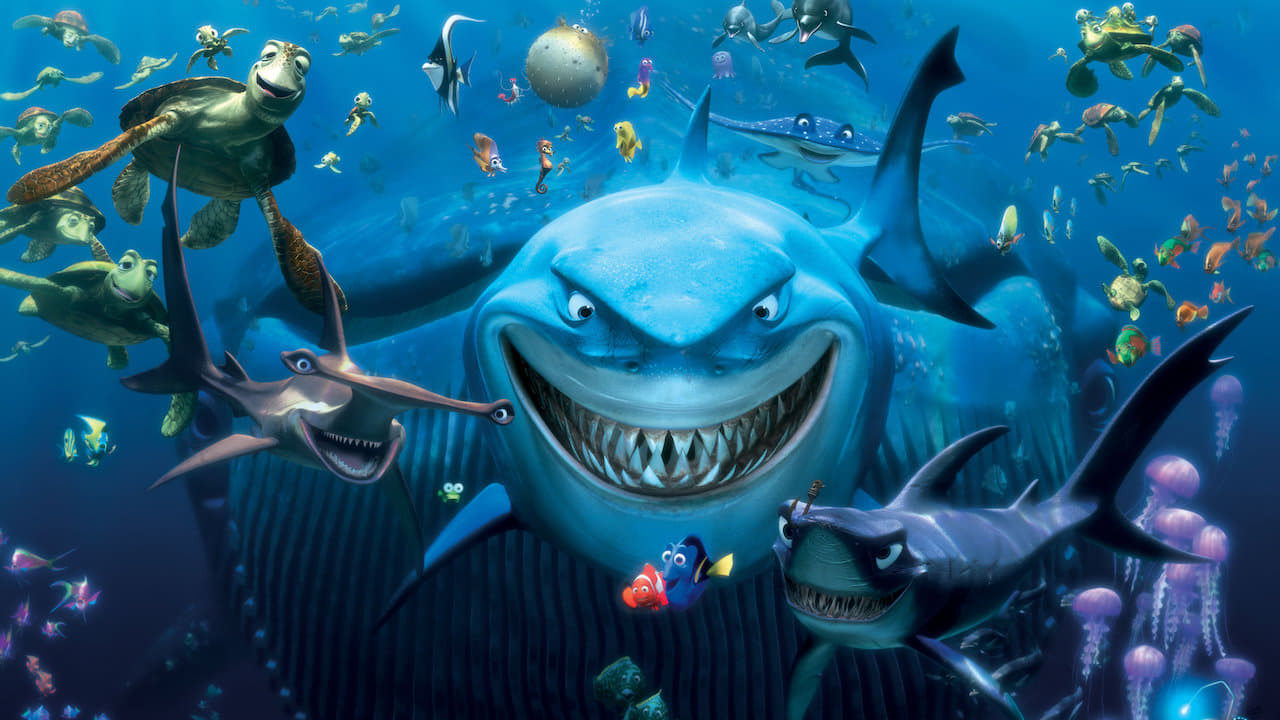
The production team actually took scuba diving lessons and studied the physics of water displacement to get it right. It’s said that the initial renders were too realistic—to the point where the lighting looked like live-action footage—and they actually had to scale back the realism so it didn't clash with the stylized character designs. Watching it today on a high-definition screen, the Great Barrier Reef still looks like a place you could drown in. The colors pop like a bag of Skittles exploded in a salt-water tank, yet there’s a sense of scale that makes Marlin and Dory feel appropriately microscopic.
A Cultural High-Water Mark
The "Nemo Effect" was a very real phenomenon. On a $94 million budget, the film hauled in over $940 million worldwide, becoming the highest-grossing animated film of all time at the point of its release. But its impact went beyond the box office. It became a titan of the DVD era; it remains the best-selling DVD of all time, with over 40 million copies sold. If you grew up in the mid-2000s, that orange-spined plastic case was a mandatory household item, usually tucked right next to Shrek.
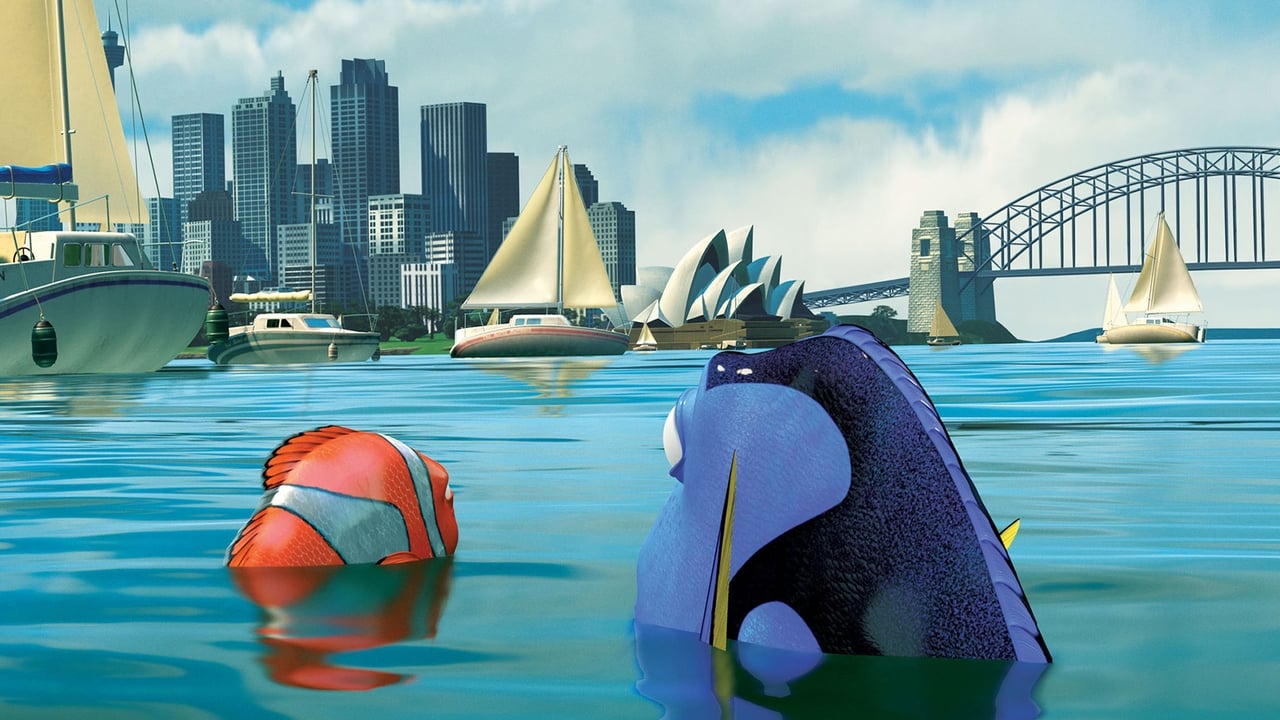
However, the film’s success had some unintentional side effects. There was a massive surge in demand for pet clownfish, leading to a dip in wild populations—ironic for a movie whose literal mantra is "all drains lead to the ocean." On the flip side, the film’s portrayal of the dentist’s office caused a wave of kids trying to "save" their fish by flushing them down the toilet, which... didn't go as well as it did for Nemo.
The supporting cast is also a secret weapon here. Willem Dafoe (fresh off playing the Green Goblin in Spider-Man) brings a gritty, noir-ish weight to Gill, the leader of the Tank Gang. Geoffrey Rush is a delight as Nigel the pelican, and the "Mine! Mine! Mine!" seagulls have become a permanent piece of the cultural lexicon. It’s a dense, populated world where every character, no matter how small, feels like they have a life off-screen. The seagulls are the most accurate depiction of peer pressure ever put on screen.
Finding Nemo is the rare blockbuster that manages to be both a technical marvel and a deeply intimate character study. It captures that specific Y2K-era Pixar magic where the ambition of the technology was perfectly matched by the sincerity of the storytelling. It’s funny, it’s gorgeous, and it will make you want to call your dad—or at least double-check the filter on your fish tank.
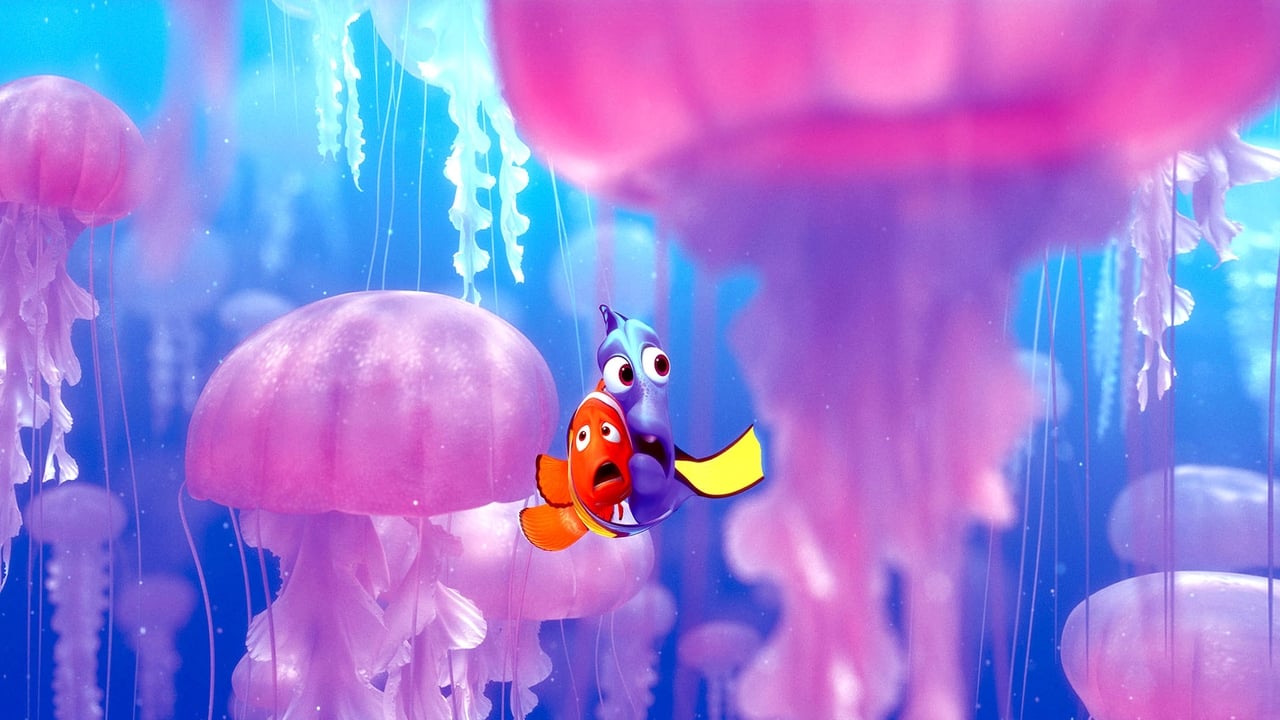
Whether you're revisiting it for the twentieth time or introducing it to a new generation, the film’s core message remains unshakable. Life is scary, the ocean is vast, and you're going to get stung by a few jellyfish along the way. But as long as you keep swimming, you're eventually going to find your way home. Just watch out for the seagulls.
Keep Exploring...
-
Finding Dory
2016
-
WALL·E
2008
-

A Bug's Life
1998
-

Toy Story 2
1999
-
Monsters, Inc.
2001
-

Ice Age
2002
-

Ratatouille
2007
-

Up
2009
-
Toy Story
1995
-

Mulan
1998
-

The Prince of Egypt
1998
-
Tarzan
1999
-

Fantasia 2000
2000
-

The Emperor's New Groove
2000
-
Shrek
2001
-

Lilo & Stitch
2002
-
Shrek 2
2004
-
The Incredibles
2004
-

Madagascar
2005
-
Cars
2006