Freddy vs. Jason
"Winner kills all."
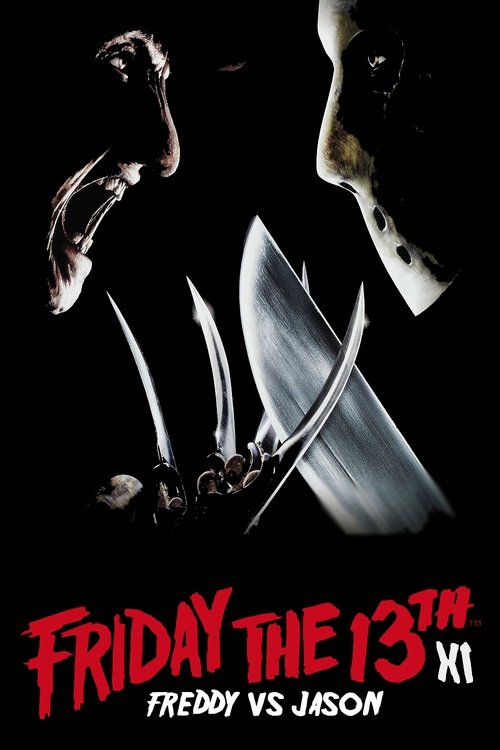
The sight of a severed hand dragging a hockey mask into the dirt at the end of 1993’s Jason Goes to Hell was the slasher equivalent of the post-credits scene in Iron Man. It was a promise made to a generation of horror fans, a "what if" scenario that spent a decade rotting in development hell before finally clawing its way onto the screen in 2003. By the time Ronny Yu actually got the cameras rolling, the landscape of horror had shifted from the self-aware irony of Scream to the slick, nu-metal-infused aesthetic of the early 2000s. I watched this most recent re-watch while eating a slightly stale bag of salt-and-vinegar chips that made my tongue go numb, which honestly felt like a perfect sensory pairing for a movie this aggressively over-the-top.
A Clash of Saturated Styles
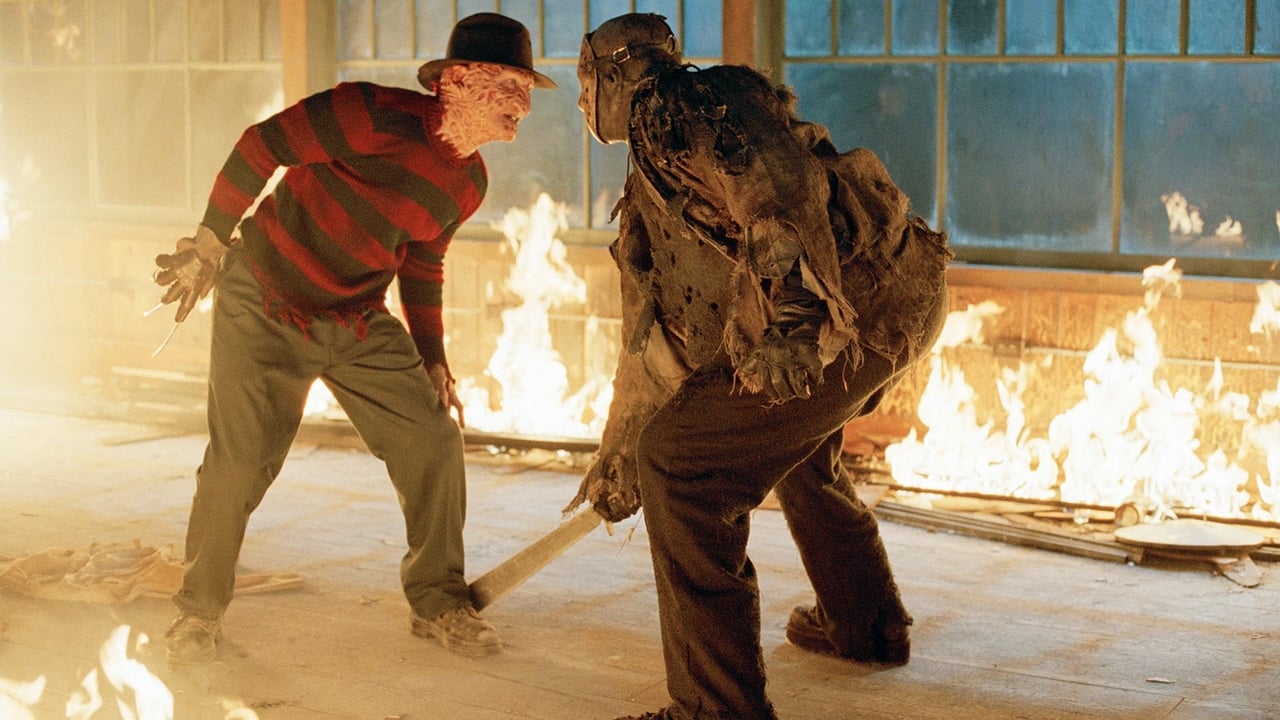
To understand Freddy vs. Jason, you have to understand the era of its birth. We were right in the middle of that transitional period where practical effects were being aggressively nudged aside by early-2000s CGI. This wasn't the grounded, gritty horror of the 70s; this was Ronny Yu bringing the same hyper-saturated, stylized energy he gave to Bride of Chucky. The lighting is all deep blues and neon greens, and the blood looks like it was mixed with strawberry syrup.
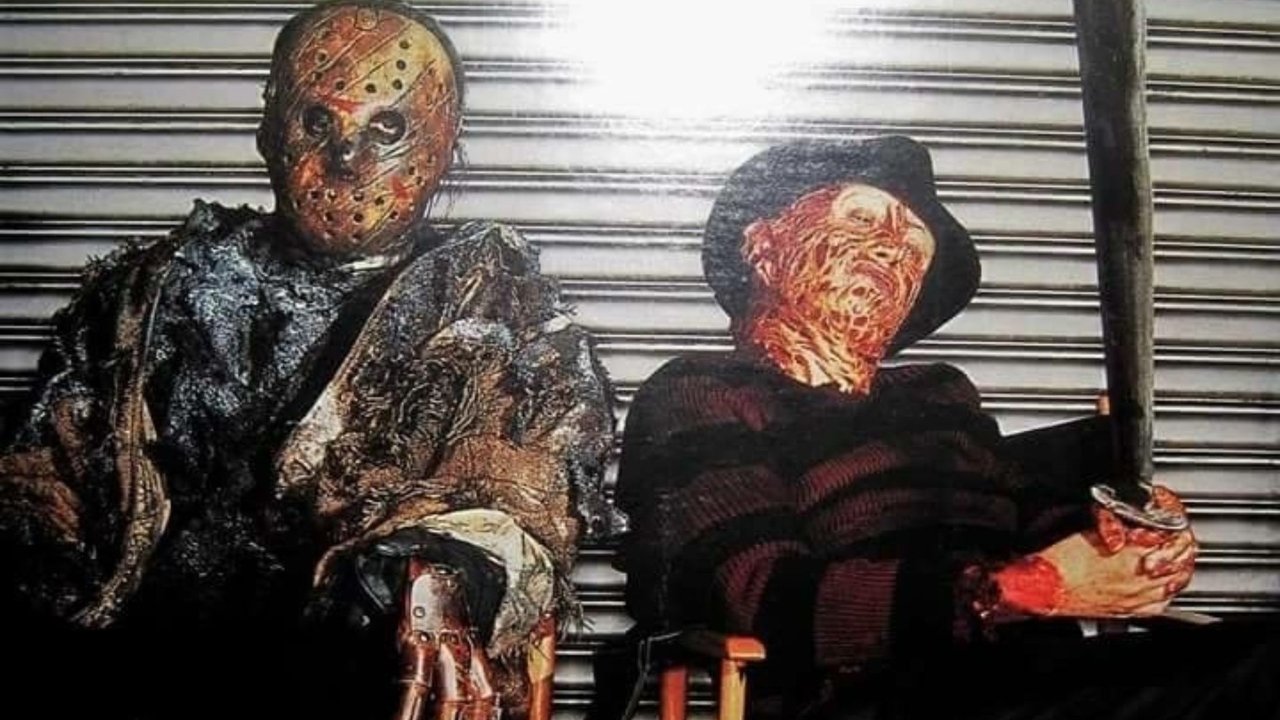
The plot is a surprisingly functional piece of "slasher logic." Freddy Krueger (Robert Englund) has been forgotten by the kids on Elm Street, rendering him powerless. To stir up some fear, he resurrects Jason Voorhees (Ken Kirzinger) to go on a killing spree, hoping the town will blame Freddy and give him his mojo back. Naturally, Jason doesn't know when to stop, leading to a territorial dispute that can only be settled with a machete and a glove. It’s essentially a professional wrestling match with a higher body count, and I say that with the utmost affection.
The King of the Dream World
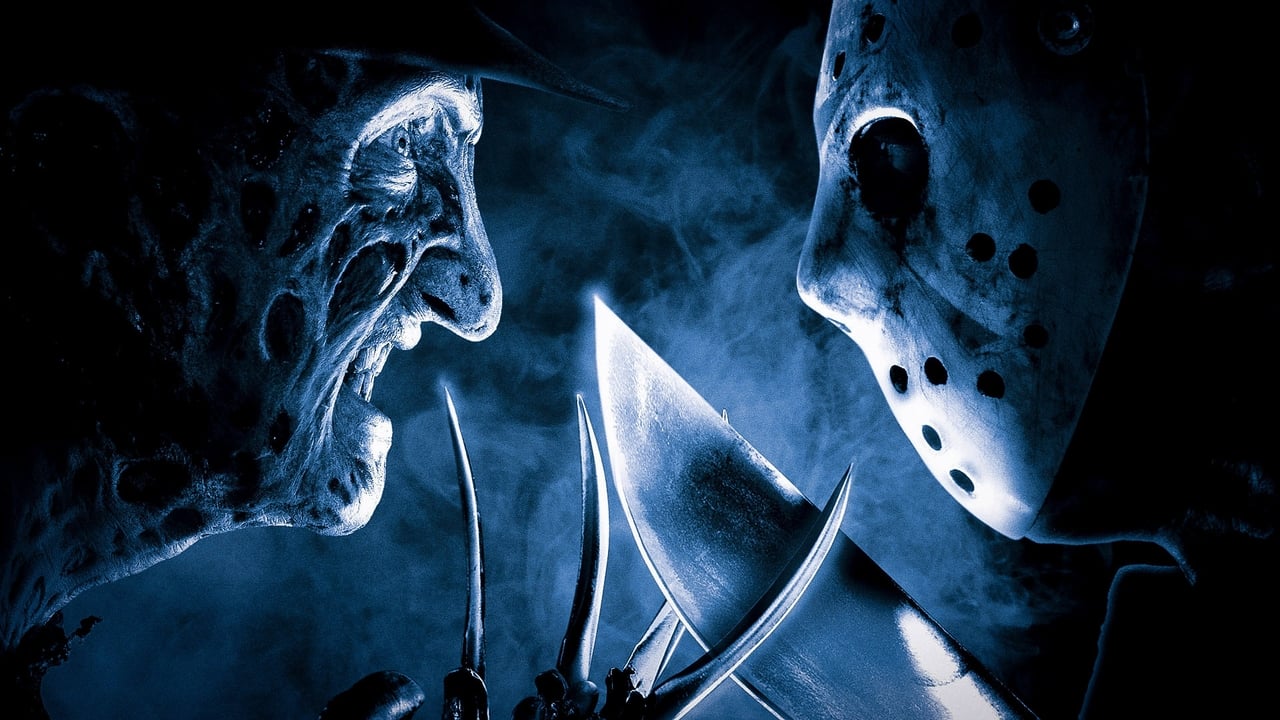
Robert Englund is, as always, the heart and soul of this franchise. In 2003, we didn't know this would be his final cinematic outing as the springwood slasher, but looking back, he plays it like a victory lap. He’s leaning hard into the "Borscht Belt comedian from hell" persona, spitting out one-liners with a theatricality that no one else in the cast can touch. On the other side of the ring, Ken Kirzinger took over the mantle of Jason from fan-favorite Kane Hodder—a move that caused no shortage of controversy in the DVD commentary tracks of the time. While Hodder’s Jason was a powerhouse of rage, Ken Kirzinger plays him as a towering, almost somber machine. He’s significantly taller than Robert Englund, which creates a fantastic David-vs-Goliath visual dynamic once the two finally square off.
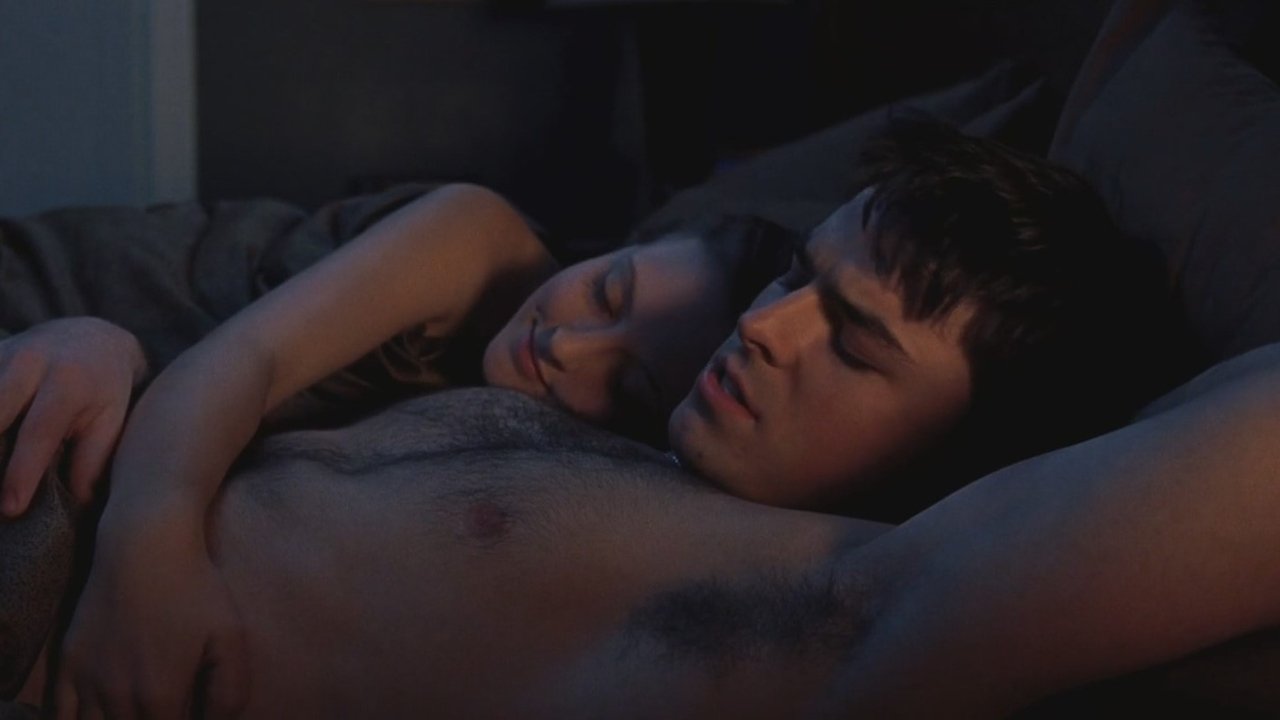
The "human" cast, led by Monica Keena as Lori and a young Jason Ritter as Will, does exactly what they need to do: they provide a bridge between the dream world and the real world while looking appropriately distressed in low-rise jeans. Lochlyn Munro pops up as Deputy Stubbs, providing some much-needed "adult in the room" skepticism, but let’s be real—nobody bought a ticket for the teenagers. We were there to see if a dream demon could survive a machete to the ribs.
CGI Ambition vs. Practical Gore
Looking back at the technical side, the film is a fascinating time capsule. This was the era of the "Freddy-pillar"—a fully CGI creature that looks like it stepped out of a PlayStation 2 cutscene. While some of the digital effects haven't aged gracefully, the film shines when it sticks to the wet stuff. The final showdown at Crystal Lake features some genuinely impressive practical stunt work and pyrotechnics. When the two icons start tearing into each other, the movie sheds its teen-slasher skin and becomes a brutal, heavy-metal action flick.
The production was a massive undertaking for New Line Cinema, often nicknamed "The House That Freddy Built." With a $30 million budget—huge for a slasher at the time—they managed to rake in over $116 million. It was a genuine cultural event, dominating the box office and proving that these "old" monsters still had legs in the new millennium. Apparently, the script went through roughly 18 different writers over ten years, including several versions that featured a cult of Freddy-worshippers or a courtroom battle in hell. Damian Shannon and Mark Swift eventually landed on the "barking dog" concept, which was the smartest move they could have made.
Freddy vs. Jason is not a "scary" movie in the traditional sense. It’s an popcorn-fueled celebration of two characters who defined a decade of cinema. It’s loud, it’s garish, and it features a soundtrack that will remind you exactly why we all wore chain wallets in 2003. While the CGI is a bit wonky and the logic is as thin as a dream-world veil, the sheer joy of seeing these two icons share the frame is undeniable. It’s a love letter to the fans who spent years arguing in comic book shops, and it serves as a fitting, blood-soaked curtain call for Robert Englund’s legendary run.

Keep Exploring...
-

Bride of Chucky
1998
-
Friday the 13th
1980
-
Friday the 13th Part 2
1981
-
Friday the 13th Part III
1982
-
Friday the 13th: The Final Chapter
1984
-
Friday the 13th Part VI: Jason Lives
1986
-
Final Destination
2000
-
Scream 3
2000
-
The Cell
2000
-

Resident Evil
2002
-
The Ring
2002
-
Gothika
2003
-
The Texas Chainsaw Massacre
2003
-
Dawn of the Dead
2004
-
The Grudge
2004
-
Hide and Seek
2005
-
The Amityville Horror
2005
-
The Exorcism of Emily Rose
2005
-
Final Destination 3
2006
-
Saw III
2006