Good Bye, Lenin!
"The Berlin Wall fell. He just forgot to tell his mother."
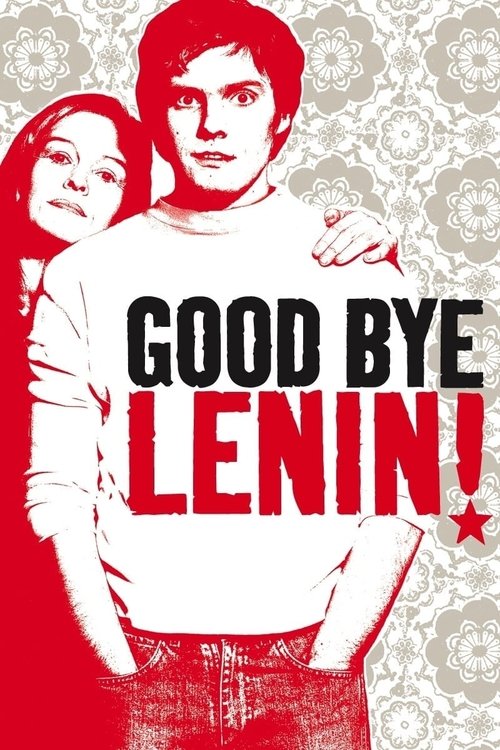
The Logistics of a Loving Deception
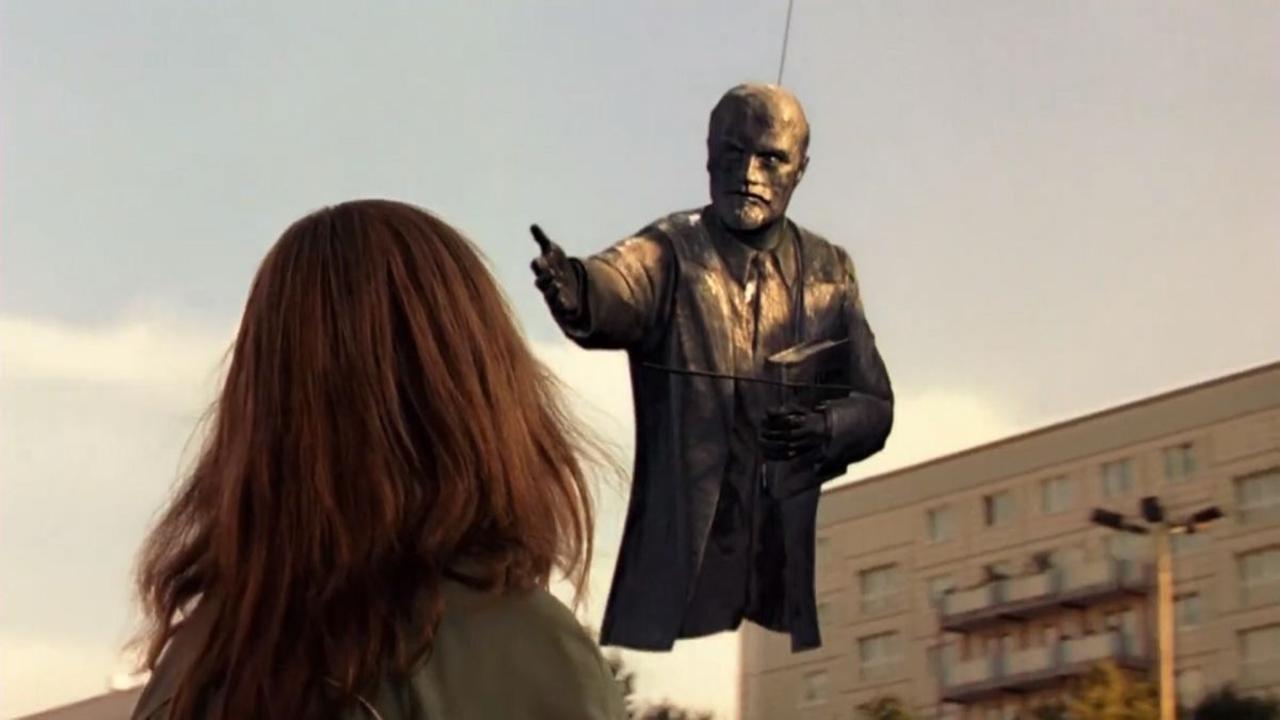
I’ll never forget the first time I saw a giant bust of Vladimir Lenin floating past a bedroom window, suspended by a helicopter. It’s an image that feels like a fever dream, but in Wolfgang Becker’s Good Bye, Lenin!, it’s the heartbreaking moment where a desperate lie finally meets the sky. I first watched this on a scratched DVD I borrowed from a library that smelled perpetually of damp cardboard and floor wax, and even through the skips and stutters of a worn disc, the film’s central question grabbed me: How far would you go to protect someone from a reality they can’t handle?
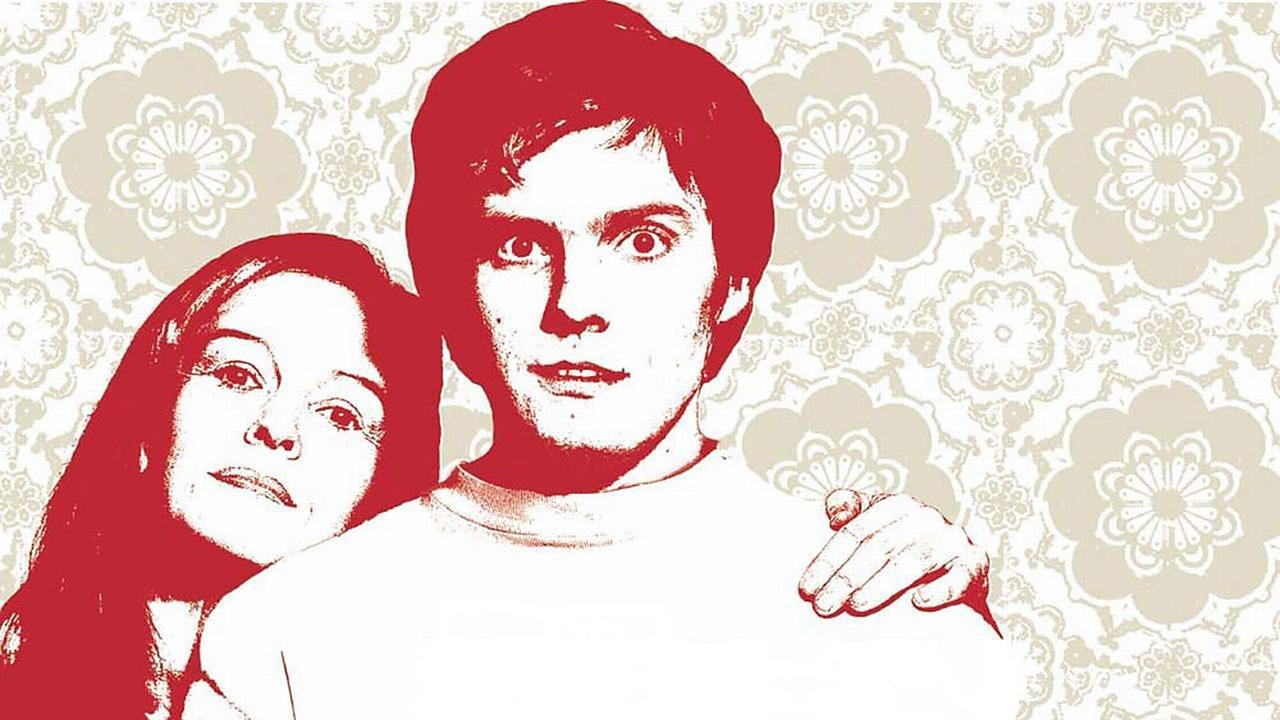
The premise is a tragicomic goldmine. Christiane (Katrin Sass), a staunch, idealistic supporter of the East German socialist state, falls into a coma just before the Berlin Wall comes down in 1989. When she wakes up eight months later, the GDR is effectively gone, replaced by the neon glow of Coca-Cola signs and the aggressive march of capitalism. Her doctors warn her son, Alex (Daniel Brühl), that any sudden shock could trigger another fatal heart attack. So, Alex does what any reasonable, over-stressed son would do: he recreates the defunct German Democratic Republic within the four walls of her bedroom.
Rebuilding the Past with Pickles and VHS
Watching Alex scramble to maintain the charade is where the film finds its pulse. This isn't just a political satire; it’s a high-stakes heist movie where the "loot" is a sense of security. I found myself cringing with anxiety as Alex scours dumpsters for old Spreewald pickle jars—the only brand his mother trusts—just so he can refill them with "Western" food. Daniel Brühl is magnificent here, twitchy and devoted, capturing that specific brand of filial panic that comes when your love for a parent starts to border on insanity.
The film serves as a fascinating snapshot of the "Modern Cinema" era, caught right in that transition between the gritty realism of 90s indie film and the more polished, digitally-assisted storytelling of the early 2000s. Alex essentially invents fake news twenty years before it became a global pastime. To explain the influx of Westerners and the changing world outside her window, Alex enlists his friend Denis (Florian Lukas), an aspiring filmmaker, to produce fake news broadcasts. These sequences are hilarious, but they also highlight the era’s shifting media landscape—the realization that history is just as much about who edits the footage as it is about what actually happened.
An Indie Vision Built on Scrappy Ingenuity
What’s truly impressive is how Good Bye, Lenin! became a global juggernaut despite its modest roots. Produced for about $4.8 million—roughly the catering budget for a Michael Bay explosion—it managed to pull in nearly $80 million worldwide. That’s the "Indie Gem" dream realized. The production team had to be incredibly resourceful, using actual archival footage of the Wall’s fall and blending it with their fictional news reports. They didn't have the budget for massive period-piece sets, so they relied on the lingering, gray architecture of East Berlin and the scavenged artifacts of a fallen regime.
The film also benefits immensely from its score by Yann Tiersen, fresh off his success with Amélie. While his work on Amélie was whimsical and accordion-heavy, here he uses melancholic piano arrangements that ground the comedy. It keeps the film from becoming a "wacky" farce. Instead, the music reminds us that this is a story about the death of an era and the impending loss of a mother. It’s a delicate tonal dance that a bigger, studio-controlled movie likely would have tripped over.
The Truth Behind the Curtain
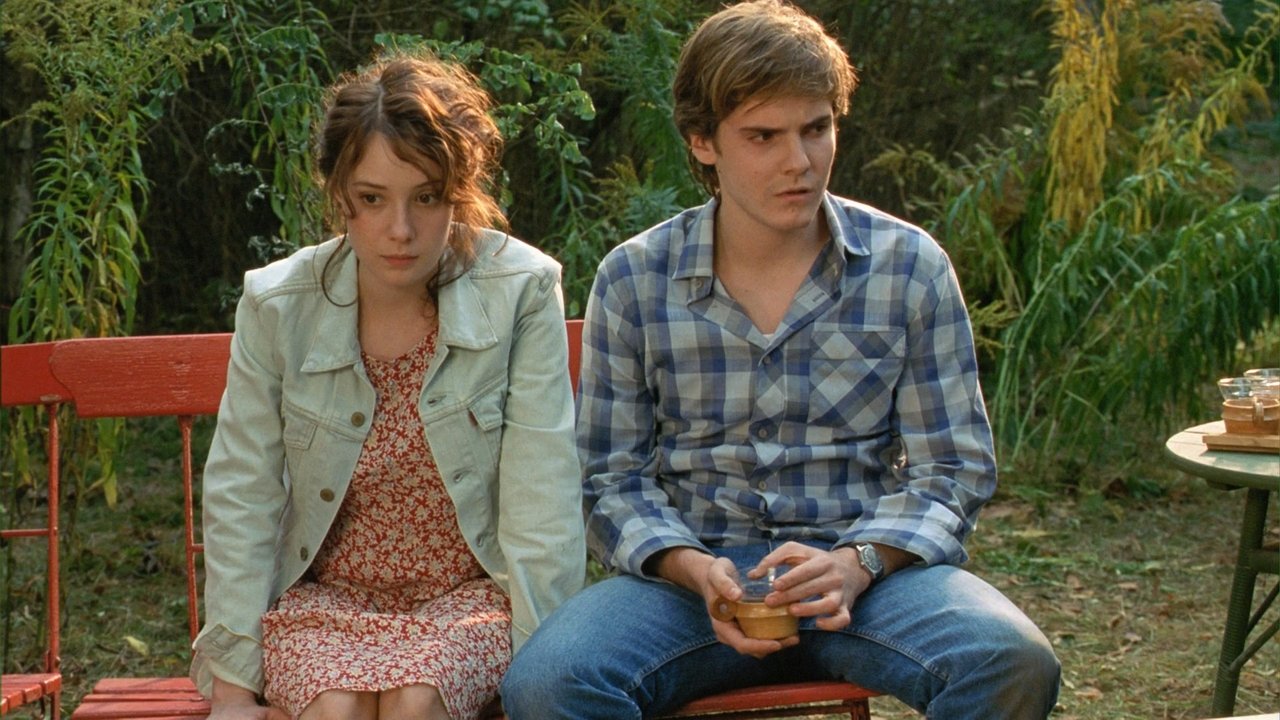
Philosophically, Good Bye, Lenin! hits harder the more you sit with it. As Alex’s lies become more elaborate, he starts creating a version of East Germany that never actually existed—a "perfect" GDR that is open, welcoming, and idealistic. He isn't just lying to his mother anymore; he’s crafting a eulogy for the world she believed in. It makes me wonder about the stories we tell ourselves to stay comfortable. Is a kind lie better than a brutal truth? The film doesn't give you an easy out.
There’s a beautiful, quiet performance by Chulpan Khamatova as Lara, the nurse and Alex’s girlfriend, who acts as the moral compass. She constantly pushes Alex toward the truth, highlighting the ethical rot that grows even within well-intentioned deception. The chemistry between the cast—including Maria Simon as Alex’s sister, who is much quicker to embrace the Western lifestyle—feels lived-in and authentic. They feel like a family struggling to navigate a world that changed while they weren't looking.
Ultimately, Good Bye, Lenin! is a masterclass in how to use a specific historical moment to tell a universal story about the lengths we go to for the people we love. It’s funny, it’s deeply moving, and it manages to make a dead political system feel like a lost, childhood home. Looking back at it now, it remains one of the most successful examples of European cinema bridging the gap between art-house depth and mainstream appeal.
If you’ve never seen it, find the best copy you can (hopefully one that isn't as scratched as my old library DVD). It’s a movie that asks us to look at our own history—and the jars in our own cupboards—with a little more scrutiny. It’s a reminder that while empires fall and borders shift, the small, quiet lies we tell to protect one another are often what keep the world spinning. Just don’t forget to check the expiration date on those pickles.
Keep Exploring...
-

Night on Earth
1991
-
The Postman
1994
-
Buffalo '66
1998
-

Happiness
1998
-
Secretary
2002
-

Garden State
2004
-

The Squid and the Whale
2005
-

High School Musical
2006
-
Imagine Me & You
2006
-
10 Things I Hate About You
1999
-
All About My Mother
1999
-
A Dog's Will
2000
-

Little Miss Sunshine
2006
-
Central Station
1998
-
The Celebration
1998
-
Bowling for Columbine
2002
-

Mysterious Skin
2005
-

Like Stars on Earth
2007
-

The Man from Earth
2007
-

Chungking Express
1994