Gothika
"Logic is no match for the vengeful dead."
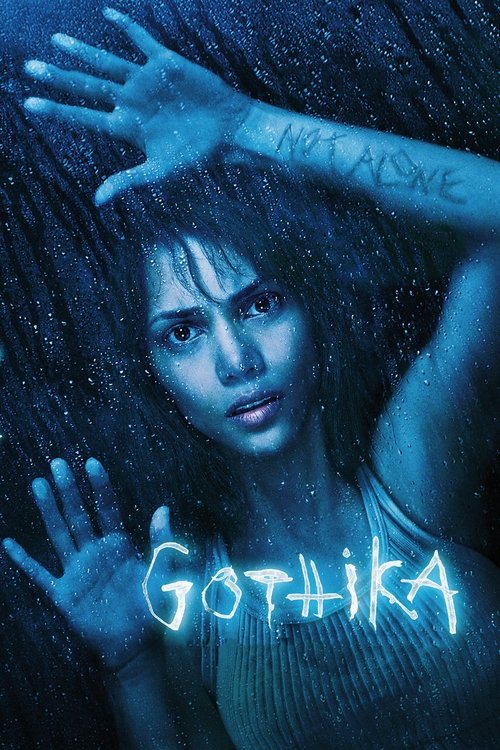
In the early 2000s, there was a specific law in Hollywood that required every supernatural thriller to look like it was filmed through a bottle of Blue Curaçao. Gothika is the crown jewel of this "Blue Period." Released in 2003, it arrived at the height of Dark Castle Entertainment’s reign—a production house co-founded by Robert Zemeckis that specialized in taking the campy spirit of 1950s B-movies and inflating them with massive budgets, A-list stars, and enough rain machines to flood a small desert nation.
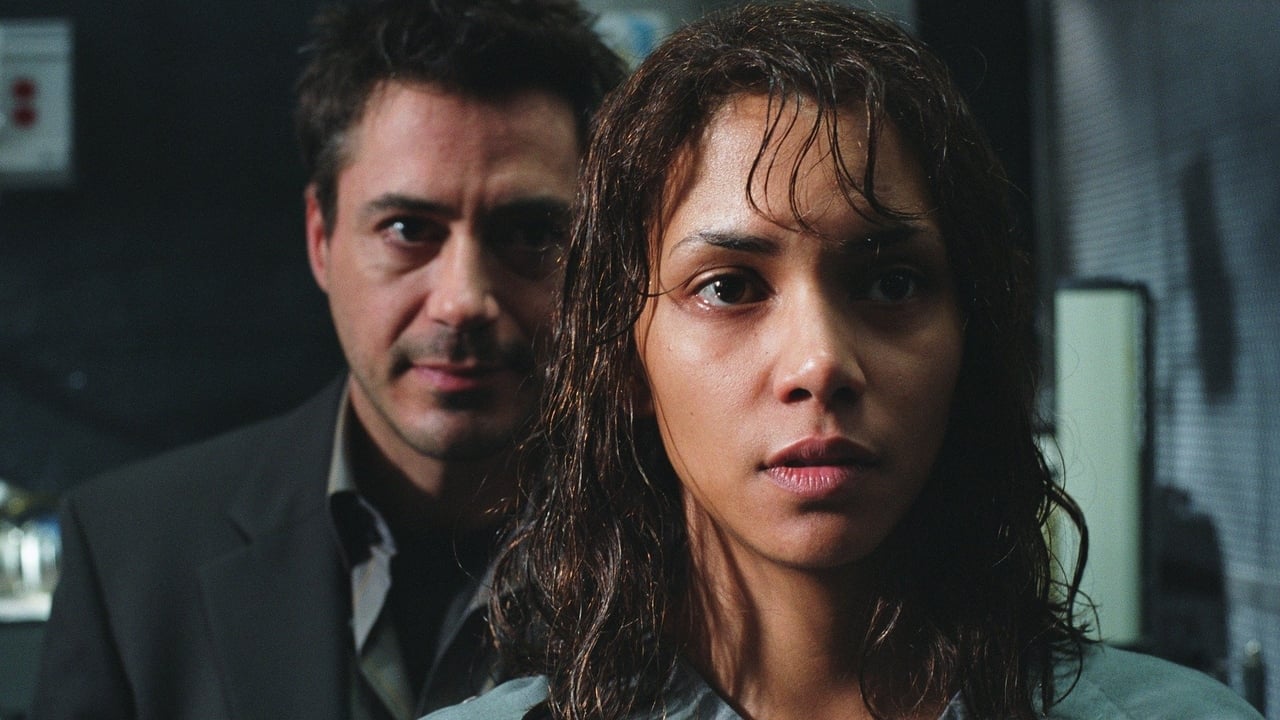
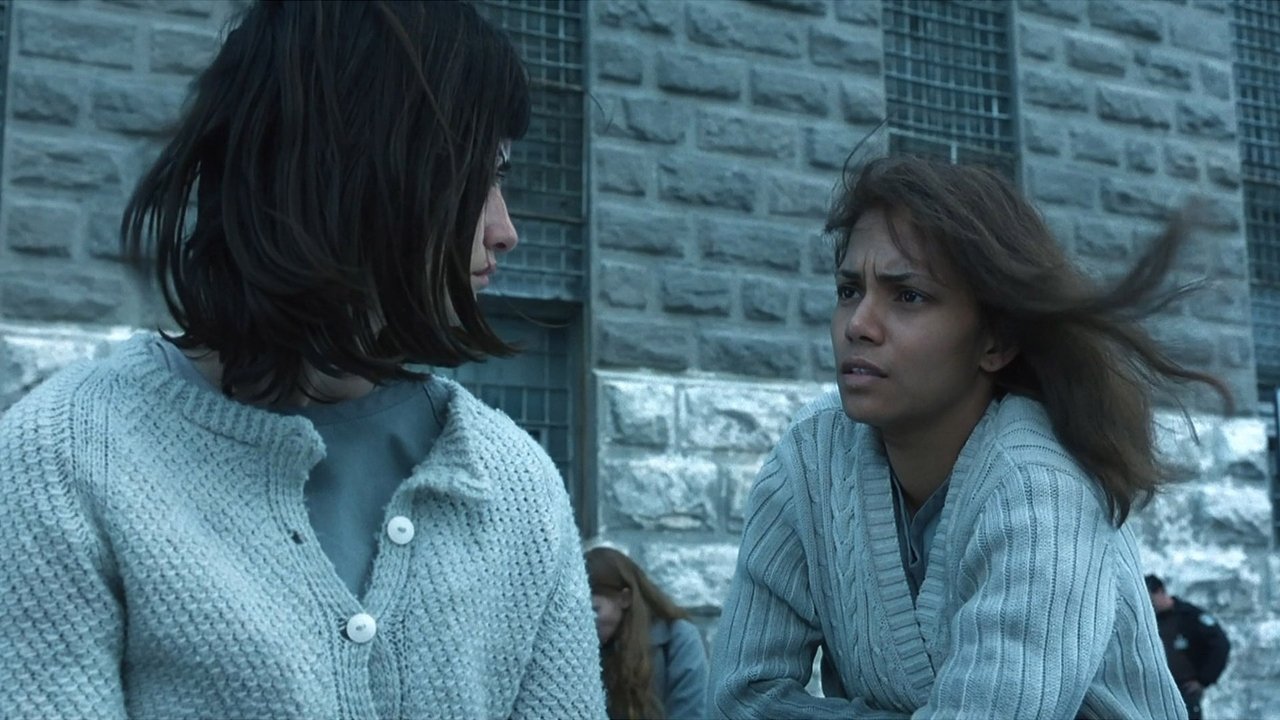
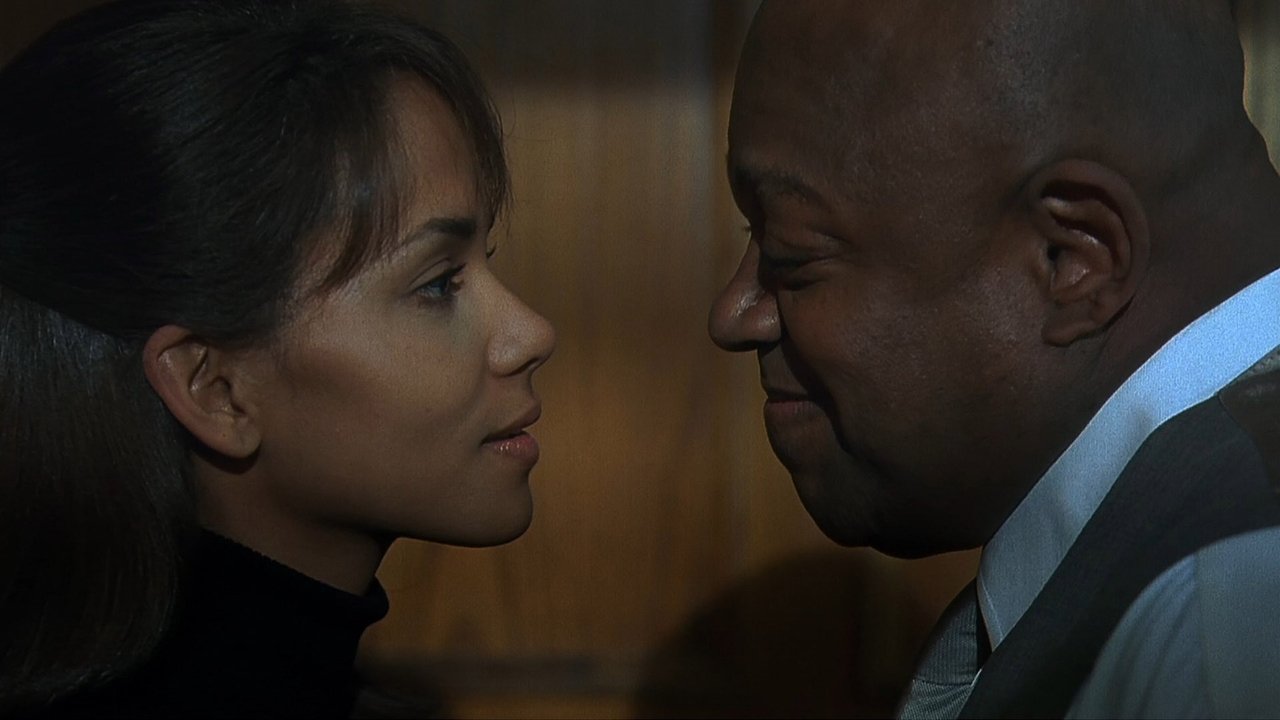
I watched this recently while nursing a mild head cold and eating a piece of very sad, lukewarm toast, and I have to say, the damp, miserable atmosphere of the film felt strangely synchronized with my own physical state. It’s a movie that practically drips off the screen. Halle Berry stars as Dr. Miranda Grey, a brilliant criminal psychologist who works at a high-security mental institution. Her life is clinical, logical, and—as established by the cinematography—aggressively teal. But after a rainy car swerve and a ghostly encounter on a bridge, she wakes up as a patient in her own ward, accused of brutally murdering her husband (Charles S. Dutton).
A Time Capsule of Post-Oscar Panic
There is a fascinating energy to Halle Berry’s performance here. She had just won the Oscar for Monster's Ball and was fresh off a Bond film, yet she’s throwing herself into this pulpy ghost story with the intensity of someone trying to win a second Academy Award for "Best Screaming in a Shower." She’s genuinely great at playing the frantic desperation of a woman who knows the "truth" but is trapped in a system designed to ignore her.
Then there’s Robert Downey Jr. as Pete Graham. Watching this in a post-MCU world is a trip; this was his big-screen comeback era, and he plays the sympathetic colleague with that familiar RDJ twitchiness, though it’s dialed down to fit the gloomy surroundings. He and Berry have a chemistry that feels like it belongs in a much smarter movie, which is part of the Dark Castle charm: hiring world-class actors to run away from CGI ghosts.
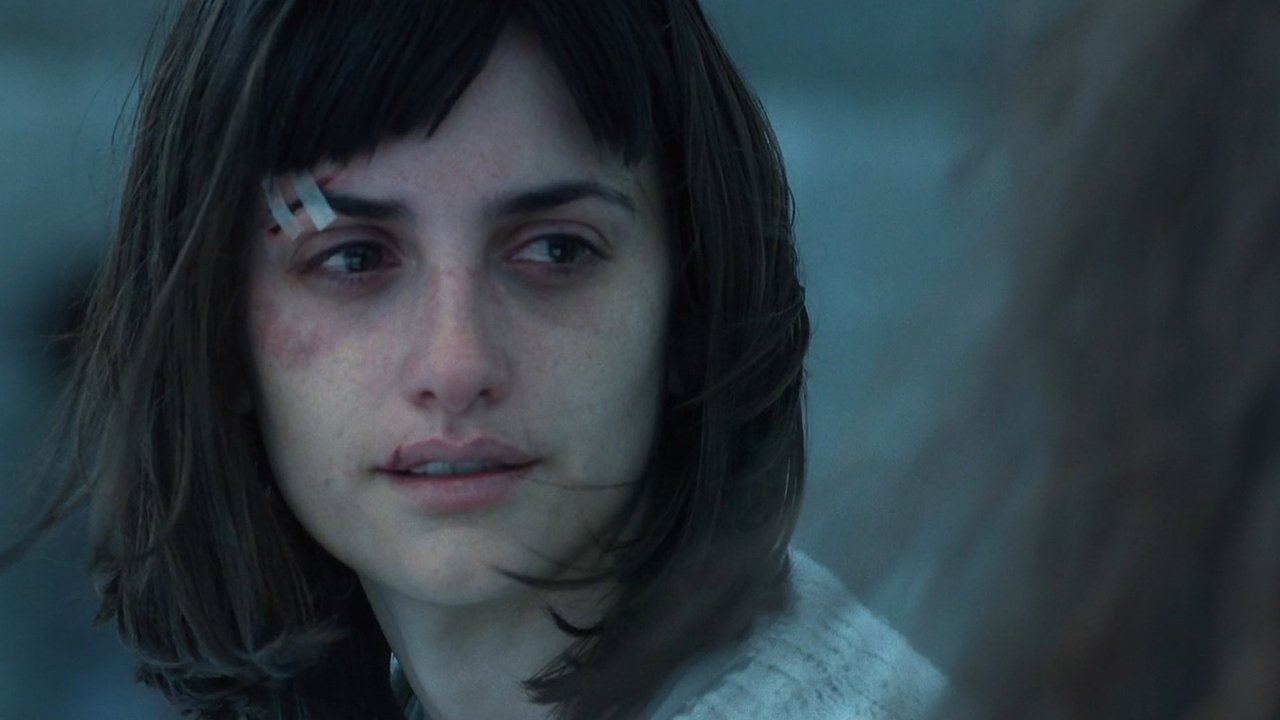
The supporting cast is an embarrassment of riches. A pre-stardom Penélope Cruz shows up as a disturbed inmate named Chloe, delivering lines about being raped by the devil with a conviction that the script arguably doesn't deserve. The film was directed by Mathieu Kassovitz, the man behind the gritty French masterpiece La Haine. It’s a bizarre pairing—a visionary street-level director being handed $40 million to make a movie where a ghost writes "NOT ALONE" on a foggy glass pane. You can see him trying to inject style into every frame, but the script eventually drags him down into the murky depths of early-2000s horror clichés.
The Mechanics of the Early-Aughts Blockbuster
Looking back, Gothika was a massive commercial success, raking in over $141 million worldwide. It captured a very specific cultural moment where we weren't quite over the "twist" craze sparked by The Sixth Sense, but we were starting to crave the jump-scare mechanics that would define the Insidious era.
Apparently, the production was just as chaotic as the plot. During a physical struggle scene, Robert Downey Jr. actually broke Halle Berry’s arm. Production had to be shut down for eight weeks, which might explain why some of the pacing feels like it was stitched together in a dark room by a confused editor.
And we have to talk about the DVD culture impact. This was the era of the "Music Video Tie-In." If you were a teenager in 2003, you couldn't turn on MTV without seeing Fred Durst directing the video for Limp Bizkit’s cover of "Behind Blue Eyes," which featured Halle Berry and was essentially a five-minute marketing reel for the movie. It’s the kind of cross-promotional synergy that feels hilariously dated now, yet it helped propel the film to become Dark Castle's biggest financial hit.
High-Gloss Shocks and Low-Logic Twists
The film’s greatest strength is its lighting. Matthew Libatique, the cinematographer who usually works with Darren Aronofsky, makes the Woodward Penitentiary look like a cathedral of misery. The way the shadows play off the cold tile and the constant, oppressive rain creates a mood that is far more effective than the actual scares.
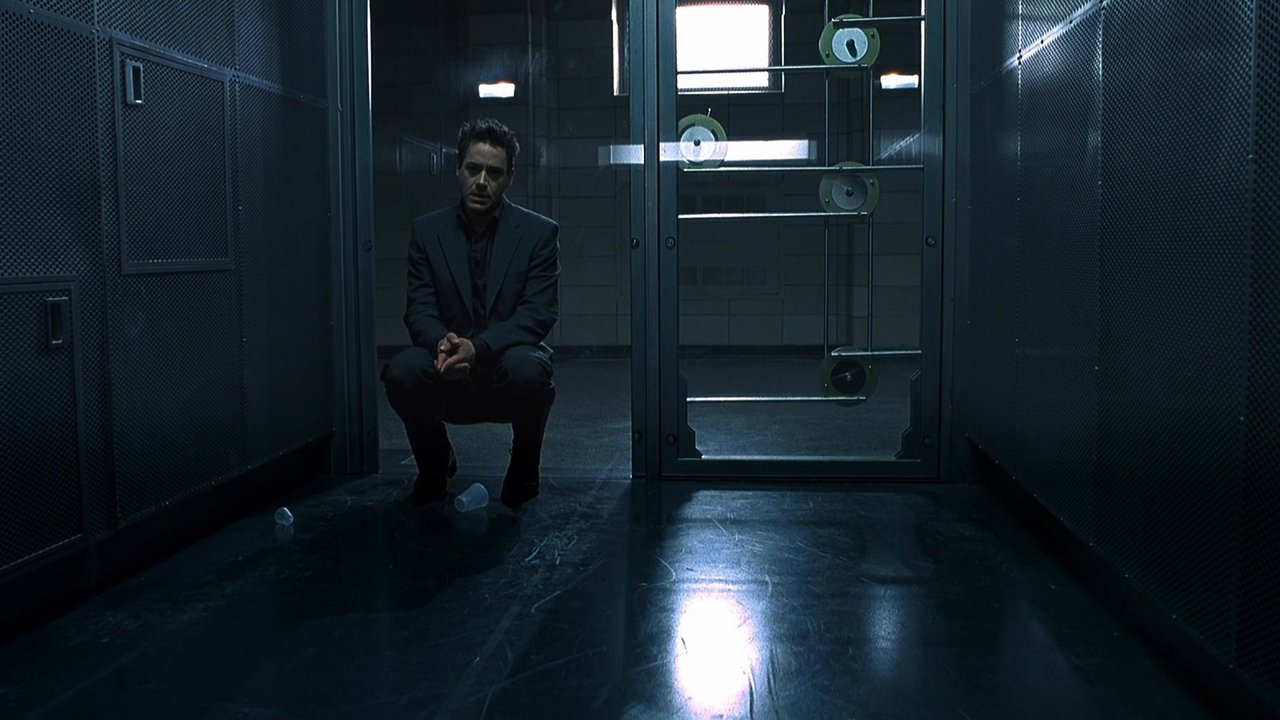
However, the "Mystery" part of the Horror/Thriller/Mystery tag is where things get shaky. The "twist" is visible from a mile away if you’ve seen more than three episodes of Law & Order, and the supernatural elements often feel like a "get out of jail free" card for the writers. When the plot gets stuck, a ghost simply shows up and points a translucent finger at the next clue. It’s ghost-guided detective work for the impatient viewer.
Still, there’s something admirable about the sheer commitment to the bit. Gothika doesn't wink at the camera. It treats its absurd premise with total, brooding sincerity. In an age of meta-horror and "elevated" genre films, there’s a nostalgic comfort in a movie that just wants to lock an Oscar winner in a cage and turn on the sprinklers.
Gothika is a fascinating relic of a time when studios weren't afraid to throw massive budgets at R-rated, atmospheric ghost stories. It’s not a masterpiece, and the logic falls apart if you look at it for more than ten seconds, but the sheer visual craft and the powerhouse cast make it a fun "rainy Sunday" watch. It’s a blue-tinted scream into the void that reminds us of a time before shared universes, when a Limp Bizkit song was all you needed to sell a hundred million dollars' worth of tickets.
Keep Exploring...
-
The Grudge
2004
-

The Omen
2006
-
I Know What You Did Last Summer
1997
-

A Nightmare on Elm Street
2010
-
The Ninth Gate
1999
-

The Gift
2000
-
From Hell
2001
-
House of Wax
2005
-
The Skeleton Key
2005
-
Untraceable
2008
-
What Lies Beneath
2000
-
Ghost Ship
2002
-

The Invasion
2007
-
Scream 3
2000
-
The Cell
2000
-
Hide and Seek
2005
-
The Exorcism of Emily Rose
2005
-
Final Destination 3
2006
-
Saw III
2006
-
Disturbia
2007