Hulk
"The beast inside is a family affair."
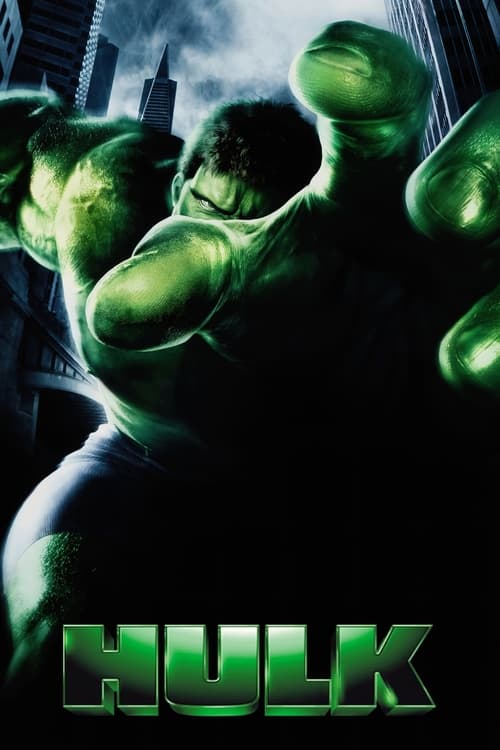
I remember sitting in a sticky theater seat in the summer of 2003, wearing a scratchy wool sweater that I absolutely didn't need for a June afternoon, but the theater’s AC was perpetually set to "Arctic Tundra." I had my extra-large popcorn and a massive soda, fully expecting a neon-colored romp similar to Sam Raimi’s Spider-Man. Instead, I got a two-hour psychological dissertation on repressed trauma and cellular biology, punctuated by a giant green man throwing a tank like a frisbee. It was the ultimate "wait, what?" moment of the early superhero boom, and looking back, it’s even weirder than I remembered.
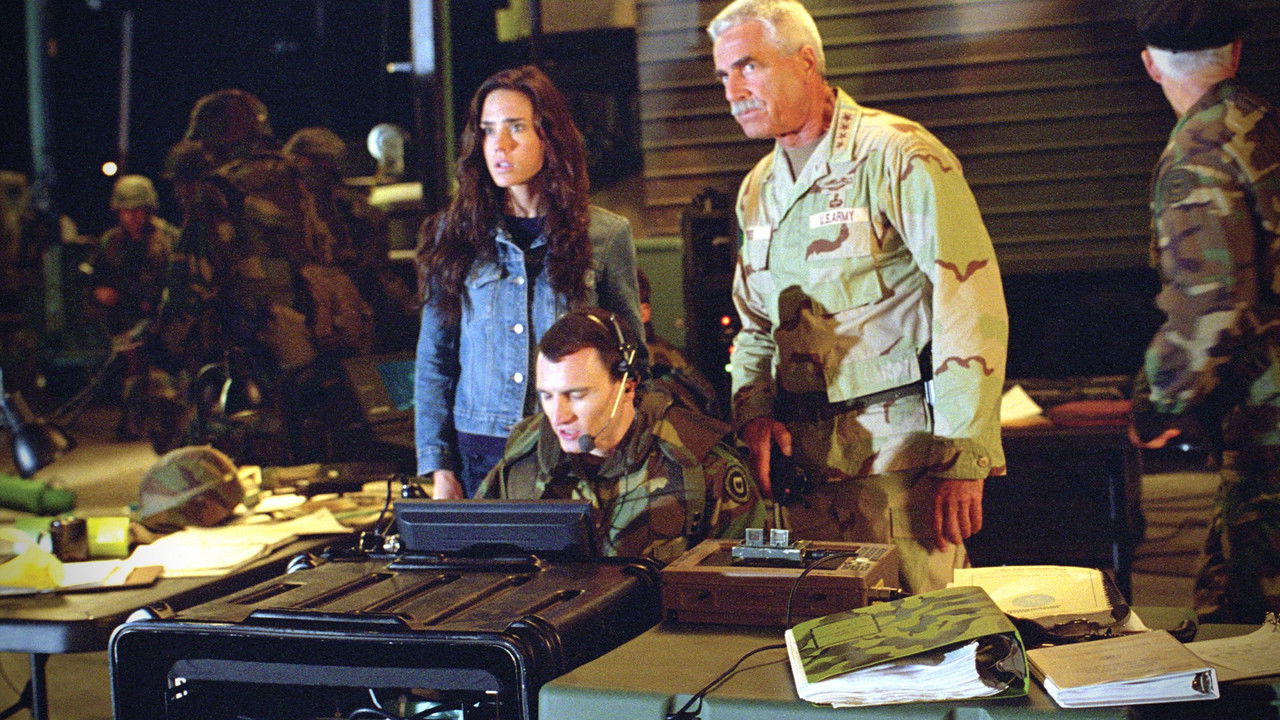
A Comic Book Brought to Life (Literally)
Before the Marvel Cinematic Universe turned every superhero movie into a standardized piece of a larger machine, directors like Ang Lee (Crouching Tiger, Hidden Dragon) were allowed to treat these properties like experimental art projects. Lee didn’t just want to film a comic book; he wanted the movie to be a comic book. This resulted in the infamous "multi-panel" editing style. At any given moment, the screen splits into three or four boxes, showing a close-up of a character’s eye, a wide shot of a helicopter, and a mid-shot of a laboratory.
It was a bold swings-for-the-fences move that felt incredibly cutting-edge in the early 2000s, right when digital editing suites were becoming the new playground for filmmakers. Today, it feels a bit like watching a very expensive PowerPoint presentation designed by a genius on a bender, but I still admire the audacity. It’s a far cry from the "gray concrete airport" aesthetic of later franchise films. Lee was trying to bridge the gap between the static page and the moving image in a way that felt tactile and kinetic, even if it occasionally makes your eyes go crossed.
Muscles, Mopeds, and Mutant Poodles
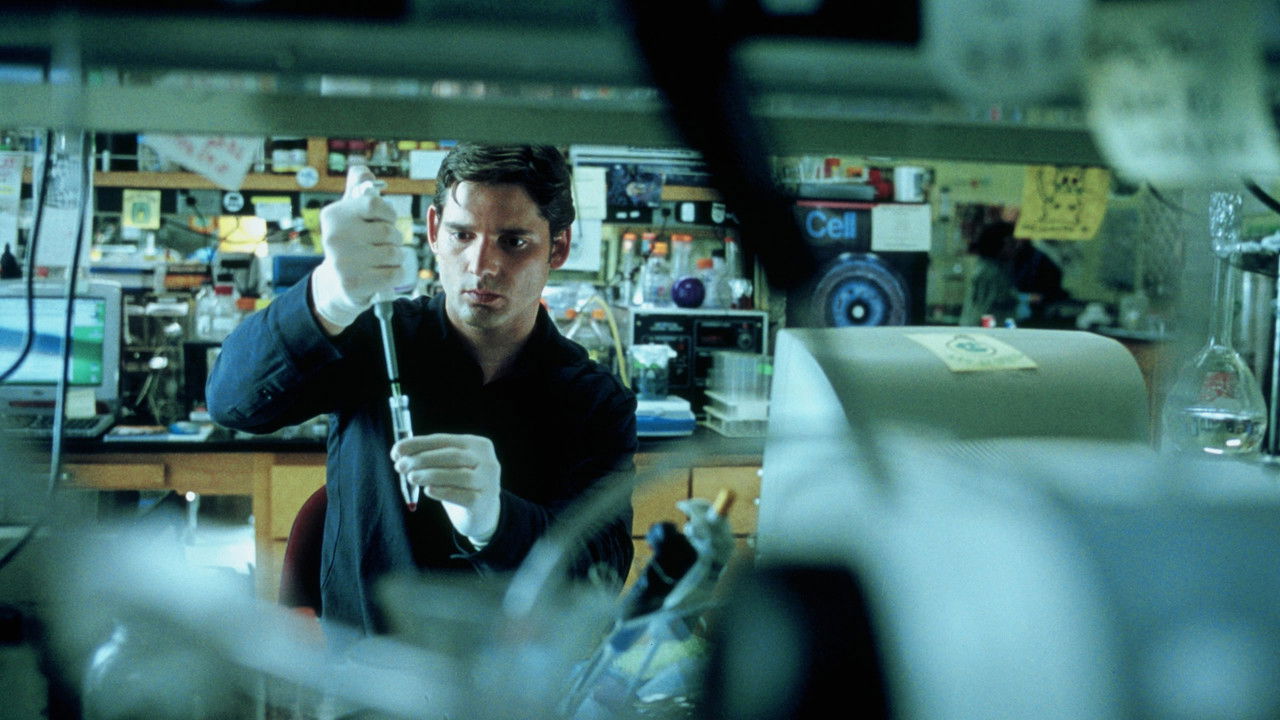
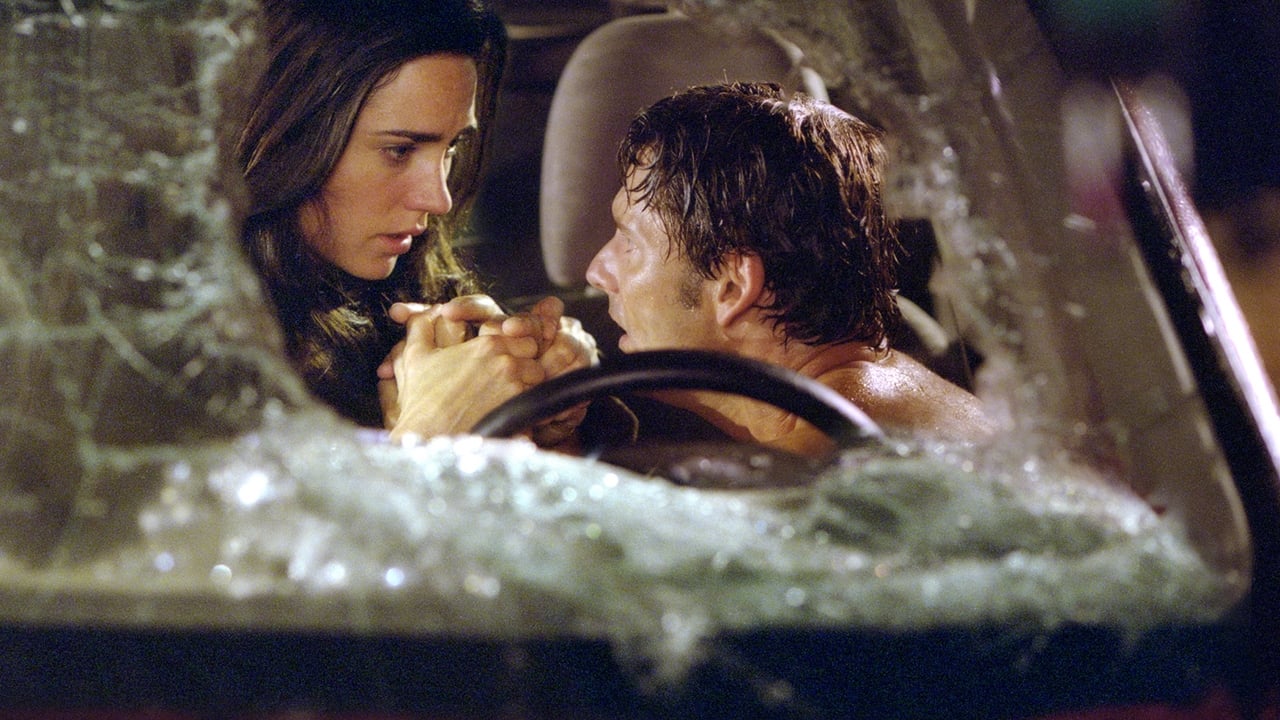
At the center of this green whirlwind is Eric Bana as Bruce Banner. Fresh off his terrifying turn in Chopper, Bana plays Bruce as a man who is essentially a walking bruise—quiet, internalized, and deeply uncomfortable in his own skin. He’s paired with Jennifer Connelly, who was right in the middle of her "soulful scientist" era (just after A Beautiful Mind), playing Betty Ross. Their chemistry isn't exactly explosive; it’s more like two people sharing a very sad library book.
But the real show-stealer—and the source of the film’s cult longevity—is Nick Nolte as Bruce’s father, David Banner. Nolte delivers a performance that can only be described as "King Lear having a nervous breakdown in a Petco." By the time he’s chewing on electrical cables and sending mutated giant poodles to attack his son, you realize this isn't a standard action movie. It’s a Shrek-colored Oedipus Rex. The action choreography reflects this weirdness. The sequence where Hulk fights the aforementioned poodles is famously polarizing, but the desert escape is where the film’s $137 million budget actually screams. Seeing Hulk leap miles across the desert landscape, leaving footprints the size of swimming pools, still carries a sense of weight and scale that modern CGI often loses in its quest for "perfection."
The Gummy Bear in the Room

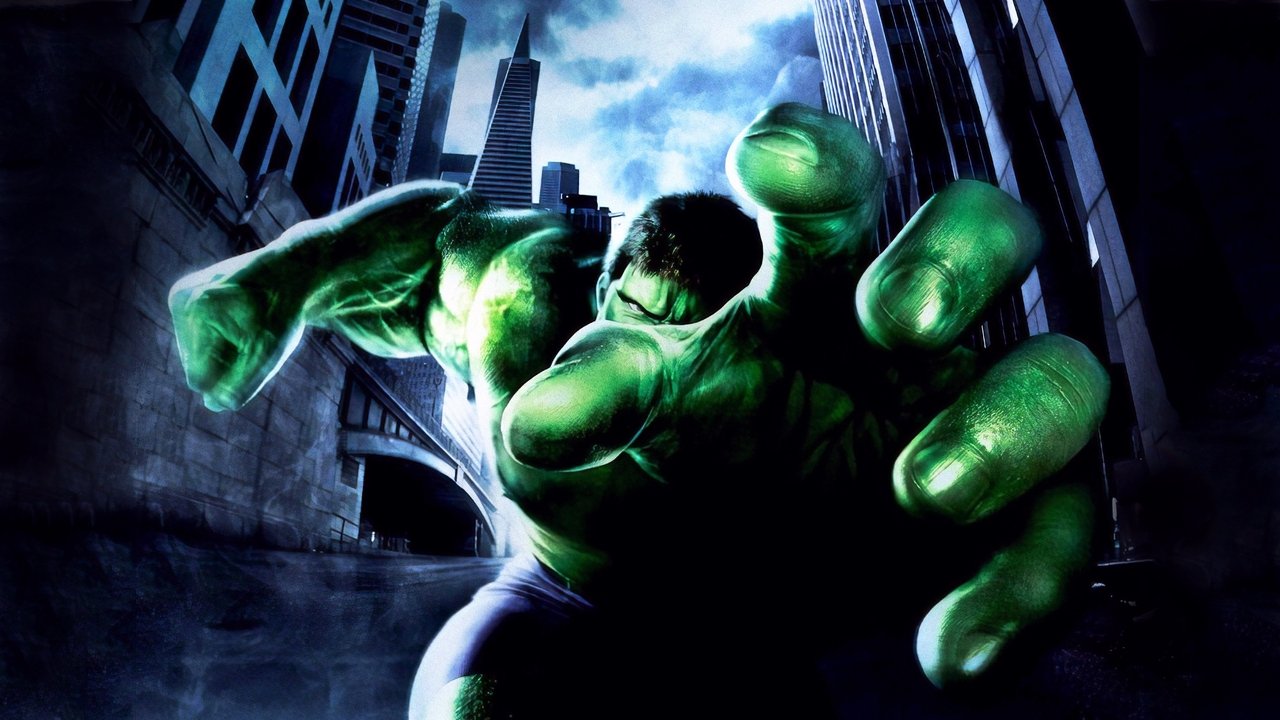
We have to talk about the CGI. Produced by Industrial Light & Magic during the height of the digital revolution, the 2003 Hulk was a massive technical undertaking. Apparently, Ang Lee actually performed the motion capture for the Hulk himself, wanting to ensure the monster’s movements felt more like a pained human and less like a mindless beast. In retrospect, the Hulk looks a bit like a radioactive gummy bear—he’s incredibly bright green and a bit "floaty."
However, there’s a level of detail in the skin-stretching and muscle-bulging that was genuinely groundbreaking for 2003. Unlike the later, more "realistic" versions of the character, this Hulk feels like he belongs in a dreamscape. It was a time of massive experimentation; the DVD era was booming, and I remember spending hours watching the special features on the two-disc set, fascinated by how they tried to map human anatomy onto a ten-foot-tall behemoth. The film doesn't care about "gritty realism"—it wants to be a Greek tragedy told through the lens of a Saturday morning cartoon.
Ang Lee’s Hulk is a fascinating relic of a time when studios were still terrified of—and fascinated by—the potential of comic book IP. It’s overlong, the pacing is occasionally glacial, and the final battle is a literal cloud of confusing CGI energy. But it has a soul. It’s a movie about how our parents' mistakes become our own monsters, and I’d much rather watch a director fail this spectacularly while trying to say something profound than watch a movie that tries to say nothing at all. If you haven't seen it since the Bush administration, give it another look; it’s a beautifully shot, wildly ambitious mess that deserves its status as a misunderstood cult curiosity.
Keep Exploring...
-
The Time Machine
2002
-
AVP: Alien vs. Predator
2004
-
Superman Returns
2006
-

X-Men: The Last Stand
2006
-
Fantastic Four: Rise of the Silver Surfer
2007
-
Babylon A.D.
2008
-
Jumper
2008
-
The Incredible Hulk
2008
-
Gemini Man
2019
-
Small Soldiers
1998
-
Journey to the Center of the Earth
2008
-

Star Wars: The Clone Wars
2008
-
Waterworld
1995
-

G.I. Joe: The Rise of Cobra
2009
-

X-Men Origins: Wolverine
2009
-
TRON: Legacy
2010
-
I Am Number Four
2011
-

Battleship
2012
-
John Carter
2012
-

G.I. Joe: Retaliation
2013