Identity
"The mind is a crowded place to die."
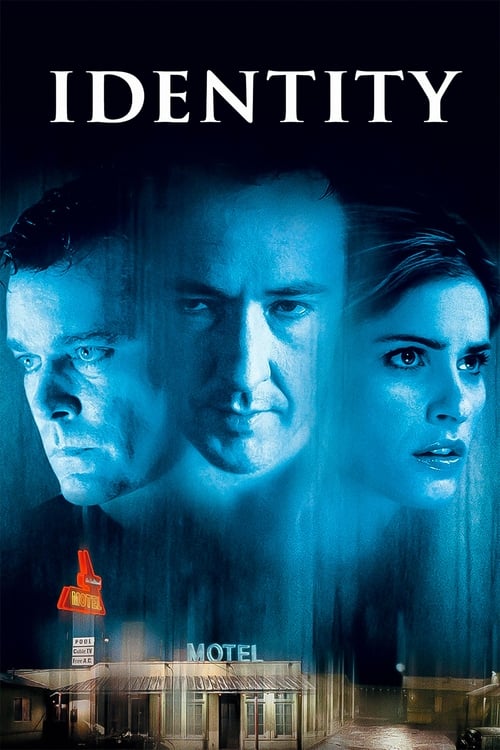
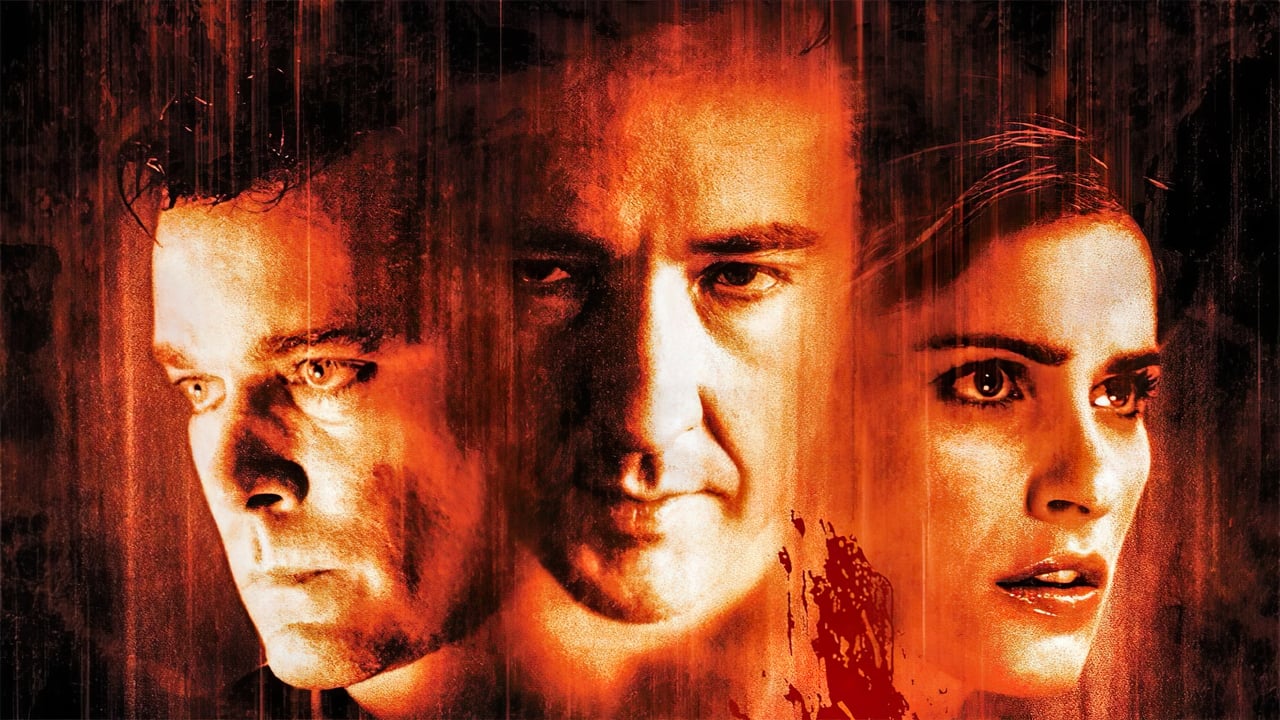
The first thing I always remember about Identity isn't the body count or the big reveal—it’s the sound of the rain. It is a relentless, percussive, grey noise that never stops. In 2003, James Mangold (who would later give us the grit of Logan and the rhythm of Walk the Line) decided to trap ten people in a flooded Nevada motel and let the atmosphere do half the work. I first watched this in my college dorm room, drinking a lukewarm Mountain Dew Code Red, and by the forty-minute mark, I was checking my own closet even though I lived in a space the size of a shoebox.
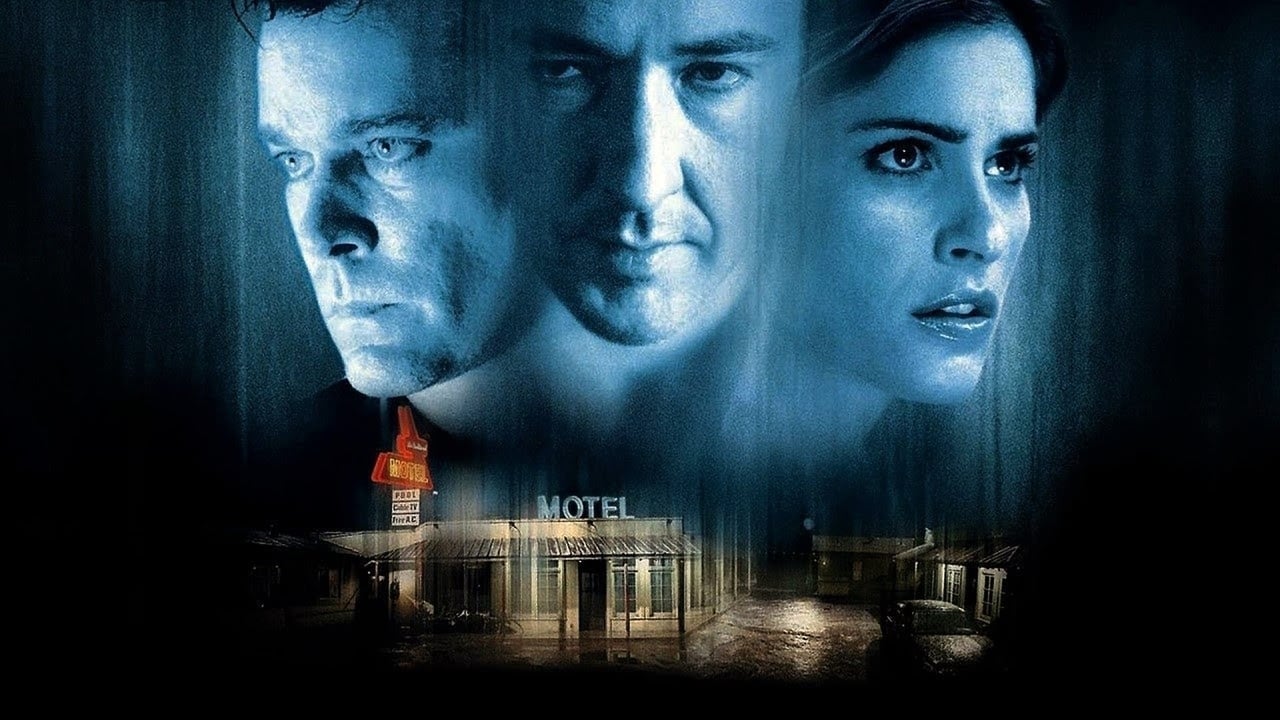
Identity is a film that sits comfortably in that transition era of the early 2000s. It has the high-concept "puzzle box" energy of the post-Memento years, but it’s anchored by a cast of heavy hitters who treat the pulpy material with the gravity of a Shakespearean tragedy. It’s a slasher movie wearing the expensive suit of a psychological drama, and for the most part, the fit is seamless.
Ten Souls in a Sinking Ship
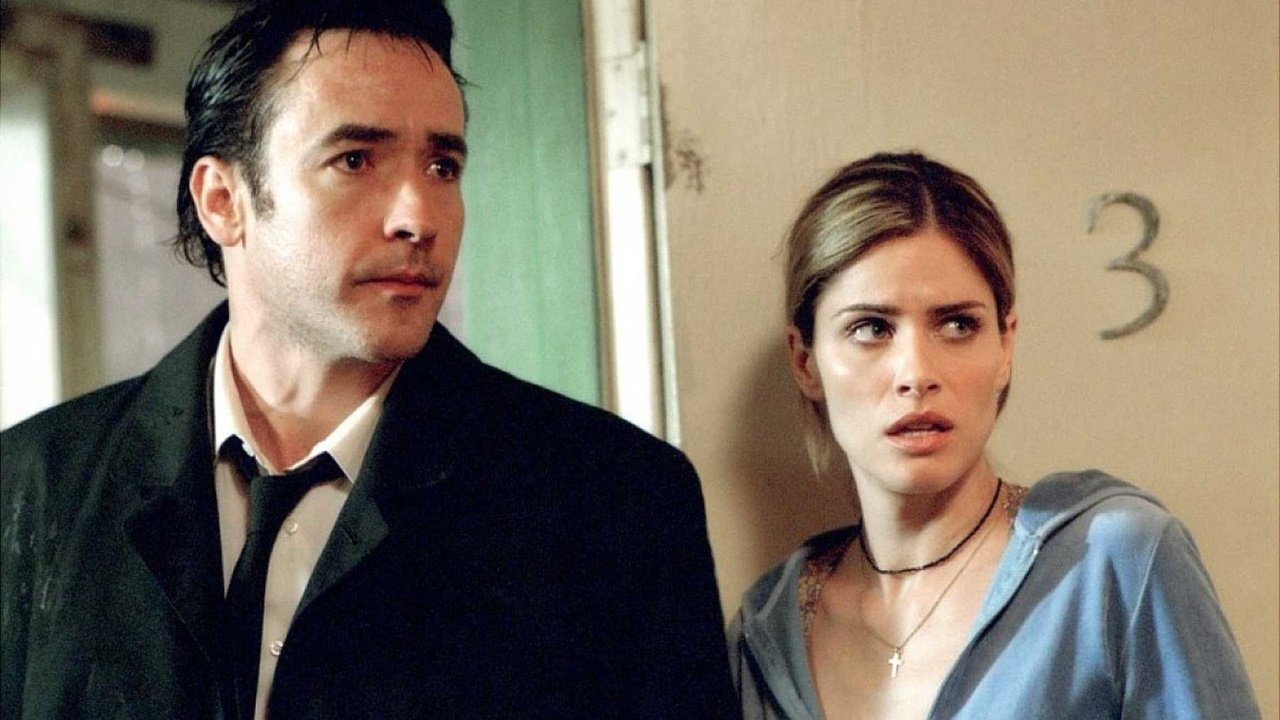
The setup is classic Agatha Christie: a group of strangers, ranging from a limo driver with a past (John Cusack) to a high-strung prostitute looking for a fresh start (Amanda Peet), are forced together by a freak storm. They begin dying in ways that feel increasingly personal and symbolic. Mangold treats the motel like a pressure cooker. The cinematography by Phedon Papamichael leans into the sickly greens and deep shadows that defined the turn of the millennium—think Seven (1995) or The Matrix (1999)—making the set feel like a purgatory where the sun will never rise.
What keeps the film from being a generic "body count" flick is the ensemble. John Cusack plays Ed with a weary, soulful detachment that makes you root for him instantly. Beside him, Ray Liotta (who I still miss dearly) brings that trademarked hair-trigger intensity as Rhodes, a cop transporting a convict (Jake Busey). There’s a specific chemistry between Cusack and Liotta that feels like two different eras of Hollywood colliding—the sensitive 80s lead versus the gritty 90s tough guy.
The drama here isn't just in who is holding the knife, but in the frantic, desperate attempts of these people to find common ground while their numbers dwindle. I remember my left foot falling asleep halfway through because I was sitting on it weirdly, but I refused to move because I was convinced the killer would strike the second I looked away. That’s the kind of tension Mangold builds; it’s an oppressive, physical weight.
The Twist That Divided the Room
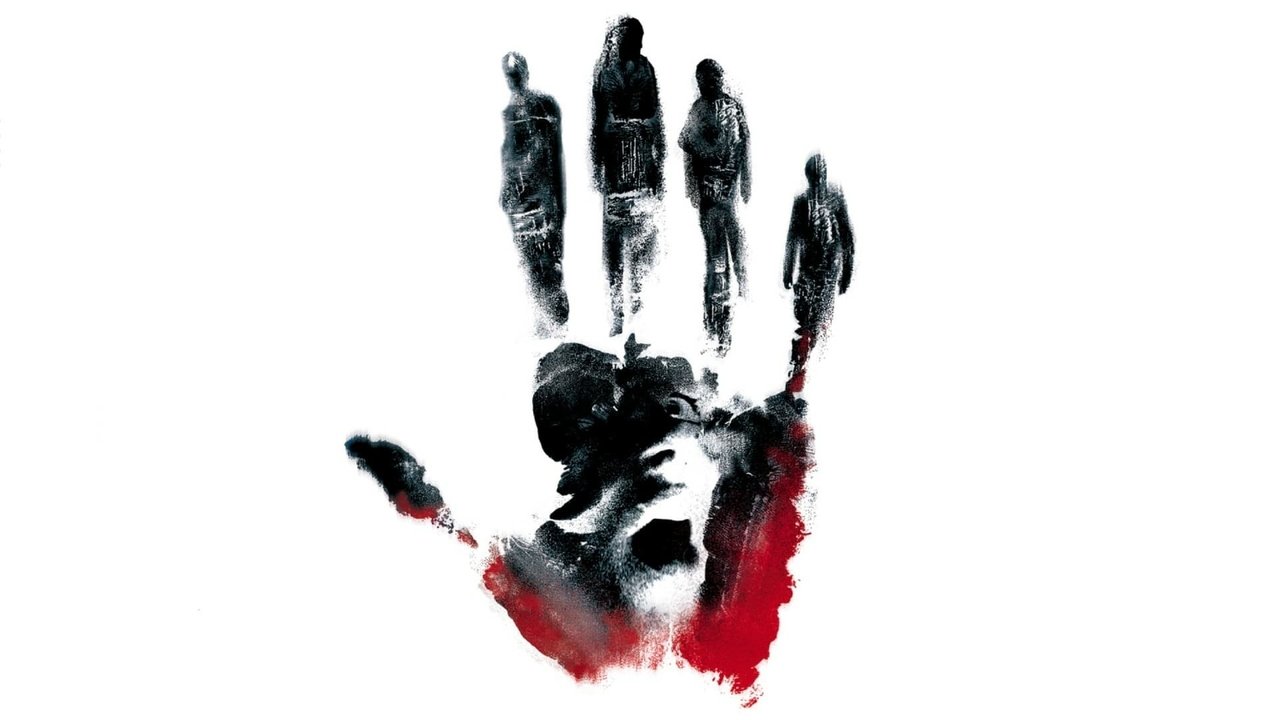
We have to talk about the "thing." You know the one. About halfway through, the film reveals its hand, shifting from a standard slasher into a surreal psychological autopsy. Turns out, screenwriter Michael Cooney wasn’t just writing a mystery; he was writing a map of a fractured mind. The motel isn't just a location; it’s a mental construct for a man (Pruitt Taylor Vince) facing a death penalty hearing overseen by a weary psychiatrist (Alfred Molina).
The reveal is either the smartest thing you’ve ever seen or a middle finger to the entire mystery genre. I’ve spent twenty years vacillating between those two poles. Looking back, the audacity of the script is what makes it a cult favorite. It effectively tells the audience that the rules of physics and logic they’ve been following don't apply, yet it demands you stay emotionally invested in characters who—technically—don't exist. It’s a massive gamble.
The reason it works for me is the performances. Even when the plot goes off the rails into the metaphysical, Amanda Peet and John Hawkes (playing the twitchy motel manager, Larry) keep it grounded in real, human fear. They don't know they're "personalities"; they just know they're scared. This was a peak era for the "Director’s Cut" on DVD, and I remember obsessively watching the alternate endings. Interestingly, the film we got is much darker than the studio originally wanted.
Stuff You Didn't Notice
If you revisit Identity, keep an eye on the birthdays. One of the subtle "glitches in the Matrix" is that every character shares the same birthday: May 10th. It’s a detail I missed the first time because I was too busy trying to figure out if Clea DuVall was going to survive the night.
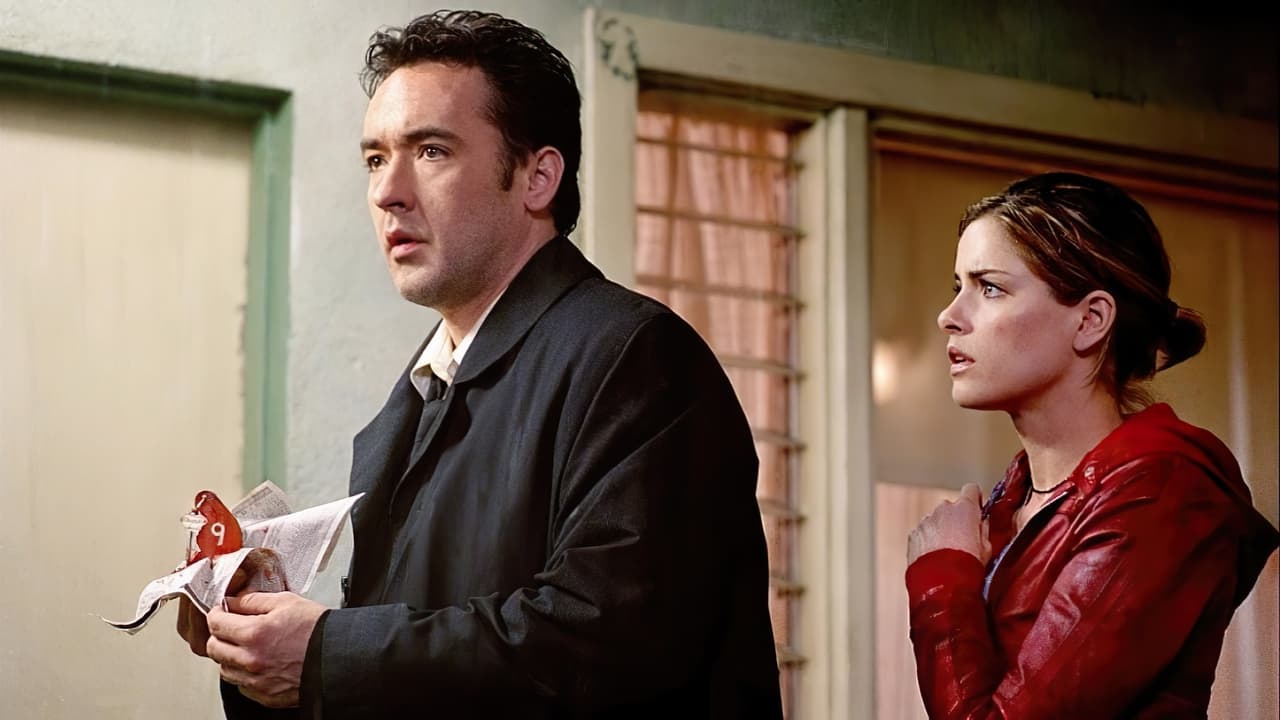
The production itself was a bit of a nightmare. They built the entire motel on a Sony soundstage, and the rain was constant. Apparently, the actors were perpetually damp for months, which James Mangold later said contributed to the genuine irritability and exhaustion you see on screen. Ray Liotta's character always looks like he's one second away from a total meltdown, and knowing he was probably shivering under a fake rain rig for twelve hours a day makes that performance even more relatable.
There’s also the casting of John Hawkes. Before he was an Oscar nominee, he was the king of the "is he or isn't he" creep roles. His work here is a masterclass—wait, I promised no buzzwords—it’s an incredible example of how to play an archetype while winking at the audience.
Identity remains a fascinating artifact of the early 2000s. It’s a film that respects its audience's intelligence while simultaneously pulling the rug out from under them. It captures that post-9/11 anxiety where the world feels claustrophobic, and the person standing next to you might not be who they say they are. While the third-act "true" killer might feel a bit like a gimmick to some, the journey through the rain-soaked Nevada night is too atmospheric to ignore. It’s a dark, intense ride that reminds me why I love the mid-budget thrillers we don't see enough of anymore.
Watching it today, the practical effects and the reliance on shadows over CGI hold up remarkably well. It’s a reminder that a well-crafted set and a group of talented actors in wet clothes can do more for a movie’s tension than a hundred million dollars of digital polish. If you’ve never seen it, turn off the lights, wait for a rainy night, and prepare to be looking over your shoulder for a few hours. Just don’t drop your pizza.
Keep Exploring...
-
Kiss Kiss Bang Bang
2005
-
Lucky Number Slevin
2006
-
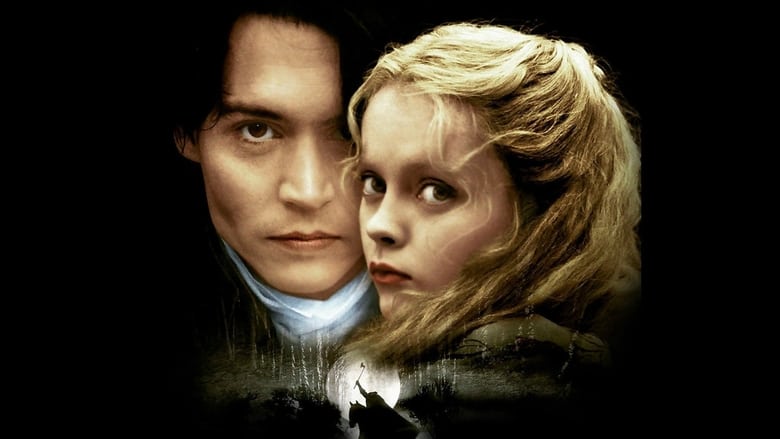
Sleepy Hollow
1999
-

Zodiac
2007
-
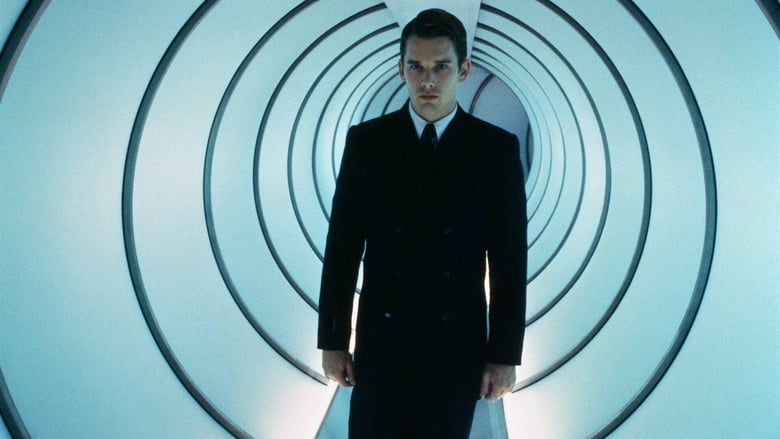
Gattaca
1997
-
Lost Highway
1997
-
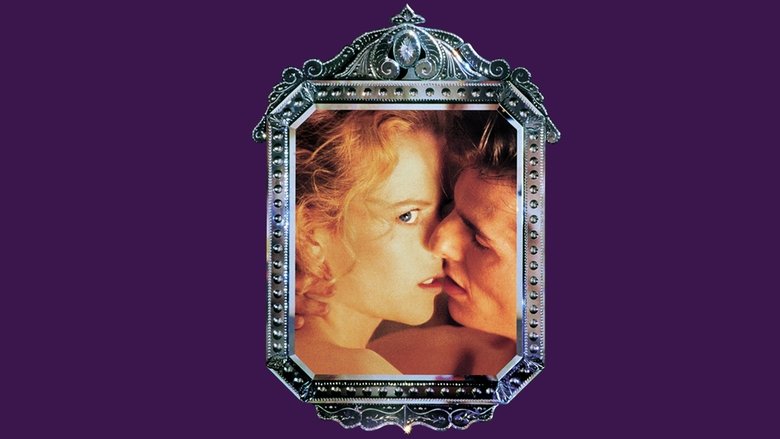
Eyes Wide Shut
1999
-
Eastern Promises
2007
-

The Game
1997
-
Arlington Road
1999
-
The Sixth Sense
1999
-
The Thirteenth Floor
1999
-
Mulholland Drive
2001
-
The Others
2001
-
John Q
2002
-
21 Grams
2003
-

Mystic River
2003
-
The Butterfly Effect
2004
-
Inland Empire
2006
-

The Girl with the Dragon Tattoo
2011