Intolerable Cruelty
"Love is blind, but marriage is an eye-opener."

George Clooney has a specific "comedy face" that he only really uses for the Joel Coen and Ethan Coen. It’s a mix of wide-eyed panic, slick-backed arrogance, and a strange obsession with his own dental hygiene. In Intolerable Cruelty, his teeth are so blindingly white they practically deserve their own SAG card. I remember watching this for the first time on a flight to Chicago while the person next to me was aggressively snoring, and even through the tinny airline headphones, the sharp, rhythmic snap of the dialogue cut through the cabin noise like a razor.
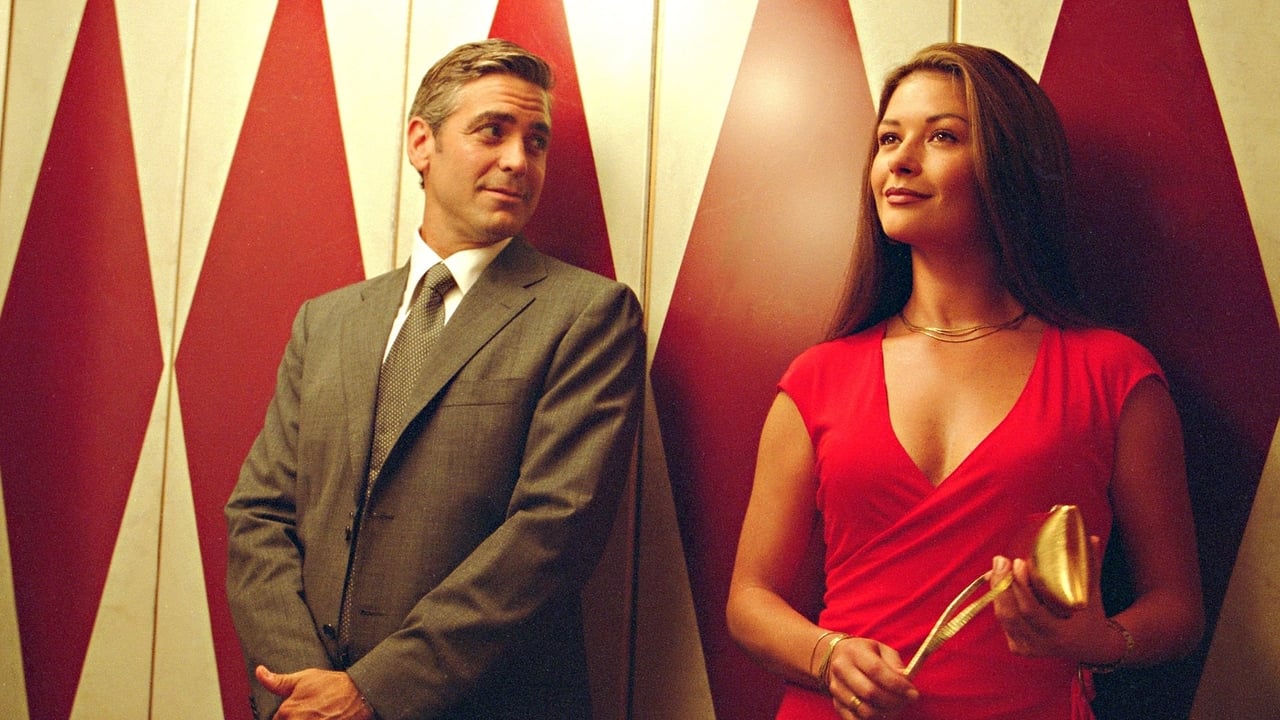
It’s a fascinating outlier in the Coen filmography. Released in 2003, right in that glossy pocket of the early 2000s where every studio comedy looked like it was shot through a gold-tinted filter, Intolerable Cruelty often gets dismissed as the brothers "going Hollywood." After the grit of The Man Who Wasn't There and the folk-odyssey of O Brother, Where Art Thou?, a romantic comedy about Beverly Hills divorce lawyers felt like a sharp left turn into a shopping mall. But looking back at it now, this isn't a sell-out; it’s a subversion.
A Screwball Comedy for Cynics
The film is essentially a 1930s screwball comedy trapped in the body of a 2000s legal thriller. George Clooney plays Miles Massey, a man who has reached the top of the divorce-lawyer mountain and found it remarkably boring. He’s invented the "Massey Pre-nuptial," a contract so ironclad it’s basically a death sentence for alimony seekers. Enter Marilyn Rexroth, played by Catherine Zeta-Jones with a lethal, feline grace. She’s a professional gold digger who has just been burned by Miles in court, and she decides that the best way to get her revenge is to make Miles fall in love with her.
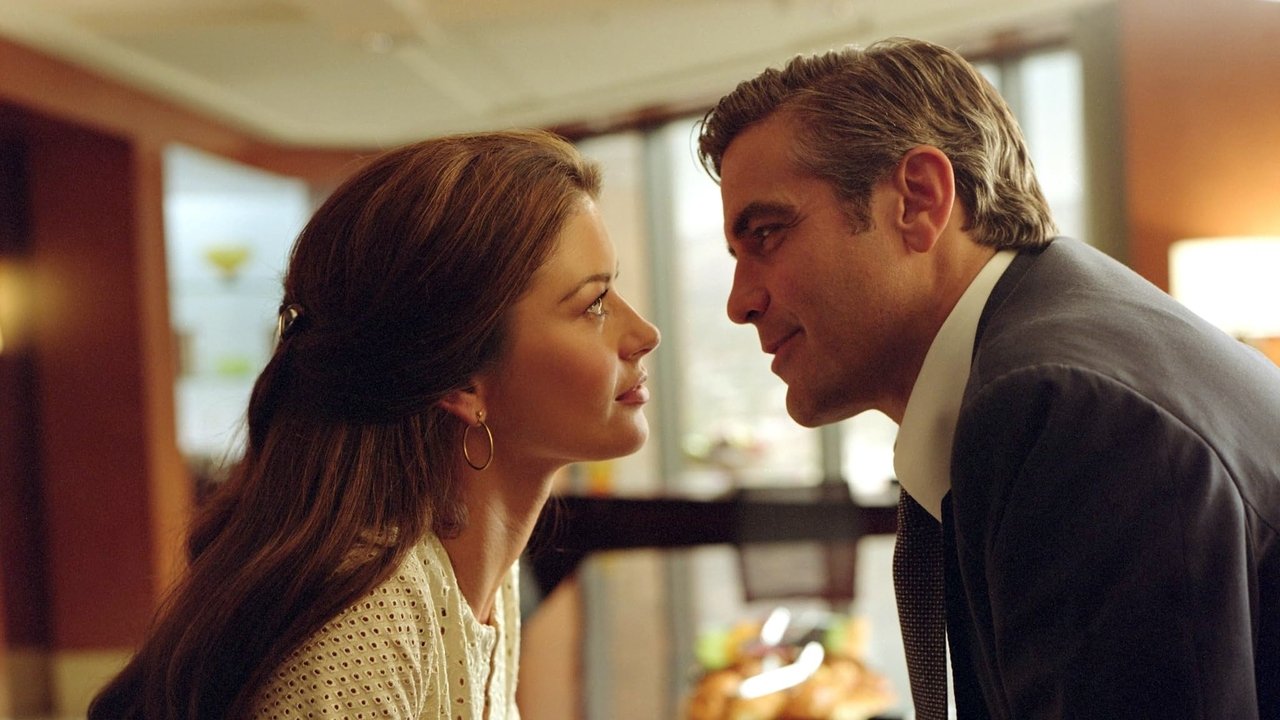
The chemistry here isn't warm or fuzzy; it’s combative. They don't gaze into each other's eyes; they scout for weaknesses. Catherine Zeta-Jones was at the absolute height of her powers here, fresh off her Oscar win for Chicago, and she plays Marilyn as a woman who treats romance like a high-stakes poker game. Watching her and George Clooney trade barbs is a masterclass in comedic timing. They talk at each other with the speed of a ping-pong match, a hallmark of the Coen brothers’ writing that pays homage to the likes of Howard Hawks and Preston Sturges.
The Art of the Caricature

What makes the film work, and what keeps it from being just another disposable rom-com, is the surrounding cast of weirdos. The Coens populate their version of Los Angeles with grotesque, hilarious caricatures. Geoffrey Rush opens the film as a frantic, ponytail-sporting TV producer in a scene that feels like a standalone short film. Then there’s Cedric the Entertainer as Gus Petch, a private investigator whose catchphrase "I’m gonna nail 'em!" becomes a rhythmic beat throughout the story.
The late Edward Herrmann is equally brilliant as the billionaire Rex Rexroth, a man whose love for his trains is almost as great as his inability to keep his pants on. Even the minor roles, like Paul Adelstein as Miles’ neurotic assistant Wrigley, feel lived-in and specific. The film treats the legal profession as a theater of the absurd. It’s the cinematic equivalent of a high-end divorce settlement—expensive, slightly cruel, and undeniably satisfying.
Looking back at the production, it’s interesting to note that this was one of the few Coen projects that began as a "work-for-hire" script. They polished a screenplay that had been floating around Universal for years—at one point, it was even a vehicle for Julia Roberts and Richard Gere. You can feel that DNA; it’s structured more traditionally than The Big Lebowski, but the Coen’s fingerprints are everywhere, from the eccentric dialogue to the way the camera lingers just a second too long on a character’s confused expression.
Why It Got Lost in the Shuffle

Why don't we talk about Intolerable Cruelty as much as Fargo? Part of it is the era. 2003 was a transitional year. We were moving away from the gritty indie explosion of the 90s and into a period of slick, corporate comedies. The film's aesthetic—saturated colors, high-fashion costumes, and pristine sets—can make it feel a bit "plastic" to those who prefer the Coens’ more textured, earthy works. It also lacks the overt philosophical weight of their later films like No Country for Old Men.
However, that "plasticity" is the point. The film is a satire of a world where everything, including love and marriage, is a commodity to be traded, insured, and litigated. The DVD culture of the time actually helped this film's legacy; the special features revealed how much work went into crafting the hyper-real version of Beverly Hills. It’s a movie that rewards rewatching because the jokes are buried in the density of the language.
Is it a "minor" Coen brother's work? Perhaps. But a minor work by the Coens is still more intelligent and stylish than 90% of the comedies released in the last twenty years. It’s a film that understands that romance is just a series of tactical errors followed by a surrender.
While it may not have the cult status of their more eccentric hits, Intolerable Cruelty is a sharp, venomous, and stylish piece of entertainment. It captures a specific moment in the early 2000s when movie stars were still allowed to be glamorous and mean to each other on a grand scale. If you haven't revisited it since the days of physical DVD rentals, it’s well worth a look. Just watch out for Miles Massey’s teeth—they’re sharper than they look.

Keep Exploring...
-
The Ladykillers
2004
-
Out of Sight
1998
-
Burn After Reading
2008
-
O Brother, Where Art Thou?
2000
-

The Mexican
2001
-

Heartbreakers
2001
-
Confessions of a Dangerous Mind
2002
-
The Man Who Wasn't There
2001
-
America's Sweethearts
2001
-

Bandits
2001
-

Rumor Has It...
2005
-
I Love You Phillip Morris
2010
-

Practical Magic
1998
-
Six Days Seven Nights
1998
-
Blue Streak
1999
-

Alfie
2004
-
Elizabethtown
2005
-

Failure to Launch
2006
-

You, Me and Dupree
2006
-

The Heartbreak Kid
2007