Johnny English
"Incompetence is his only secret weapon."
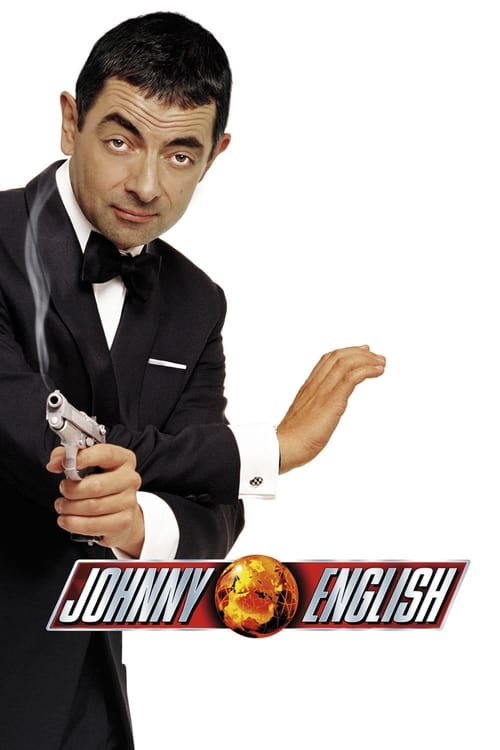
The Spy Who Smattered Me
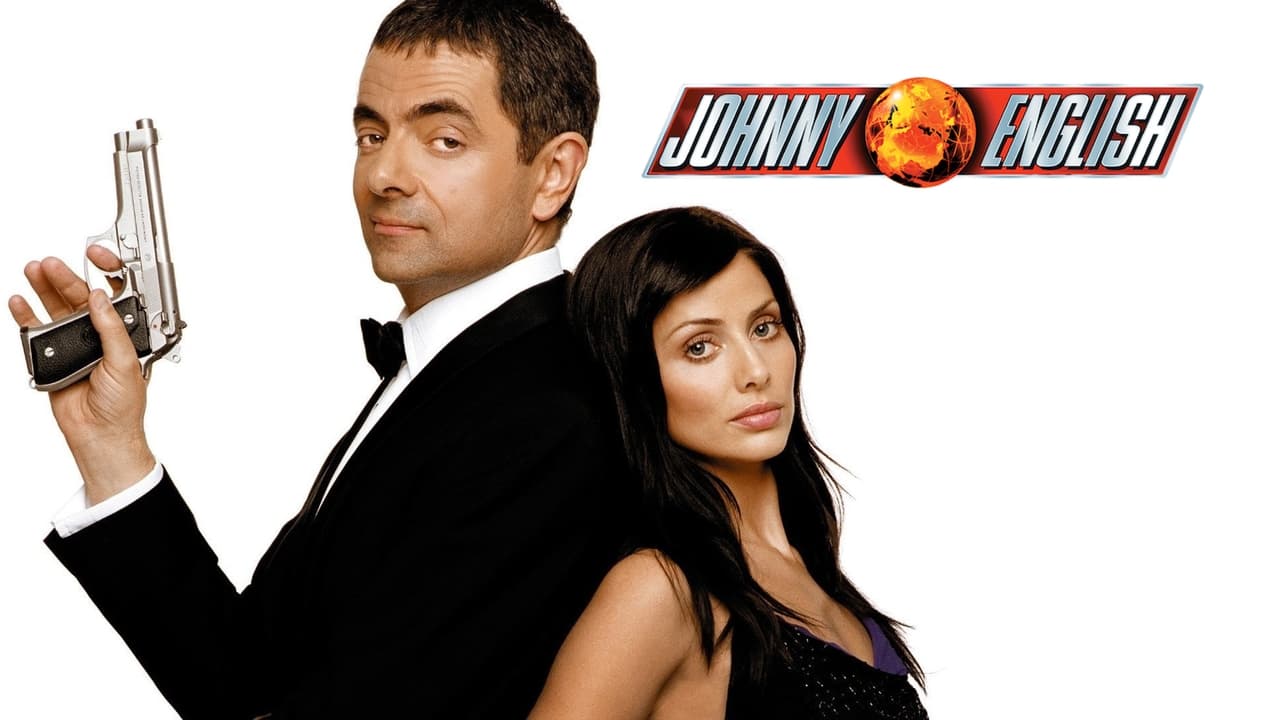
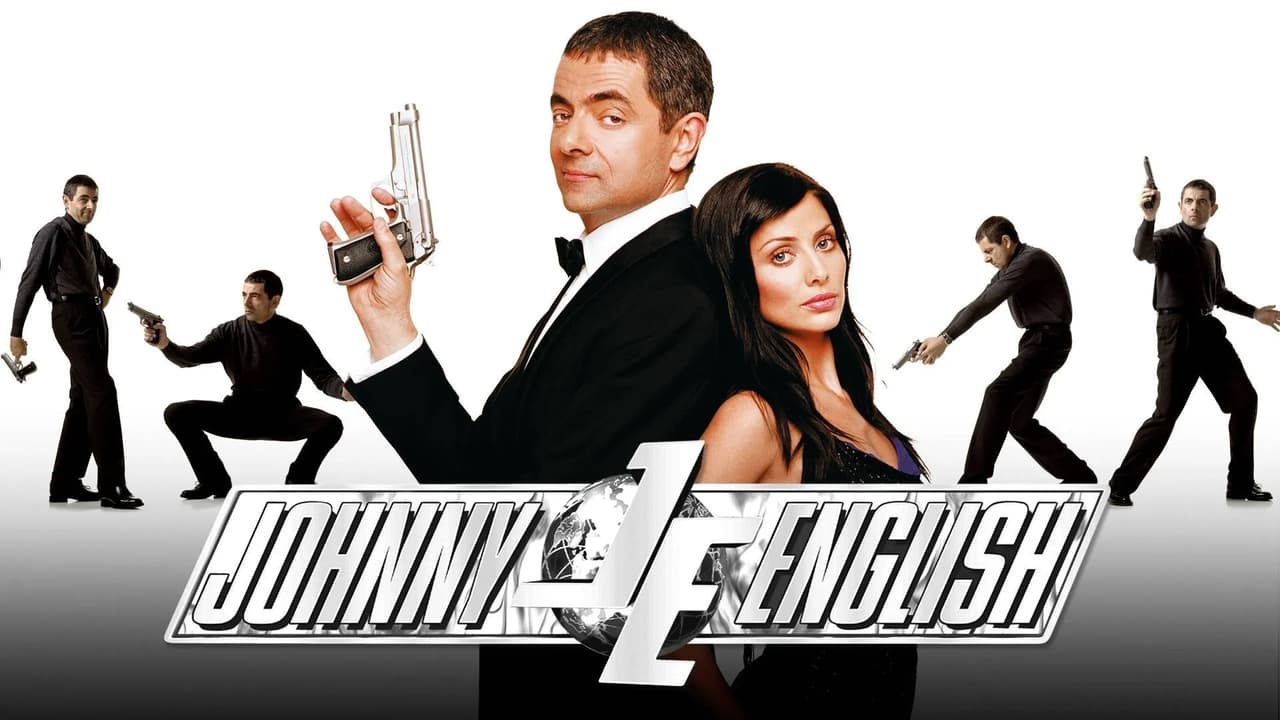
There is a specific, cringe-inducing joy in watching a man confidently walk into the wrong room, and Rowan Atkinson has turned that into a high art form. I remember seeing Johnny English in a half-empty theater back in 2003 while wearing a fleece vest that I thought made me look "outdoorsy," but actually just made me look like a lost geographer. I was eating a slightly stale Digestive biscuit I’d smuggled in, which felt appropriately British for the occasion. Looking back, this film arrived at a very specific crossroads in cinema history: the transition from the gadget-heavy, campy excess of the Pierce Brosnan Bond era to the gritty, "parkour-and-pain" realism of Bourne and Casino Royale.
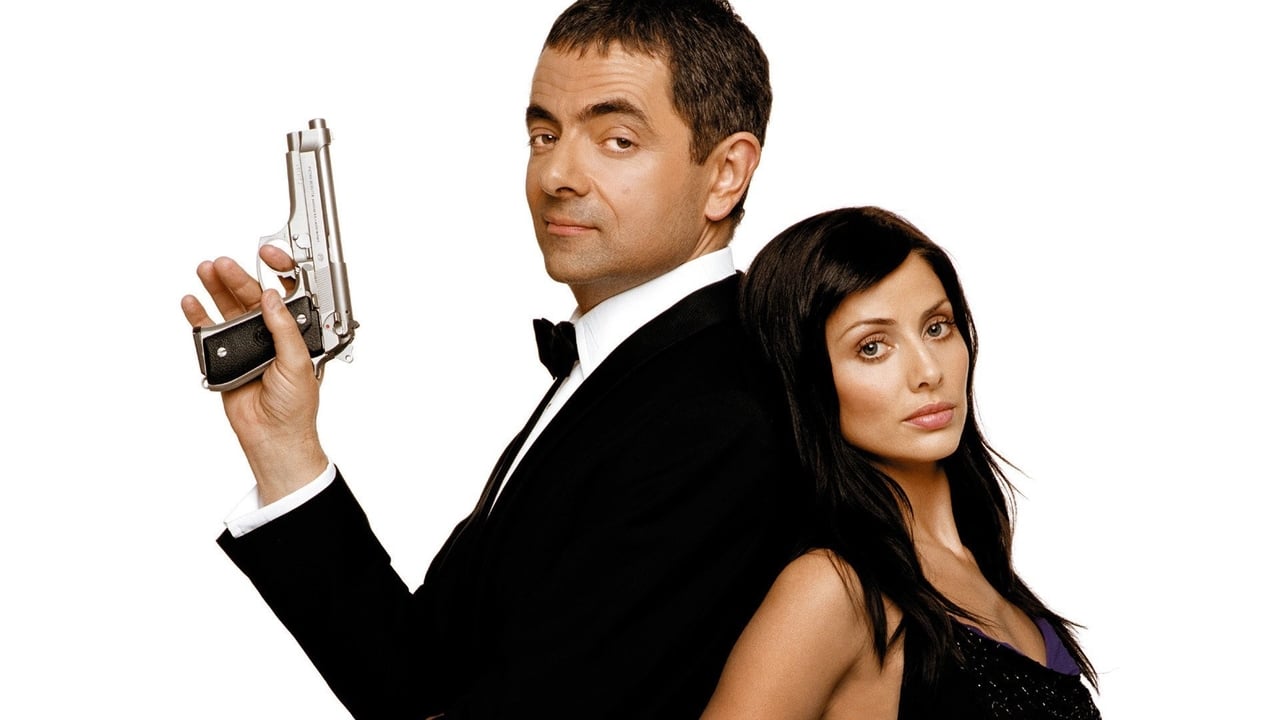
Johnny English is essentially the last gasp of the "silly" spy blockbuster before everything got very serious and gray. It’s a film that knows exactly what it is—a vehicle for Atkinson’s rubber-faced physical comedy—and it leans into that with the grace of a man slipping on a banana peel. The premise is brilliantly efficient: every competent agent in MI7 is killed in a single explosion (caused, naturally, by English’s own negligence at a funeral), leaving the country’s national security in the hands of a man who couldn’t find his own backside with a GPS and a flashlight.
Bond Pedigree and French Villains
What gives Johnny English its weight—and why it actually works as an action movie—is the production's proximity to the real 007. The screenplay was co-written by Neal Purvis and Robert Wade, the same duo responsible for scripting every Bond film from The World Is Not Enough to No Time to Die. Because the writers knew the tropes so intimately, the parody feels surgical rather than broad. When English jumps from a building or engages in a high-speed chase, the cinematography by Remi Adefarasin actually treats it like a legitimate action set piece. It doesn’t look like a cheap spoof; it looks like a $40 million movie that just happens to have an idiot in the center of the frame.
Then there’s John Malkovich. His performance as the villainous Pascal Sauvage is one of the most baffling and delightful choices of the early 2000s. Malkovich leans so hard into a thick, cartoonish French accent that it’s a miracle the scenery survived the filming without being chewed into splinters. He plays a billionaire entrepreneur who wants to turn England into the world’s largest prison, and he does it with a sneer that suggests he’s constantly smelling a particularly pungent Brie. Watching him square off against Atkinson is like watching a Shakespearean actor try to maintain his dignity while being pelted with wet marshmallows.
Practical Stunts and Digital Infancy
In 2003, we were in the wild west of CGI. You can see it in some of the green-screen work during the car chases, which hasn’t aged nearly as well as the practical stunts. However, the film shines when it stays grounded in physical reality. There’s a standout sequence involving English breaking into Sauvage’s headquarters via a literal "poop chute," only to realize he’s climbed up the wrong tower—a hospital. Watching him try to maintain a "super-spy" persona while covered in medical waste and threatening a doctor with a toy gun is peak Atkinson.
The action choreography handles the "action-comedy" balance better than most. Most spoofs make the hero a lucky bumbler, but English is something more specific: he’s a man who is technically trained but suffers from a catastrophic lack of situational awareness. He’s the guy who does the right thing at the exactly wrong moment. This is perfectly balanced by Ben Miller as Bough, the long-suffering sidekick. Miller is the MVP here, playing the "straight man" with such earnest devotion that you almost believe he thinks English is a genius. Their chemistry provides the film's heartbeat, preventing it from becoming just a series of disconnected sketches.
The $160 Million Underdog
By the time the credits roll to the tune of Robbie Williams’ "A Man for All Seasons," it’s easy to see why this became a massive commercial success. It grossed over $160 million worldwide—a staggering return for a comedy. It captured that "DVD culture" era perfectly; I know dozen of people who owned the disc just for the deleted scenes and the "spy training" featurettes. It was a global hit because slapstick is a universal language. You don't need a deep understanding of British geopolitics to find it funny when a man accidentally tranquilizes himself in the butt.
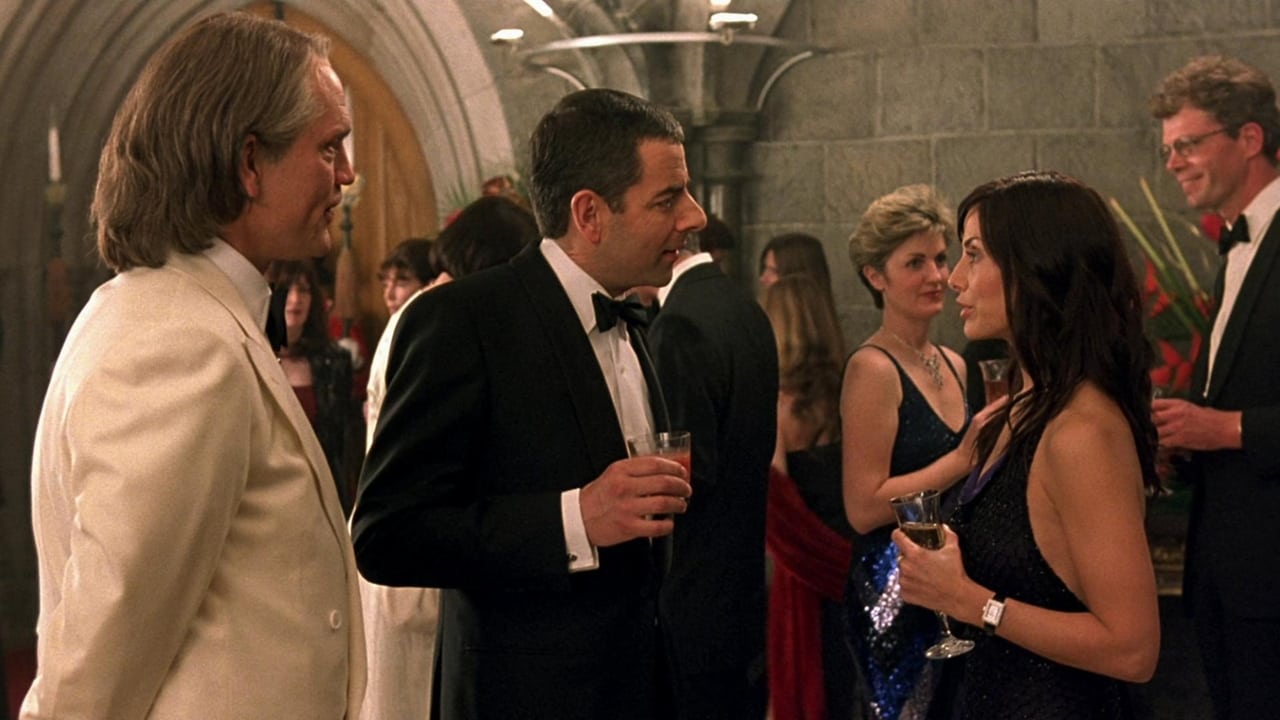
While Natalie Imbruglia (fresh off her "Torn" pop stardom) does an admirable job as the "real" agent Lorna Campbell, she’s mostly there to provide a contrast to the chaos. The film belongs to the DB7 Vantage—which Atkinson actually owned and insisted on using—and the relentless commitment to the bit. It’s a time capsule of an era where we still wanted our spies to have gadgets and Aston Martins, even if those spies were prone to getting their ties caught in a scanner.
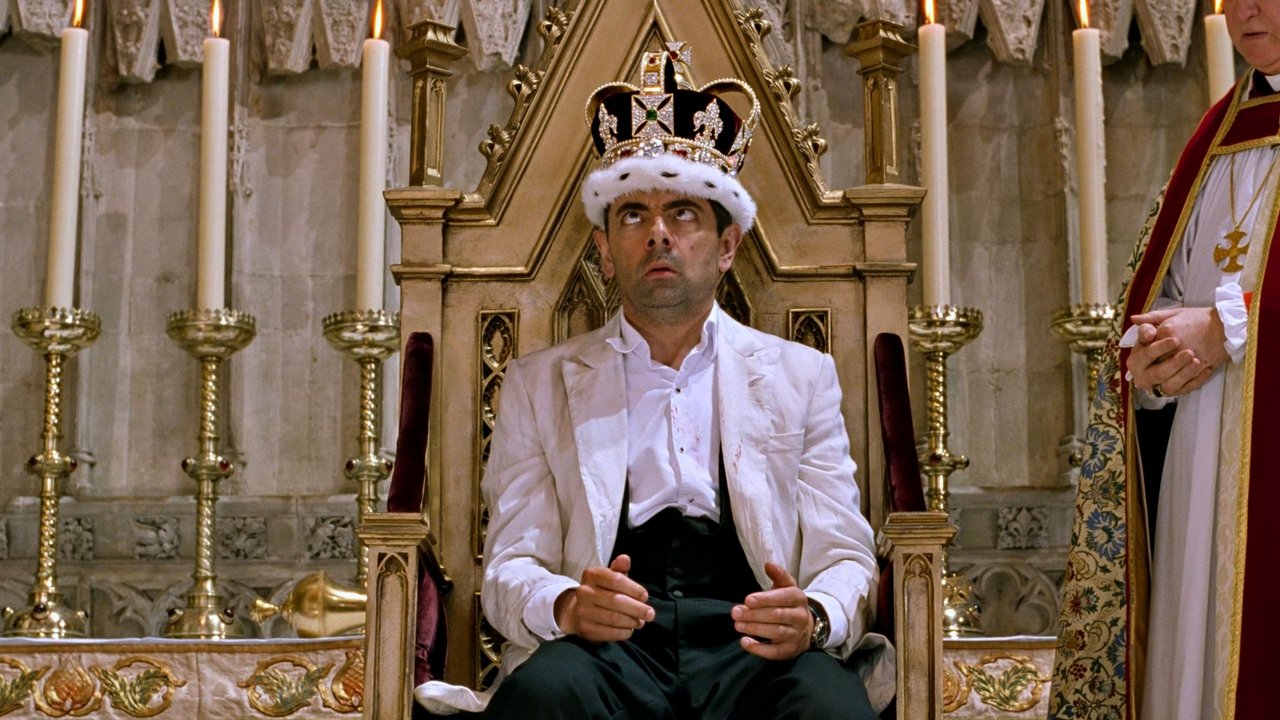
Johnny English is a rare example of a parody that respects its source material enough to mimic its scale while ruthlessly mocking its ego. It’s not a "prestige" film, but it is a masterclass in comic timing from one of the greatest physical comedians to ever do it. If you haven’t revisited it since the days of dial-up internet, it’s worth a look—if only to see John Malkovich try to become the King of England while wearing a very silly hat. It’s lean, it’s loud, and it’s unapologetically ridiculous. Sometimes, that’s exactly what the secret service needs.
Keep Exploring...
-

Johnny English Strikes Again
2018
-
Johnny English Reborn
2011
-
Spy Kids
2001
-
Spy Kids 2: The Island of Lost Dreams
2002
-

Night at the Museum
2006
-

Wild Hogs
2007
-
Bean
1997
-

RED
2010
-
Bird on a Wire
1990
-
Teenage Mutant Ninja Turtles
1990
-
The Three Musketeers
1993
-
Men in Black
1997
-

Taxi
1998
-
Taxi 2
2000
-
Team America: World Police
2004
-
The Brothers Grimm
2005
-
OSS 117: Cairo, Nest of Spies
2006
-
Journey to the Center of the Earth
2008
-

Puss in Boots
2011
-
Teenage Mutant Ninja Turtles
2014