Kill Bill: Vol. 1
"A blood-spattered neon odyssey that redefined revenge through a jagged, hyper-stylized lens."
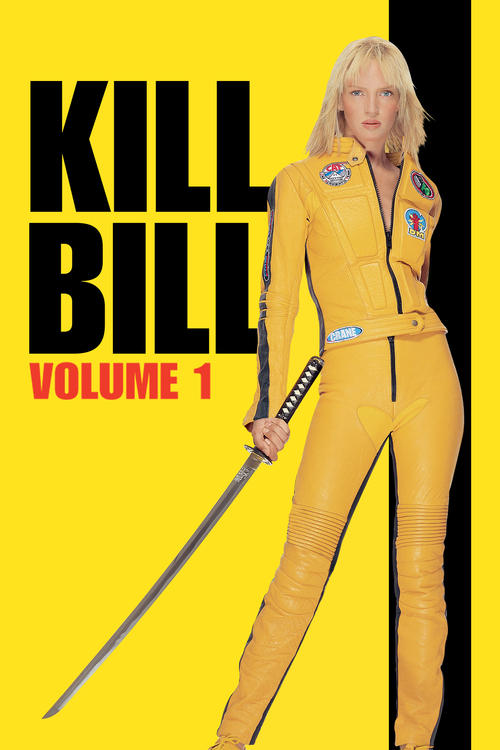
I remember the first time I sat down with Kill Bill: Vol. 1. I was sitting on a sagging beanbag chair, nursing a lukewarm Dr. Pepper and ignoring a stack of laundry that desperately needed folding. From the moment the Shaw Brothers logo flickered onto the screen, accompanied by that gritty, vintage crackle, the laundry didn’t stand a chance. Quentin Tarantino didn’t just make a movie; he built a shrine to every scratched-up grindhouse reel and samurai epic he’d ever obsessed over. Looking back from our era of polished, algorithmic blockbusters, Vol. 1 feels like a glorious, jagged anomaly—a $30 million experimental art film disguised as a mainstream action juggernaut.

The Blood-Soaked Symphony
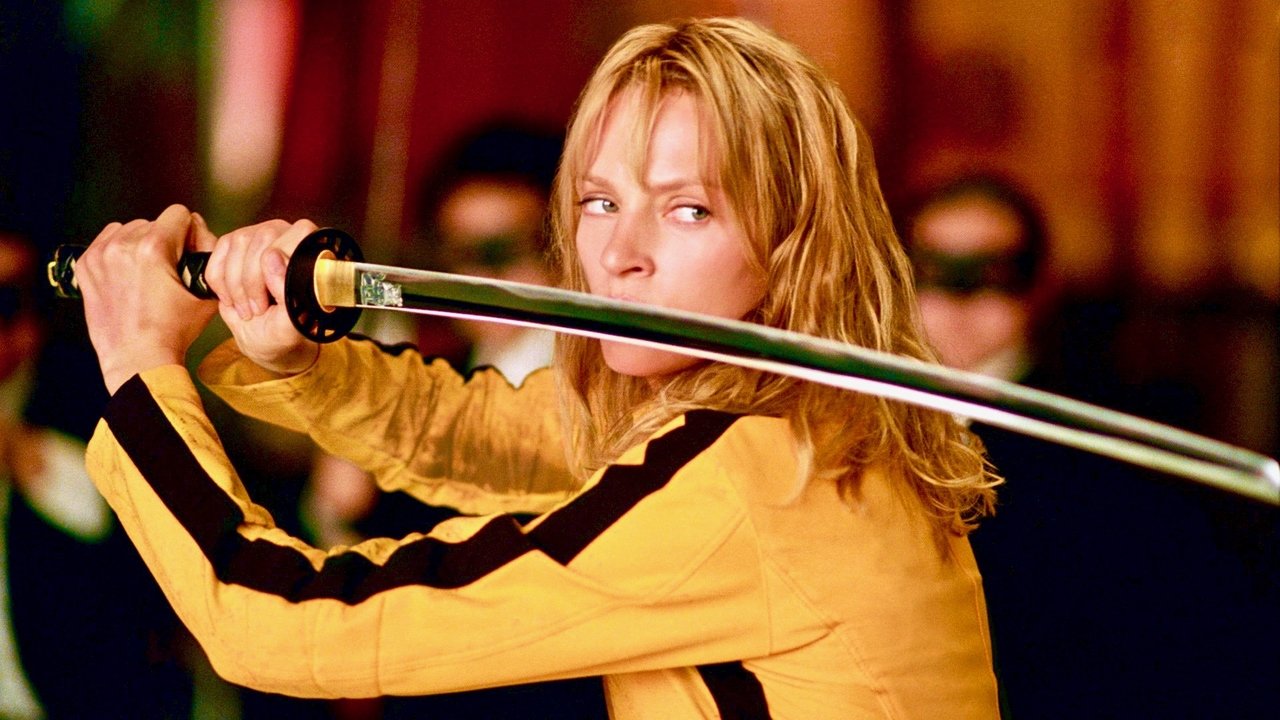
Action films often struggle with "the lull"—those moments between fights where the energy dips. But here, the momentum is a living thing. The choreography isn't just about who hits whom; it’s about the rhythm of the blade. Uma Thurman, as The Bride, carries an intensity that feels almost frighteningly real. When she’s trapped in that hospital bed, staring at her big toe and demanding it wiggle, you feel the sheer, agonizing weight of her trauma. It’s dark, it’s heavy, and it grounds the cartoonish heights of the later sequences in a very human desperation.
The centerpiece, of course, is the House of Blue Leaves. This wasn't just a set piece; it was an architectural marvel of carnage. Tarantino famously refused to use digital blood, opting instead for "Condom-Squibs" and Chinese-style blood bags that sprayed with the pressurized enthusiasm of a garden hose. This commitment to practical effects gives the violence a physical presence that modern CGI just can't replicate. You can practically feel the wetness of the floor. Choreographed by the legendary Yuen Woo-ping (the man who taught Neo how to move in The Matrix), the fight against the Crazy 88 is a masterclass in spatial awareness. Even when the screen is a chaotic blur of black suits and gleaming steel, I always knew exactly where the Bride was and exactly how much trouble she was in.
The Miramax Gamble and the DVD Boom
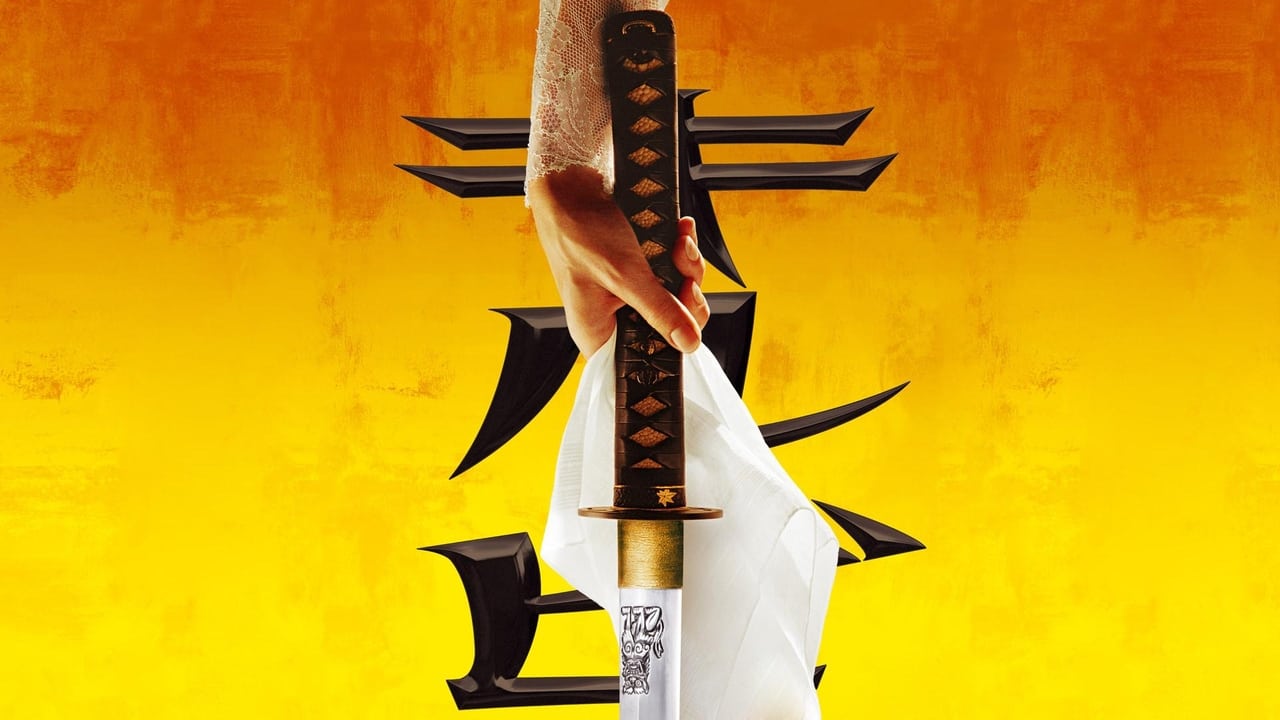
We have to talk about the "Split." Originally intended as a single, massive epic, the decision by Harvey Weinstein and the team at Miramax to cut the film in two was a massive industry gamble. It essentially doubled the profit potential, turning a $30 million investment into a combined $330 million global haul. Looking back, this was essentially a high-level heist, tricking us into paying twice for one story, but the cultural impact justified the price of admission.
This film also landed right at the peak of DVD culture. I remember pouring over the special features, learning how Robert Richardson (the cinematographer behind Platoon and Casino) used high-contrast lighting to make the yellow tracksuit pop against the blue-shadowed sets. The DVD allowed us to frame-step through the references—spotting the nods to Lady Snowblood or the precise moment Sonny Chiba’s Hattori Hanzo transcends being a mere cameo to become a bridge to cinema history. Kill Bill didn't just entertain; it educated a generation of fans on the deep cuts of international film.
Snow, Steel, and the Silence of the Kill
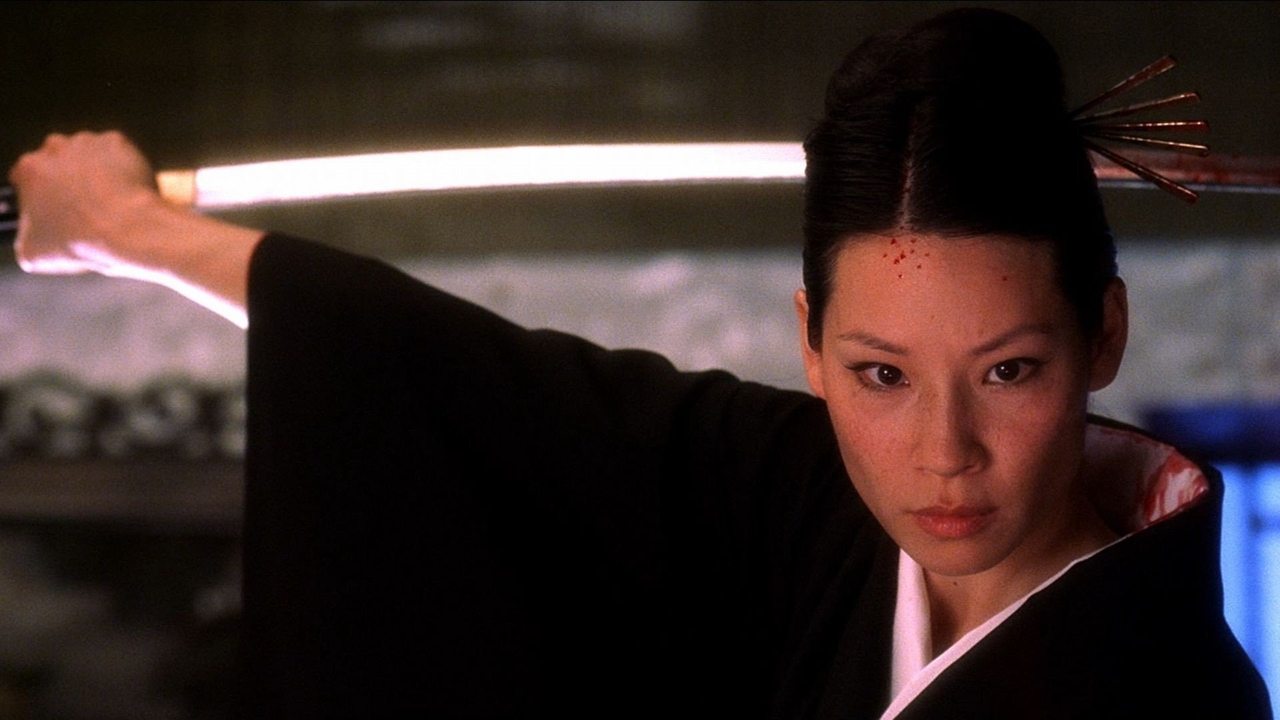
While the film is loud, its most impactful moments are the quiet ones. The final duel in the snow between the Bride and Lucy Liu’s O-Ren Ishii is a hauntingly beautiful contrast to the frantic slaughter that precedes it. The sound design here is impeccable—the rhythmic clack of the bamboo water spout, the soft crunch of snow under sandals. Lucy Liu delivers a performance of chilling, regal grace; she isn't a "boss" at the end of a video game level, but a tragic mirror to the Bride’s own journey of loss and power.
The RZA’s score acts as the heartbeat of the film, blending spaghetti western whistles with hip-hop beats in a way that shouldn't work but somehow defines the entire aesthetic. It’s a collision of cultures that feels uniquely "2003"—a time when the internet was starting to make the world smaller, allowing a director from Video Archives in Manhattan Beach to remix the entire planet’s cinematic output into something fresh and ferocious. The Bride is essentially a high-functioning slasher villain we’re just supposed to like because she has a cool theme song, and honestly? It works every single time.
Kill Bill: Vol. 1 remains a towering achievement of style over substance—where the style itself becomes the substance. It is a relentless, punishing, and beautiful piece of work that reminds us why we go to the movies: to see things we’ve never seen, done in ways we never imagined. Even twenty years later, the edge of this blade hasn't dulled a bit.

Keep Exploring...
-

Kill Bill: Vol. 2
2004
-

Kill Bill: The Whole Bloody Affair
2011
-
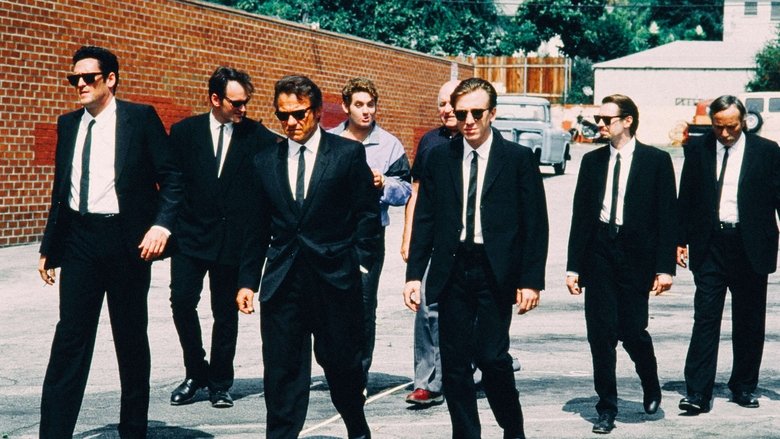
Reservoir Dogs
1992
-

Jackie Brown
1997
-

Pulp Fiction
1994
-
The Fast and the Furious
2001
-
True Romance
1993
-
From Dusk Till Dawn
1996
-
Face/Off
1997
-
The Boondock Saints
1999
-
Training Day
2001
-
Chicago
2002
-
Sin City
2005
-
Undisputed II: Last Man Standing
2006
-
United 93
2006
-
Fast Five
2011
-

The Equalizer
2014
-
Rush Hour
1998
-

The Negotiator
1998
-
Infernal Affairs
2002