Lara Croft: Tomb Raider - The Cradle of Life
"More grit, better gadgets, and one legendary shark punch."
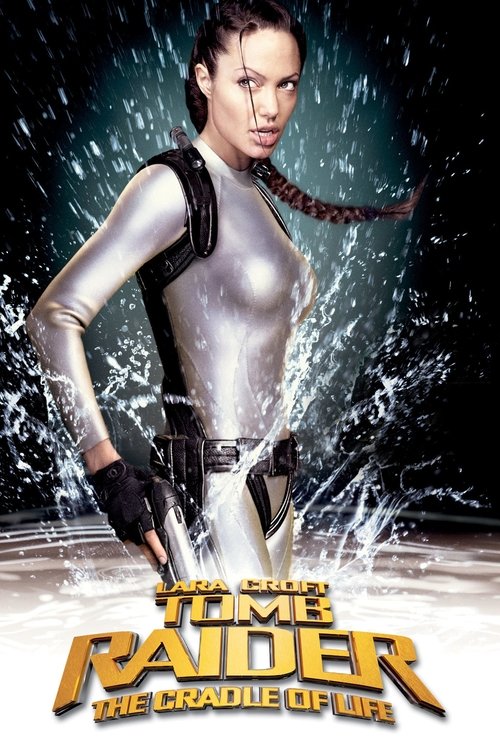
The image of Angelina Jolie punching a great white shark square in the nose is the kind of cinematic core memory that defines the early 2000s. It’s absurd, it’s physically impossible, and it’s executed with such unwavering sincerity that you can’t help but respect it. While the 2001 original movie felt like a music video in search of a plot, Lara Croft: Tomb Raider – The Cradle of Life arrived two years later with a much clearer mission: to actually be a movie. It’s a sequel that functions as a corrective measure, trading the stiff, studio-bound gloss of the first film for sprawling locations, better chemistry, and a director who actually understands how to film a chase scene.
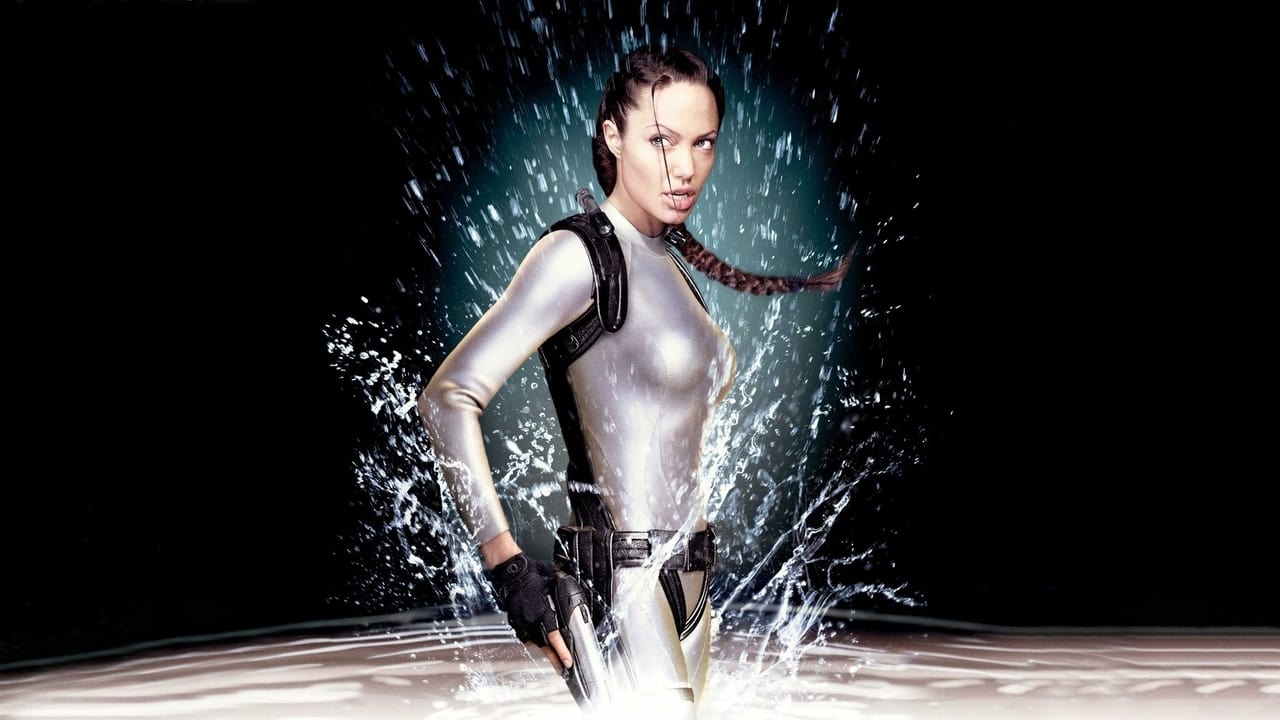
Practical Magic in a Digital Dawn
I watched this recently while my cat was aggressively trying to eat a piece of crinkly plastic in the corner of the room, and the rhythmic crunch-crunch-crunch weirdly synchronized with the ticking-clock tension of the final act. It’s that specific kind of "Saturday afternoon on TNT" energy that this film radiates. Released in 2003, we were right in the thick of the industry’s awkward teenage years with CGI. Filmmakers were realizing they could do anything with a computer, but they hadn't quite figured out if they should.
Director Jan de Bont, coming off the high-octane thrills of Speed and the breezy chaos of Twister, brought a much-needed sense of weight to Lara’s world. While the "Shadow Guardians" in the finale look like early PlayStation 2 renders, the rest of the film leans into spectacular practical work. The standout is the wingsuit jump from the top of an unfinished International Finance Centre in Hong Kong. De Bont used actual B.A.S.E. jumpers for the sequence, and seeing those two figures glide through the real Hong Kong skyline provides a texture that modern, green-screen-saturated blockbusters often lack. Cradle of Life is the rare sequel that functions like a formal apology for its predecessor’s lack of stakes.
The Chemistry of Betrayal
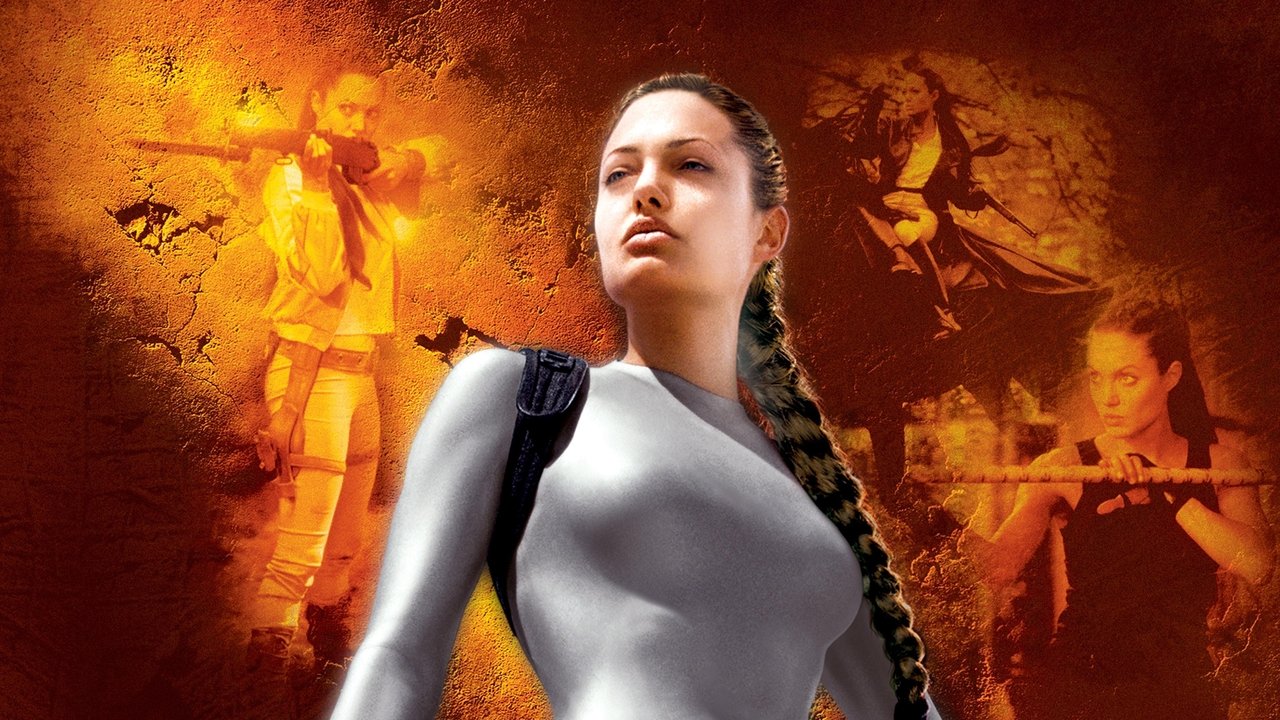
One of the smartest pivots this script made was giving Lara a foil who wasn't just a tech support voice in her ear. Enter Gerard Butler as Terry Sheridan, a disgraced Marine rotting in a Russian prison. This was three years before 300 made him a household name, and you can see the "movie star" lightbulbs flickering on. He’s charming, untrustworthy, and has a rugged chemistry with Angelina Jolie that makes their globe-trotting partnership feel genuinely dangerous.
The plot—a race to find Pandora’s Box before a bioterrorist can turn it into a global plague—is pure 2003 anxiety. Ciarán Hinds (recently of Belfast and The Terror) plays the villainous Jonathan Reiss with a cold, corporate detachment that feels very post-9/11. He’s not a cartoon; he’s a Nobel Prize winner who realized there’s more money in ending the world than saving it. He’s backed up by Djimon Hounsou, who provides a brief but grounding presence as Lara’s friend Kosa in Kenya. Even the returning comic relief duo of Chris Barrie and Noah Taylor feel less like caricatures this time around, fitting more naturally into the "MI6-adjacent" vibe of the production.
The Curse of the Console

There’s a bit of tragic trivia attached to this film’s legacy. Despite being a vastly superior film to the 2001 original, it earned significantly less at the box office. At the time, Paramount famously blamed the poor performance of the Tomb Raider: The Angel of Darkness video game, which was released a month prior and was riddled with bugs. It’s a fascinating snapshot of how interconnected franchise ecosystems were becoming; a bad experience with a controller could actually sour a moviegoer's interest in a theater seat.
Looking back, the shark punch is the single most honest translation of 32-bit logic ever put on celluloid. It captures the spirit of the games—that feeling of "I can’t believe that worked"—better than any heavy-handed lore dump ever could. The film takes us from the sun-drenched ruins of Santorini to the neon verticality of Hong Kong and the jagged landscapes of Kenya (specifically Hell's Gate National Park), making it feel like a genuine adventure rather than a series of soundstages.
Ultimately, The Cradle of Life is the "lost" action gem of the early 2000s. It’s not high art, but it’s high-effort, anchored by a version of Angelina Jolie that had finally found the pulse of the character. She’s athletic, witty, and just the right amount of detached. If you can forgive some dated digital effects during the climax, you’re left with a punchy, globetrotting thriller that understands exactly what it needs to be: a fun way to spend two hours before your bus arrives.


Keep Exploring...
-
Lara Croft: Tomb Raider
2001
-
Reign of Fire
2002
-
The Scorpion King
2002
-

10,000 BC
2008
-
The Mummy: Tomb of the Dragon Emperor
2008
-

Small Soldiers
1998
-
The Brothers Grimm
2005
-
Last Action Hero
1993
-
DragonHeart
1996
-
Twister
1996
-
Night at the Museum: Battle of the Smithsonian
2009
-
Prince of Persia: The Sands of Time
2010
-
The Sorcerer's Apprentice
2010
-

Wrath of the Titans
2012
-
Jack the Giant Slayer
2013
-
Mighty Joe Young
1998
-

Mystery Men
1999
-
Final Fantasy: The Spirits Within
2001
-
The Mummy Returns
2001
-
King Arthur
2004