Looney Tunes: Back in Action
"The inmates are finally running the asylum."
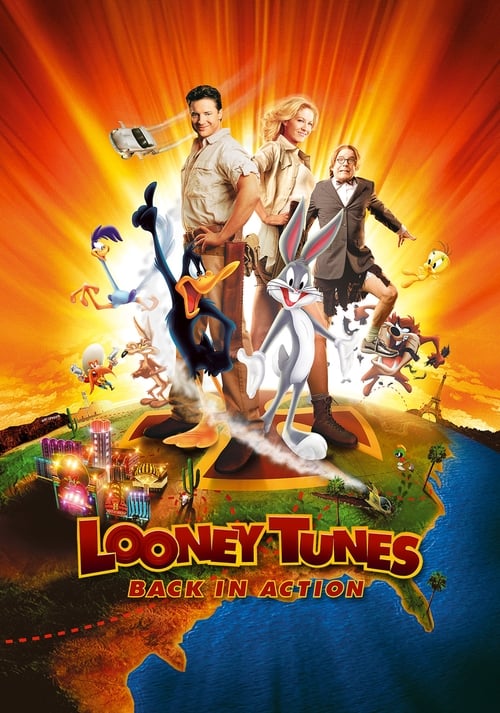
The sight of Steve Martin—one of the most celebrated comedic minds of the last fifty years—sprinting around a giant boardroom table while shrieking like a panicked cockatoo is either a career low or a stroke of avant-garde genius. In 2003, audiences and critics overwhelmingly leaned toward the former. The film limped out of theaters with a box office return that didn't even cover its budget, effectively putting the Looney Tunes film franchise into a deep freeze for nearly two decades. But I’ve always felt that history did Looney Tunes: Back in Action dirty. While Space Jam (1996) gets all the nostalgic love for its "90s-cool" aesthetic and R. Kelly soundtrack, Joe Dante’s follow-up is actually the superior piece of filmmaking. It’s a chaotic, meta-textual, and deeply weird love letter to the golden age of animation that somehow got smuggled through the Hollywood studio system.
The Anarchist in the Director’s Chair
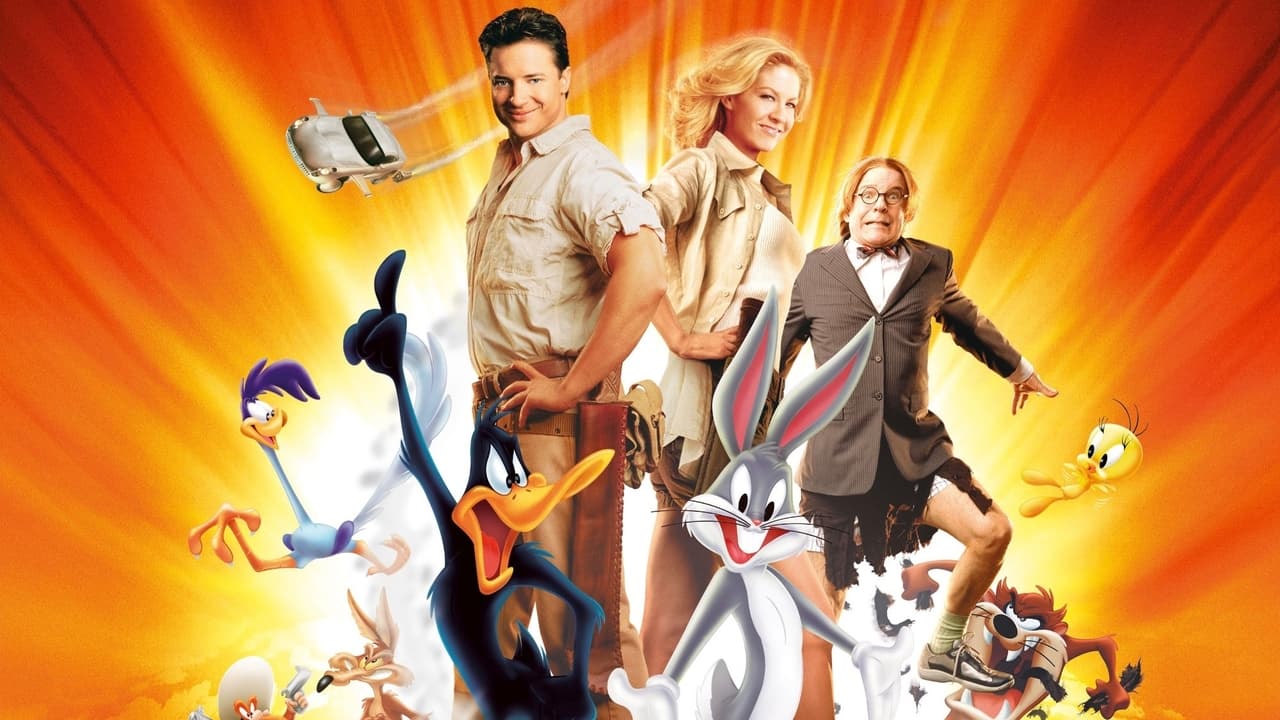
To understand why this movie feels so different from its predecessor, you have to look at Joe Dante. This is the man who gave us Gremlins and The 'Burbs, a director who treats "subtlety" like a contagious disease. Dante grew up on the anarchic energy of Chuck Jones and Tex Avery, and it shows. Unlike the polished, corporate sheen of modern franchise filmmaking, Back in Action feels like it’s constantly trying to vibrate itself apart.
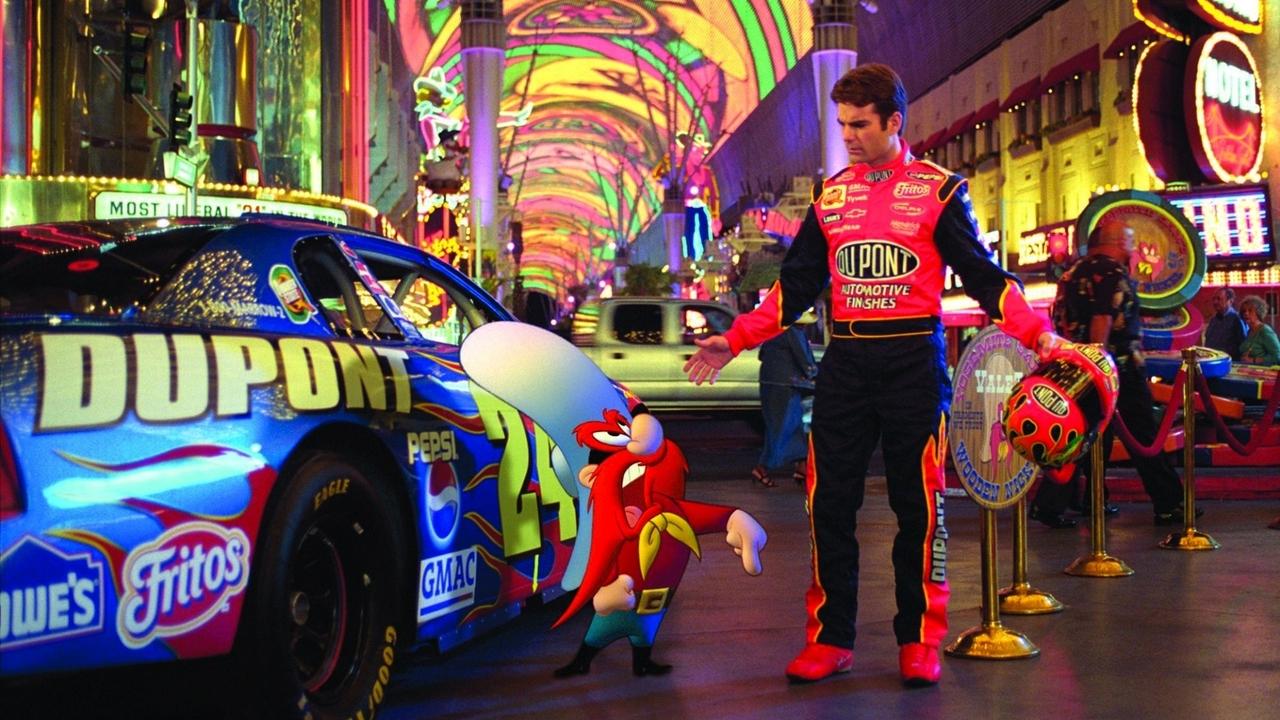
The plot is a deliberate mess—a globe-trotting spy spoof involving a "Blue Monkey" diamond that can turn humans into monkeys—but the story is really just a clothesline to hang as many sight gags on as possible. I’ve always appreciated how the film refuses to talk down to kids. It’s packed with references to 1950s sci-fi, classic cinema, and the internal politics of Warner Bros. itself. Watching Bugs Bunny and Daffy Duck navigate a world where they are treated like overworked contract actors is a recurring joy. I’m convinced that Daffy Duck’s existential crisis about being second-fiddle to a rabbit is the most relatable performance of the 2000s.
Fraser, Martin, and the Art of the Face
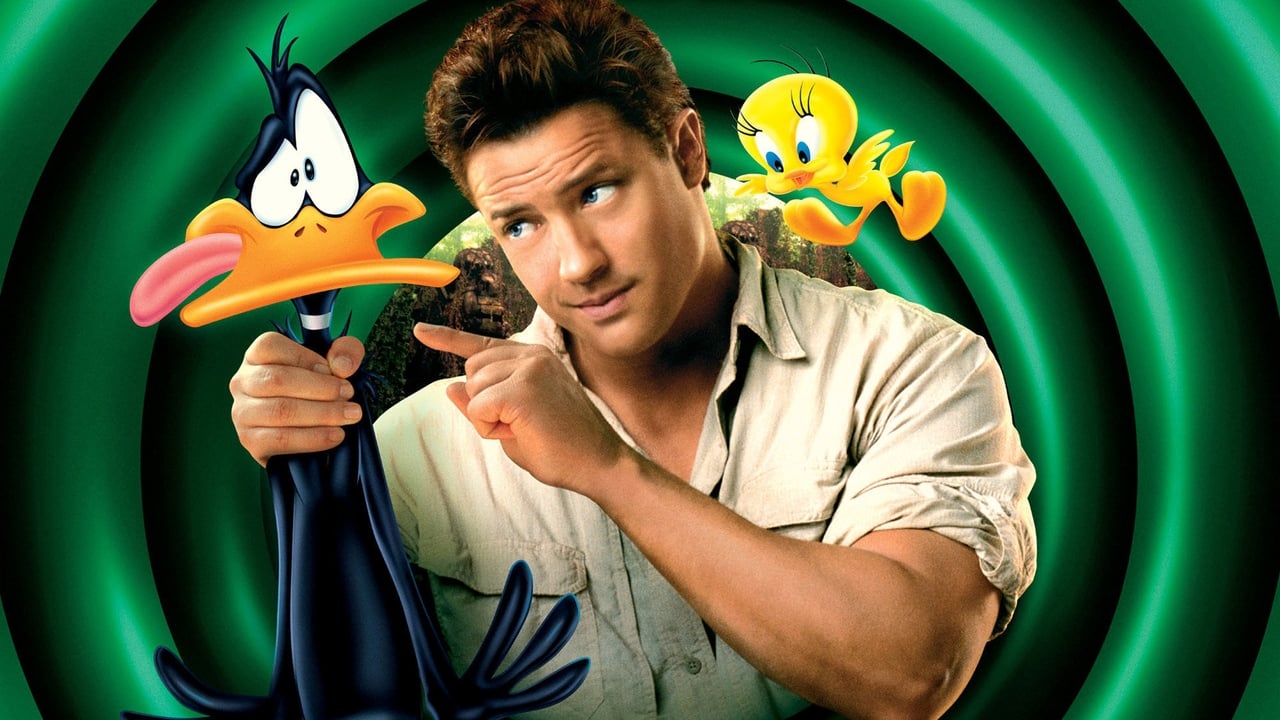
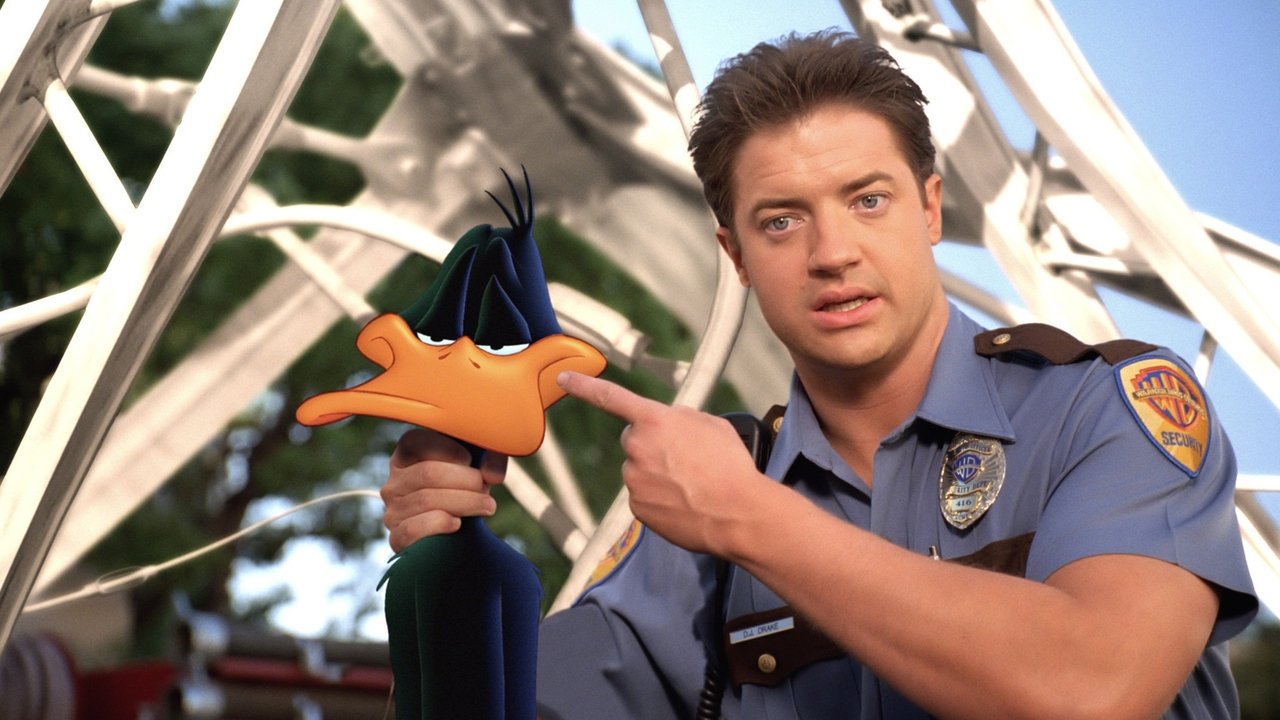
At the center of this hurricane is Brendan Fraser as DJ Drake, a fired stuntman who also happens to be the son of a superstar spy played by Timothy Dalton. This was peak Fraser era—the man was a physical comedy machine. There is a specific skill required to act convincingly against a green screen where a cartoon duck is supposed to be biting your nose, and Fraser sells it with every fiber of his being. He has this wide-eyed, earnest quality that anchors the absurdity.
On the flip side, you have Steve Martin as Mr. Chairman, the head of Acme Corp. Looking back, Steve Martin’s performance is essentially a one-man war against the concept of subtlety. He’s playing a live-action cartoon, complete with a high-pitched voice and jerky, mechanical movements. It’s a polarizing choice, but in the context of a movie where a Martian is trying to turn the world into apes, it strangely works. I watched this re-release recently while eating an entire bag of slightly stale pretzel rods, and the crunching sound perfectly synchronized with Wile E. Coyote falling off a cliff; it was the most immersive cinematic experience I’ve had in years.
A Technical Marvel in Plain Sight
We often talk about the "CGI revolution" of the early 2000s with a bit of a grimace—hello, The Scorpion King—but the technical craft here is genuinely impressive. This was a transitional moment where digital tools were being used to enhance traditional hand-drawn animation styles. The standout sequence, and the one reason everyone should seek this film out, takes place in the Louvre.
Bugs and Daffy are chased by Elmer Fudd through a series of iconic paintings. As they jump from frame to frame, their art style changes to match the medium. They become pointillist dots in a Seurat, melting clocks in a Dali, and distorted screams in a Munch. It’s a high-concept, brilliantly executed three minutes of cinema that captures the "anything is possible" spirit of the original shorts. The Louvre sequence is a god-tier flex of animation history that belongs in a museum itself.
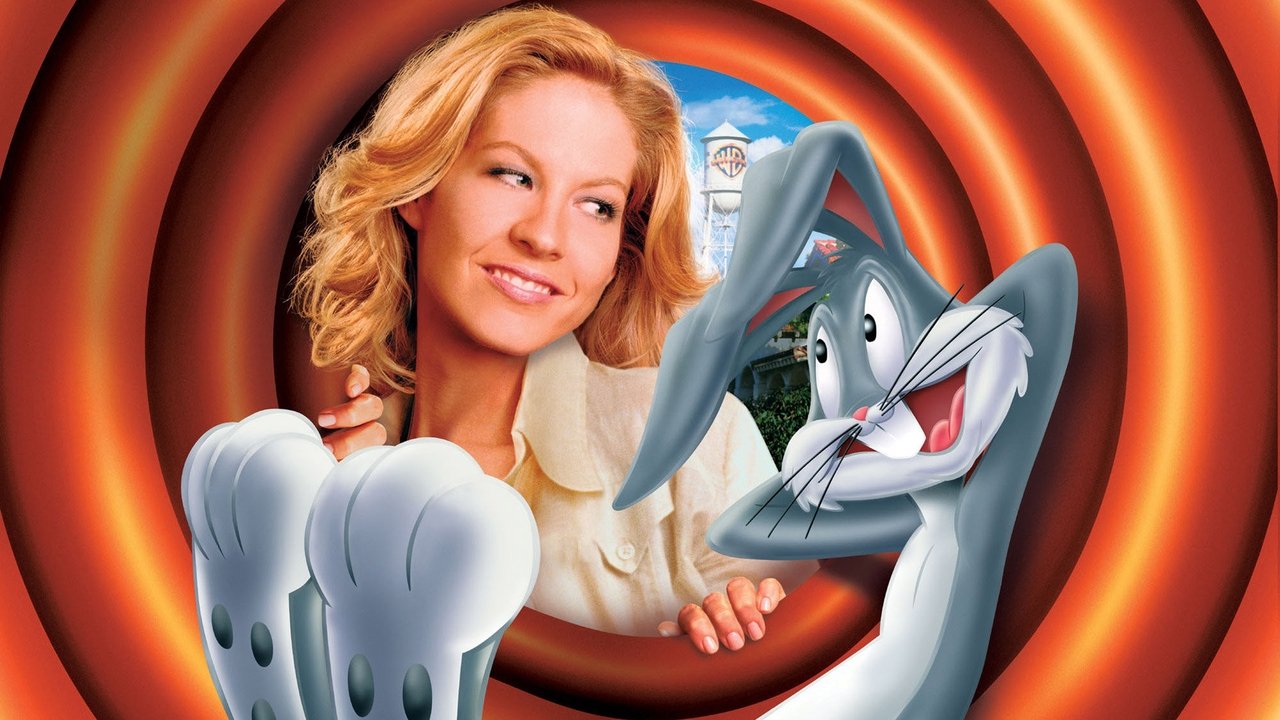
The film also features the legendary voice work of Joe Alaskey and Jeff Bennett, who had the impossible task of filling Mel Blanc's shoes. They nail the rhythm and the "vocal sneer" of these characters perfectly. Even Jenna Elfman, who often gets the thankless "straight-man" role as the corporate VP, finds moments to shine amidst the lunacy.
Why It Vanished (And Why to Bring It Back)
So, why did it flop? Bad timing, mostly. It opened against Elf and Master and Commander, and the marketing couldn’t decide if it was for five-year-olds or film nerds. The studio also meddled heavily—Dante has been vocal about how much the final cut was poked and prodded by executives who didn't "get" the humor.
But looking back with twenty years of distance, the film’s flaws feel like charming quirks of a bygone era. It represents a time before the "Marvel formula" standardized how we combine action and comedy. It’s messy, it’s loud, and it’s occasionally exhausting, but it has a soul. It’s a movie made by people who clearly loved the medium, even if the medium didn't always love them back. If you’re tired of the sanitized, focus-grouped blockbusters of today, give this one another look. It’s a reminder that sometimes, the best way to solve a mystery is to not have a clue.
In the grand tradition of the Looney Tunes, Back in Action chooses chaos over coherence every single time. It’s a rare high-budget experiment that feels like it was made by fans for fans, packed with enough Easter eggs to keep any animation buff busy for a weekend. It might not have the cultural footprint of the Tune Squad’s basketball game, but it has twice the heart and ten times the wit.
Keep Exploring...
-
101 Dalmatians II: Patch's London Adventure
2003
-
Kronk's New Groove
2005
-
Osmosis Jones
2001
-
Barnyard
2006
-

The Ant Bully
2006
-
Shrek the Halls
2007
-
Mickey, Donald, Goofy: The Three Musketeers
2004
-
The Little Mermaid II: Return to the Sea
2000
-
Jimmy Neutron: Boy Genius
2001
-
Lilo & Stitch 2: Stitch Has a Glitch
2005
-
TMNT
2007
-
Open Season 2
2008
-
Chicken Little
2005
-
Toy Story of Terror!
2013
-

Hop
2011
-

The Boxtrolls
2014
-
Valiant
2005
-

DuckTales: The Movie - Treasure of the Lost Lamp
1990
-

The Swan Princess
1994
-
A Goofy Movie
1995