Lost in Translation
"The best conversations happen when you're both exhausted."

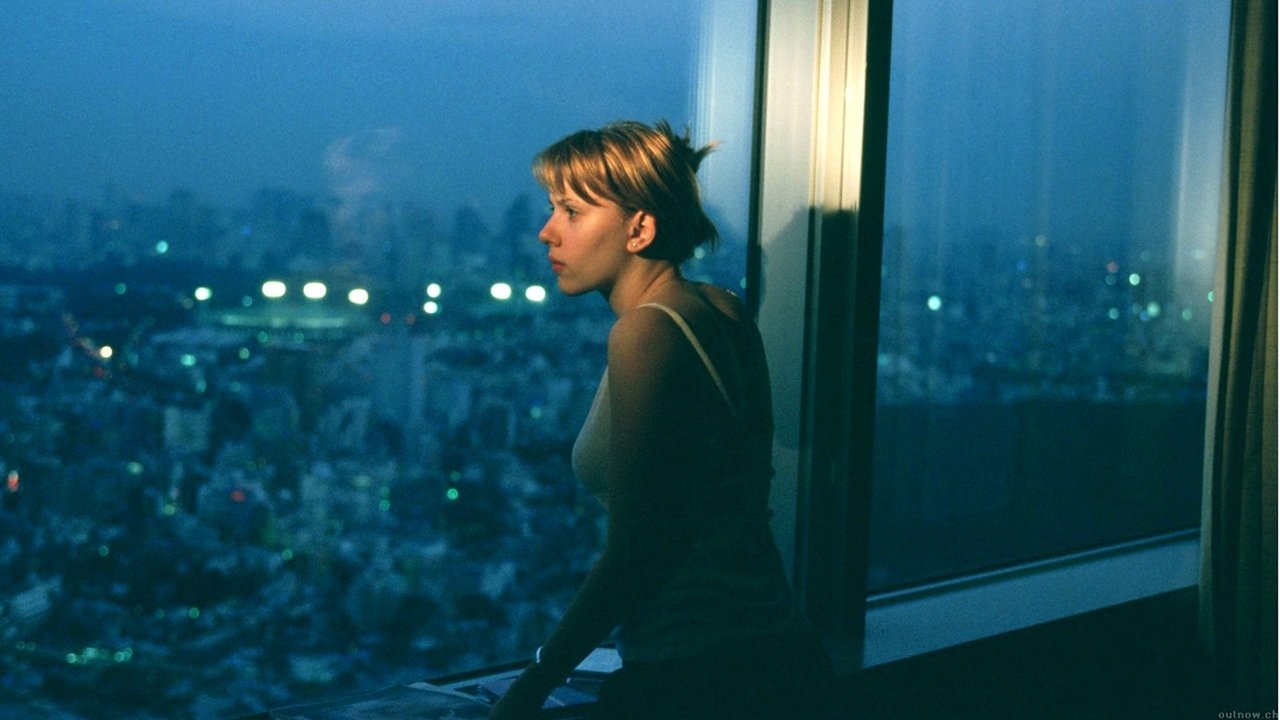
There is a specific kind of loneliness that only exists in a five-star hotel at three in the morning. Your internal clock is screaming that it’s lunchtime in New Jersey, but the neon glow of Tokyo outside your window insists it’s the middle of the night. I first watched Lost in Translation on a scratched DVD while sitting in a college dorm room that smelled exclusively of cheap laundry detergent, and even in that cramped space, I felt the vast, airy silence of Sofia Coppola’s masterpiece.

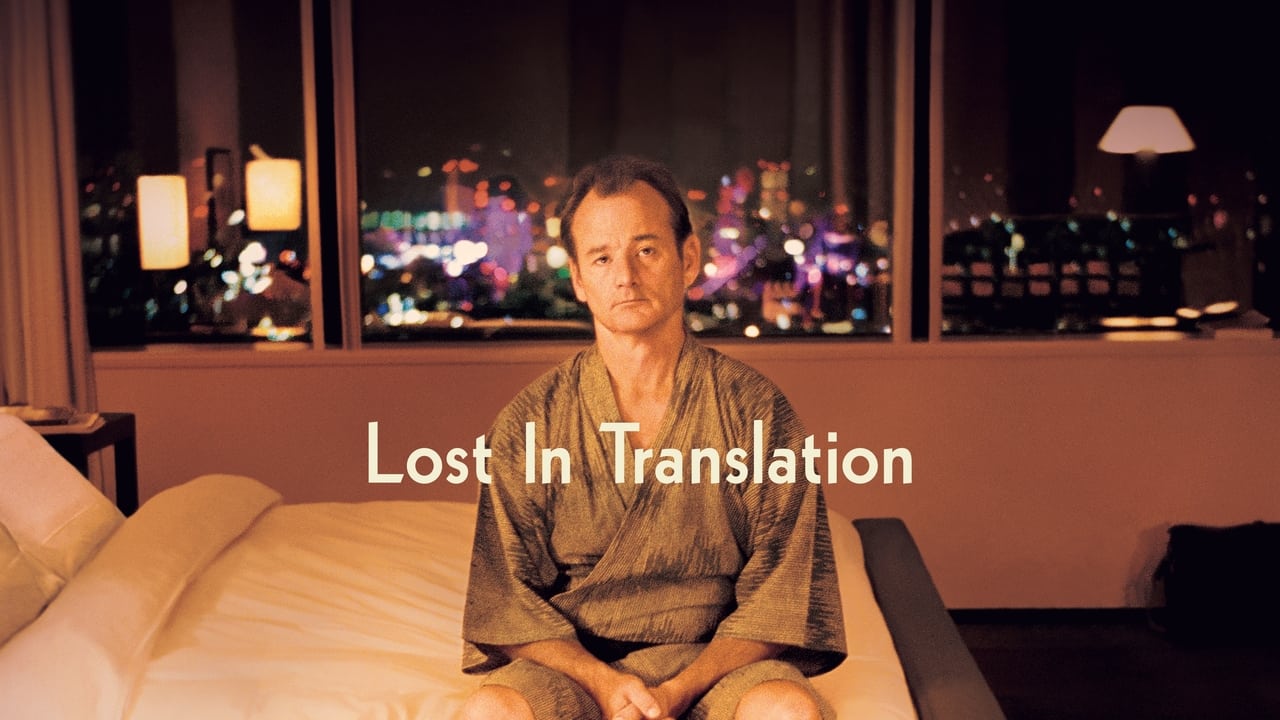
The film opens on a shot of Scarlett Johansson's backside in sheer pink underwear—a choice that feels less like voyeurism and more like an admission of vulnerability. She plays Charlotte, a philosophy graduate who is currently "starring" as the bored wife of a high-fashion photographer (Giovanni Ribisi). Across the hall is Bob Harris, played by Bill Murray in a role that redefined his entire career. Bob is a fading movie star in town to film a whiskey commercial for two million dollars. He’s tired, his marriage is a series of faxes about carpet samples, and he’s currently wearing a bathrobe that looks like it’s trying to swallow him whole.
The Art of Doing Absolutely Nothing
When people talk about this movie, they often say "nothing happens." They aren't wrong, but they’re missing the point. In an era where 2003 gave us the explosive climax of The Lord of the Rings: The Return of the King, Coppola went the opposite direction. She created a "blockbuster of the soul" on a shoestring $4 million budget. The film isn't about plot; it's about the static electricity that builds up between two people who realize they’re the only ones in the room speaking the same emotional language.
Bill Murray is the heart of this. Before this, we knew him as the chaotic prankster of Ghostbusters or Caddyshack. Here, he uses his face like a battered suitcase—full of history, slightly worn out, but still holding it all together. His "Suntory Time" commercial shoot is a comedy masterclass. The director is screaming poetic, long-winded Japanese instructions, and the translator simply says, "He wants you to turn to the camera." Murray’s deadpan reaction is gold, but the sadness behind his eyes is what keeps you watching. He’s not just a fish out of water; he’s a fish that’s forgotten how to swim and is just enjoying the view from the net.
Tokyo as a Neon Dreamscape
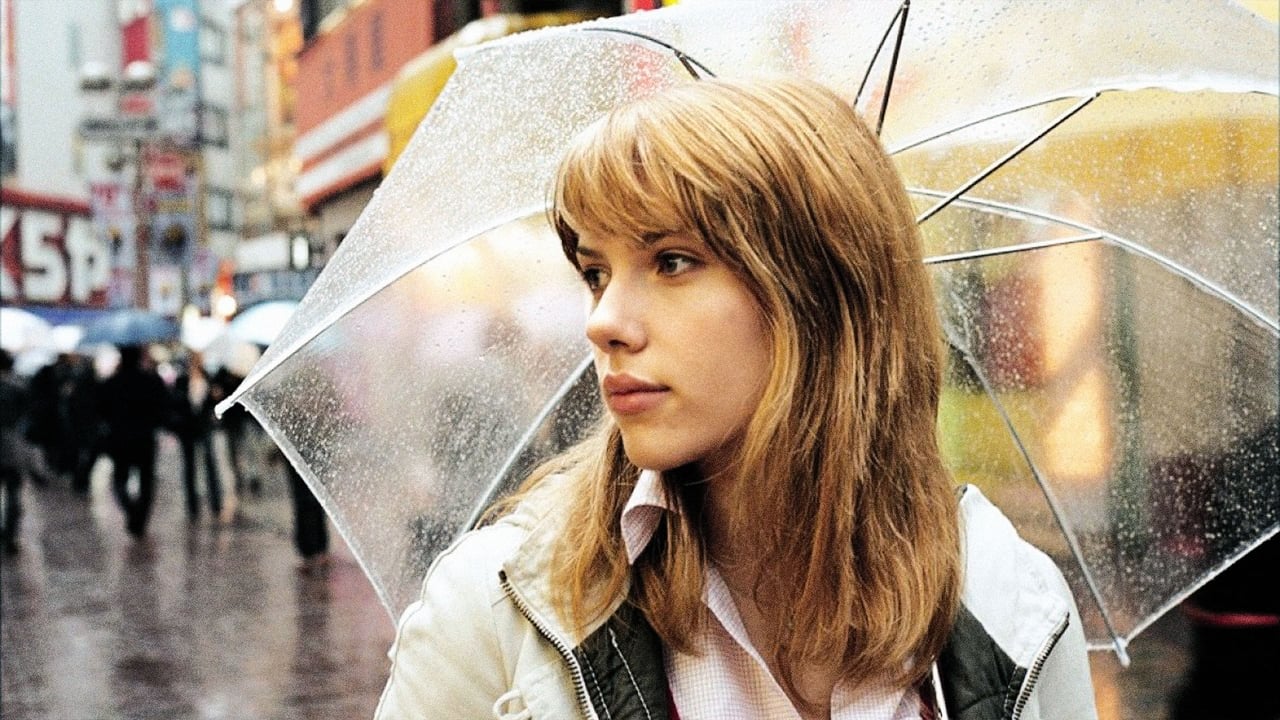
Shot in just 27 days by cinematographer Lance Acord, the movie has a hazy, dreamlike quality that perfectly captures the "jet lag fog." Because the budget was so tight, the crew often shot "guerrilla style," meaning they didn't always have permits for places like the Shibuya Crossing or the subway. This gives the film a documentary-like intimacy. You aren't watching a movie set; you’re wandering through Tokyo with them.
The soundtrack, curated by Kevin Shields of My Bloody Valentine, is the secret weapon here. It’s all shoegaze and synth-pop—music that sounds like a warm blanket. It fills the gaps where dialogue isn't needed. There's a scene where Bob and Charlotte go to a karaoke box with a group of locals, and Charlotte sings "Brass in Pocket." It’s awkward, sweet, and totally human. It reminded me that karaoke is less about singing well and more about screaming your identity into a plastic microphone.
A Cultural Phenomenon in a Quiet Room
For a quiet indie film, Lost in Translation had the impact of a summer tentpole. It raked in over $119 million worldwide—a staggering return on investment that proved audiences were hungry for adult stories that didn't involve superheroes or explosions. It also launched Scarlett Johansson into the stratosphere. At only 17 years old during filming, she held her own against a titan like Murray, providing a performance that felt decades older.
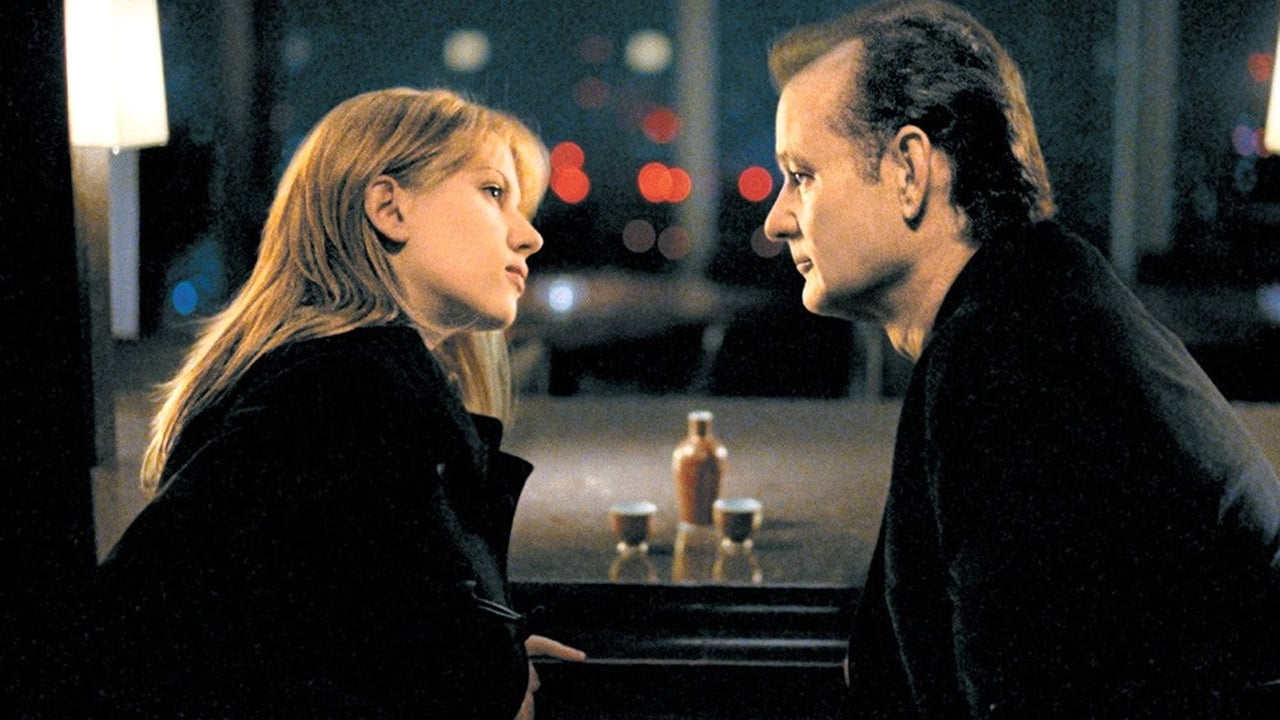
The film also gave us Anna Faris as Kelly, a ditzy Hollywood actress who is clearly a parody of the era's bubblegum starlets. Apparently, the rumors at the time suggested she was a thinly veiled jab at Cameron Diaz (who had worked with Coppola's then-husband, Spike Jonze). Whether that's true or not, Faris is a comedic tornado who provides the perfect high-energy foil to the lead duo’s lethargic brooding.
Interestingly, Coppola wrote the script specifically for Bill Murray. She famously said that if he hadn't agreed to do it, she wouldn't have made the movie. She spent months chasing him, sending letters and messages through mutual friends because Murray famously doesn't have an agent—only a 1-800 number that he checks whenever he feels like it. Luckily for us, he checked it.
Looking back from the 2020s, Lost in Translation feels like a time capsule of a world just before smartphones changed how we travel. Charlotte and Bob are forced to actually look at each other because they can't bury their faces in an iPhone. The ending, featuring a whispered secret we never get to hear, remains one of the most debated moments in cinema history. But the mystery is the point. Some connections aren't meant to be explained; they’re just meant to be felt.
It’s a film that understands that being "lost" isn't a geographical problem—it’s a temporal one. You can be in the most vibrant city on Earth and still feel like a ghost. Coppola’s gift was making that haunting feeling look absolutely beautiful.
Keep Exploring...
-
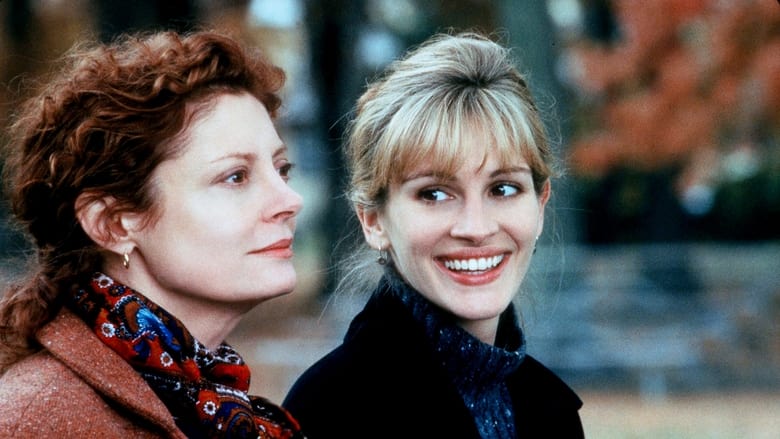
Stepmom
1998
-
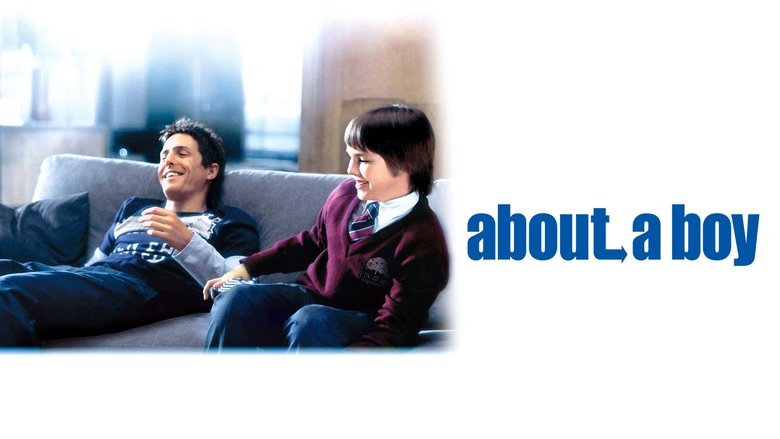
About a Boy
2002
-

Something's Gotta Give
2003
-
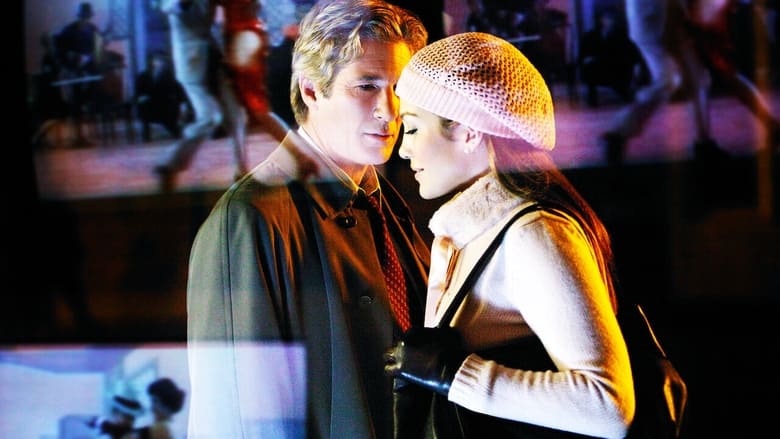
Shall We Dance?
2004
-
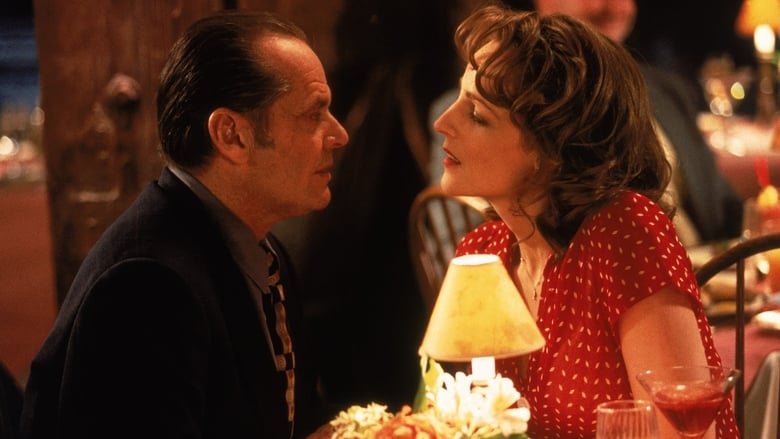
As Good as It Gets
1997
-
Buffalo '66
1998
-
Secretary
2002
-
Love & Other Drugs
2010
-
Silver Linings Playbook
2012
-
EverAfter
1998
-
Blast from the Past
1999
-
High Fidelity
2000
-
Punch-Drunk Love
2002
-
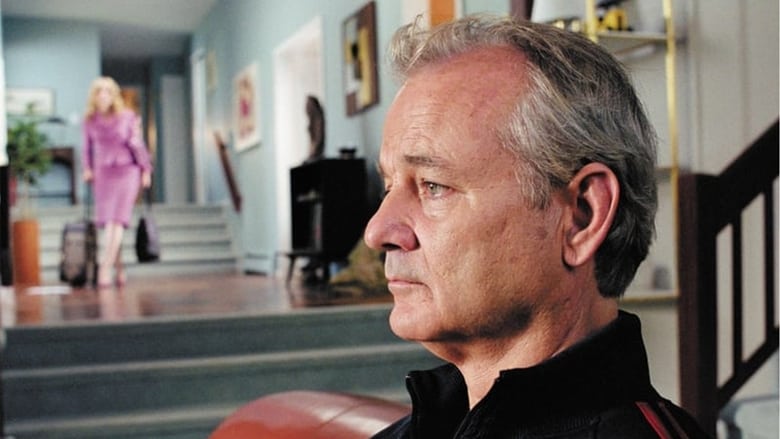
Broken Flowers
2005
-
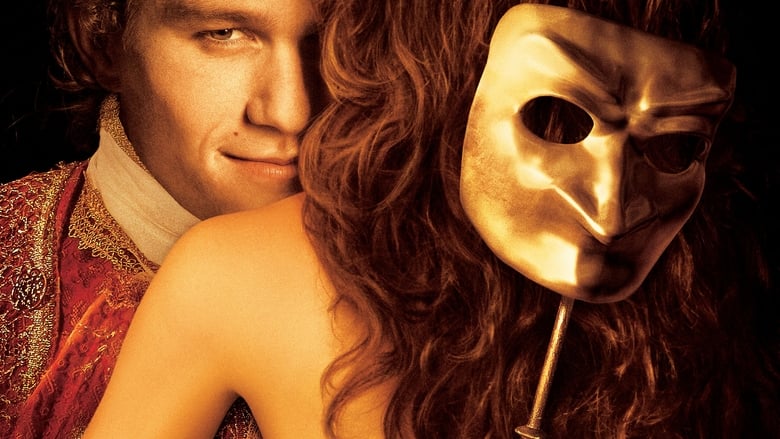
Casanova
2005
-
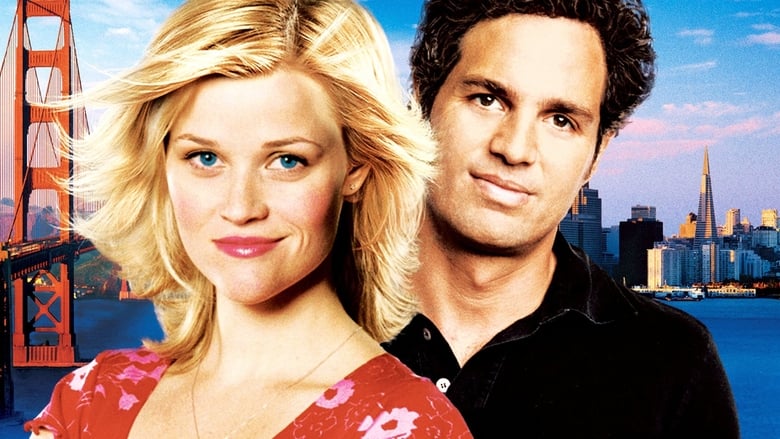
Just Like Heaven
2005
-
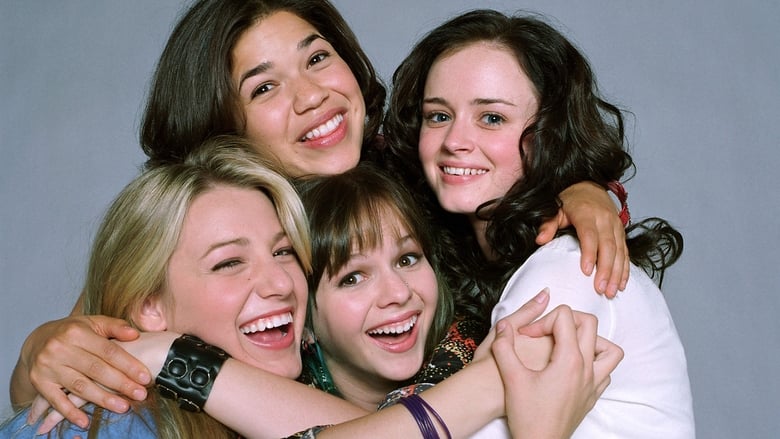
The Sisterhood of the Traveling Pants
2005
-
Imagine Me & You
2006
-
Stranger Than Fiction
2006