Love Actually
"Ten stories, one city, and zero emotional restraint."
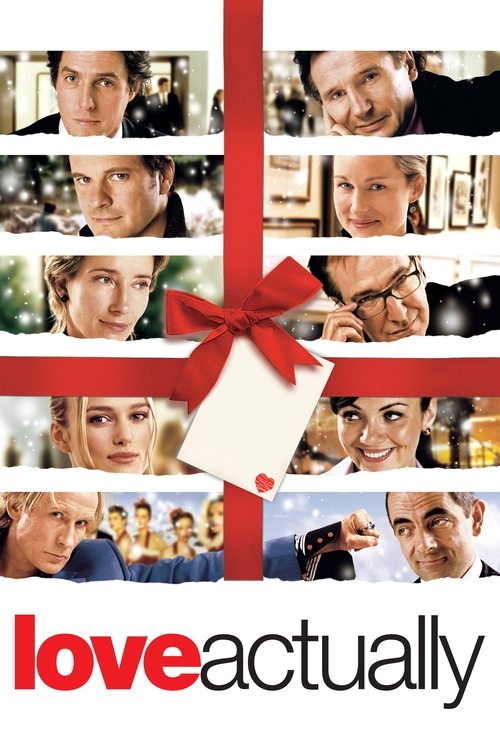
Every time December rolls around, I find myself sitting through the opening montage of Love Actually. You know the one—the grainy, candid footage of people hugging at Heathrow Airport while Hugh Grant’s voiceover tries to convince us that the world isn’t a cynical hellscape. I watched it this year while eating a slightly stale gingerbread man that looked more like a thumb, and honestly, the sugar hit matched the movie’s energy perfectly.
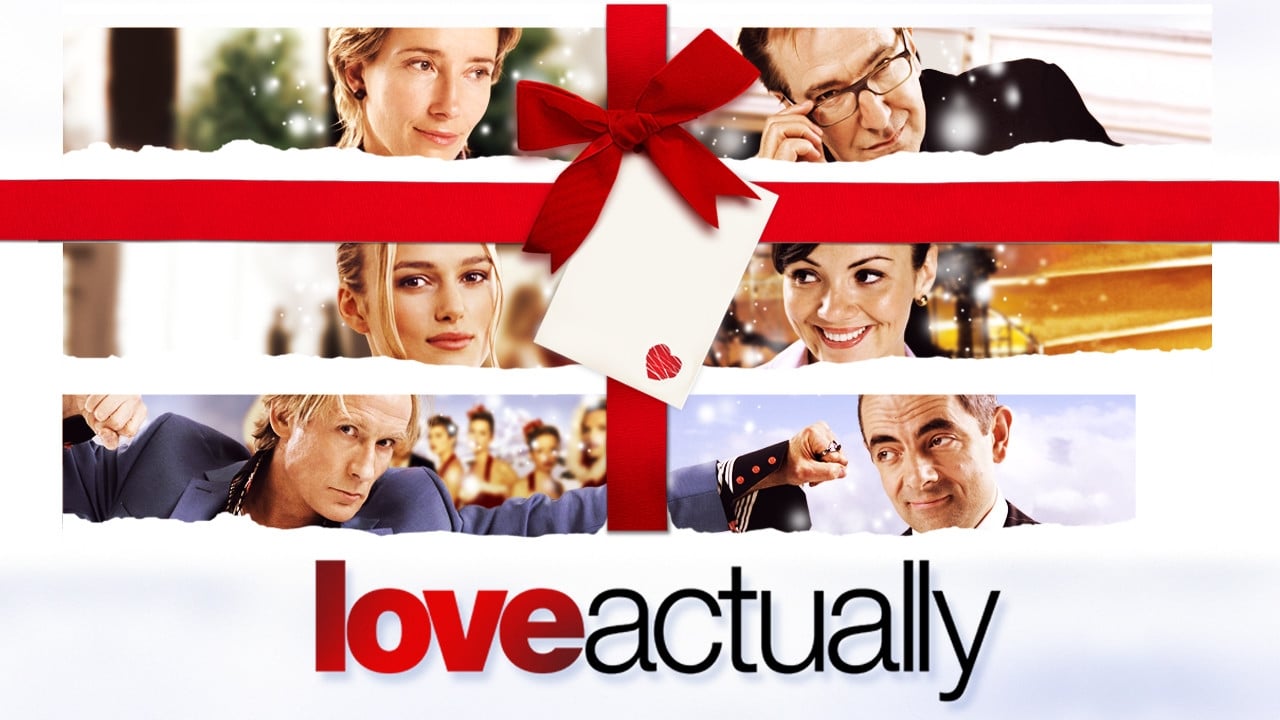
Released in 2003, Love Actually arrived at a very specific moment in time. The world was still reeling from the early 2000s’ geopolitical shifts, and Richard Curtis—the king of the British "bumbling romantic" subgenre—decided what we really needed was a massive, star-studded emotional buffet. It wasn't just a movie; it was a cultural event that signaled the peak of the "Working Title" era of filmmaking. Looking back, it’s a fascinating time capsule of a pre-smartphone London where people still ran through airports without being tackled by armed security and "fat-shaming" was apparently a legitimate romantic subplot.
The British Avengers of Rom-Coms
The first thing that strikes me upon a rewatch is the sheer, overwhelming density of the cast. In 2003, this felt like the British equivalent of the Avengers assembling. You have Hugh Grant (fresh off Bridget Jones’s Diary) playing a Prime Minister who dances like your embarrassing uncle; Colin Firth doing the "stiff upper lip" thing in a turtleneck; and Liam Neeson trying to parent a young Thomas Brodie-Sangster through the throes of first love.
But the real heavyweight championship happens in the bedroom of Harry and Karen. The late, great Alan Rickman—usually my favorite cinematic villain—plays a husband who commits the ultimate mid-life crisis sin: buying a gold necklace for a secretary while buying his wife a Joni Mitchell CD. The scene where Emma Thompson realizes the betrayal is, in my opinion, the finest piece of acting in the entire decade. Watching her cry silently in her bedroom while "Both Sides Now" plays is a masterclass in restraint. It’s the kind of performance that reminds you that this movie isn't just fluffy tinsel; it has some sharp glass hidden in the snow. The Joni Mitchell scene is the only part of this movie that still makes me want to throw a brick through a window.
A DVD Era Time Capsule
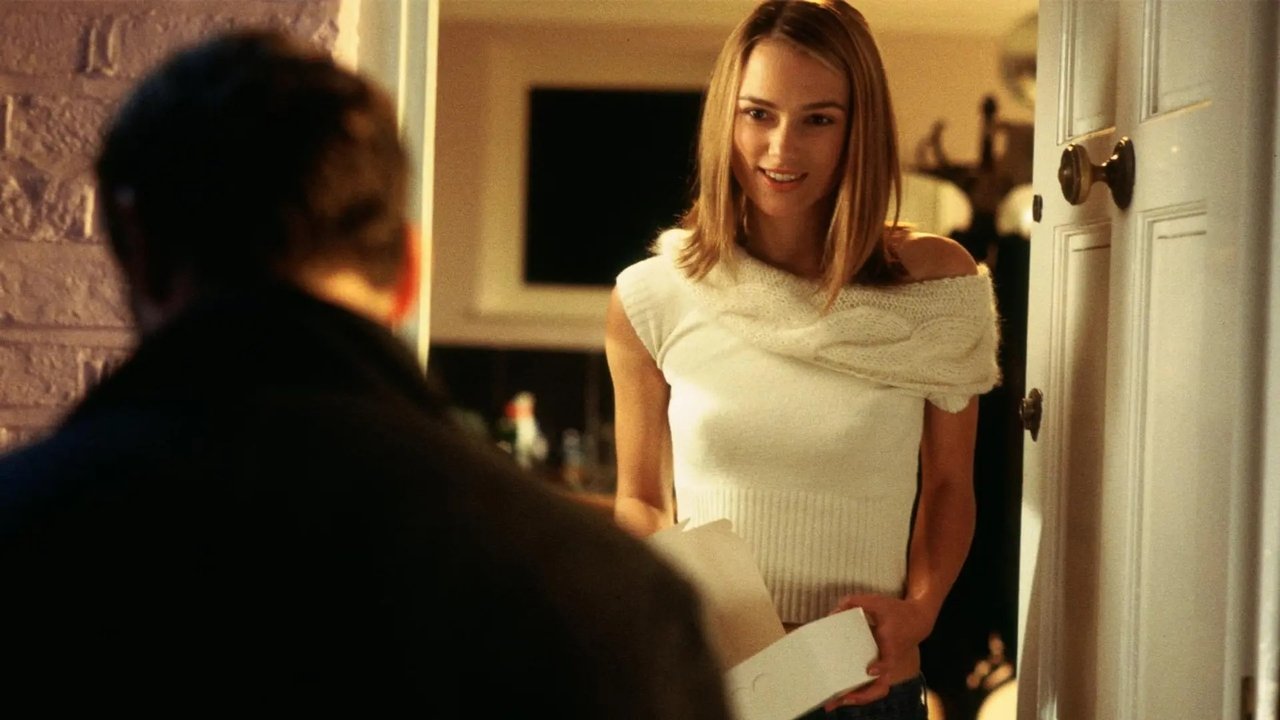
I remember buying the Love Actually DVD back when "Special Features" were the primary way we learned about film school. The commentary tracks revealed that Richard Curtis originally had even more stories planned—including a heartbreaking subplot about a lesbian headmistress and her terminally ill partner that was eventually cut. Looking back, the movie feels like the ultimate "Editor’s Nightmare." The way Michael Coulter’s cinematography weaves through the different London neighborhoods gives the film a sense of geography that modern, CGI-heavy rom-coms usually lack.
There’s a tactile nature to 2003 London here. The chunky knits, the weirdly high-waisted jeans, and the ubiquity of the "CD" as a romantic gesture. It’s a film that exists right on the edge of the digital revolution. Today, half of these plots would be solved with a DM or an Instagram "like," but in Curtis’s world, you had to learn Portuguese or stand on a doorstep with cue cards. Speaking of the cue cards—Andrew Lincoln’s character, Mark, is arguably a borderline stalker by today’s standards, but in the context of 2003’s "grand gesture" obsession, we all just let it slide because he had nice handwriting.
The Bittersweet Aftertaste
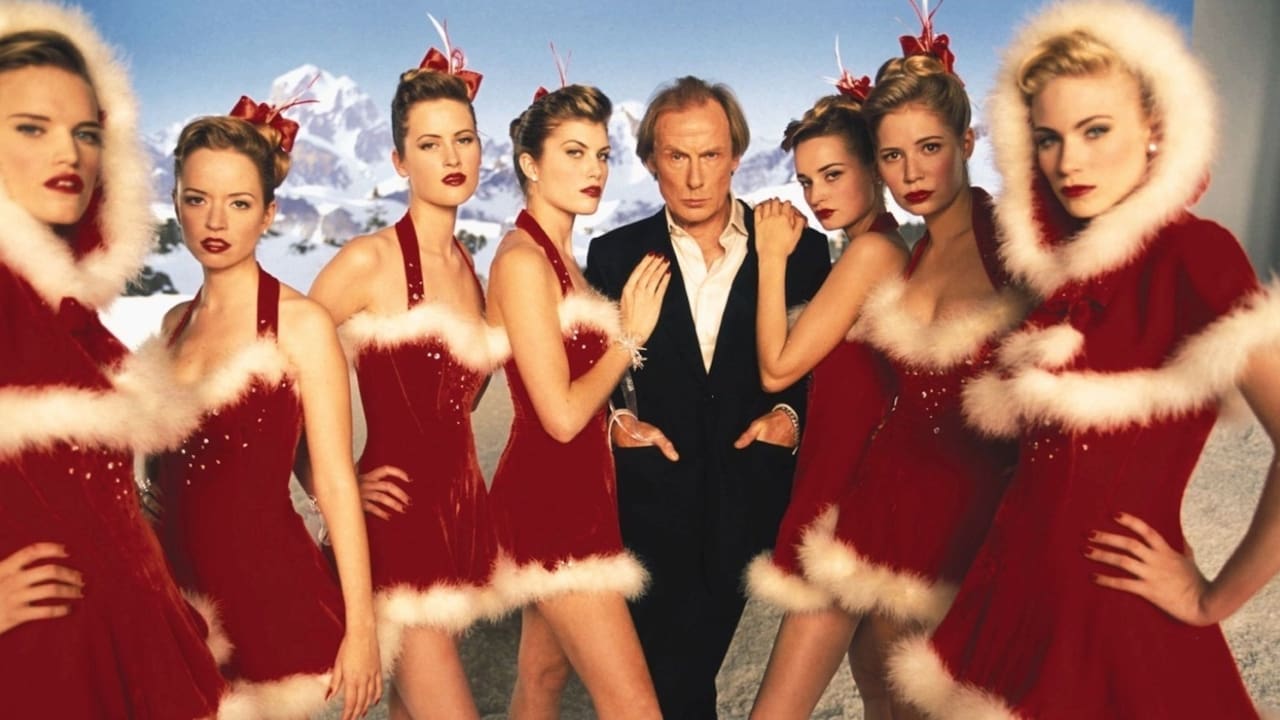
What makes Love Actually stay in the rotation while other 2000s rom-coms have faded into the bargain bin? It’s the balance of the absurd and the authentic. For every ridiculous moment—like Kris Marshall going to Wisconsin and meeting four supermodels—there’s a moment of genuine sadness. Laura Linney’s storyline, involving her devotion to her mentally ill brother, is a gut-punch that never gets a "happily ever after." It’s an acknowledgment that love isn't just about kissing in the snow; sometimes it’s about sacrifice and loneliness.
The production trivia is just as chaotic as the plot. Apparently, Bill Nighy didn’t even realize he was auditioning for the role of Billy Mack; he just did a table read as a favor and ended up walking away with the most iconic role in the film. His "Christmas Is All Around" is a perfect parody of the cynical music industry, and his chemistry with his manager (played by Gregor Fisher) provides the film’s most touching "platonic" love story.
It’s easy to poke fun at the movie’s sentimentality or its occasionally dated gender dynamics, but as a piece of blockbuster construction, it’s formidable. It manages to juggle a dozen arcs without dropping the ball, culminating in that frantic Christmas Eve climax that feels earned, even if it is mathematically impossible to get across London that fast in December.
In the end, Love Actually is exactly what it claims to be: a messy, overcrowded, occasionally problematic, but ultimately sincere look at the human heart. It’s a film that rewards your cynicism by slowly wearing it down until you’re rooting for the kid to jump the security gate. It reminds me that even when the world feels like it's falling apart, there are still people waiting at arrivals gates, and there's still a weird comfort in a well-timed Joni Mitchell song.

Keep Exploring...
-

Bridget Jones's Diary
2001
-
Four Weddings and a Funeral
1994
-
The Boat That Rocked
2009
-
About a Boy
2002
-
About Time
2013
-
Bridget Jones: The Edge of Reason
2004
-
Chocolat
2000
-

Shallow Hal
2001
-
My Big Fat Greek Wedding
2002
-

Sideways
2004
-
The Princess Diaries 2: Royal Engagement
2004
-
Juno
2007
-
Knocked Up
2007
-

Forgetting Sarah Marshall
2008
-

High School Musical 3: Senior Year
2008
-
Welcome to the Sticks
2008
-

Notting Hill
1999
-
Stepmom
1998
-
Lost in Translation
2003
-
Something's Gotta Give
2003