Master and Commander: The Far Side of the World
"Oceans are battlefields, and duty is a cold master."
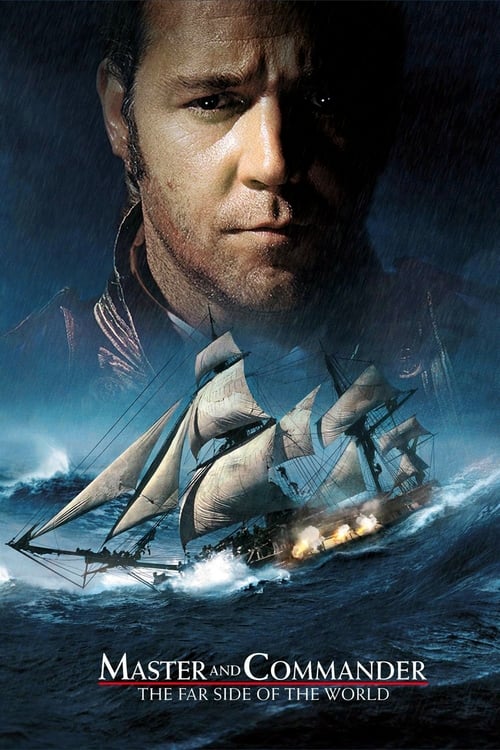
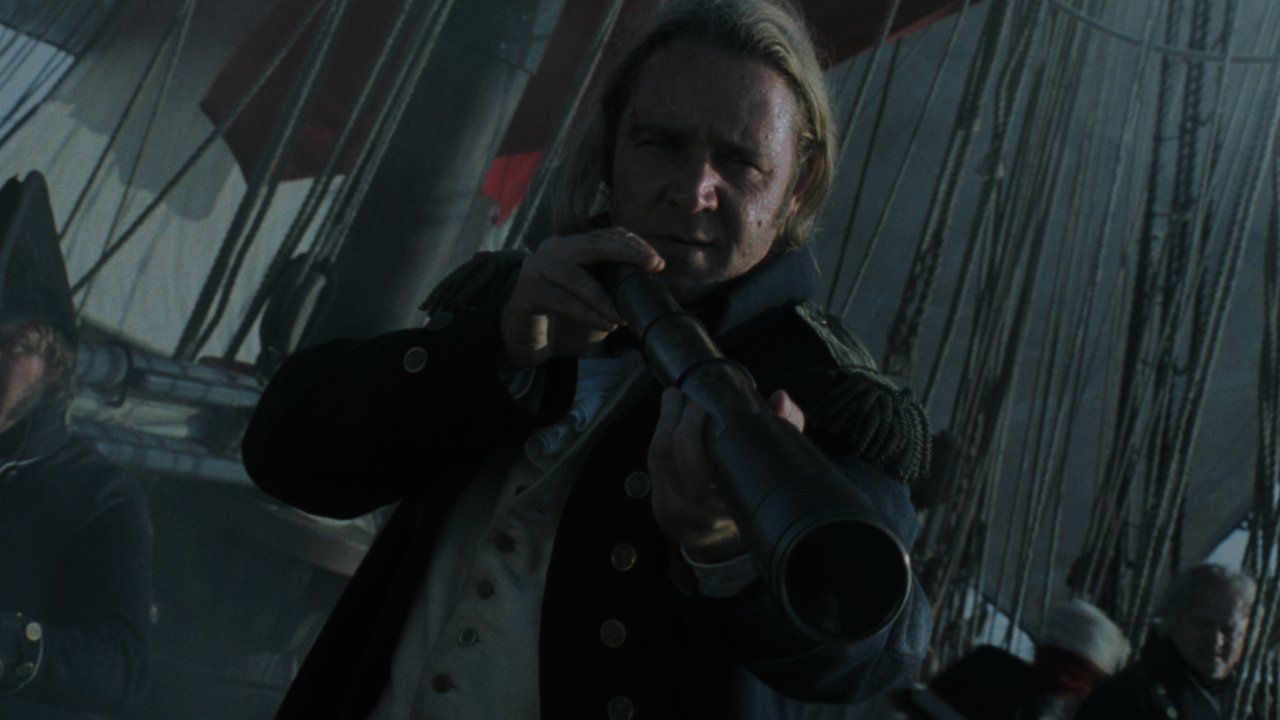
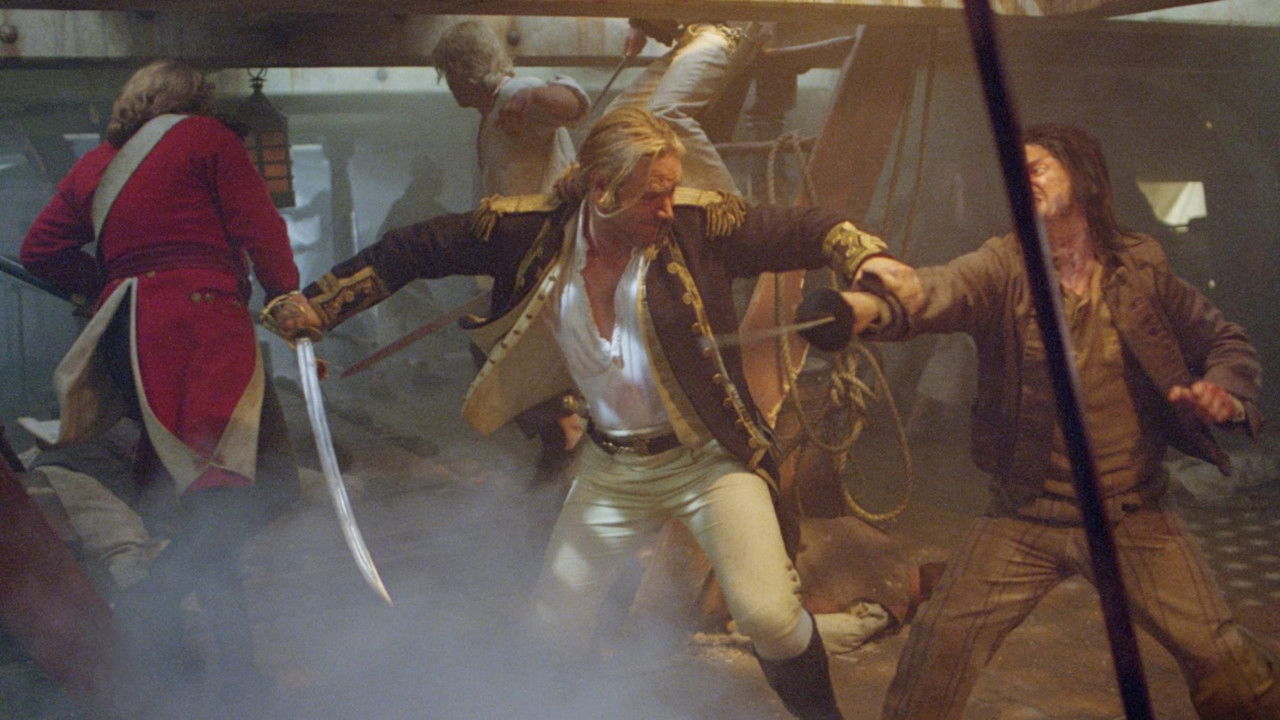
The first time the Acheron strikes, you don’t see it. You hear it. It’s a rhythmic thudding of heavy timber followed by the sickening, splintering shriek of a ship being unmade. I remember watching this for the first time on a grainy CRT television while eating a bowl of way-too-salty popcorn, and even through those tiny speakers, the sound design felt like it was bruising my ribs. Peter Weir didn’t just make a movie about the Napoleonic Wars; he built a time machine out of oak, canvas, and gunpowder, then invited us to suffer through a Cape Horn gale alongside the crew.
The Practical Soul in a Digital Dawn
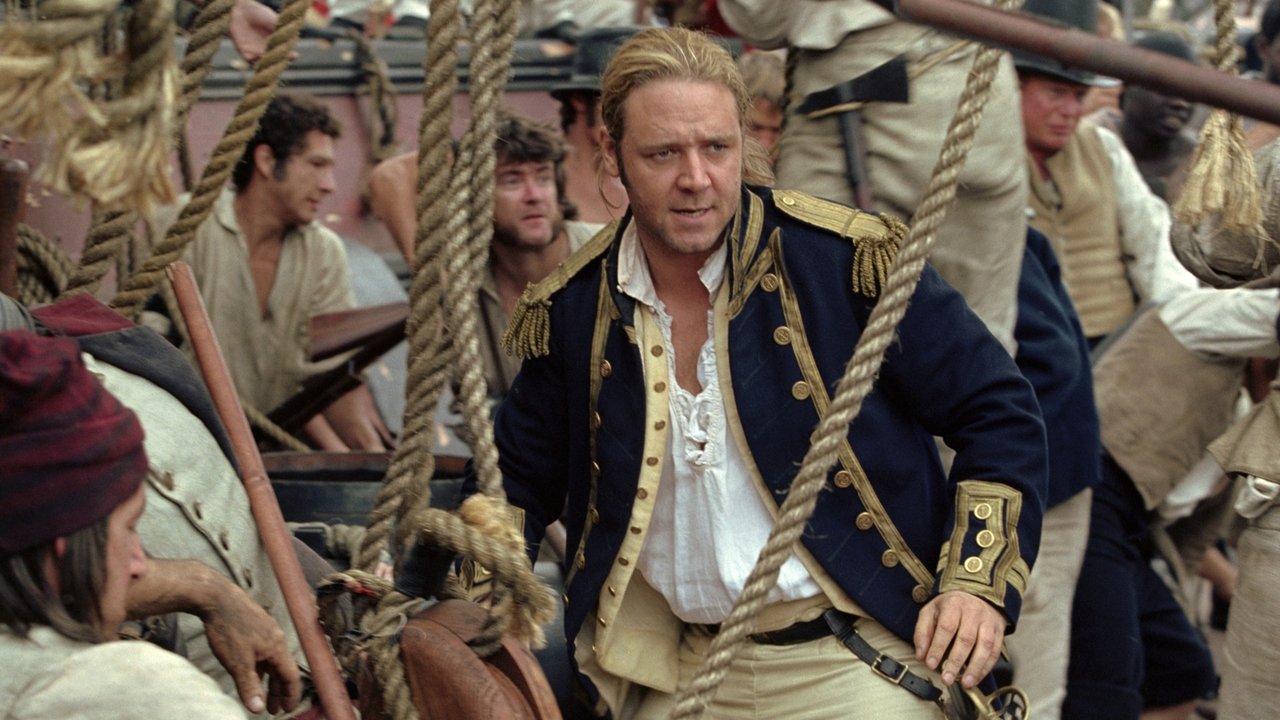
Released in 2003, Master and Commander: The Far Side of the World arrived at a strange crossroads for cinema. We were deep into the CGI revolution—The Return of the King was about to sweep the Oscars, and Pirates of the Caribbean had just turned high-seas adventure into a supernatural theme park ride. Amidst all that digital wizardry, Weir delivered something stubbornly, gloriously tactile. He used a real ship, the HMS Rose, and dunked his cast into a massive water tank in Baja, Mexico (the same one James Cameron used for Titanic).
Looking back from an era where every backdrop is a green-screen void, the sheer "hereness" of this film is staggering. You can almost smell the rancid butter, the damp wool, and the copper tang of blood on the surgery floor. It captures that post-9/11 cinematic shift toward "gritty realism," but without the desaturated, joyless filters that would plague the genre later. Instead, we get the vibrant, terrifyingly vast Pacific. It’s a film that respects the physics of the world it inhabits. When a cannonball hits, it doesn’t just explode; it turns the ship's hull into a cloud of lethal wooden shrapnel. It is quite simply the finest nautical film ever made, and it’s not particularly close.
A Symphony of Wood and Bone
At the heart of this floating fortress is the relationship between Captain Jack Aubrey and Dr. Stephen Maturin. Russell Crowe was at the absolute zenith of his "troubled leader" era here, fresh off Gladiator and A Beautiful Mind. His Aubrey is a fascinating contradiction: a jovial, violin-playing "gold-locks" who is also a calculating predator of the sea. He’s a man who loves his crew but will whip a man for a lapse in discipline because the ship is a machine that requires total synchronization to survive.
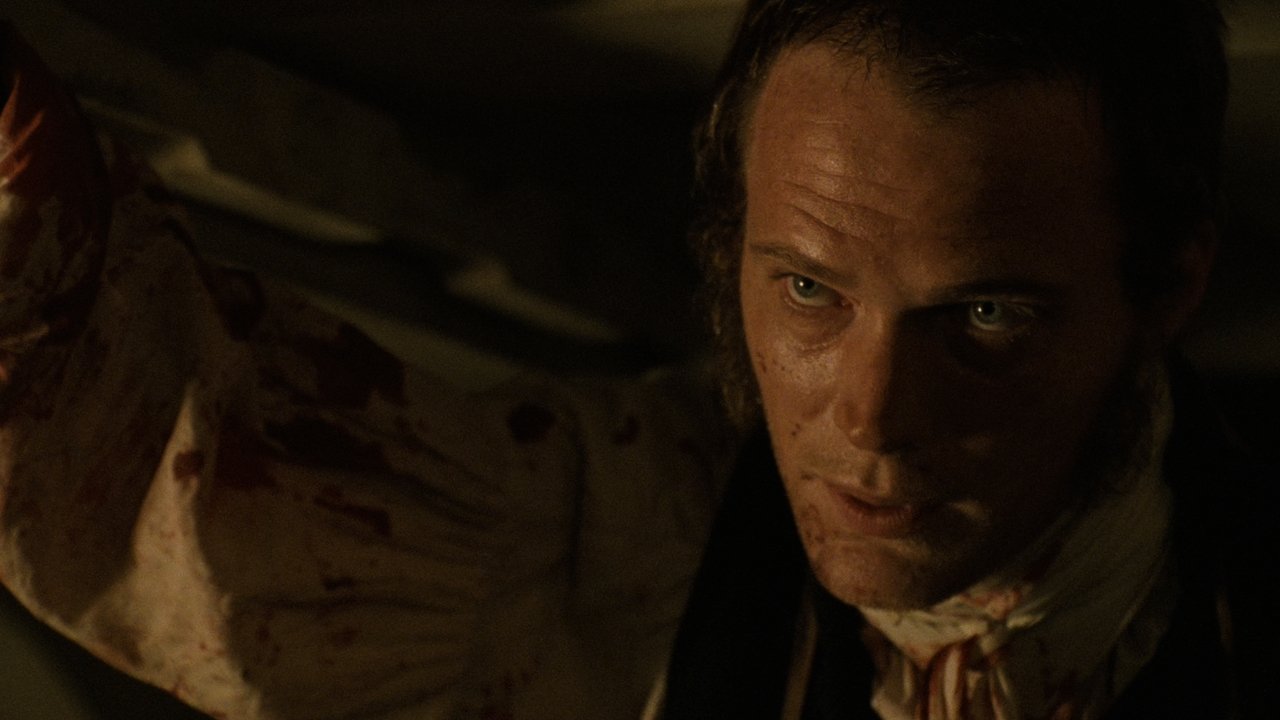
Opposite him, Paul Bettany provides the film’s moral and intellectual heartbeat as Maturin. Their chemistry is the secret sauce. They don't just agree; they bicker, they judge each other, and they play Haydn and Mozart duets to bridge the gap between the warrior and the man of science. Bettany’s performance is a masterclass in stillness, especially during the self-surgery scene—a sequence so intense I once tried to distract myself by counting the buttons on my shirt, only to realize I was holding my breath so hard I felt lightheaded.
The supporting cast, including a young James D'Arcy and Lee Ingleby, fills out a world that feels inhabited, not cast. You believe these men have lived in these cramped, wet quarters for months. There’s a psychological weight to the "phantom" chase of the Acheron that feels more like a horror movie than a standard war flick. The French ship is a ghost, a superior predator that haunts the fog, turning the hunter into the prey.
The Cult of the One-Off Epic
It’s a minor tragedy of the early 2000s that we never got a sequel. The film was a victim of its own ambition; with a $150 million budget, its $211 million box office return wasn't enough to trigger the franchise everyone clearly wanted. It became a "Dad Movie" staple, a DVD shelf essential that grew in stature every year as audiences realized how rare this level of craftsmanship had become.
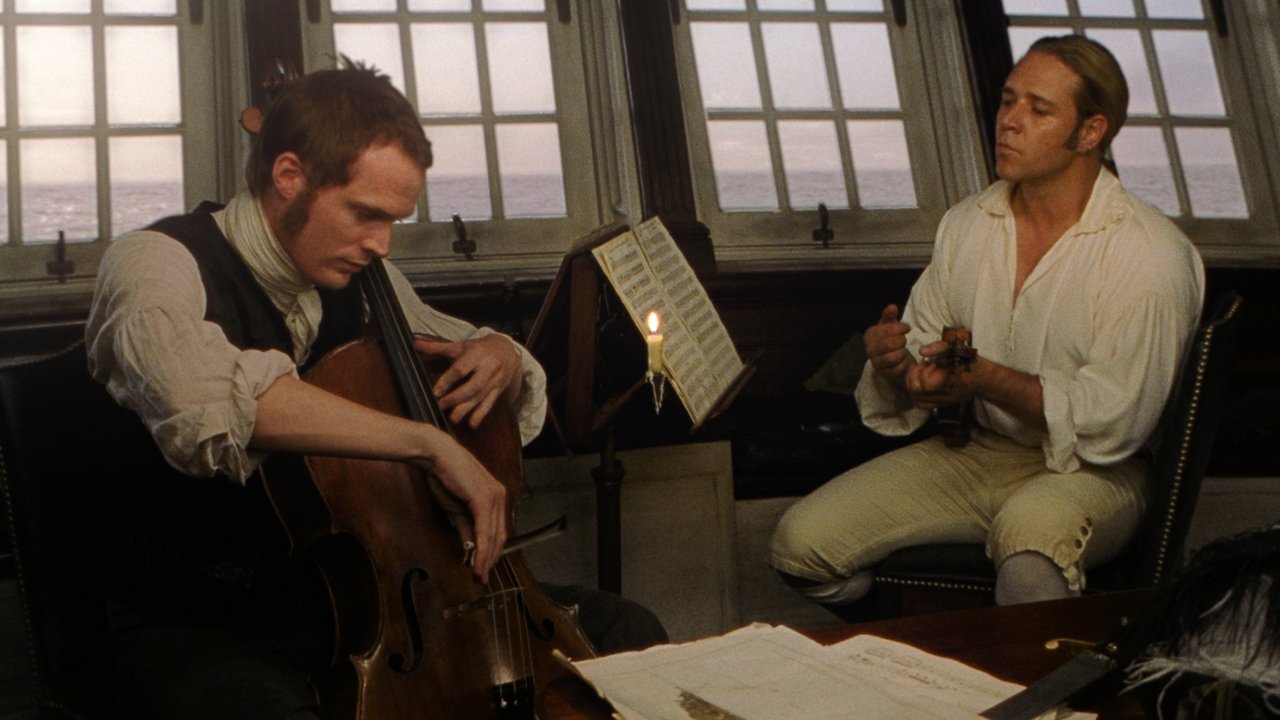
The trivia surrounding the production is the stuff of legend for film nerds. Russell Crowe and Paul Bettany actually learned to play their instruments for their roles, practicing for months to achieve a believable level of proficiency. Weir was so obsessed with authenticity that he spent months recording the sounds of authentic period cannons and the specific "groan" of different types of wood under stress. Even the "hardtack" the sailors eat was historically accurate—I actually bought a piece of authentic sailor's hardtack at a maritime museum once because of this movie, and it tasted like a salted brick designed to break human spirits.
This isn't a film about the "glory" of war in a traditional sense. It’s about the crushing weight of command and the strange, beautiful bonds formed in the face of certain death. It’s dark, it’s intense, and it treats its audience like adults. It reminds us that before we had superheroes in capes, we had men in blue coats who sailed into the unknown with nothing but a compass and a sense of duty.
Master and Commander is a towering achievement of 21st-century filmmaking that feels like it belongs to an older, sturdier tradition. It’s a film that demands your full attention and rewards it with a world so complete you can feel the salt on your skin. If you’ve only ever seen it on a small screen, find the biggest one you can, crank the sound, and prepare to go to the far side of the world. You won't want to come back.
Keep Exploring...
-
Kingdom of Heaven
2005
-
The Way Back
2010
-
Red Cliff
2008
-
The Thin Red Line
1998
-
The Patriot
2000
-
Enemy at the Gates
2001
-
Letters from Iwo Jima
2006
-
The Hurt Locker
2008
-
Green Zone
2010
-
Unbroken
2014
-
A Knight's Tale
2001
-
Hotel Rwanda
2004
-
King Arthur
2004
-

Pan's Labyrinth
2006
-
Thelma & Louise
1991
-
The Last Samurai
2003
-
300
2007
-

Brothers
2009
-
127 Hours
2010
-

War Horse
2011