Matchstick Men
"The sting is only half the pain."
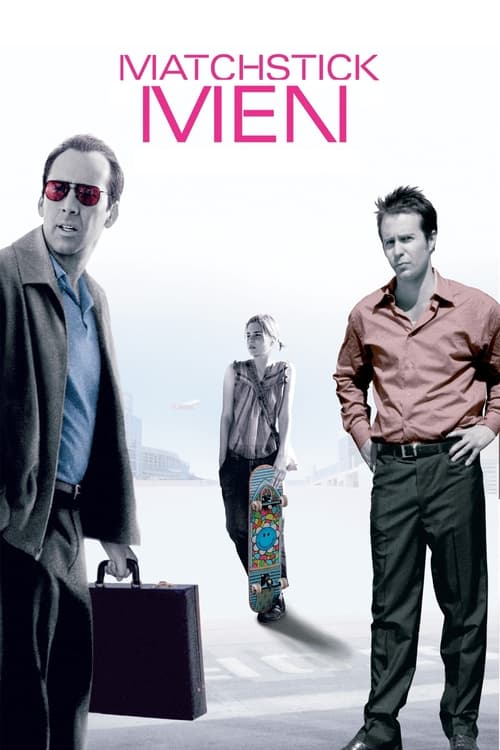
The sound of a door opening shouldn’t be this stressful. But in the opening minutes of Ridley Scott’s Matchstick Men, every click, every slide of a bolt, and every obsessive-compulsive "one, two, three" feels like a countdown to a nervous breakdown. I first watched this movie on a humid Tuesday evening while my neighbor was outside practicing the ukulele—a repetitive, plucking sound that somehow perfectly mirrored the frantic, jittery rhythm of Roy Waller’s internal clock.
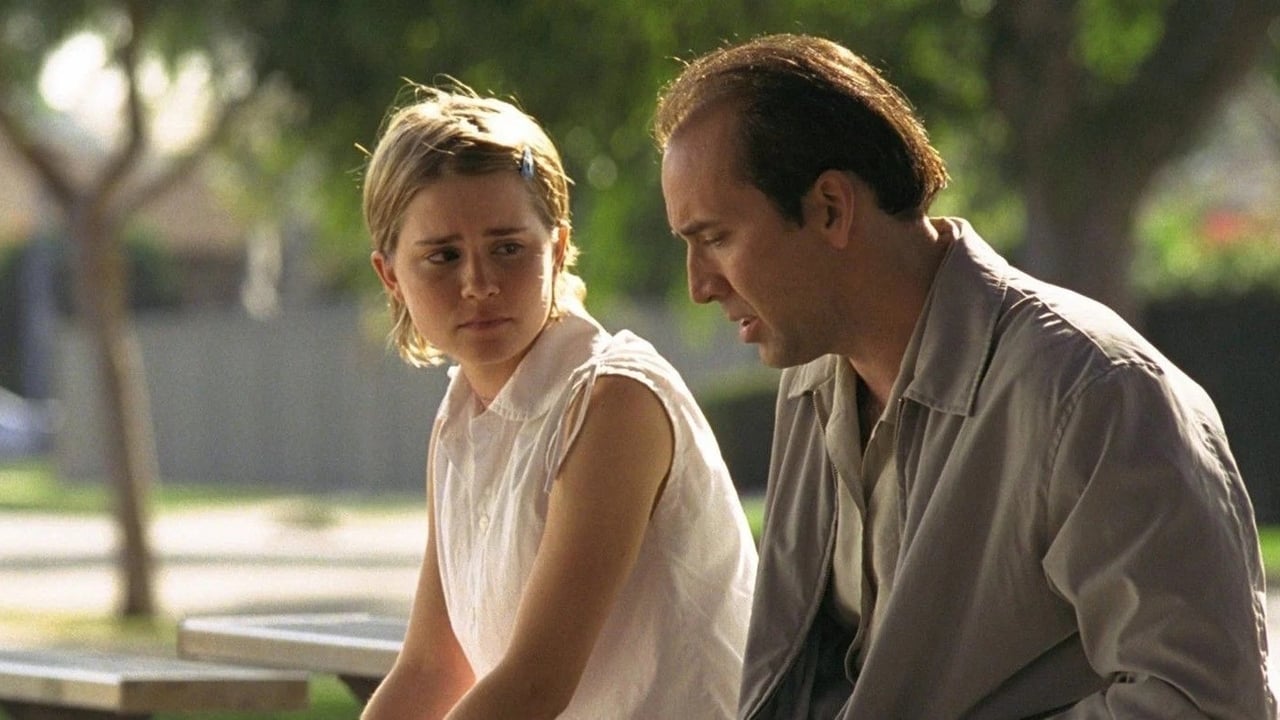
Released in 2003, Matchstick Men arrived at a strange crossroads in cinema. We were firmly in the post-9/11 era, a time when Hollywood was grappling with a new kind of collective anxiety, and Nicolas Cage was still a prestige powerhouse rather than a meme-lord. It’s a film that looks like a breezy con-artist caper on the surface, but underneath that slick, sun-drenched Los Angeles exterior, it’s a surprisingly dark exploration of loneliness and the desperate, often self-destructive need for human connection.
The Gospel According to Saint Nic
To talk about this film is to talk about the "Cage Rage," but here, it’s harnessed with surgical precision. As Roy, a small-time con artist plagued by agoraphobia, Tourette’s-like tics, and a paralyzing fear of "the outside," Nicolas Cage gives a performance that is both exhausting and deeply empathetic. He isn't just playing a collection of quirks; he’s playing a man who has built a prison out of his own routines to avoid facing the vacuum of his life.
When Roy runs out of his medication and has to visit a new therapist, Bruce Altman, he discovers he has a fourteen-year-old daughter he’s never met. Enter Alison Lohman as Angela. The chemistry between them is the film's secret weapon. At the time, Lohman was actually 23 years old, but she disappears into the role of a hyper-active, soda-slurping teenager so convincingly it’s almost unsettling. She becomes the "matchstick" that lights up Roy’s grey world, but she also introduces a chaotic variable into his meticulously ordered life of "low-impact" thievery.
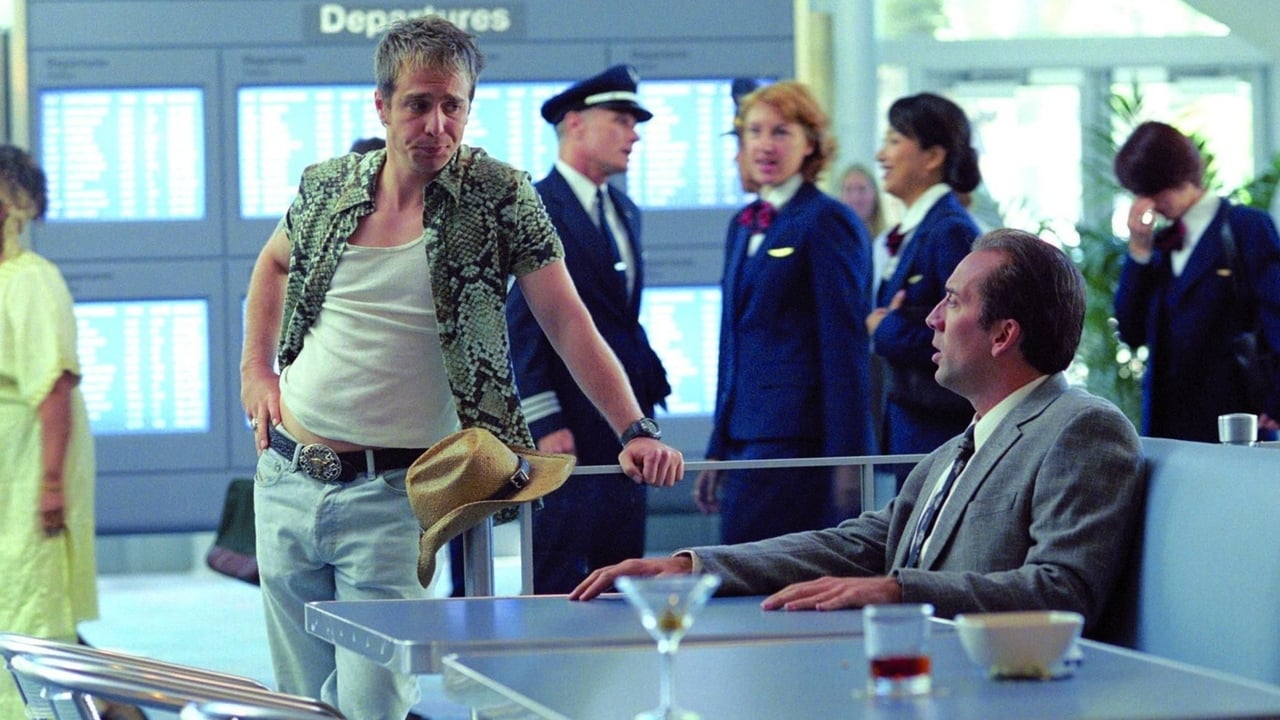
The supporting cast is equally sharp. Sam Rockwell, coming off Confessions of a Dangerous Mind (2002), plays Roy’s partner Frank with an oily, fast-talking charisma that feels like a precursor to his later Oscar-winning roles. He’s the guy who thinks he’s the smartest person in the room, but he’s really just the guy who knows how to talk people into letting him in. I’m convinced Sam Rockwell is the only actor alive who can make eating a sandwich look like a high-stakes power move.
A Precise Kind of Chaos
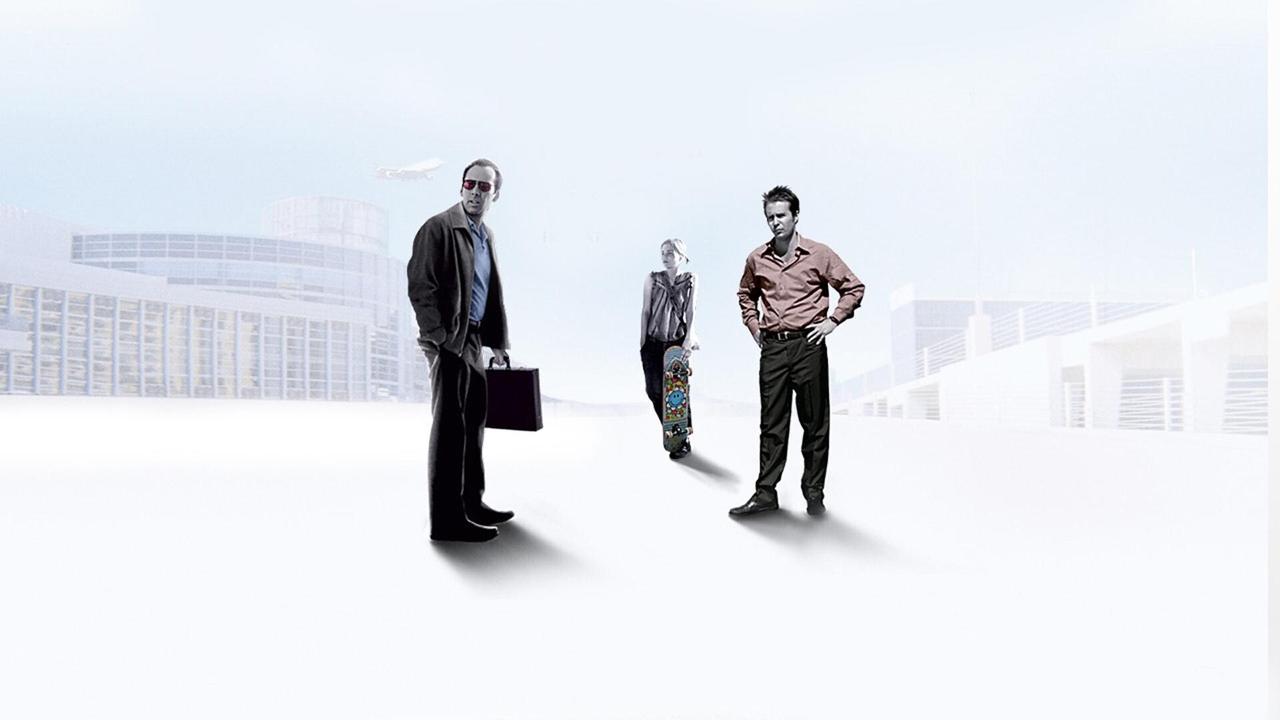
What makes Matchstick Men stand out from the Ocean's Eleven clones of the early 2000s is Ridley Scott. Usually known for sprawling epics like Gladiator or Black Hawk Down, Scott scales everything down here to the level of a character study. He uses a hyper-saturated color palette and jittery, fast-cut editing to put us inside Roy’s head. When Roy is panicking, the frame seems to shrink; when he’s conning a mark, the camera glides with a predatory smoothness.
The film leans into the "Modern Cinema" transition of its era, utilizing that clean, high-contrast film stock look before the industry fully succumbed to the flatter textures of early digital. It feels tangible—you can almost smell the antiseptic Roy uses to scrub his carpet and the stale air of the bowling alleys where he executes his "pigeon drops."
Interestingly, the "sting" of the movie isn't just about the money. The screenplay by Ted and Nicholas Griffin (Ted also wrote the Ocean’s Eleven remake) focuses on the emotional heist. The cons Roy and Frank pull are small, almost pathetic—selling water filtration systems to retirees for ten times their value. It’s "small ball" crime, which makes the stakes feel uncomfortably intimate. This movie is secretly a horror film about the impossibility of ever truly knowing the people we love.
The DVD Era and The Long Con
Looking back, Matchstick Men feels like a prime example of a film that was built to be rediscovered on DVD. I remember the "Special Edition" release being a staple of video store shelves—the kind of movie you’d rent because the blockbuster you wanted was out of stock, only to realize you’d found something much better.
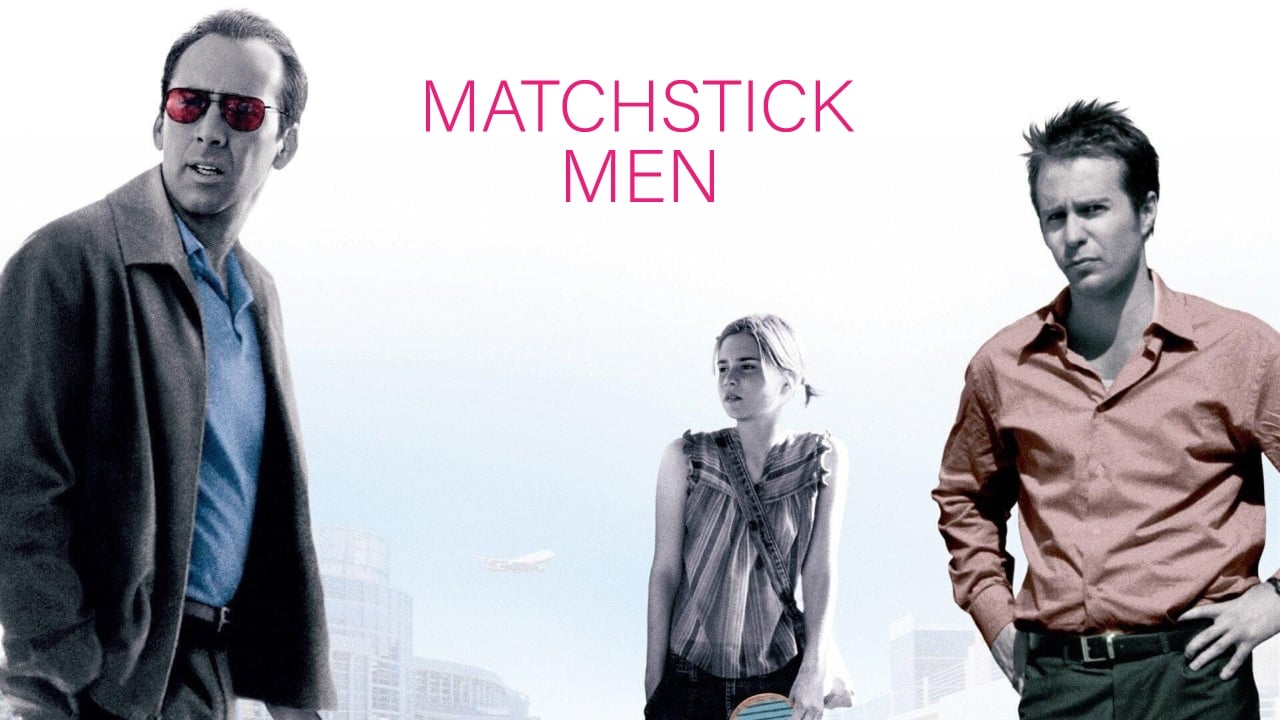
There’s a legendary bit of trivia regarding the production: to prepare for the role, Nicolas Cage actually researched the specific neurological triggers of OCD, but he also leaned into his own improvisational instincts. The "Pygmalion" scene, where Roy teaches Angela how to pull a basic grocery store con, was largely built on the fly to capture the genuine thrill of a father-daughter bonding session rooted in felony.
The film also barely doubled its $62 million budget at the box office, which is likely why it’s often overlooked in Scott’s filmography. It’s a "medium-budget" adult drama—a genre that has all but vanished from the modern theatrical landscape, replaced by $200 million franchises or $5 million indies. It’s a relic of a time when a major studio would bankroll a movie where the biggest "action" sequence involves a man trying to buy a box of cereal during a panic attack.
Matchstick Men is a masterclass in the "unreliable emotional narrative." It lures you in with the promise of a clever caper, but it stays with you because of the hollow ache it leaves in your chest by the final frame. It’s one of the few con-artist movies that understands that the most dangerous lie isn't the one you tell the mark—it's the one you tell yourself just to get through the day.
If you’ve only ever seen the "Cage Rage" memes, do yourself a favor and see the performance that justifies the hype. It’s twitchy, it’s heartbreaking, and it’s a reminder that even in a world built on lies, the need for a daughter’s hug is the only thing that’s real. Just don't forget to count to three before you open the door to let the movie in.

Keep Exploring...
-

Hannibal
2001
-

American Gangster
2007
-

Adaptation.
2002
-
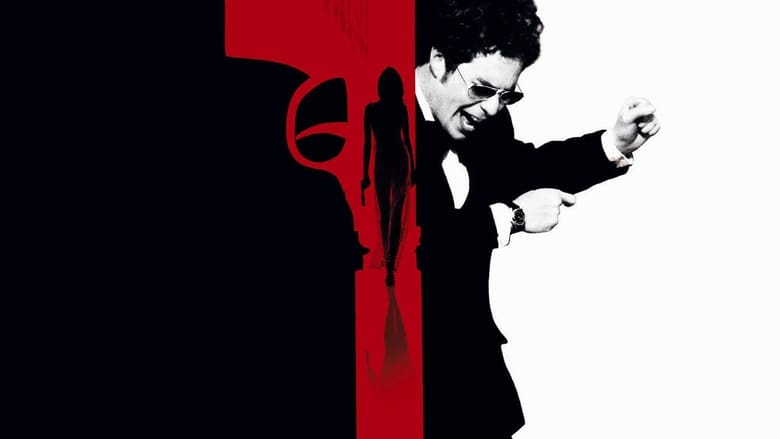
Confessions of a Dangerous Mind
2002
-

Lord of War
2005
-
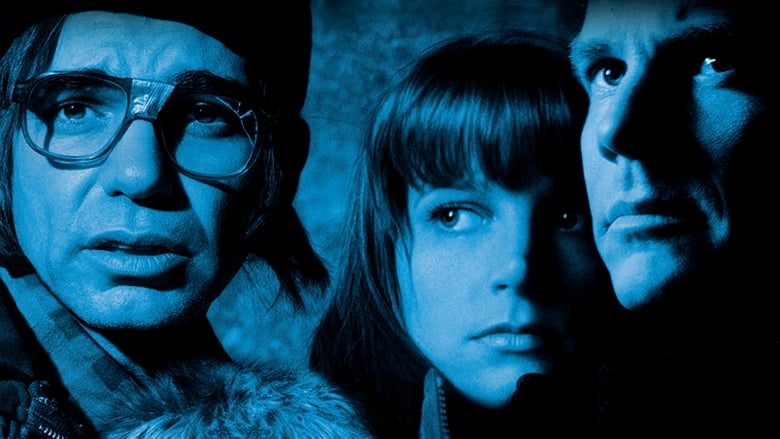
A Simple Plan
1998
-
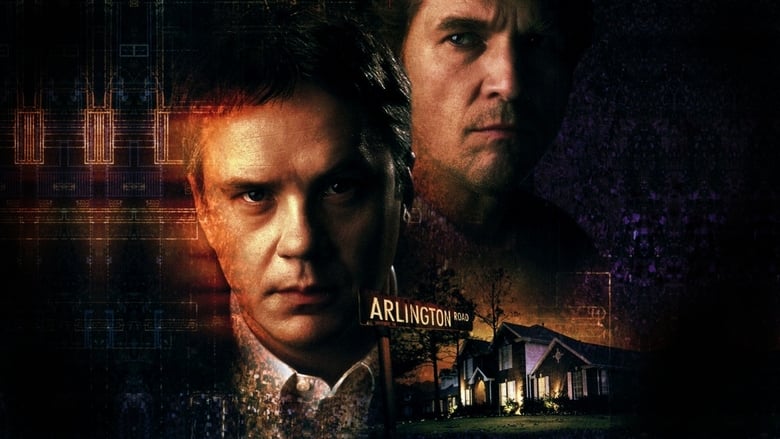
Arlington Road
1999
-
Undisputed II: Last Man Standing
2006
-

United 93
2006
-
Before the Devil Knows You're Dead
2007
-
Collateral
2004
-

A Good Year
2006
-
Infernal Affairs
2002
-
I'm Not Scared
2003
-
The Protector
2005
-

Tell No One
2006
-
Mesrine: Killer Instinct
2008
-
Mesrine: Public Enemy #1
2008
-

Miller's Crossing
1990
-
Barton Fink
1991