Memories of Murder
"The gaze that waits for you in the dark."
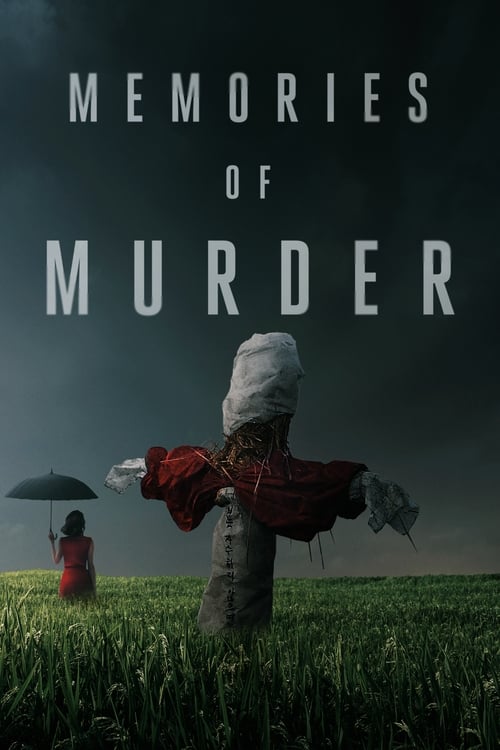
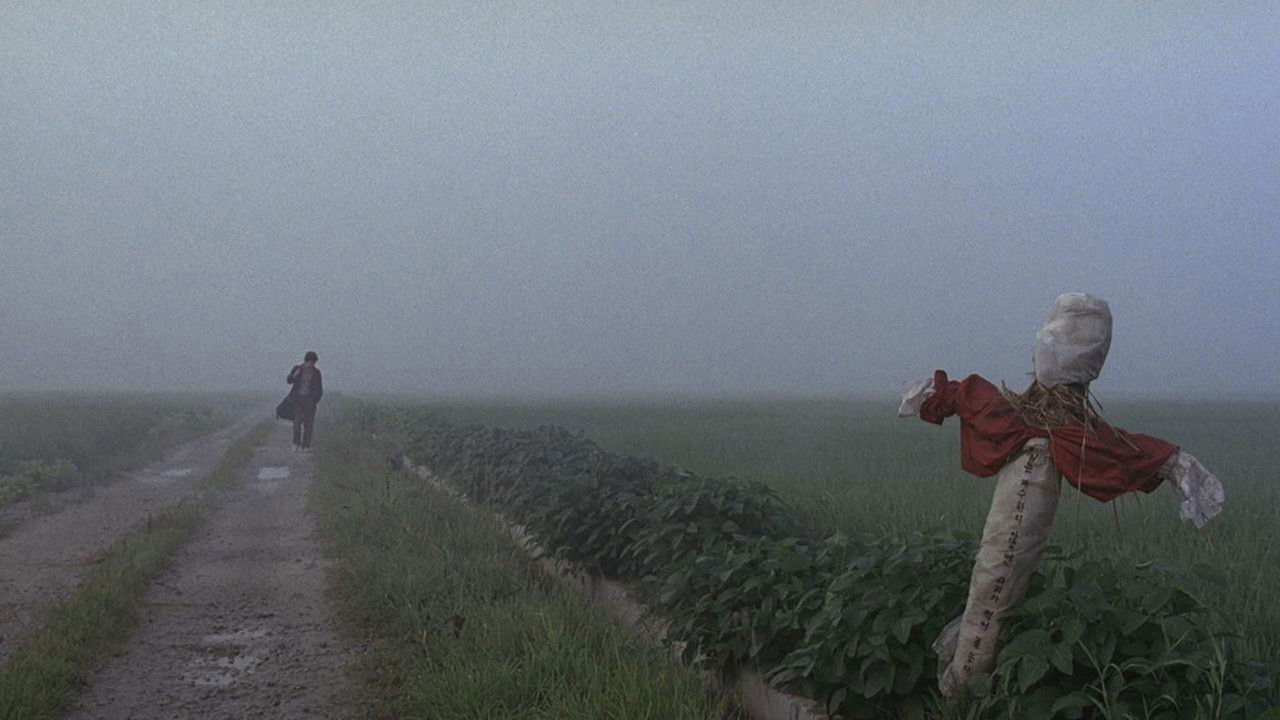
There is a specific, sun-drenched horror in the opening minutes of Memories of Murder that I haven't been able to shake since I first watched it on a flickering CRT television while my neighbor’s dog barked incessantly at a passing mailman. It’s 1986 in rural Gyeonggi Province, and the fields are a lush, mocking gold. A young boy finds a dragonfly; a detective finds a corpse in a concrete drainage ditch. It’s a collision of the pastoral and the putrid that signaled the arrival of Bong Joon Ho—a director who would eventually take over the world with Parasite, but who was here perfecting the art of the cinematic gut-punch.
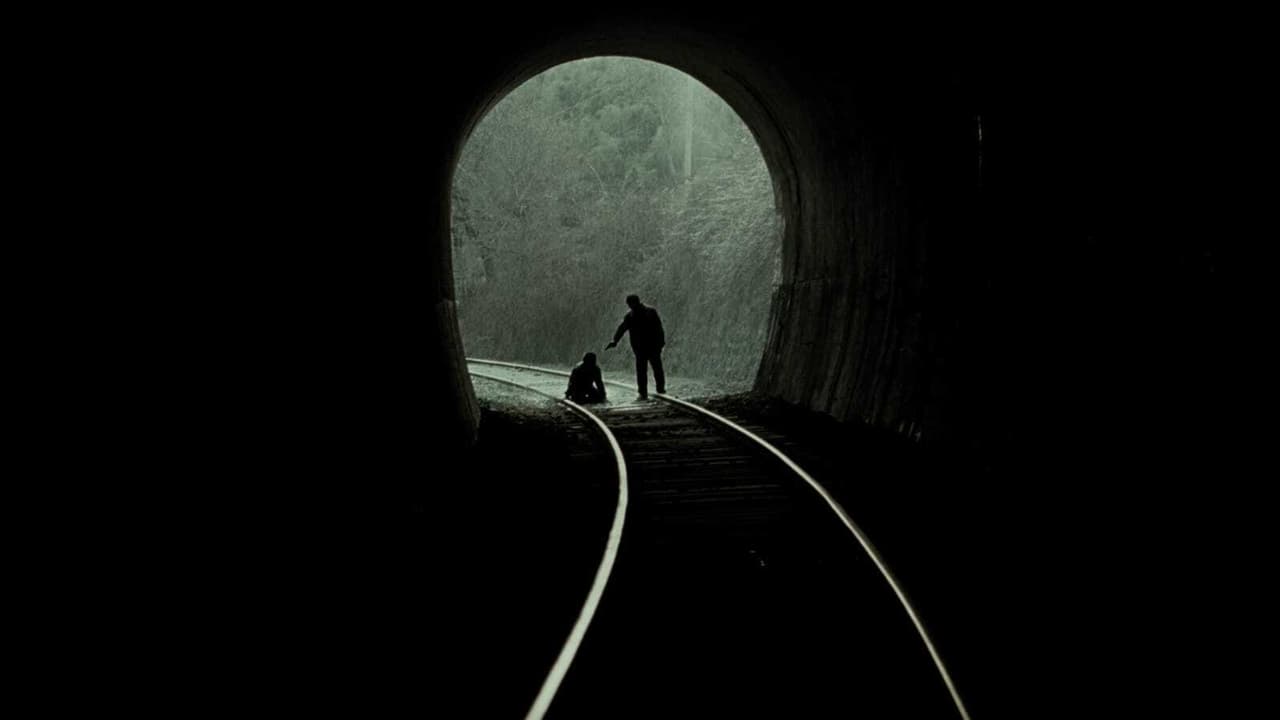
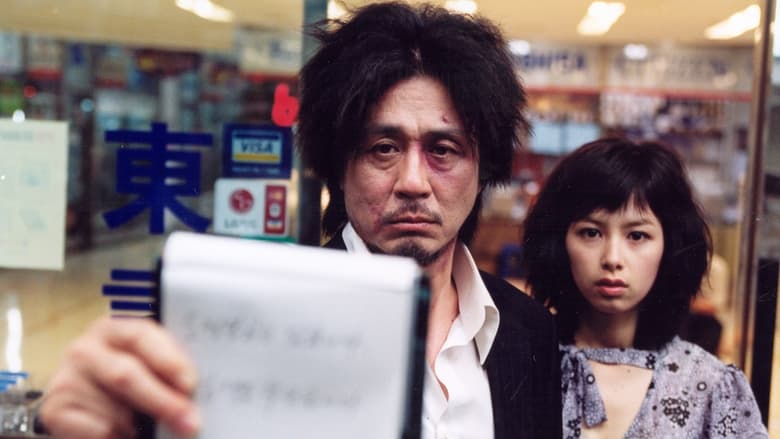
Looking back at 2003, we were in the thick of a South Korean "New Wave." While Hollywood was busy digitizing everything in sight, filmmakers like Bong and Park Chan-wook (who released Oldboy the same year) were doing something far more tactile and dangerous. They were taking American genres—the police procedural, the revenge thriller—and twisting them until the bones cracked. Memories of Murder isn't just a movie about a serial killer; it’s a movie about the crushing weight of incompetence and the realization that sometimes, the "good guys" are just men shouting into a void.
The Face of Frustration
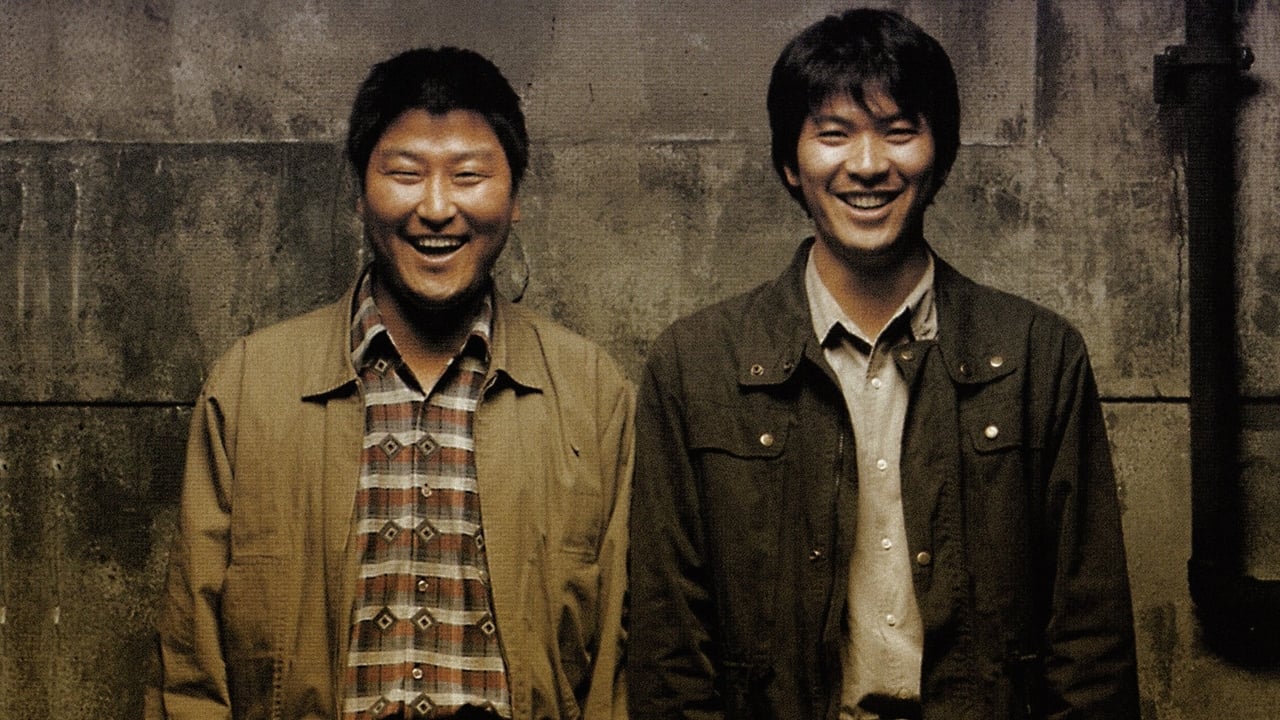
At the heart of the chaos is Song Kang-ho, an actor who possesses the most expressive "ordinary man" face in cinema history. As Detective Park Doo-man, he represents the old guard of Korean policing: superstitious, prone to planting evidence, and convinced he can "read" a suspect just by looking into their eyes. He’s joined by Kim Sang-kyung as Detective Seo Tae-yoon, the big-city professional from Seoul who relies on documents and logic.
The chemistry between them is less of a partnership and more of a slow-motion collision. Park’s methods are absurd—at one point, he tries to identify the killer by looking for a man without pubic hair—while Seo’s logic eventually curdles into a desperate, violent obsession. Seeing Song Kang-ho transition from a bumbling, almost comedic figure into a man hollowed out by failure is one of the most transformative performances of the early 2000s. He’s supported by Kim Roi-ha, whose character’s primary investigative tool is a combat boot and a flying dropkick. The dropkick is honestly the most sincere piece of police work in the entire film. It’s a brutal, clumsy response to a problem they aren't equipped to solve.
A Masterclass in Atmospheric Dread
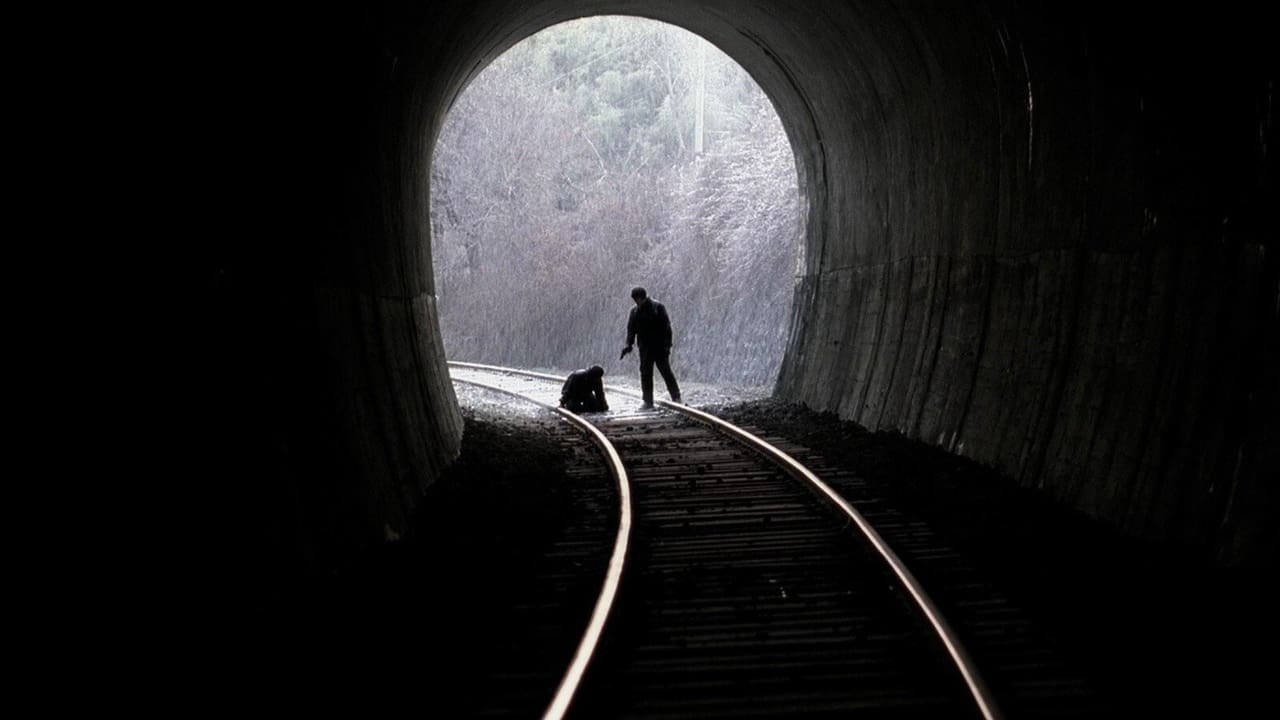
Technically, the film is a miracle of 2003 craftsmanship. This was an era where the DVD "Special Features" were our film school, and the commentary tracks for this movie reveal a director obsessed with the "wetness" of the frame. Cinematographer Kim Hyung-koo—who also lensed the haunting The Host—captured a world that feels perpetually damp. The rain in this movie doesn't just fall; it feels like it’s soaking into the characters’ souls, washing away the evidence and their sanity.
The score by Taro Iwashiro avoids the typical thriller tropes of the time. Instead of high-string tension, he provides a melancholic, almost operatic weight that reminds you this is a tragedy, not a game of cat and mouse. It’s worth noting that the film swept the 2003 Grand Bell Awards (Korea’s equivalent of the Oscars), taking home Best Film, Best Director, and Best Actor. It was a "prestige" picture that didn't feel the need to be polite. It’s gritty, it’s occasionally hilarious in a very dark way, and it’s deeply angry at the social structures of 1980s Korea that allowed a monster to roam free.
The Shadow of the Real
What makes Memories of Murder even more chilling in retrospect is its connection to the real-life Hwaseong serial murders. For decades, the case was South Korea's "Zodiac"—an unsolved wound in the national psyche. Bong famously said he spent months researching the case, even interviewing the detectives involved. He wanted the film to be a "memory" of the era, capturing the transition from a military dictatorship to a burgeoning democracy where the police were too busy suppressing protesters to catch a rapist.
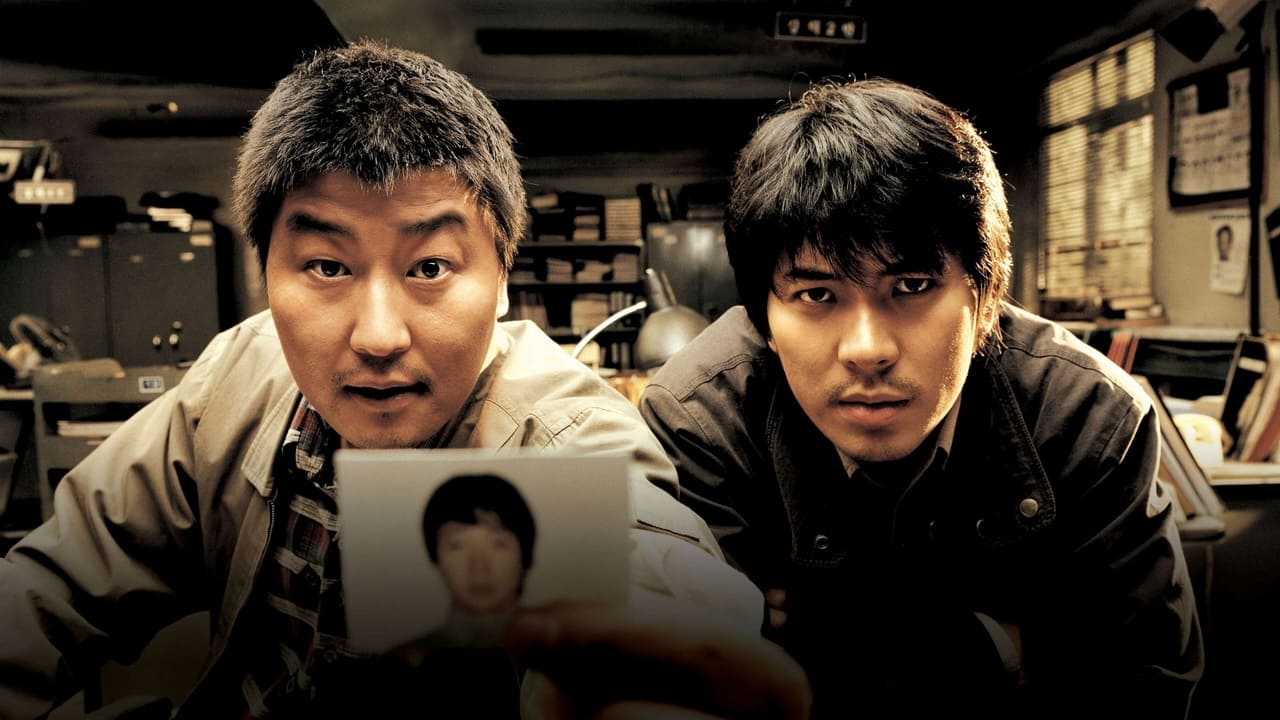
The film’s ending is legendary, and I won't spoil it here if you haven't seen it. But I will say that it involves a direct look into the camera that is designed to pierce through the screen. When the movie was released, the killer was still at large. Bong literally framed the final shot so that if the killer were sitting in the theater, he would be forced to lock eyes with his own failure. It is the most confrontational piece of cinematography I have ever experienced. In 2019, the real killer was finally identified through DNA evidence, adding a final, haunting layer of closure to a film that is fundamentally about the lack of it.
Memories of Murder is the rare thriller that manages to be both a gripping mystery and a profound character study. It avoids the glossy, over-produced feel of many early-2000s blockbusters, opting instead for a grounded, muddy reality that still feels modern today. It’s a film that demands your attention and rewards it with a lingering sense of unease. If you only know Bong Joon Ho from his Oscar win, you owe it to yourself to see where his obsession with class, crime, and the human condition truly began. Just don't expect to sleep soundly after that final gaze.
Keep Exploring...
-
Mother
2009
-
Parasite
2019
-
The Departed
2006
-
The Dark Knight
2008
-
The Host
2006
-
Sympathy for Mr. Vengeance
2002
-
The Silence of the Lambs
1991
-
Carlito's Way
1993
-
The Usual Suspects
1995
-
Fargo
1996
-
L.A. Confidential
1997
-
Irreversible
2002
-
Felon
2008
-
Prisoners
2013
-
Oldboy
2003
-
A Simple Plan
1998
-

The Negotiator
1998
-
The Talented Mr. Ripley
1999
-
American Psycho
2000
-

Traffic
2000