Mona Lisa Smile
"Tradition is a masterpiece that’s long overdue for a restoration."

In the autumn of 2003, Hollywood was still operating under the assumption that if you cut a check for $25 million to Julia Roberts, the universe would naturally align in your favor. It was the peak of the "Star Vehicle" era—a time when a single name above the title could bankroll a mid-budget period drama about 1950s gender politics without a single superhero in sight. I recently revisited Mona Lisa Smile on a grainy DVD I found at a garage sale—complete with that "Widescreen" silver banner at the top—while nursing a lukewarm cup of peppermint tea that I’d forgotten to steep. That sense of "almost-but-not-quite" ended up being the perfect mood for the film itself.
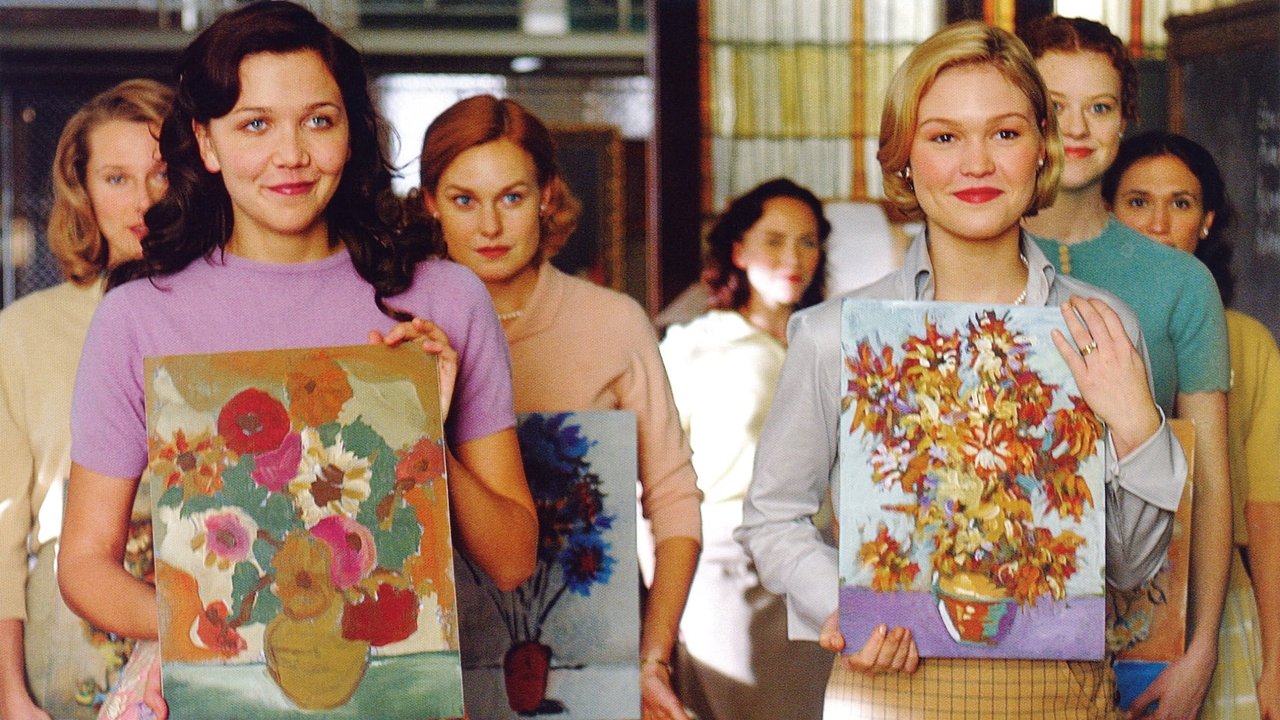
Directed by Mike Newell (fresh off the success of Four Weddings and a Funeral and just before he took on Harry Potter and the Goblet of Fire), the movie is essentially Dead Poets Society traded for pearls and white gloves. It’s glossy, it’s earnest, and it feels like a very expensive wool sweater: comfortable, high-quality, but occasionally a bit itchy.
The Ivy League Avengers
The real joy in looking back at Mona Lisa Smile isn't necessarily the plot—which hits every predictable beat of the "inspirational teacher" subgenre—but the staggering collection of talent in that Wellesley classroom. This was a scouting report for the next decade of Hollywood. You have Kirsten Dunst, fresh off Spider-Man, playing Betty Warren with a sharp, brittle cruelty that masks a soul-crushing disappointment. Julia Stiles (the queen of the early 2000s teen drama, think 10 Things I Hate About You) brings a quiet, intellectual yearning to Joan, the student torn between Yale Law and a suburban kitchen.
Then there’s Maggie Gyllenhaal as Giselle. Honestly, Gyllenhaal is playing a character from a much more daring movie than the one she’s actually in. She brings a bohemian, post-9/11 grit to a 1953 setting, acting circles around the script’s more conventional edges. Seeing a young Ginnifer Goodwin (Walk the Line) as the "ugly duckling" Connie is a trip, especially considering how the film struggles to convince us she isn’t inherently charming.
Julia Roberts plays Katherine Watson with that signature "braying" laugh and those wide-eyed stares of disbelief. While the film positions her as the radical outsider from UCLA, she often feels more like a 21st-century woman who accidentally stepped through a time portal rather than a character living in 1953. She doesn't just challenge the status quo; she looks at it like it’s a foreign species she found under a rock.
A Masterpiece in Mid-Budget Craft
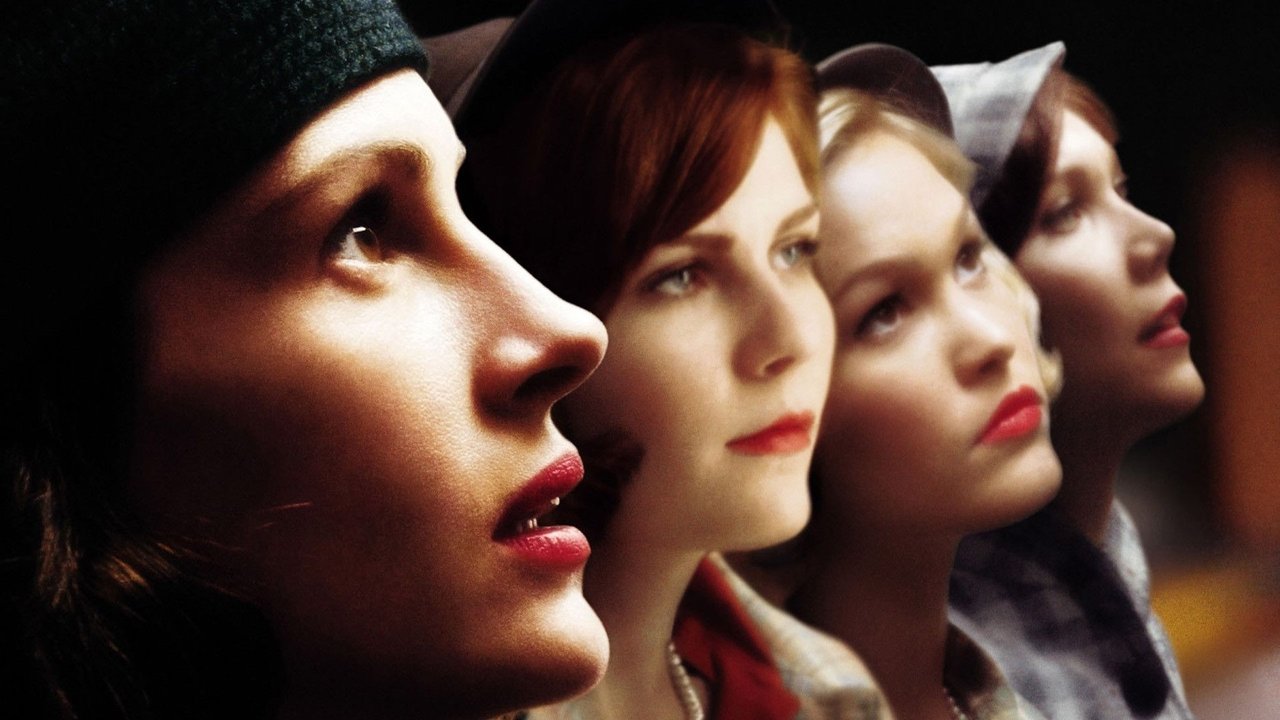
What strikes me now, looking back from our era of flat, digital cinematography and green-screened backdrops, is how beautiful this movie looks. Anastas N. Michos captures the Wellesley campus with a rich, autumnal gold that feels like it’s been dipped in amber. It’s the kind of "Big Studio" craft that we’ve largely lost. The production design is tactile; you can almost smell the oil paint and the starch in the collars.
The script, however, is where the "paint-by-numbers" critique really sticks. It treats art history as a blunt metaphor for life—the "Mona Lisa" herself is invoked as the ultimate symbol of a woman hiding her true self behind a practiced smile. It’s effective, sure, but it’s also the cinematic equivalent of a motivational poster you’d find in a high school guidance counselor's office.
Interestingly, the film ran into some real-world friction. Wellesley College was reportedly hesitant about the production, fearing the script would paint them as a finishing school for housewives. In a bit of meta-commentary, the school eventually embraced it, but the tension between "tradition" and "progress" that the film depicts was very much alive during the shoot.
The DVD Era and the Forgotten Middle
Watching this movie today reminds me of the specific cultural pocket it occupied. This was the height of DVD culture, where you’d buy a movie like this just to watch the "Art History 101" featurette or the "Behind the Scenes" look at the period costumes. It represents a type of film—the "Prestige Lite" drama—that has almost entirely vanished from theaters. Today, Katherine Watson’s struggle would be a six-part miniseries on Max.
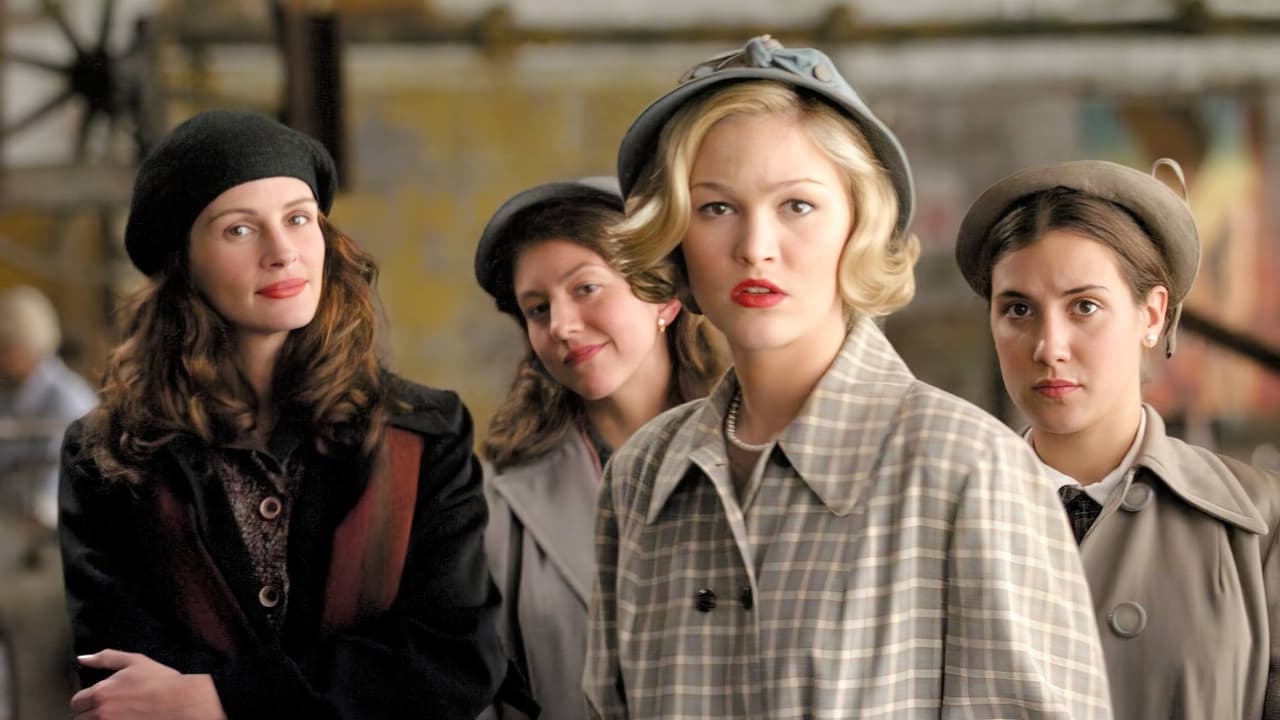
Does it hold up? In many ways, yes. The performances from the "students" have aged better than the central narrative. Kirsten Dunst's arc is the secret heart of the movie, and her eventual realization that she’s been sold a lie is genuinely moving. However, the film’s conclusion feels a bit too tidy for the complex questions it raises. It wants to be a radical feminist statement, but it’s too in love with its own beautiful, conservative aesthetic to truly burn the house down.
Mona Lisa Smile is a cozy, well-acted time capsule of both the 1950s it portrays and the early 2000s that produced it. It’s the ultimate "Sunday afternoon with a blanket" movie—predictable enough to be comforting, but intelligent enough to keep your brain from completely turning off. It’s a reminder of a time when movie stars were the suns that whole cinematic solar systems orbited around, for better or worse.
---
Keep Exploring...
-
Confessions of a Dangerous Mind
2002
-
The New World
2005
-
Elizabeth: The Golden Age
2007
-
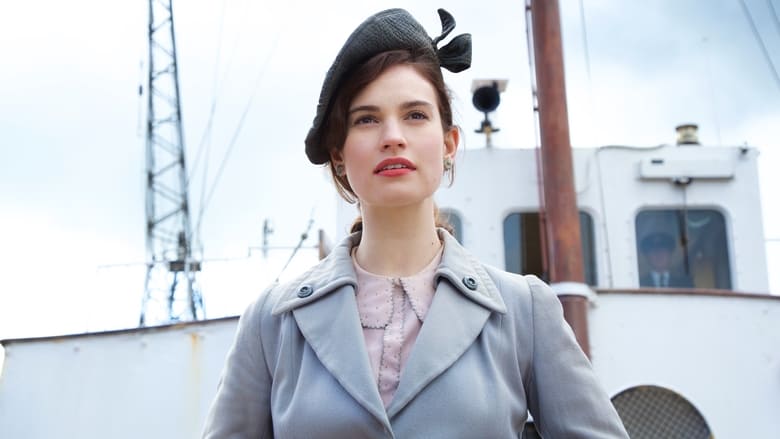
The Guernsey Literary & Potato Peel Pie Society
2018
-
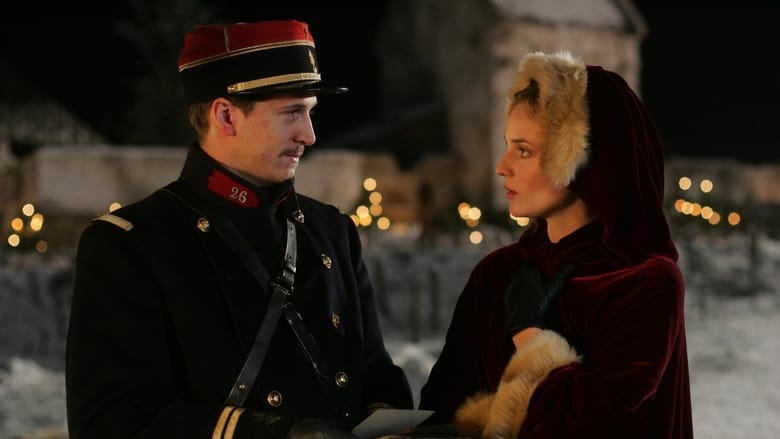
Joyeux Noel
2005
-
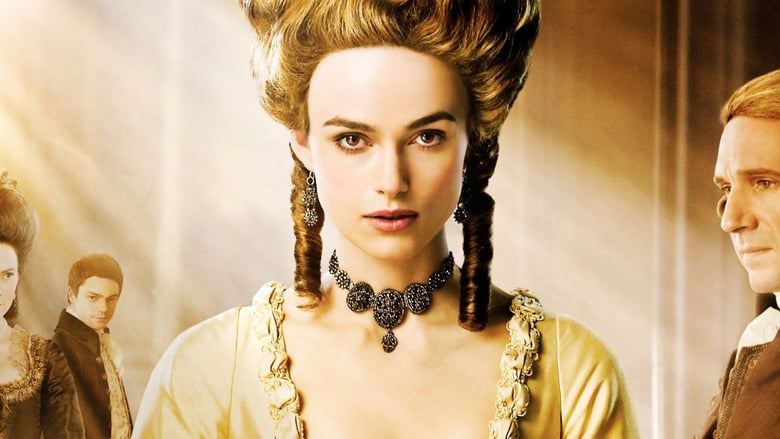
The Duchess
2008
-

Enemy at the Gates
2001
-

Alexander
2004
-

Cinderella Man
2005
-
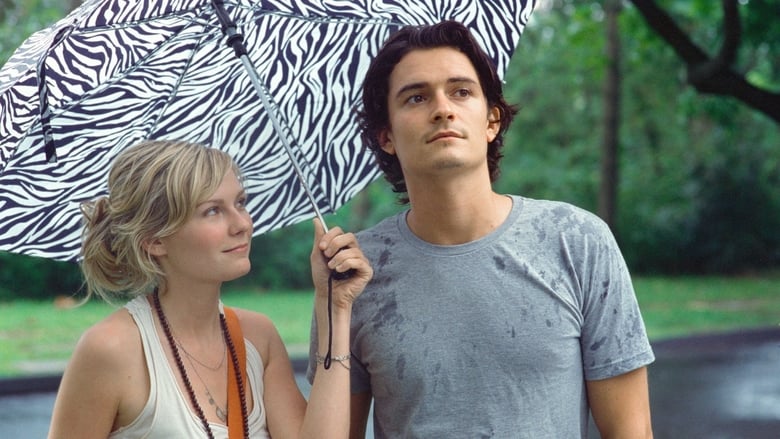
Elizabethtown
2005
-

Memoirs of a Geisha
2005
-
Flags of Our Fathers
2006
-
The Young Victoria
2009
-
Stepmom
1998
-
Four Weddings and a Funeral
1994
-

The Other Boleyn Girl
2008
-
A Royal Affair
2012
-
The Legend of Bagger Vance
2000
-

Unfaithful
2002
-
Seabiscuit
2003