Monster
"Desperation has a way of turning people into ghosts."
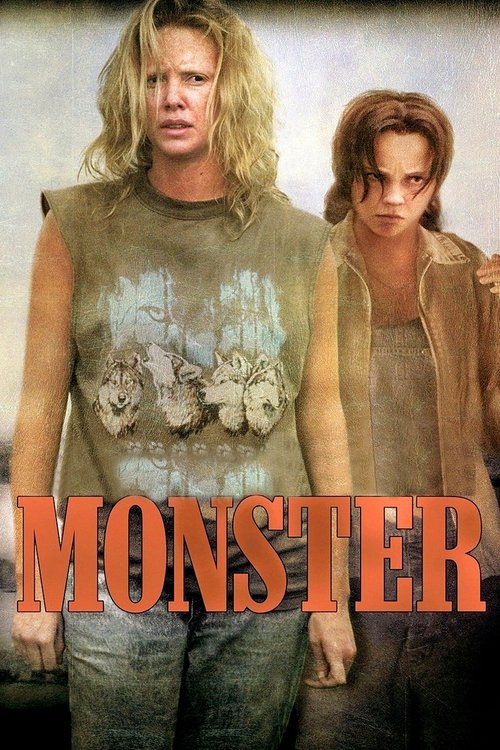
I remember watching Monster for the first time on a grainy DVD I’d borrowed from a library that smelled perpetually of damp carpet and old glue. I had a bowl of lukewarm spaghetti in my lap, but halfway through the first act, the pasta started to feel like it was sweating in sympathy with the Florida humidity on screen. I couldn't finish the meal. You don't "snack" your way through a film like this; you endure it, and then you spend three days trying to wash the metaphorical grit out from under your fingernails.
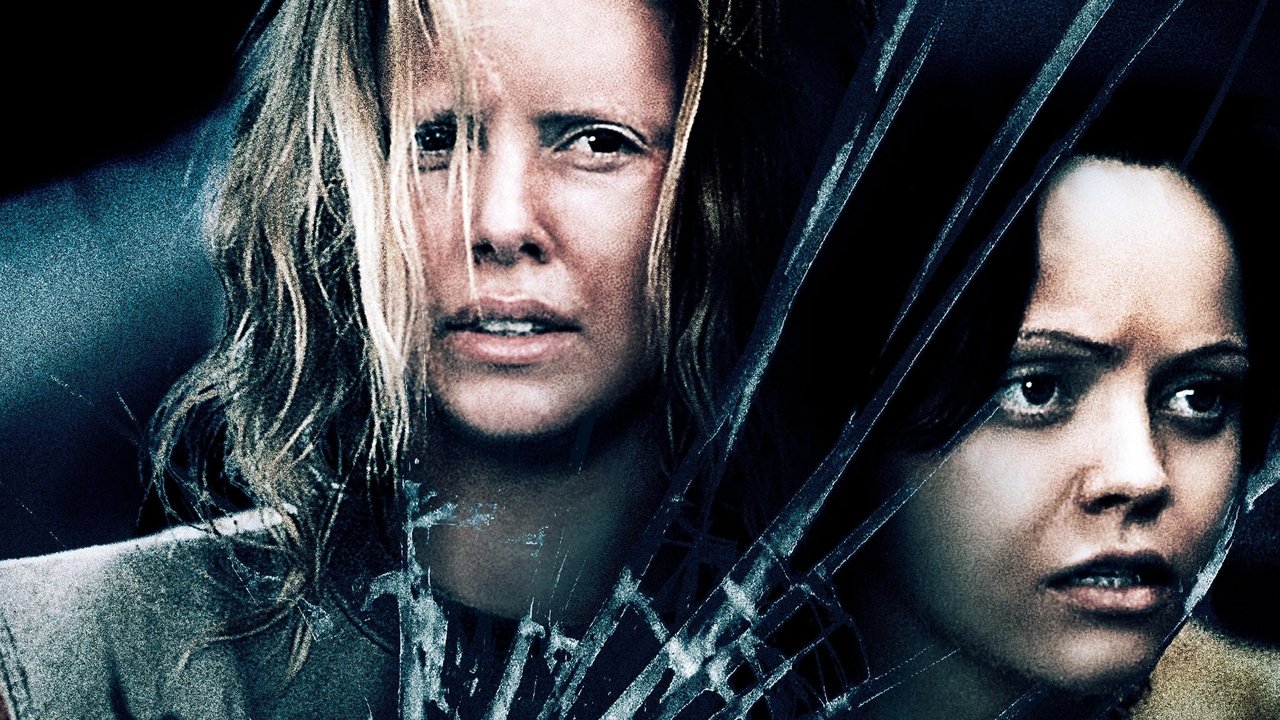
Released in 2003, "Monster" arrived during that fascinating window when indie cinema was proving it could still punch the teeth out of big-budget studio fare. It wasn't just a movie; it was a cultural reset for how we perceive "prestige" acting. Before this, Charlize Theron was the ethereal beauty from The Cider House Rules or the face of high-end perfume. After this, she was the person who looked the abyss in the face and didn't blink.
The Alchemy of the Unraveling
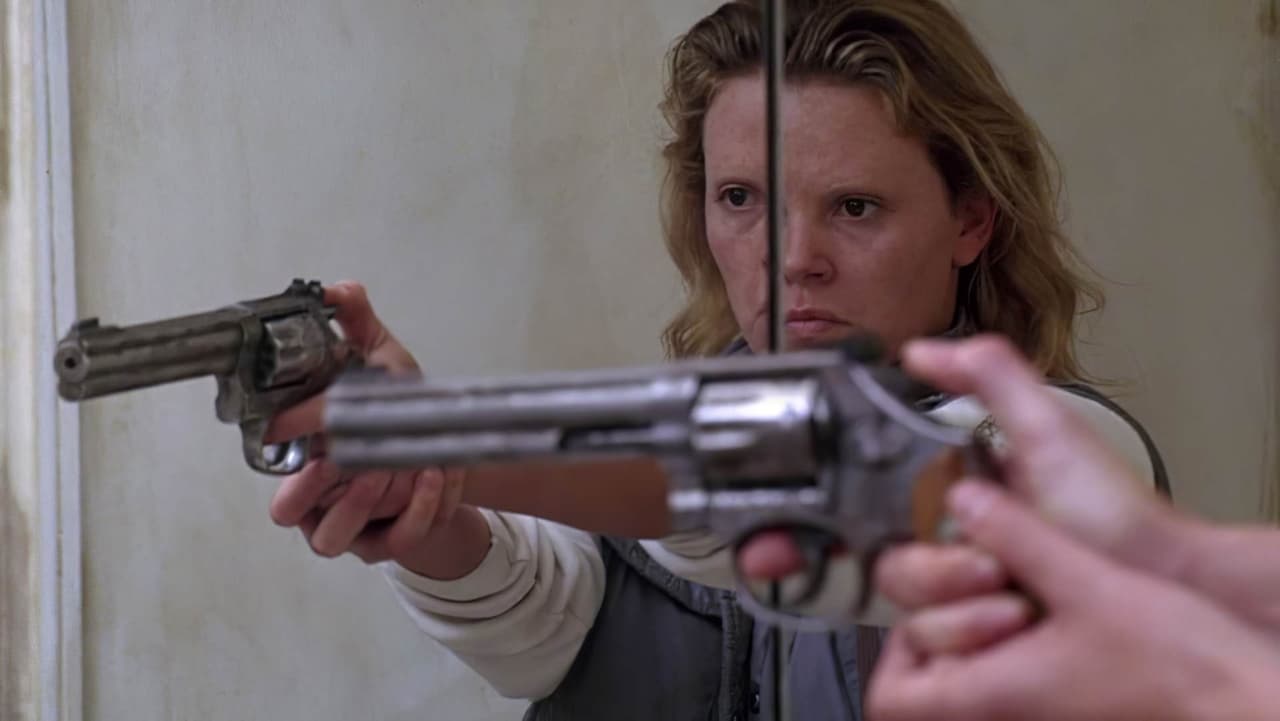
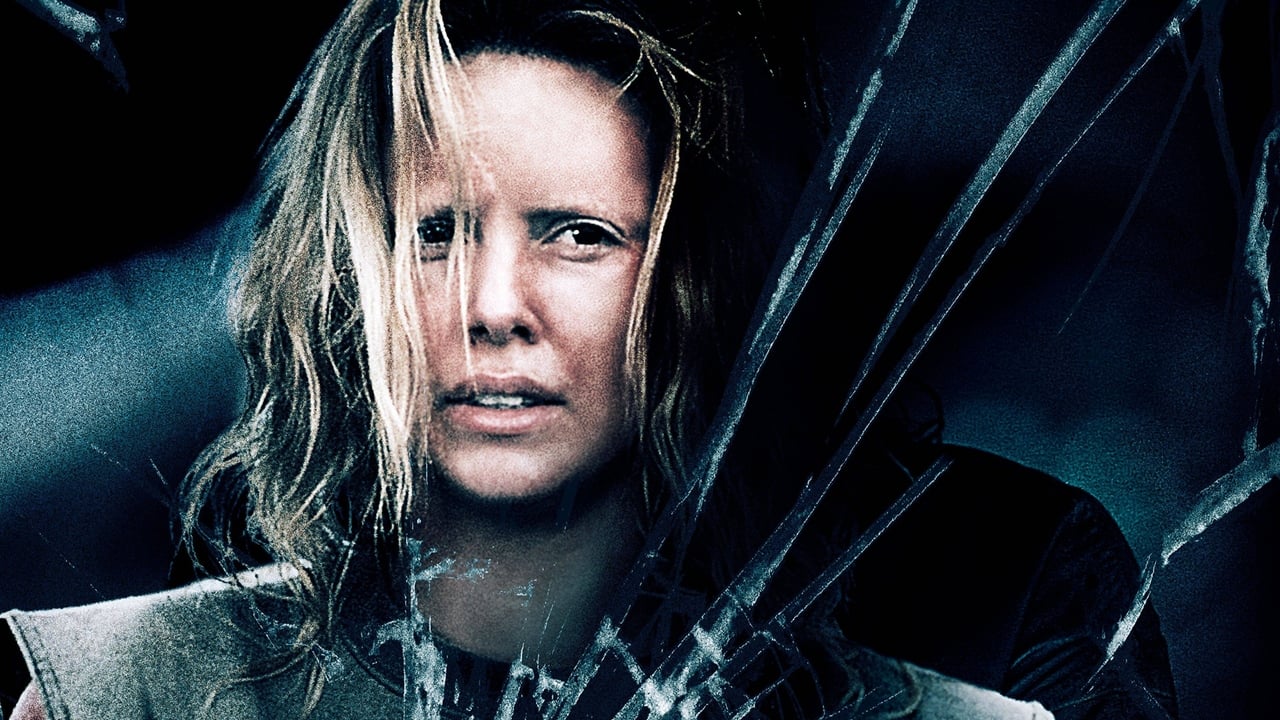
We have to talk about the transformation, but not in the way the tabloids did back then. In 2003, the media was obsessed with the "ugly-up"—the 30-pound weight gain, the blotchy skin, the prosthetic teeth. But looking back now, the physical changes are the least impressive part of what Charlize Theron achieved. It’s the way she carries her shoulders. She moves like a person who has spent her entire life expecting to be hit.
As Aileen Wuornos, Theron manages a feat that few actors ever pull off: she makes Aileen deeply sympathetic without ever once asking you to excuse her. It is a performance built on raw nerve endings. When she meets Selby Wall—played with a delicate, frustrating naivety by Christina Ricci—you see a spark of hope that is genuinely painful to watch. You know where this is going. The "true story" tag at the beginning isn't a suggestion; it’s a death sentence. "Theron doesn't just play a killer; she plays a woman who has been killed a thousand times by a world that didn't want her."
A Sun-Drenched Noir
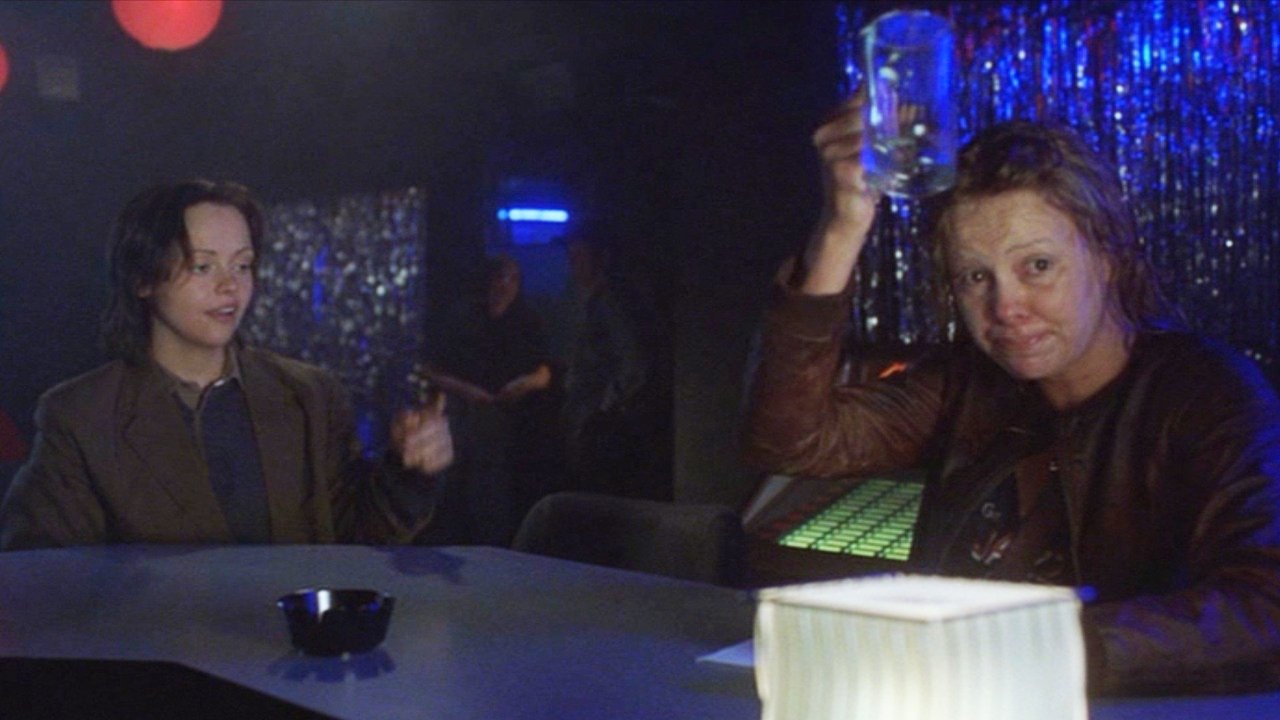
Director Patty Jenkins, making one of the most confident debuts in modern memory, resists the urge to turn this into a standard procedural. There’s no "detective on the trail" subplot eating up the clock. Instead, the film stays trapped in the cabs of semi-trucks, in the neon haze of dive bars like the Last Resort, and in the cramped interiors of cheap motels.
The cinematography by Steven Bernstein captures Florida not as a vacation paradise, but as a swampy, sun-bleached purgatory. Everything looks sticky. You can practically feel the mosquitoes and the stale beer. This atmosphere is heightened by the score from BT, which swaps out traditional orchestral swells for an ambient, electronic thrum that feels like a migraine beginning to take hold. It’s the sound of a mental break in slow motion.
The supporting cast earns their keep, too. Bruce Dern shows up as Thomas, a father figure who provides a momentary, quiet harbor in the storm, while Lee Tergesen plays one of Aileen’s victims with a terrifying, pathetic realism that makes the inevitable violence feel sickeningly earned.
The Letters and the Legacy
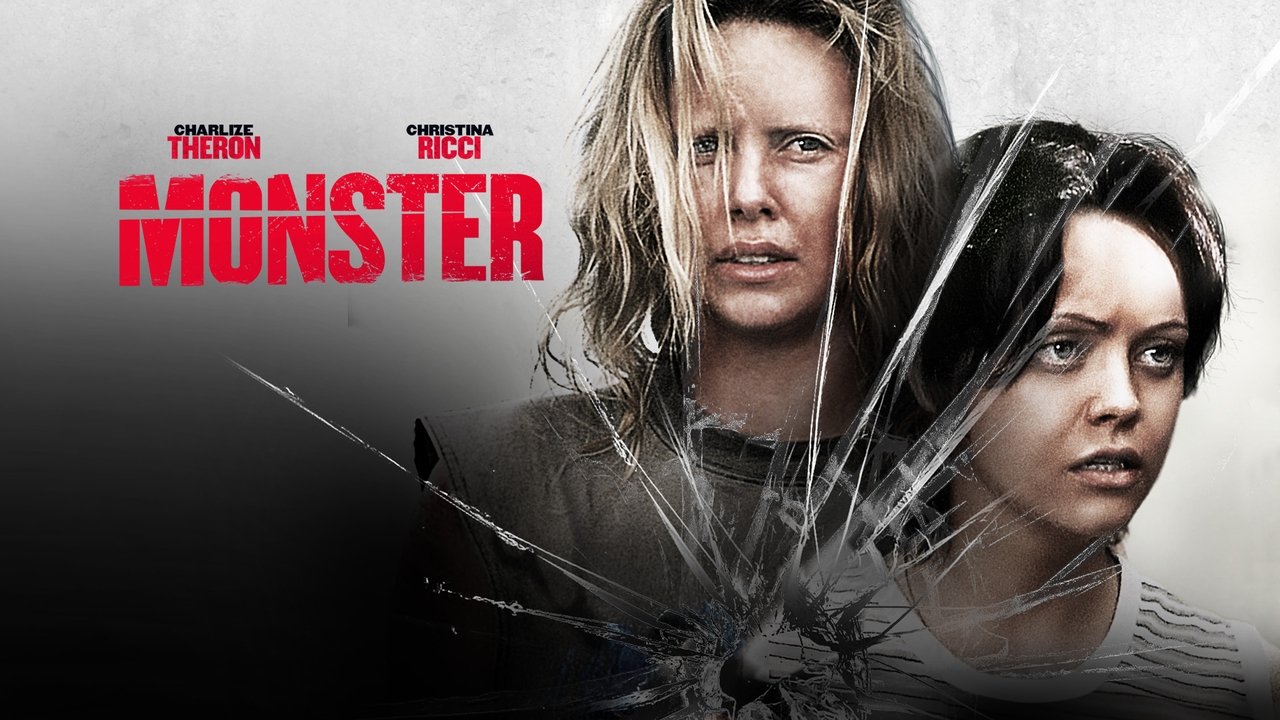
What makes Monster a true cult landmark—and a pillar of the 2000s indie boom—is its refusal to offer easy answers. It was born out of a bizarrely personal connection; Patty Jenkins actually corresponded with Wuornos while she was on death row. Wuornos reportedly liked Jenkins’ letters and eventually handed over her personal papers and legal documents to the production just before her execution in 2002.
That access provides a layer of uncomfortable authenticity. The film was shot in many of the actual locations where Wuornos spent her time, including the real bars where she picked up "tricks." It’s that commitment to the "dirt" of the story that prevented it from becoming a straight-to-video exploitation flick. Theron even used her own production company to help fund the $8 million budget when studios got cold feet about a movie starring a "hideous" female lead who kills people. "Turning a Dior model into a serial killer was the smartest financial gamble of the decade."
Looking back, Monster also serves as a bridge between the analog 90s and the digital era. It feels like a relic of a time when a mid-budget drama could dominate the conversation through sheer force of will and a transformative performance. It doesn't rely on CGI or franchise hooks; it relies on the terrifying complexity of the human soul.
Monster is a difficult, beautiful, and profoundly ugly piece of work. It’s the kind of film that stays in your marrow long after the credits roll, reminding you that "monsters" aren't born in a vacuum—they are meticulously crafted by neglect, abuse, and a society that looks the other way. It is a masterpiece of the "uncomfortable watch," a film that demands your empathy while showing you exactly why you shouldn't give it. Just don't try to eat any spaghetti while you watch it.
Keep Exploring...
-
American Psycho
2000
-
Training Day
2001
-
25th Hour
2002
-
Adaptation.
2002
-
John Q
2002
-
21 Grams
2003
-
Lucky Number Slevin
2006
-
Gone Baby Gone
2007
-

The Negotiator
1998
-
Blow
2001
-
Gangs of New York
2002
-
Road to Perdition
2002
-
Dogville
2003
-

A History of Violence
2005
-

Batman Begins
2005
-

American Gangster
2007
-
Freedom Writers
2007
-

Changeling
2008
-
Boyz n the Hood
1991
-
Thelma & Louise
1991