National Security
"They aren't the law, but they’ll break it anyway."

The year 2003 was a strange, transitional pocket of time for the action-comedy. We were trapped between the gritty, practical stunt-work of the nineties and the impending boom of the hyper-edited, CGI-heavy franchise era. It was a world of oversized velour tracksuits, flip phones with antennas, and the ubiquitous blue-and-silver tint that seemed to coat every Los Angeles-based crime flick. In the middle of this aesthetic soup sat National Security, a movie that feels like a fever dream of post-9/11 "security" anxiety filtered through a very loud, very 2000s lens.
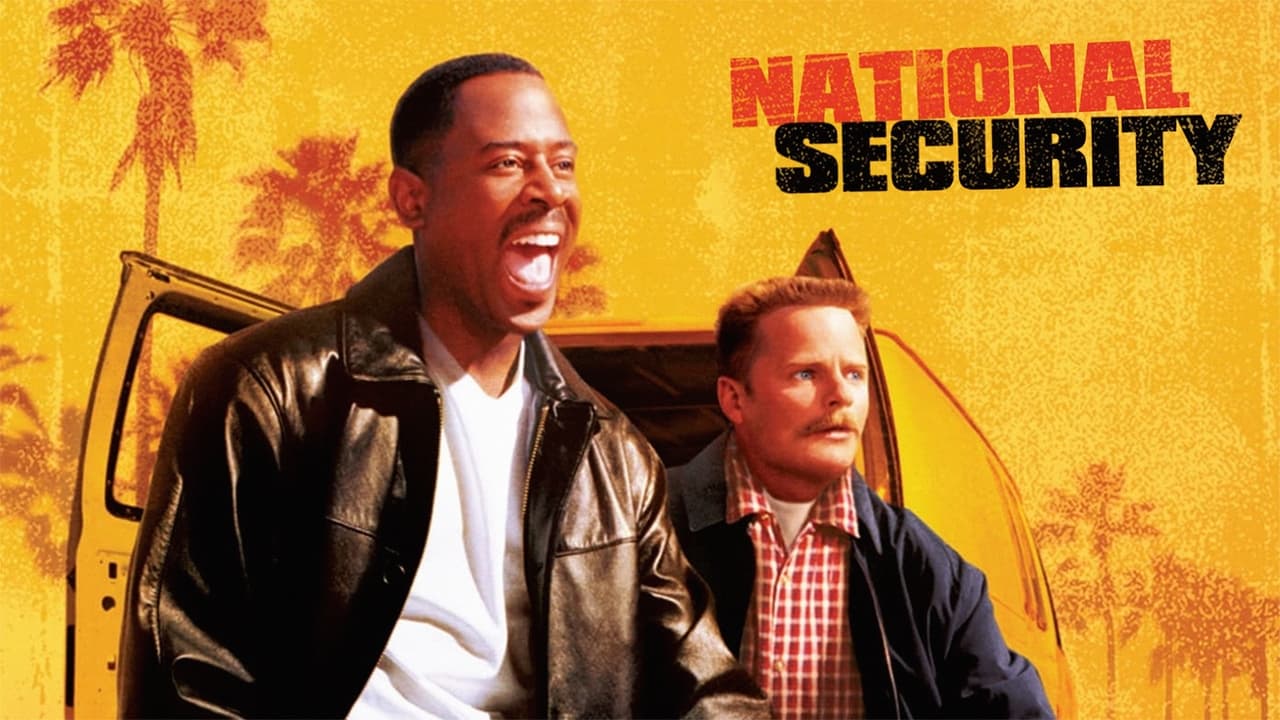
I recently revisited this one while trying to ignore a particularly aggressive fly that had trapped itself in my living room, and the experience was surprisingly fitting. Like that fly, National Security is buzzy, slightly annoying, but possesses a weird, frantic energy that keeps you watching just to see where it lands.
The Odd Couple of the Rent-a-Cop World
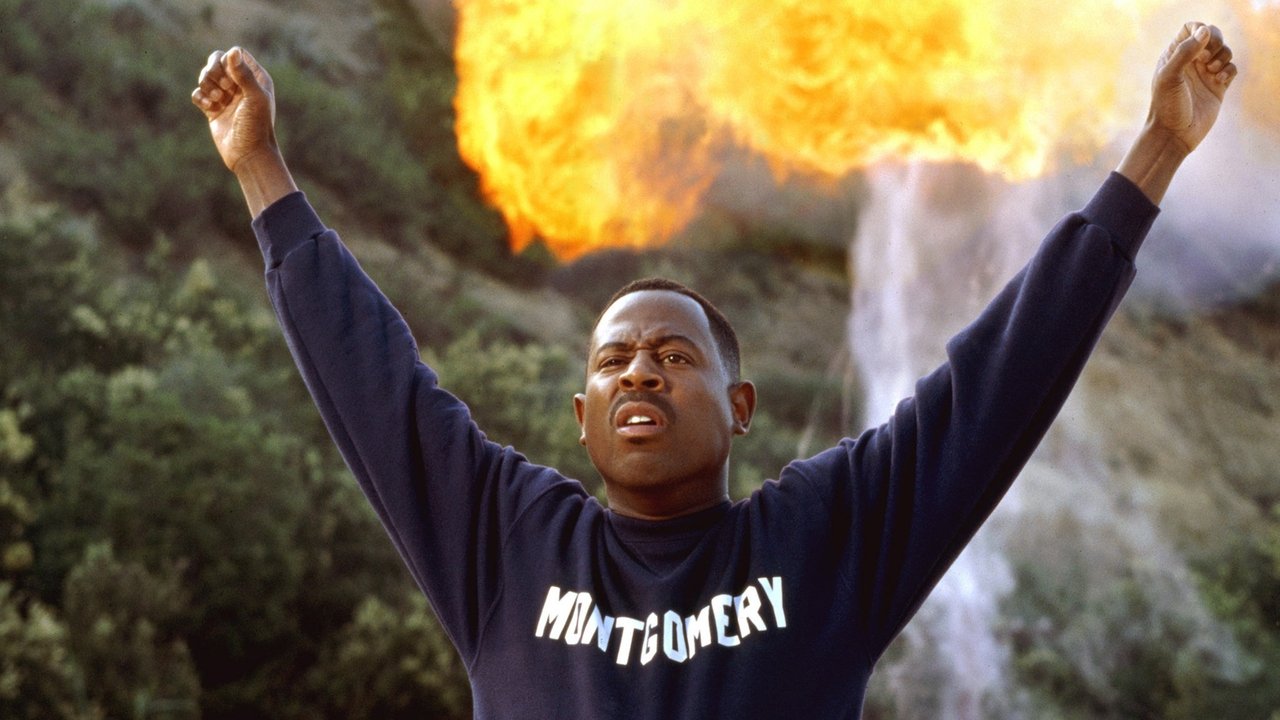
The premise is pure "high-concept" studio gold. Martin Lawrence plays Earl Montgomery, a police academy washout with a chip on his shoulder the size of a Ford Expedition. Steve Zahn is Hank Rafferty, a straight-laced cop whose life falls apart after a bizarrely misinterpreted traffic stop involving Earl and a bumblebee. The "bee scene" is the film's most infamous moment—a parody of police brutality footage that feels tonally radioactive by today’s standards. It’s the kind of sequence that makes you wince, yet it’s undeniably central to the film's DNA.
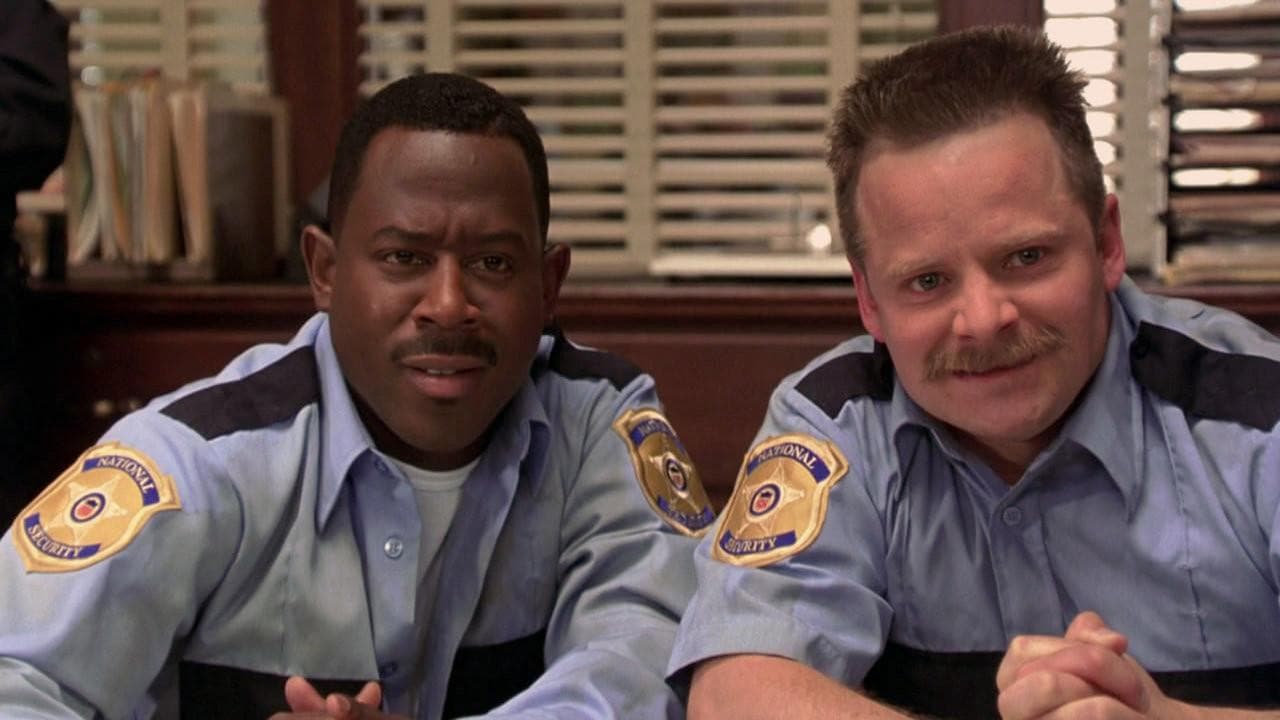
After Hank serves jail time because of Earl’s testimony, they both end up as lowly security guards for the same firm. Naturally, they stumble upon a high-level smuggling ring led by a bleached-blonde Eric Roberts (who spent the early 2000s playing every stylishly dressed villain in Hollywood).
The chemistry here is what saves the film from the bargain bin. Martin Lawrence is operating at 110% "Martin" capacity—fast-talking, bug-eyed, and relentlessly confrontational. It’s a performance that could easily be grating if not for Steve Zahn. I’ve always felt Zahn is the secret weapon of this era; he has this "human puppy dog in a blender" quality that makes him the perfect foil. Watching him slowly lose his mind while Earl commandeers a beverage truck is genuinely funny because Zahn plays the exasperation so straight.
Stunts, Smog, and Shaky Cam
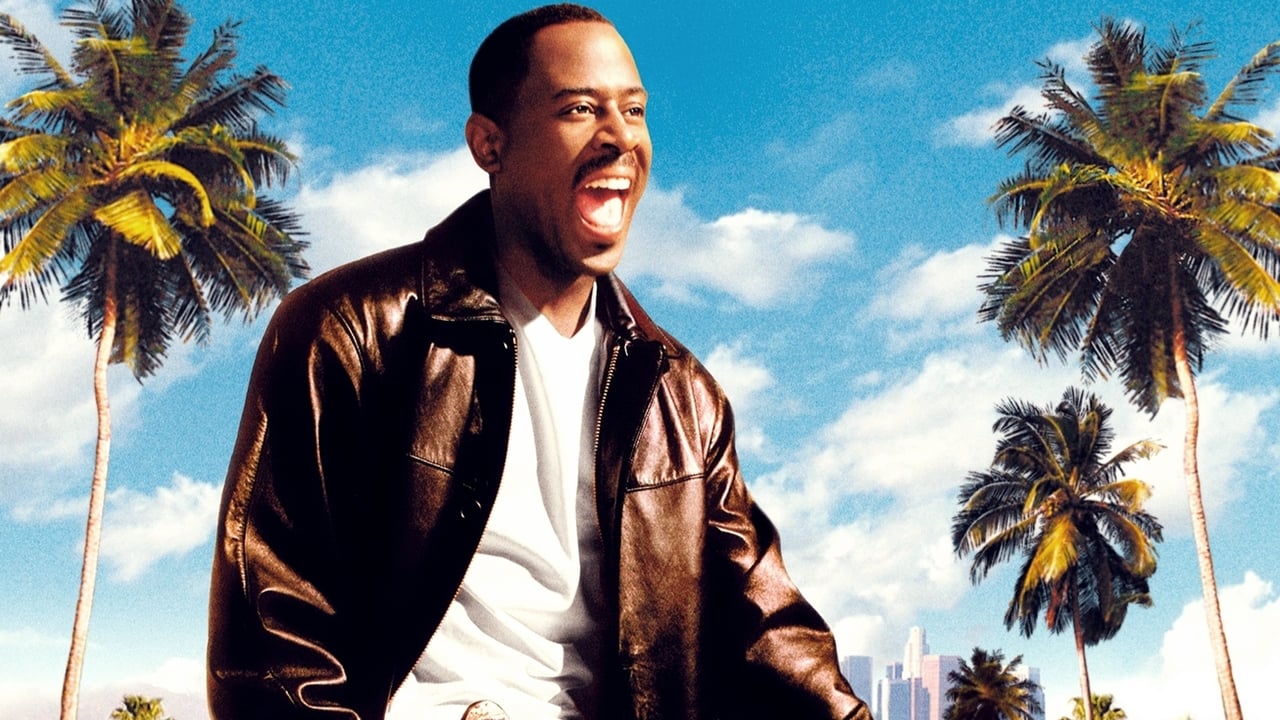
Director Dennis Dugan (best known for his long-term partnership with Adam Sandler on films like Happy Gilmore) doesn’t try to reinvent the wheel here. The action is surprisingly robust for a mid-budget comedy. We get real cars flipping, real explosions, and a climax in a shipping yard that feels like it was borrowed from a discarded Lethal Weapon script.
There’s a specific sequence involving a bridge and a hijacked van that reminds me of why I miss this era of filmmaking. There’s a weight to the metal crunching that you just don't get with modern digital effects. Sure, the editing is a bit "choppy-socky," a symptom of the post-Matrix (1999) craze where directors thought thirty cuts per minute equaled excitement, but the physical stunt-work remains impressive.
The film also benefits from a solid supporting cast. Colm Feore (from The Chronicles of Riddick) shows up as the suspicious Detective McDuff, looking like he walked off the set of a much more serious Michael Mann movie. Then there's Bill Duke, whose presence as Lieutenant Washington adds a layer of "80s action royalty" gravitas. Duke essentially plays the same "angry boss" archetype he perfected in Predator (1987), and it works every single time.
A Time Capsule of Questionable Choices
Looking back, National Security is a fascinating artifact of its time. It’s a movie that tries to be a "buddy cop" flick while explicitly acknowledging that one of the buddies isn’t a cop and the other is an ex-con. It plays with racial tensions in a way that feels recklessly cavalier, often using Earl’s accusations of racism as a punchline to get him out of trouble. It’s a brand of humor that has largely evaporated from the mainstream, making the film feel older than its twenty-one years.
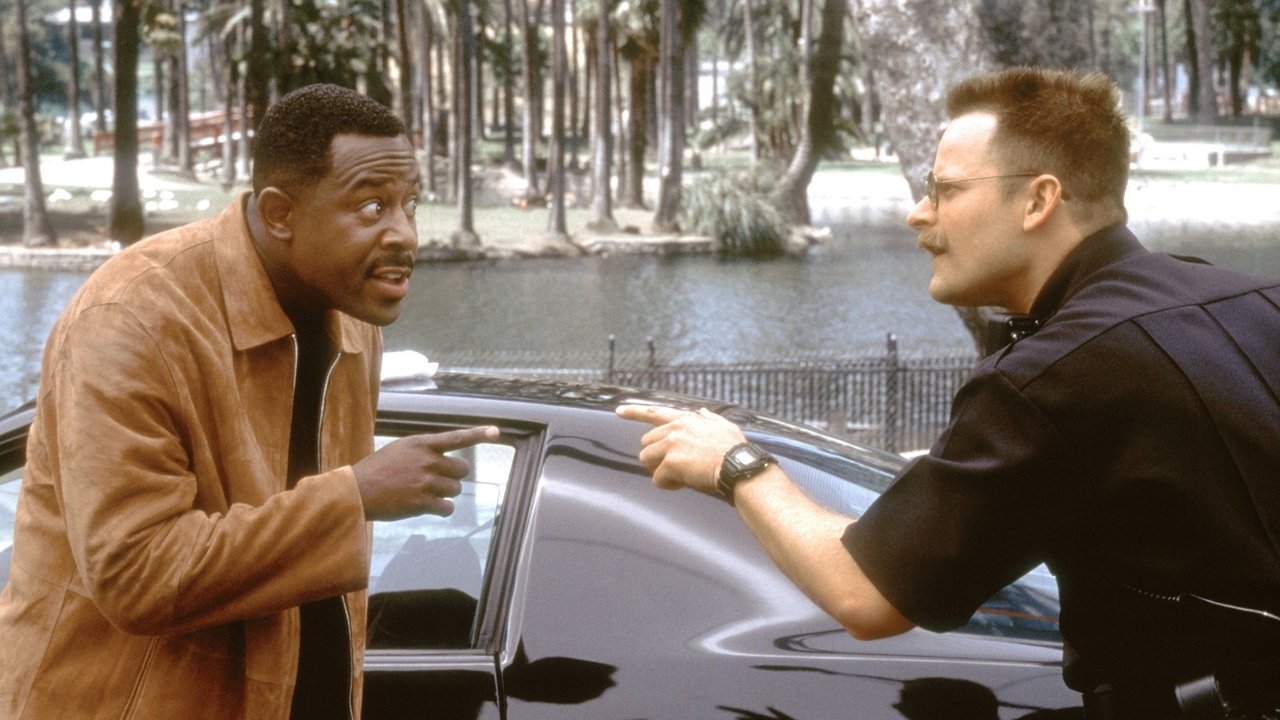
The DVD era was also kind to this film. I remember the special features being packed with blooper reels—mostly just Martin Lawrence making Steve Zahn break character—which reinforced the idea that these movies were just as much about the "hang" as they were about the plot. It’s a "comfort food" movie, even if the food in question is a bit over-salted and served in a styrofoam container.
The film didn't set the world on fire at the box office, and it certainly didn't get the sequel treatment that Lawrence's other franchise, Bad Boys, enjoyed. It faded into the "afternoon cable" rotation, a staple for anyone flipping channels on a rainy Sunday. But there is a charm in its low-stakes chaos. It doesn't want to be The French Connection; it just wants to show you a car jumping over a warehouse while two guys scream at each other.
National Security is the cinematic equivalent of a bag of gas-station jerky: you know it’s not particularly good for you, and the texture is a bit questionable, but you’ll probably finish the whole thing anyway. It captures a very specific moment in the early 2000s action-comedy cycle where the stunts were real, the jokes were risky, and Martin Lawrence was the undisputed king of the fast-talking underdog. If you can stomach the dated racial humor, it’s a fun, loud relic that earns its 89-minute runtime through sheer, stubborn energy.
I’m glad I revisited it, if only to see Eric Roberts rock that hair one more time. Now, I just need to figure out how to get that fly out of my house.
Keep Exploring...
-
Blue Streak
1999
-
Big Mommas: Like Father, Like Son
2011
-
Bad Boys II
2003
-
Bandidas
2006
-
The Mexican
2001
-
Taxi
2004
-
Shoot 'Em Up
2007
-
Taxi 2
2000
-
Taxi 3
2003
-
Smokin' Aces
2006
-
Taxi 4
2007
-
Cop Out
2010
-

One for the Money
2012
-
Stand Up Guys
2012
-
Rumble in the Bronx
1995
-
Lethal Weapon 4
1998
-

Sahara
2005
-

Rush Hour 3
2007
-
Big Momma's House
2000
-
You Don't Mess with the Zohan
2008