Oldboy
"Fifteen years of silence. Five days of screams."
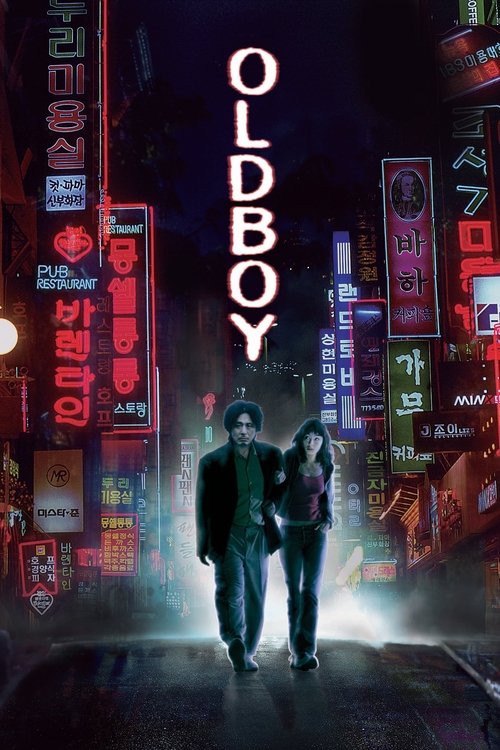
I remember the first time I saw Oldboy. It was 2005, and I was sitting in a dorm room that smelled faintly of stale coffee and damp laundry. My roommate had brought home a "Special Edition" DVD—the kind with the metallic slipcover that felt like a holy relic of the South Korean New Wave. We’d heard rumors about a hallway fight and a live octopus, but nothing prepared me for the actual experience. I was so engrossed that I didn’t even notice I’d accidentally knocked over a lukewarm cup of instant ramen until the credits started rolling. My jeans were ruined, but my brain had been permanently rewired.

Looking back, Oldboy arrived at the perfect cultural intersection. It was the era when DVD culture was turning casual viewers into amateur film historians. We weren't just watching movies; we were scouring "Making Of" featurettes to understand how Park Chan-wook (who also gave us the haunting Stoker) managed to make a revenge flick feel like a Shakespearean tragedy. It was a time when South Korean cinema was finally kicking down the door of the Western mainstream, proving that "foreign" didn't just mean "subtitled drama," but meant something harder, bolder, and more stylish than anything Hollywood was churning out.
A Prison of Mind and Meat
The setup is the ultimate nightmare: Oh Dae-su (Choi Min-sik), a loud-mouthed, ordinary businessman, is kidnapped on a rainy night and wakes up in a private prison cell. He’s kept there for fifteen years. No explanation. No human contact. Just a television and a steady diet of fried dumplings. When he’s suddenly released on a rooftop, he’s given five days to figure out why he was taken.
Choi Min-sik gives a performance that feels less like acting and more like a physical exorcism. To prepare for the role, he went through a rigorous training regimen to transform his body, but it’s his face that stays with you. When he’s released, he doesn’t look like a hero; he looks like a wounded animal that has forgotten how to be human. There’s a desperation in his eyes that makes the subsequent violence feel earned rather than gratuitous. He isn't just hitting people; he’s trying to punch his way back into existence.
The Hallway and the Hammer
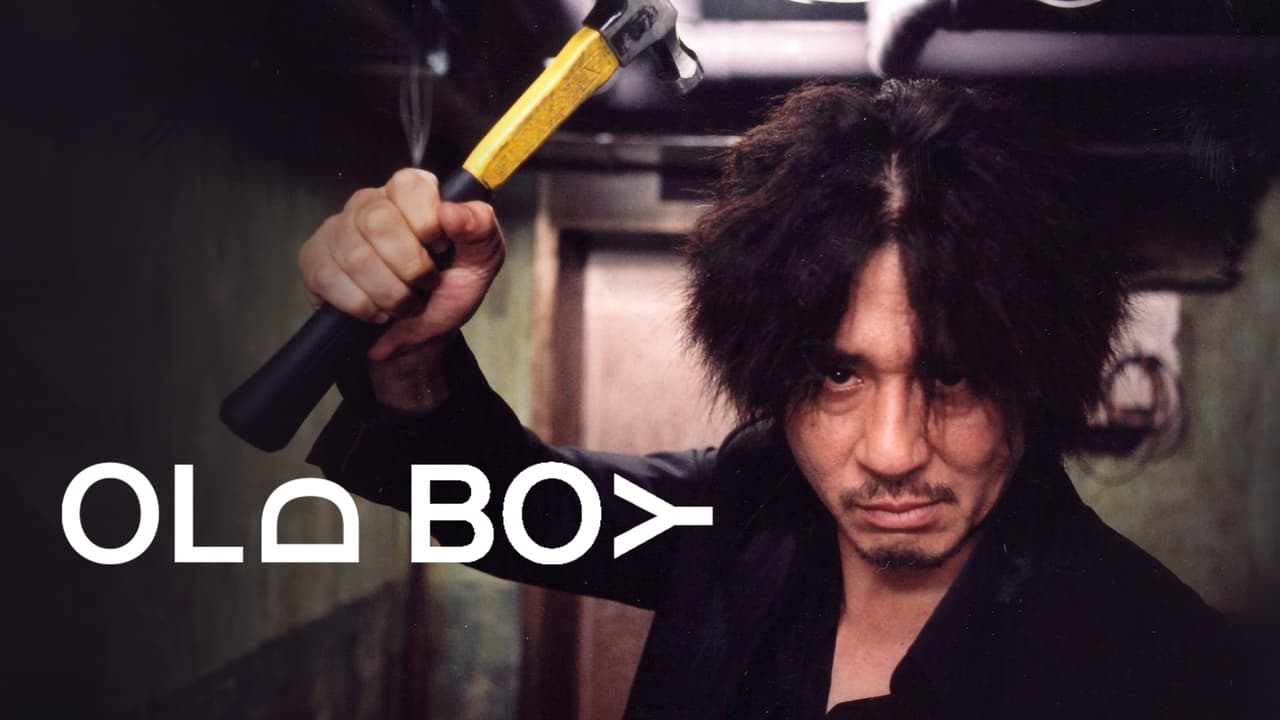
You can't talk about Oldboy without talking about the hallway fight. In an era where action was becoming increasingly fragmented by "shaky-cam" and rapid-fire editing—think the later Bourne sequels—Park Chan-wook and his cinematographer Chung Chung-hoon (who later shot It) did something revolutionary. They filmed a three-minute, side-scrolling brawl in a single, unbroken take.
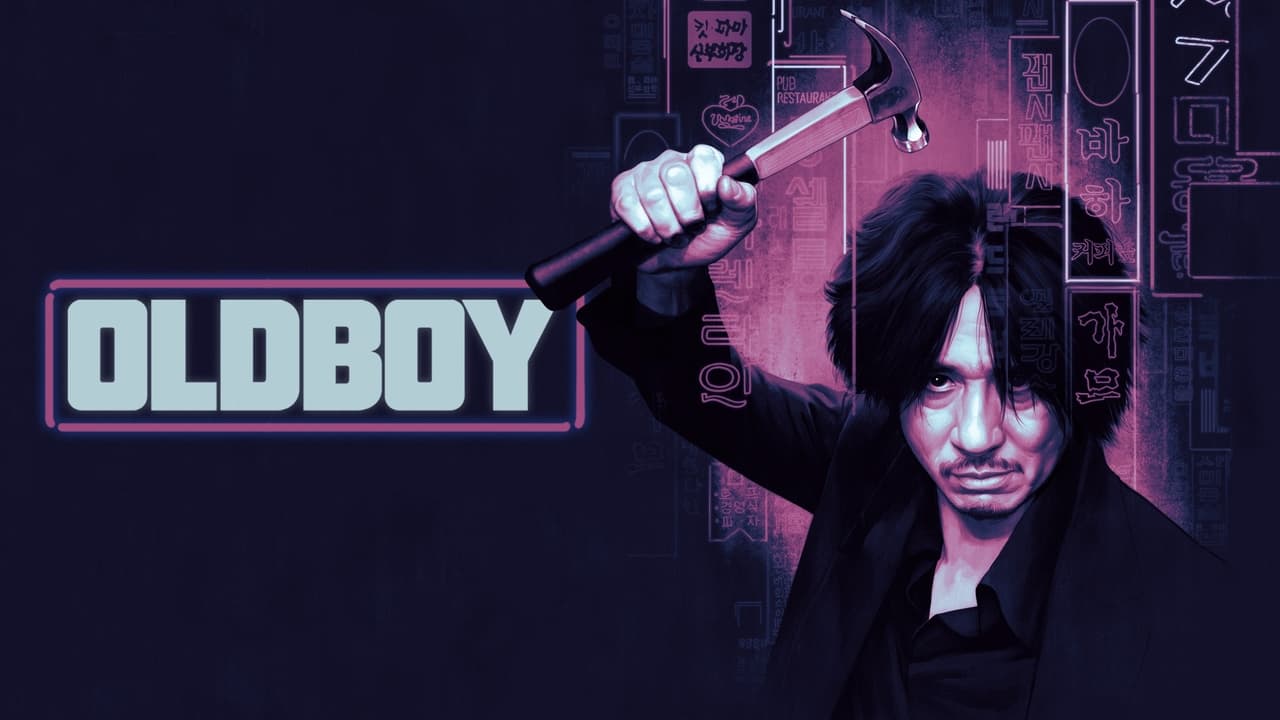
It’s not a "cool" fight in the traditional sense. It’s exhausting. You see Dae-su get tired. You see him get stabbed. You see the thugs hesitate. It’s messy, clumsy, and heavy. It’s the antithesis of the polished, digital perfection that was starting to dominate the early 2000s. There’s a weight to every blow, a physical reality that reminds you why practical stunts and clever blocking will always beat a CGI swarm. The sound design by Shim Hyun-jung punctuates the scene with sickening thuds and the scrape of a hammer against concrete, making you feel every impact in your own marrow.
The Prestige of the Taboo
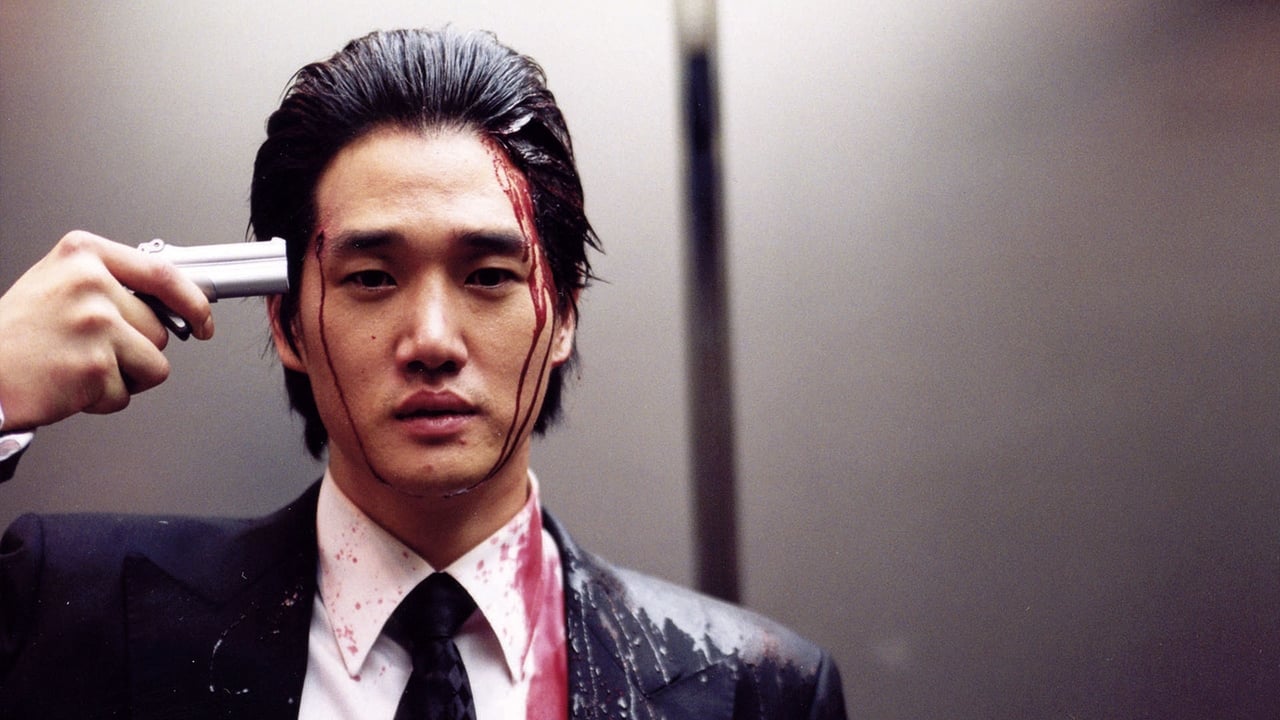
While the action gets the headlines, the film’s status as a prestige piece comes from its bone-deep commitment to its themes. This isn't just a movie about a guy with a hammer; it’s a deep dive into the corrosive nature of vengeance. Yoo Ji-tae, playing the antagonist Lee Woo-jin, is the perfect foil to Dae-su’s raw rage. He’s cold, calculated, and dressed in the kind of sharp tailoring that defined the "cool" villain aesthetic of the early millennium.
The film famously won the Grand Prix at Cannes, and Quentin Tarantino—who was the jury president that year—was its most vocal cheerleader. It’s easy to see why. Like Tarantino’s work, Oldboy is a "remix" of sorts, pulling from Greek myths, manga (it’s based on a Japanese comic), and classic noir. But it feels entirely original. It’s one of those rare films where the "prestige" label doesn't mean it’s dry or academic. It’s "important" because it dares to go to places most films are too polite to even whisper about. The 2013 Spike Lee remake should be scrubbed from the historical record like a redacted CIA document because it completely failed to understand that the original’s power lies in its unflinching, tragic heart, not just its "edgy" plot points.
A Legacy of Scars

Twenty years later, Oldboy hasn't lost an ounce of its bite. In our current landscape of sanitized, franchise-driven blockbusters, its sheer audacity feels even more precious. It’s a reminder of a time when "indie" cinema (even internationally) was thriving on the back of bold directors taking massive swings. It’s dark, yes. It’s disturbing, certainly. But it’s also weirdly beautiful. The use of Vivaldi’s Four Seasons during a scene involving dental torture is the kind of twisted, operatic touch that only a director in total control of his craft could pull off.
I still think about those dumplings. I still think about the look on Kang Hye-jung’s face as Mi-do, the young chef who becomes Dae-su's only ally. Most of all, I think about the ending—a climax so devastatingly perfect that it makes you want to rewatch the whole film immediately to see all the breadcrumbs you missed. It’s a film that leaves a scar, and frankly, I’m glad I have it.
This is a landmark of modern cinema that demands to be seen, provided you have the stomach for it. It represents the absolute peak of the 2000s South Korean explosion, combining high-art ambition with the gritty, tactile energy of a midnight movie. It’s a tragedy that hits like a hammer to the kneecap, and you’ll thank it for the bruise.
Keep Exploring...
-
Sympathy for Mr. Vengeance
2002
-

Lady Vengeance
2005
-
Infernal Affairs
2002
-
The Bourne Identity
2002
-
The Bourne Ultimatum
2007
-
The Sixth Sense
1999
-
Mulholland Drive
2001
-
The Dark Knight
2008
-
Thirst
2009
-

The Handmaiden
2016
-
L.A. Confidential
1997
-
Run Lola Run
1998
-
Battle Royale
2000
-
Shutter Island
2010
-

Gone Girl
2014
-
Memories of Murder
2003
-

Eyes Wide Shut
1999
-
The Count of Monte Cristo
2002
-

Mystic River
2003
-
Man on Fire
2004