Once Upon a Time in Mexico
"Guns, guitars, and a CIA agent with no eyes."
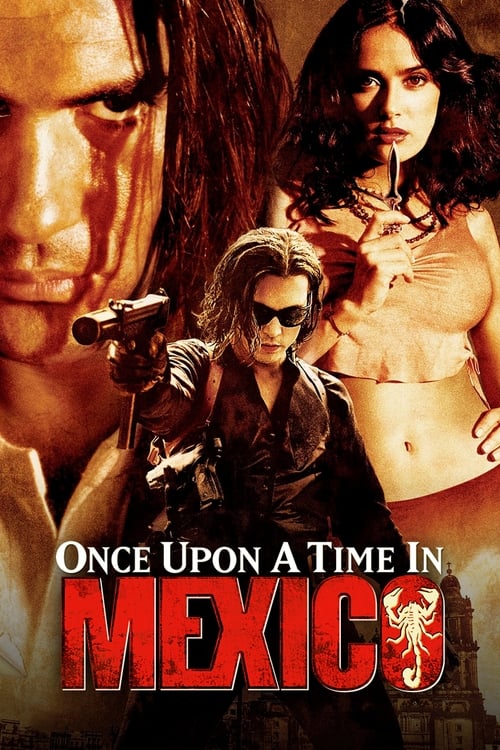
Robert Rodriguez is the cinematic equivalent of that one friend who can fix a car, cook a five-course meal, and play the bass guitar all at the same time, and he’ll do it while telling you a story that’s probably 40% exaggeration. By the time Once Upon a Time in Mexico rolled around in 2003, Rodriguez wasn’t just a director; he was a "one-man crew." He’s credited as the director, writer, cinematographer, editor, visual effects supervisor, and composer. It’s a level of DIY bravado that shouldn’t work in a studio-funded sequel, yet it gives this film a weird, frantic energy that makes it impossible to ignore.
I watched this recently while wearing a pair of cheap sunglasses I found in a grocery store parking lot, and honestly, the slight smudge on the left lens only added to the movie’s sun-drenched, chaotic atmosphere. This is the third entry in the "Mexico Trilogy," following the gritty El Mariachi and the stylized Desperado, but it feels less like a sequel and more like a fever dream where everyone from the previous movies showed up for a loud, bloody party.
The Most Overqualified Cast in Action History
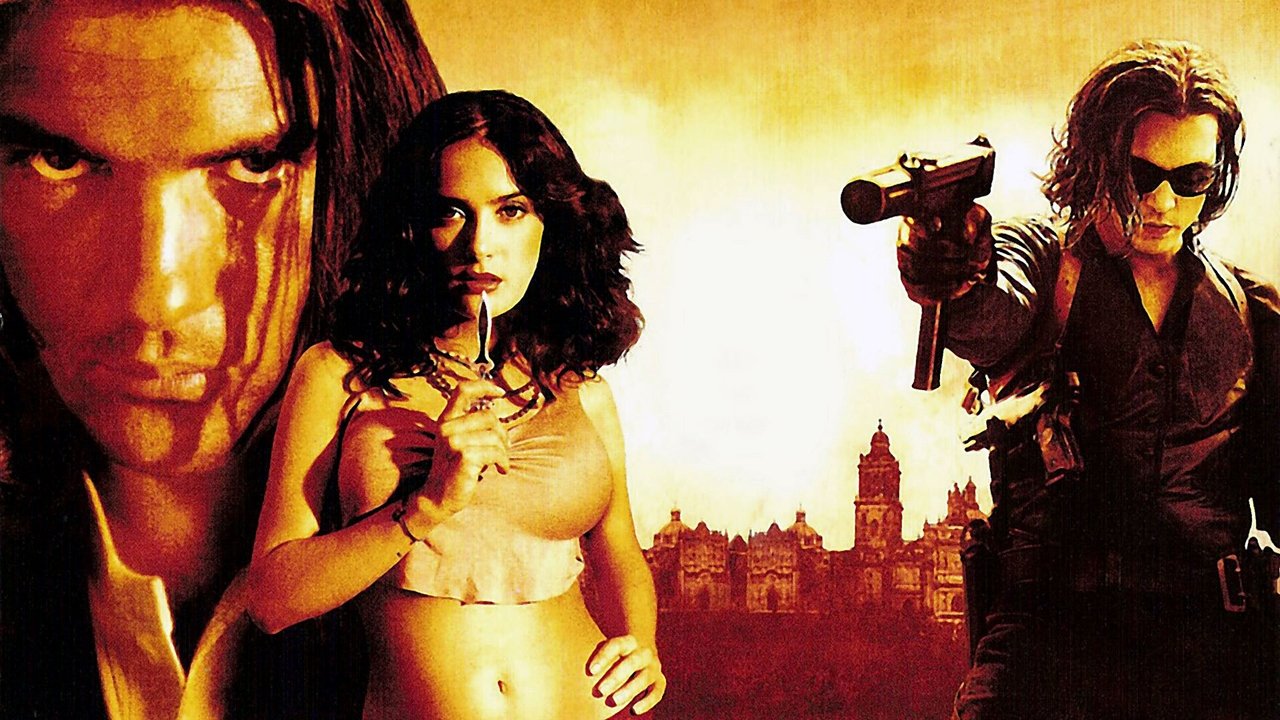
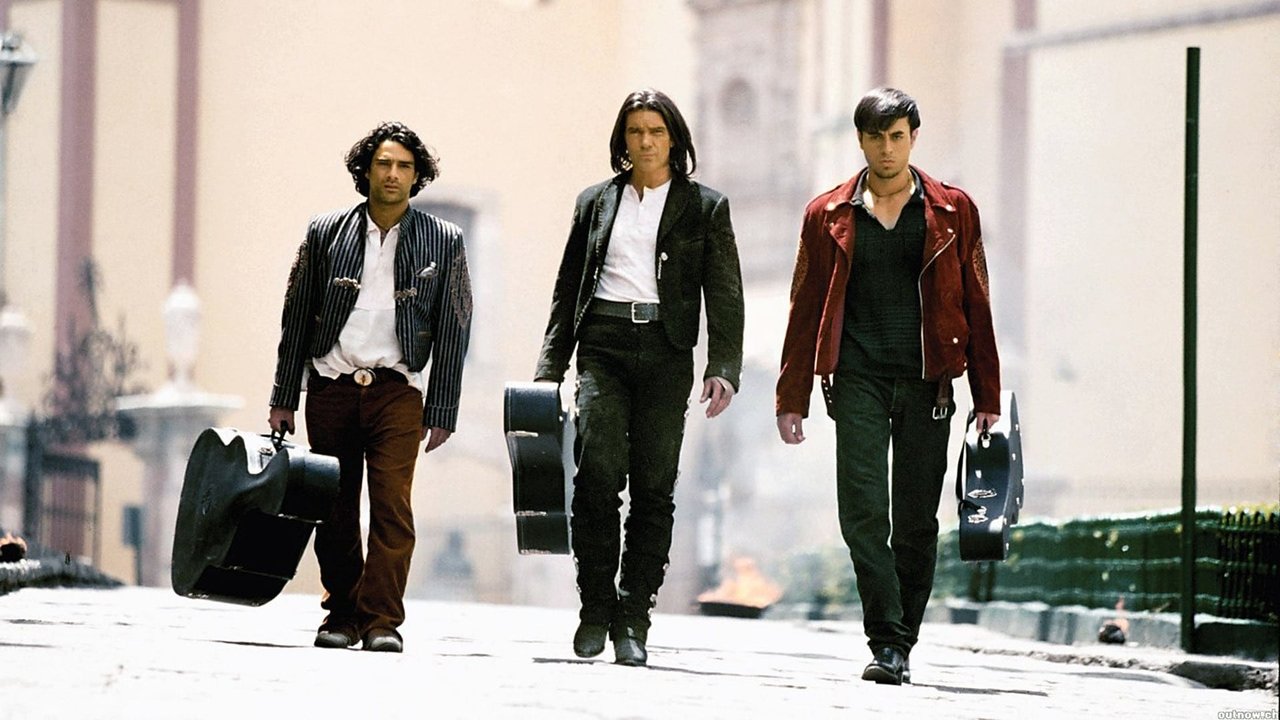
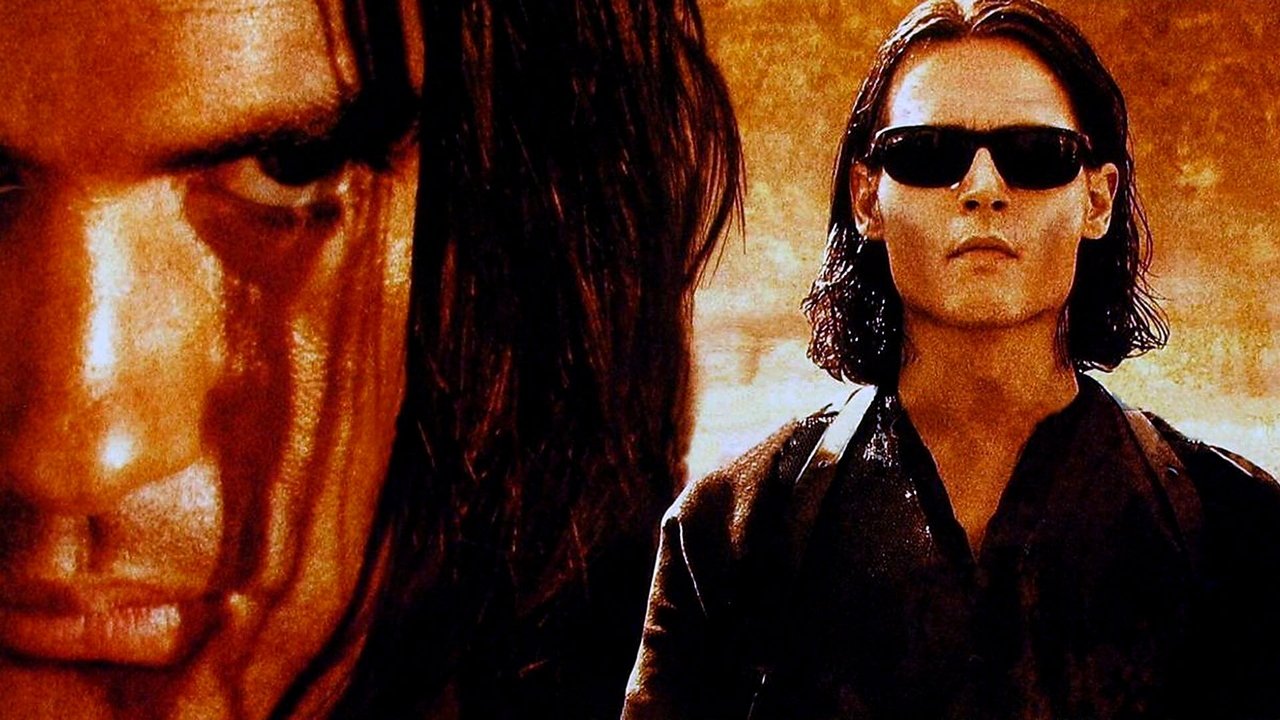
The plot is a tangled web of coups, double-crosses, and revenge, but honestly, you’re not here for the political nuances of a fictional Mexican revolution. You’re here for the cast. Antonio Banderas returns as El Mariachi, looking every bit the tragic folk hero, though he’s surprisingly sidelined in his own movie. Instead, the film is hijacked by Johnny Depp as CIA Agent Jeffrey Sands.
Depp is clearly having the time of his life here, playing Sands as a corrupt, eccentric puppet master who wears "CIA" shirts and fake mustaches while eating Puerco Pibil in every dive bar he can find. It’s arguably the peak of Depp’s "weird character" era, right as Pirates of the Caribbean was launching him into the stratosphere. His performance becomes legendary in the third act when Sands—blinded and bleeding—has to navigate a shootout by sound alone. It’s ridiculous, it’s stylish, and it’s pure Rodriguez.
The rest of the bench is just as deep. Willem Dafoe shows up as a drug kingpin, Mickey Rourke is there with a Chihuahua (marking the very beginning of his career resurrection), and Cheech Marin pops up despite having died in the previous movie. In the Rodriguez-verse, death is just a minor contractual hurdle. Even Salma Hayek Pinault returns in flashbacks as Carolina, providing the emotional anchor for Antonio Banderas, even if her screen time is tragically brief.
Digital Pioneers and Creative Chaos
Looking back, this film was a massive milestone for the "CGI Revolution" and the shift to digital filmmaking. Rodriguez was an early adopter of the Sony HDW-F900, the same high-def digital camera George Lucas used for the Star Wars prequels. At the time, this was groundbreaking. It allowed Rodriguez to shoot the entire movie in just seven weeks on a modest $29 million budget—a pittance for a film that looks this big.
However, the digital look hasn’t aged quite as gracefully as the practical stunts. There’s a certain "video" sheen to the daylight scenes that lacks the warm grain of the previous films. But what it lacks in texture, it makes up for in sheer kineticism. Rodriguez treats the camera like a power tool, and his editing style is less about narrative flow and more about hitting the viewer in the face with a guitar case.
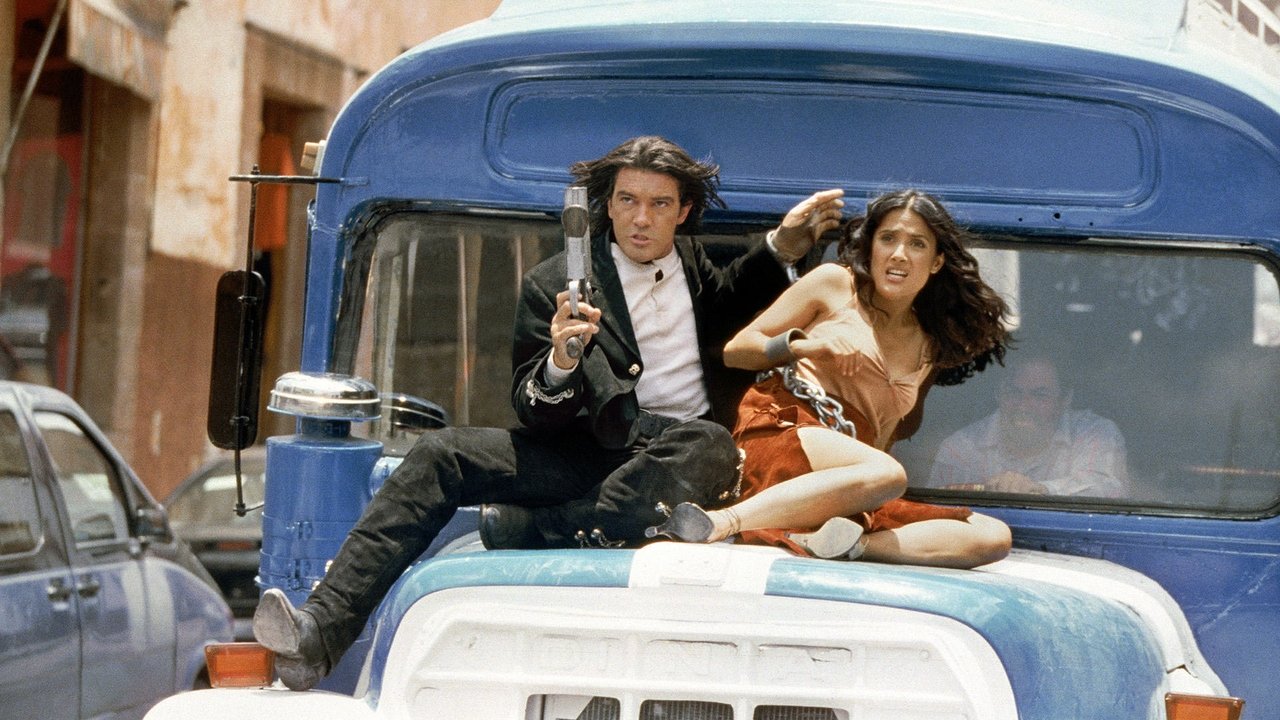
The action set pieces are cartoonish in the best way. There’s a sequence where Antonio Banderas and Salma Hayek Pinault escape a hotel while chained together, sliding down a building like high-stakes acrobats. It’s physics-defying nonsense, but the physical commitment of the actors makes it sing. This was the era of the "DVD Culture" explosion, and the special features on this disc—specifically the "Ten Minute Film School"—inspired a whole generation of kids to pick up a camera and realize they didn't need a hundred-person crew to make a movie.
Stuff You Didn't Notice
The behind-the-scenes stories on this one are as entertaining as the movie itself. Apparently, Johnny Depp was so enamored with the character of Sands that he finished all his scheduled scenes in just nine days, then begged Rodriguez to let him stay on set to play a small cameo as a different character.
Then there’s the Puerco Pibil. The dish Sands is obsessed with was actually cooked by Rodriguez himself for the crew. He even included the recipe as a "Ten Minute Cooking School" feature on the DVD, which I once attempted to follow, nearly burning my kitchen down in a cloud of achiote paste.
The film is also a masterclass in creative recycling. Since the budget was tight, Rodriguez used many of the same stunt performers and actors from his previous films, often in different roles. It gives the movie a repertory theater vibe, where the faces are familiar even if the names have changed. It’s a narrative that feels like it was written on a stack of napkins during a lunch break, but when the napkins are being handled by a cast this charismatic, who cares?
Once Upon a Time in Mexico is a loud, messy, and fiercely entertaining tribute to the spaghetti westerns of Sergio Leone. It’s not as focused as Desperado, and the digital cinematography occasionally feels a bit sterile by modern standards, but the sheer "cool factor" carries it over the finish line. If you can ignore the convoluted plot and just enjoy Johnny Depp being a weirdo and Antonio Banderas blowing things up with a guitar, you’re in for a great time. It’s a relic of an era when a director could be a true jack-of-all-trades and deliver a blockbuster that feels entirely handmade.

Keep Exploring...
-
Desperado
1995
-
El Mariachi
1993
-
From Dusk Till Dawn
1996
-

Planet Terror
2007
-

Sin City: A Dame to Kill For
2014
-

Machete
2010
-

Machete Kills
2013
-
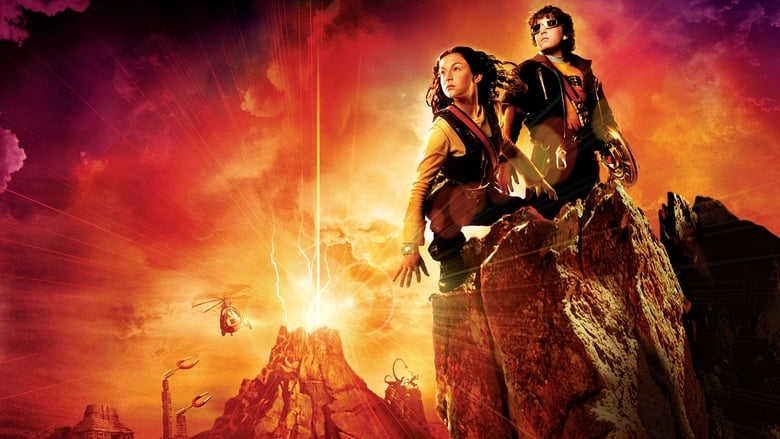
Spy Kids 2: The Island of Lost Dreams
2002
-
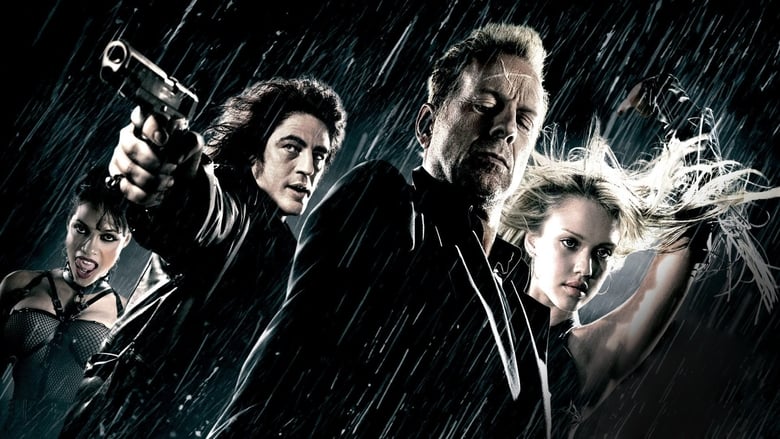
Sin City
2005
-

The Boondock Saints
1999
-
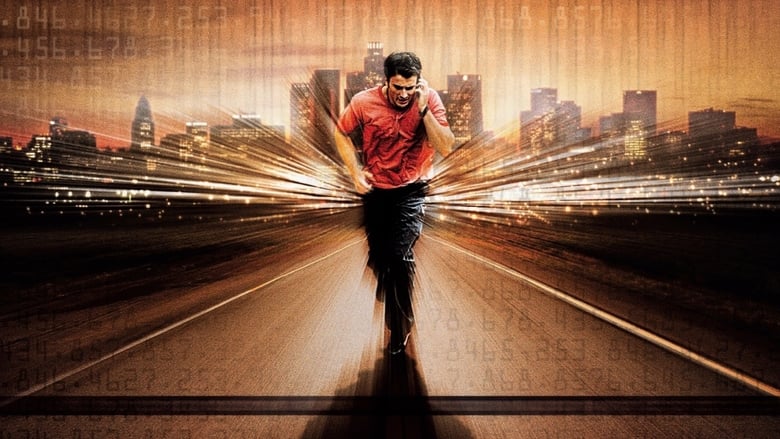
Cellular
2004
-
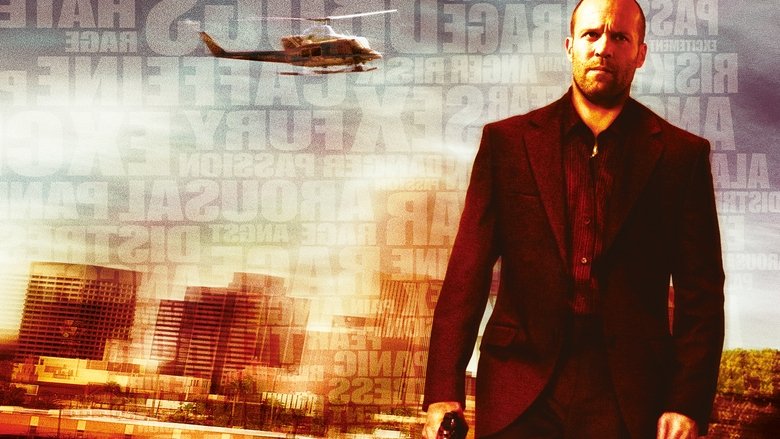
Crank
2006
-
Lethal Weapon 4
1998
-
Ronin
1998
-

The Negotiator
1998
-

Gone in Sixty Seconds
2000
-
Spy Game
2001
-
Swordfish
2001
-
The Transporter
2002
-
S.W.A.T.
2003