Ong-Bak
"No wires. No doubles. Just pure, bone-crunching gravity."
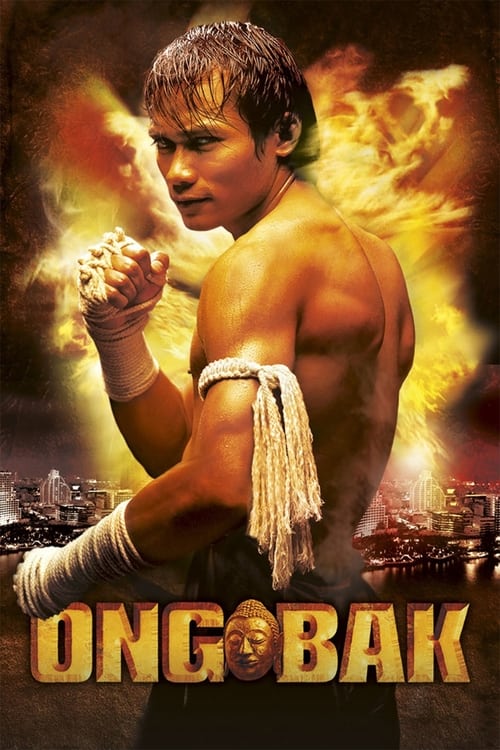
The first time I saw an elbow strike connect with a skull in Ong-Bak, I’m fairly certain I felt my own molars rattle. It was 2004, and I was sitting in a cramped basement apartment on a sofa that smelled faintly of damp wool and stale pizza—the kind of place where you’d expect to find a grainy bootleg of a Thai action flick. We had all been raised on the elegant, floaty "wire-fu" of Crouching Tiger, Hidden Dragon and the slick, green-tinted digital wizardry of The Matrix. Then came Tony Jaa, and suddenly, gravity felt real again.
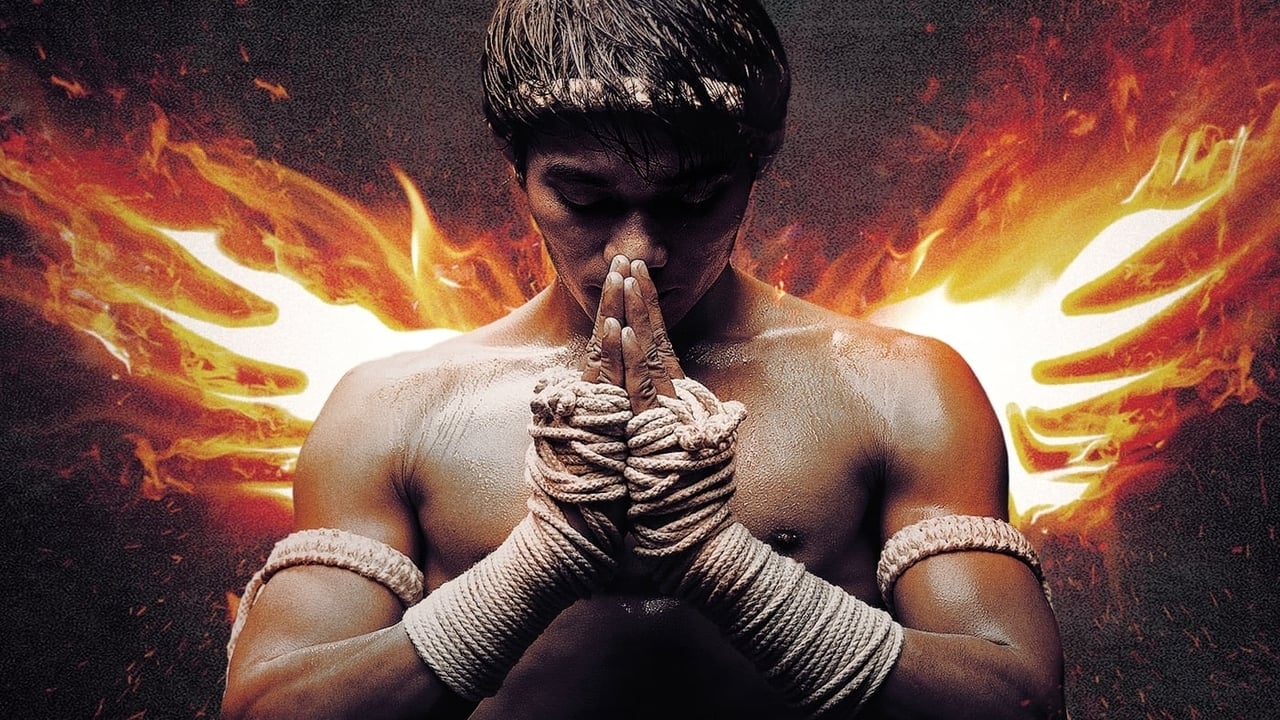
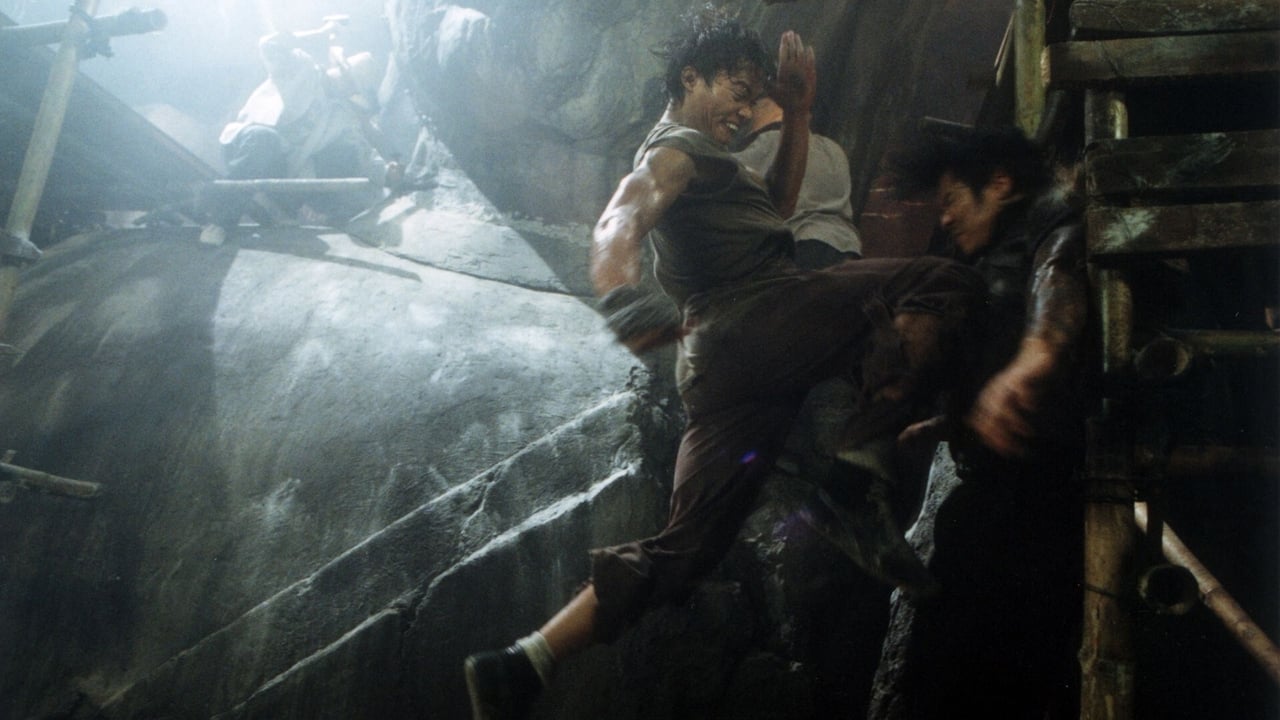
Ong-Bak didn’t just enter the international stage; it front-kicked the door off its hinges and didn’t bother to apologize. Looking back, it arrived at the perfect moment in the early 2000s, serving as a brutal, practical-effects antidote to a Hollywood that was becoming increasingly obsessed with CGI. There are no pixels here. When a man’s trousers are on fire while he’s kicking someone in the face, those are real flames, and that is a real face.
The Gospel of Impact
The plot is as lean as Tony Jaa’s physique. Ting, a village orphan trained in the ancient art of Muay Boran, has to travel to the grimy underworld of Bangkok to retrieve the stolen head of his village’s sacred Buddha statue. It’s a simple quest narrative that provides a sturdy enough clothesline to hang some of the most jaw-dropping stunts ever filmed.
What strikes me now, reassessing this two decades later, is how Prachya Pinkaew (who also directed the equally insane The Protector) chooses to film the action. Unlike the "shaky-cam" epidemic that the Bourne franchise would soon unleash on the world, Ong-Bak is remarkably clear. The camera lingers. It shows you the setup, the execution, and—crucially—the impact. It even uses a "triple-take" editing style where it repeats a particularly nasty stunt from three different angles, just to make sure you didn’t blink and miss the moment a stuntman’s spine turned into a question mark.
Tony Jaa is a revelation here. Before the sequels got bogged down in confusing mythology and elephants, he was just this incredibly humble, lightning-fast athlete. There’s a sequence in a market—a chase scene involving vegetable carts, barbed wire, and narrow alleyways—that remains a masterclass in parkour and choreography. Jaa doesn't just run; he flows over obstacles like water, if water could also deliver a flying knee to your sternum.
A Gritty, Unfiltered Bangkok
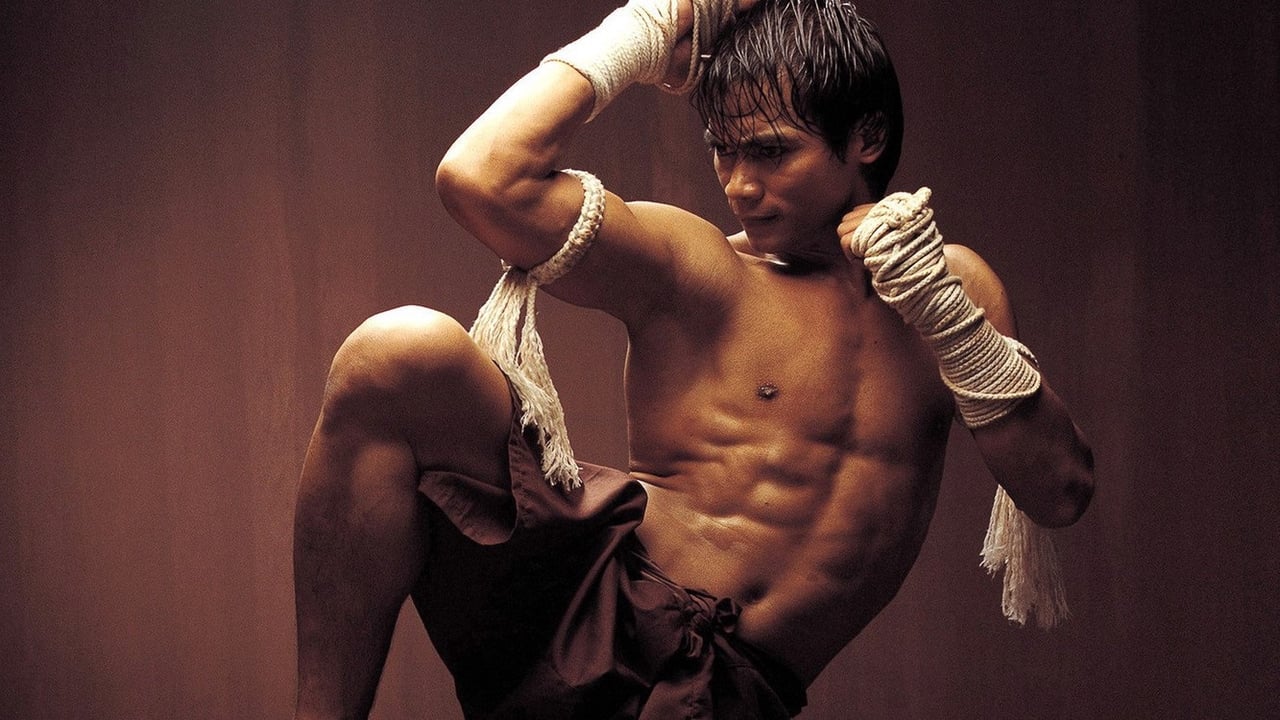
While the action is the main course, the "Dark/Intense" flavor of the film shouldn't be overlooked. This isn't a glossy, tourist-friendly version of Thailand. The underworld Ting enters is oppressive and cruel. Suchao Pongwilai, playing the villainous Komtuan, is a genuinely unsettling presence with his wheelchair and mechanical voice box—a man who literally lacks a soul and replaces it with cold, calculating greed.
The film treats the theft of the Buddha head with a somber gravity that elevates the stakes. It’s not just about a piece of stone; it’s about the spiritual desecration of a community. This gives the fights a desperate, almost religious fervor. When Ting enters the underground fight club—an arena of sweat, cigarette smoke, and broken glass—the violence feels unglamorous and heavy. The comic relief provided by George (Petchtai Wongkamlao) is the only thing keeping this from being an exercise in pure endurance. Without his frantic, cowardly energy, the film might have felt too grim to survive.
The Indie Miracle
It’s easy to forget that Ong-Bak was a scrappy independent production. Made for a relatively tiny budget of about $1.1 million, it was a massive gamble for the Thai studio Sahamongkolfilm. They weren't trying to copy Hollywood; they were trying to prove that their local traditions could out-muscle the biggest blockbusters in the world.
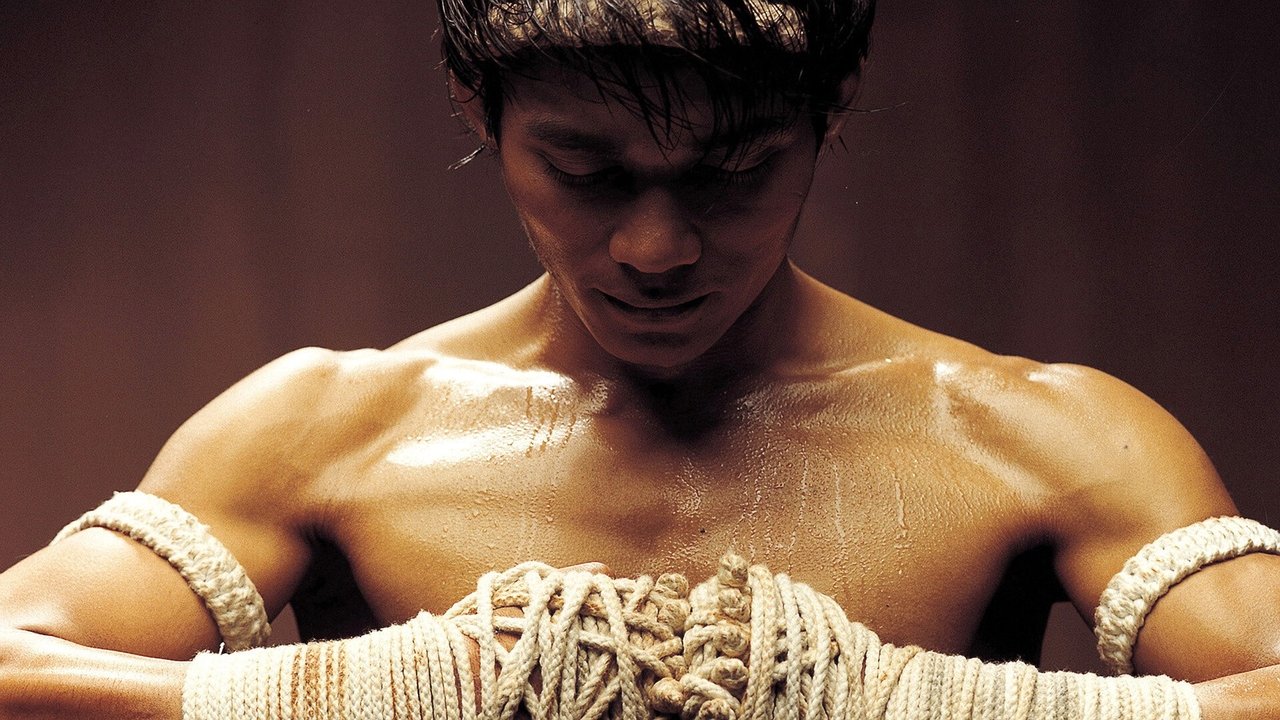
Apparently, Tony Jaa trained for four years to prepare for this role, working with choreographer Panna Rittikrai to strip away the "performance" aspect of martial arts and return to the "art" of it. They wanted to show moves that hadn't been seen in Western cinema—the "nine weapons" of Muay Thai where elbows and knees become as lethal as blades.
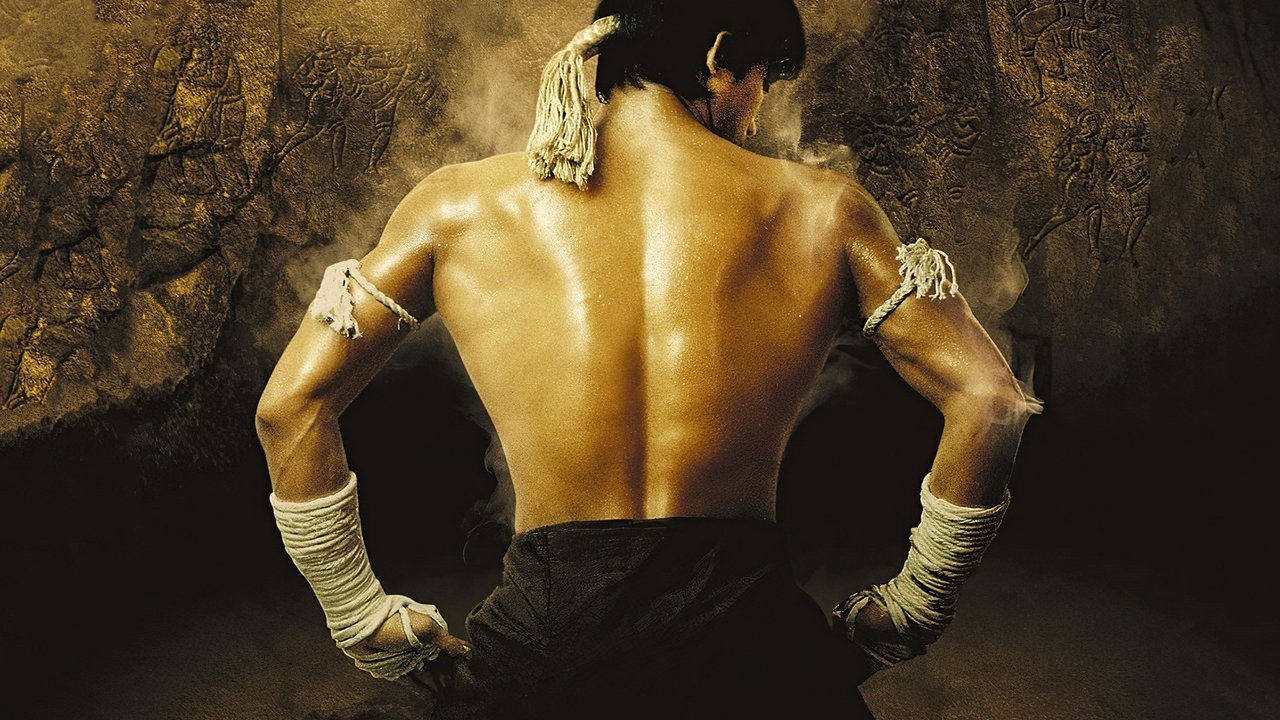
The production was so committed to the "no wires" mantra that the stunt team basically functioned as a suicide squad. In the final cave sequence, many of the falls you see aren't onto padded mats, but onto the actual hard floor. This resourcefulness is the hallmark of a great indie gem; when you can’t afford digital touch-ups, you simply have to be better, faster, and braver than the guys with the $100 million budgets.
In an era where we can digitally de-age actors and create entire cities in a computer, Ong-Bak feels like a prehistoric roar. It’s a film that demands your attention through sheer physical exertion and a refusal to take the easy way out. It’s a reminder that sometimes the most cutting-edge special effect is just a person who has trained their body to do the impossible.
The film has aged remarkably well because you can't "date" a real stunt. While the fashion and the occasional techno-beat soundtrack scream 2003, the sight of Tony Jaa leaping through a hoop of fire is timeless. If you’ve never seen it, find the biggest screen you can, turn up the volume so you can hear every bone-crunching thud, and prepare to be reminded of what "action" actually means. Just don't try the elbow-drop on your sofa—trust me, the sofa wins.
Keep Exploring...
-
The Protector
2005
-

Ichi the Killer
2001
-
Felon
2008
-

The Chaser
2008
-
Hard Boiled
1992
-

Blood and Bone
2009
-
Bronson
2009
-
The Girl Who Kicked the Hornet's Nest
2009
-
The Man from Nowhere
2010
-
Undisputed III: Redemption
2010
-
The Raid
2012
-
The Raid 2
2014
-
Elite Squad
2007
-

The Negotiator
1998
-
The Boondock Saints
1999
-
The Fast and the Furious
2001
-
Training Day
2001
-
Infernal Affairs
2002
-
Kill Bill: Vol. 1
2003
-

Kill Bill: Vol. 2
2004