Out of Time
"The clock is ticking. The evidence is you."
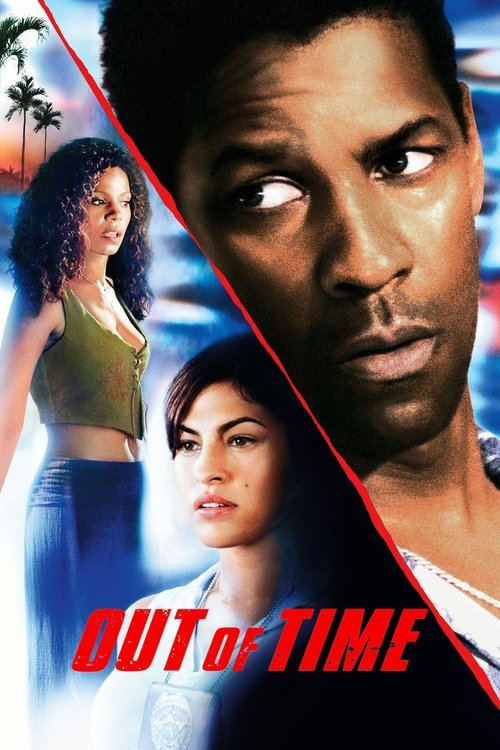
There is a specific kind of "sweat" that only exists in Florida-based neo-noirs. It’s that humid, golden-hour-at-3-PM aesthetic where everyone looks like they need a shower, a beer, and a lawyer. I watched Out of Time last Sunday while eating a slightly-too-old bag of Flamin' Hot Cheetos, and honestly, the orange dust on my fingers felt like the perfect tactile accompaniment to this sun-drenched, anxiety-inducing thriller.
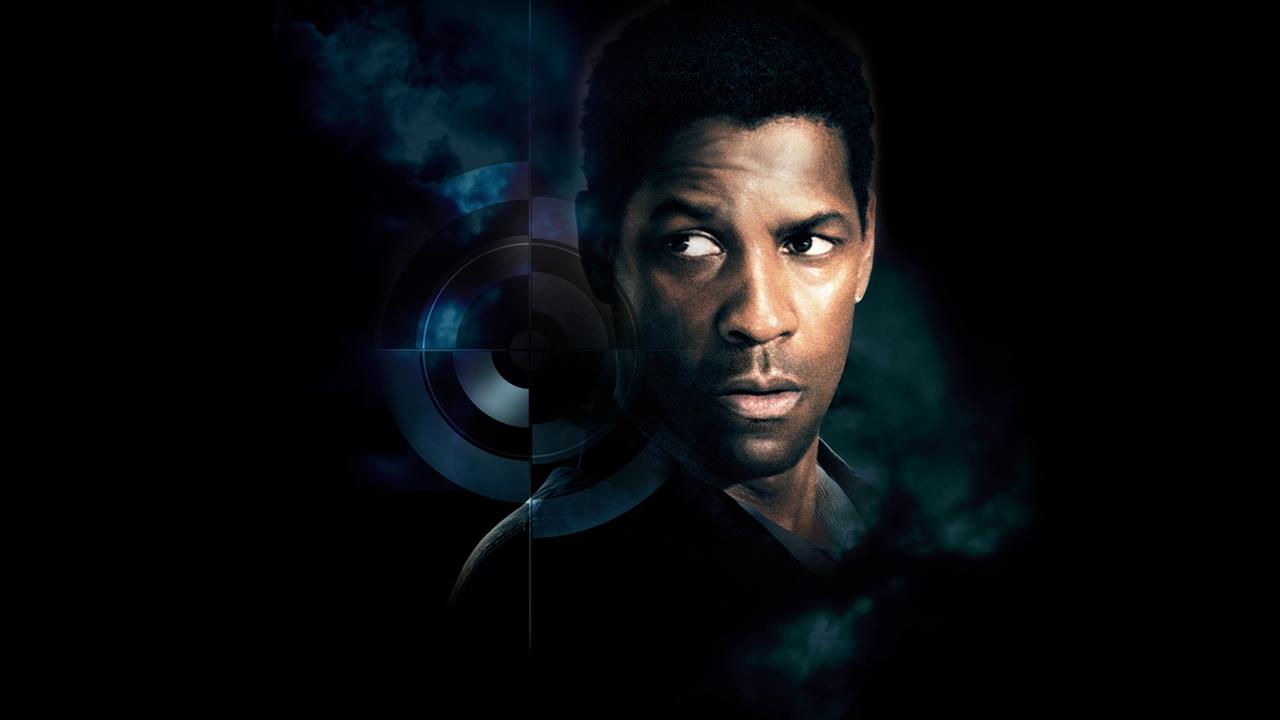
Released in 2003, Out of Time arrived right as the "mid-budget thriller" was starting its slow crawl toward extinction. This was the era of the DVD shelf, where you’d walk into a Blockbuster and see twenty copies of a Denzel Washington flick and know, with absolute certainty, that you were in for a professional, well-oiled piece of entertainment. It’s not trying to reinvent the wheel; it’s just trying to make the wheel spin fast enough to give you whiplash.
A Noir in a Hawaiian Shirt
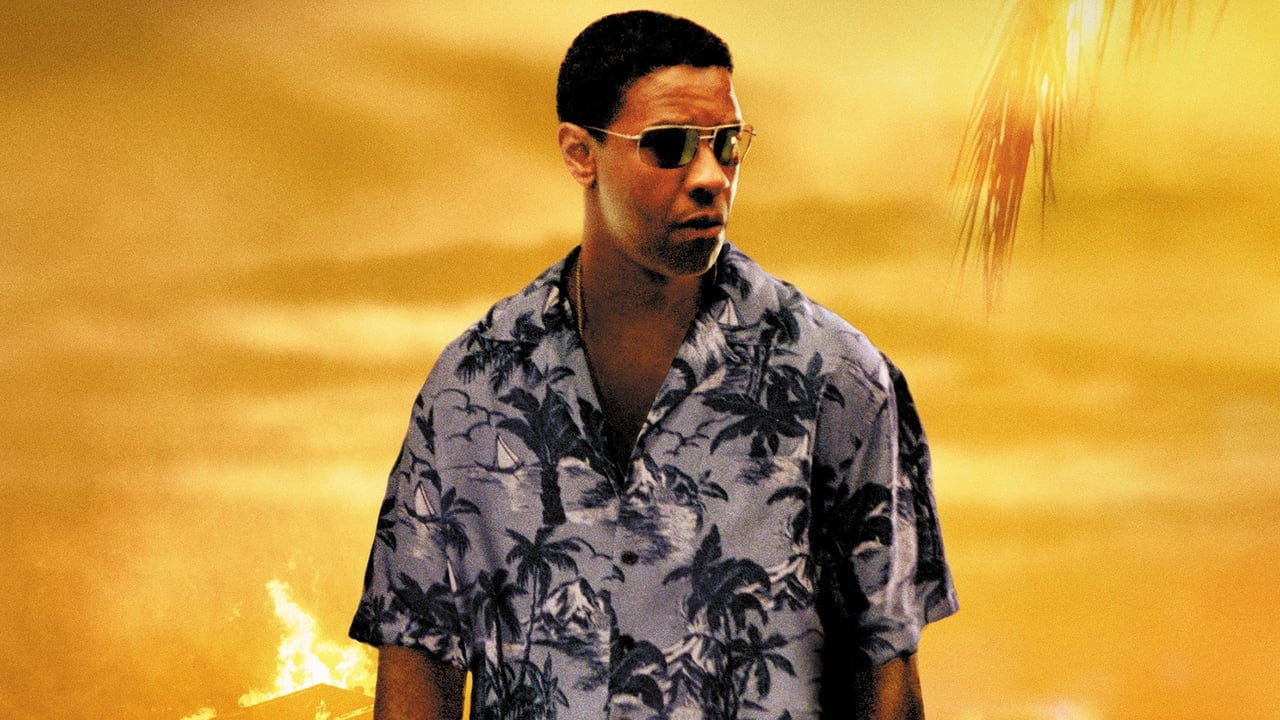
The setup is classic noir, but director Carl Franklin—who previously teamed with Denzel for the moody, period-accurate Devil in a Blue Dress—decides to flip the lighting. Instead of rainy alleys and trench coats, we get Banyan Key, Florida. Denzel Washington plays Matt Lee Whitlock, a well-liked police chief who is arguably the only actor who can make professional negligence look like a heroic virtue.
Matt Lee is going through a divorce with fellow cop Eva Mendes (playing Alex) while carrying on an affair with Sanaa Lathan (Ann), who claims her husband, played by a delightfully slimy Dean Cain, is abusing her. When Ann reveals she has terminal cancer, Matt Lee does the unthinkable: he "borrows" nearly half a million dollars in seized drug money from the evidence locker to help her. Then, the house goes up in flames, the bodies are charred beyond recognition, and suddenly, the person in charge of the double homicide investigation is the same guy whose fingerprints are all over the crime scene.
The movie shifts from a steamy drama into a high-stakes shell game. Watching Denzel try to stay two steps ahead of his own investigators—including his soon-to-be-ex-wife—is peak "stress cinema." There’s a specific scene involving a fax machine that honestly creates more tension than most modern $200 million CGI fight sequences. It’s a reminder that in 2003, technology was still a tactile obstacle. A slow fax was a death sentence; a cell phone with a dying battery was a plot point, not a convenience.
The Power of the Mid-Budget Ensemble
What makes this work better than your average "man on the run" story is the chemistry. This was Eva Mendes right as she was becoming a household name (the same year as 2 Fast 2 Furious), and she plays the "smart cop" role with a refreshing lack of melodrama. She isn't a damsel; she’s the hunter, and Denzel is her prey.
But the secret weapon here is John Billingsley as Chae, the medical examiner. He provides the comedic relief that prevents the movie from collapsing under its own anxiety. Every time the plot gets too heavy, Chae pops in to complain about his lunch or offer some weirdly specific piece of Florida wisdom. It’s a great example of 2000s-era character acting—giving a supporting player enough personality to make the world feel lived-in rather than just a set for the lead actor to run across.
Speaking of the era, the film is a fascinating time capsule of the transition from analog to digital. We see the birth of the "Google search" as a plot device, yet the characters still rely heavily on physical evidence and face-to-face confrontation. It captures that post-9/11 anxiety where everyone is being watched, but the systems of surveillance hadn't quite become the omniscient gods they are in today's cinema.
Why This One Slipped Through the Cracks
Despite being a hit at the time, Out of Time rarely gets mentioned in the "Essential Denzel" conversations. I suspect it’s because it’s too fun to be "prestige" and too smart to be "disposable." It’s a 90-minute anxiety attack in a Hawaiian shirt, and it doesn't have the heavy-handed moralizing that defined later 2000s dramas.
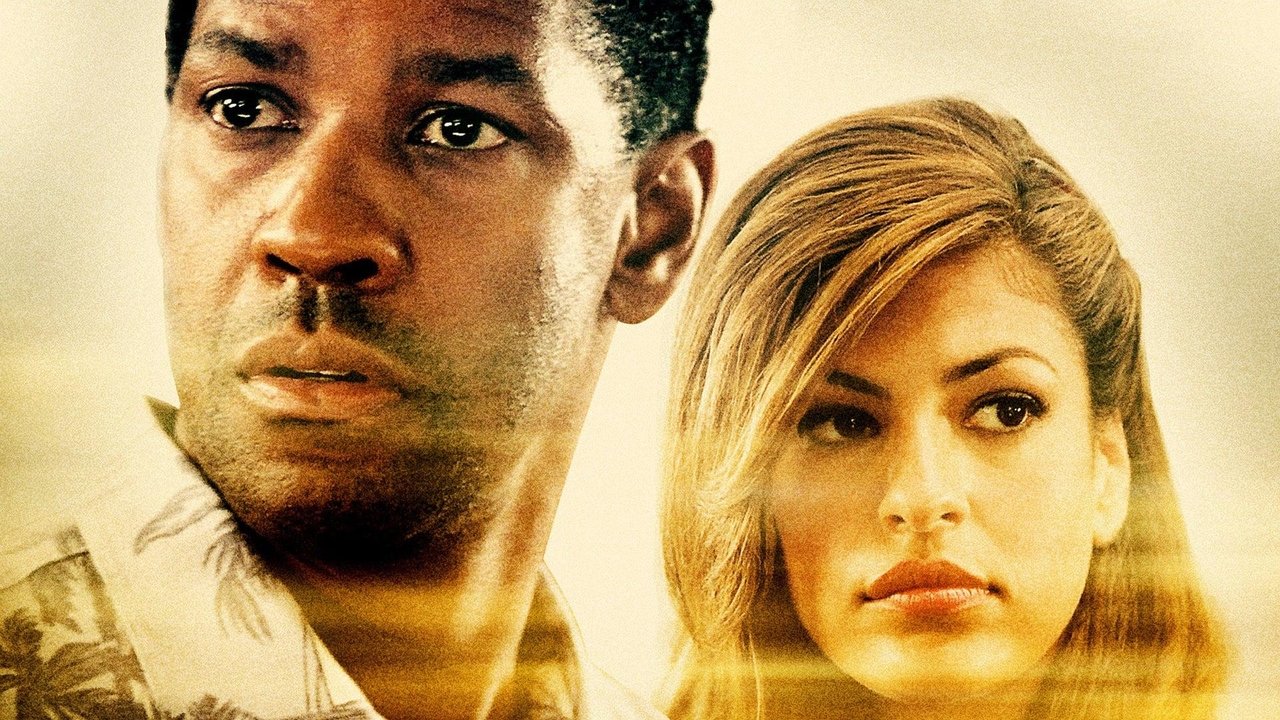
The film didn't launch a franchise or change the world, but it represents a moment in Hollywood history where you could get a top-tier director, the biggest movie star on the planet, and a solid original screenplay together for $50 million. It’s the kind of movie that thrived on DVD—I remember the "Special Features" being a big deal, showing how they captured the oppressive Florida heat. Looking back, the cinematography by Theo van de Sande (who worked on Wayne's World of all things) is gorgeous. It makes the screen feel hot to the touch.
It’s a "forgotten" film only because it’s so effortlessly good at being what it is: a thriller. It doesn't demand you analyze its place in a cinematic universe. It just demands you watch Denzel sweat while he tries to keep his world from imploding.
In a world of bloated three-hour epics, there is something deeply satisfying about a 105-minute movie that knows exactly when to start and when to quit. Out of Time is a masterfully paced exercise in tension that reminds us why Denzel Washington became a legend in the first place—he’s the only guy who can be 100% guilty and still have us cheering for him to get away with it. If you haven't seen it since the Bush administration, give it a re-watch; it’s aged better than those Cheetos I ate.

Keep Exploring...
-
The Siege
1998
-
Fallen
1998
-
We Own the Night
2007
-
The Bone Collector
1999
-
A Perfect Murder
1998
-
Payback
1999
-
Murder by Numbers
2002
-
Basic
2003
-
Matchstick Men
2003
-
The Hunted
2003
-
The Black Dahlia
2006
-

The Brave One
2007
-
John Q
2002
-

The Manchurian Candidate
2004
-
A Simple Plan
1998
-
Arlington Road
1999
-
The Pledge
2001
-
The Score
2001
-
Confessions of a Dangerous Mind
2002
-

Domino
2005