Peter Pan
"The boy who wouldn't grow up. The girl who had to."

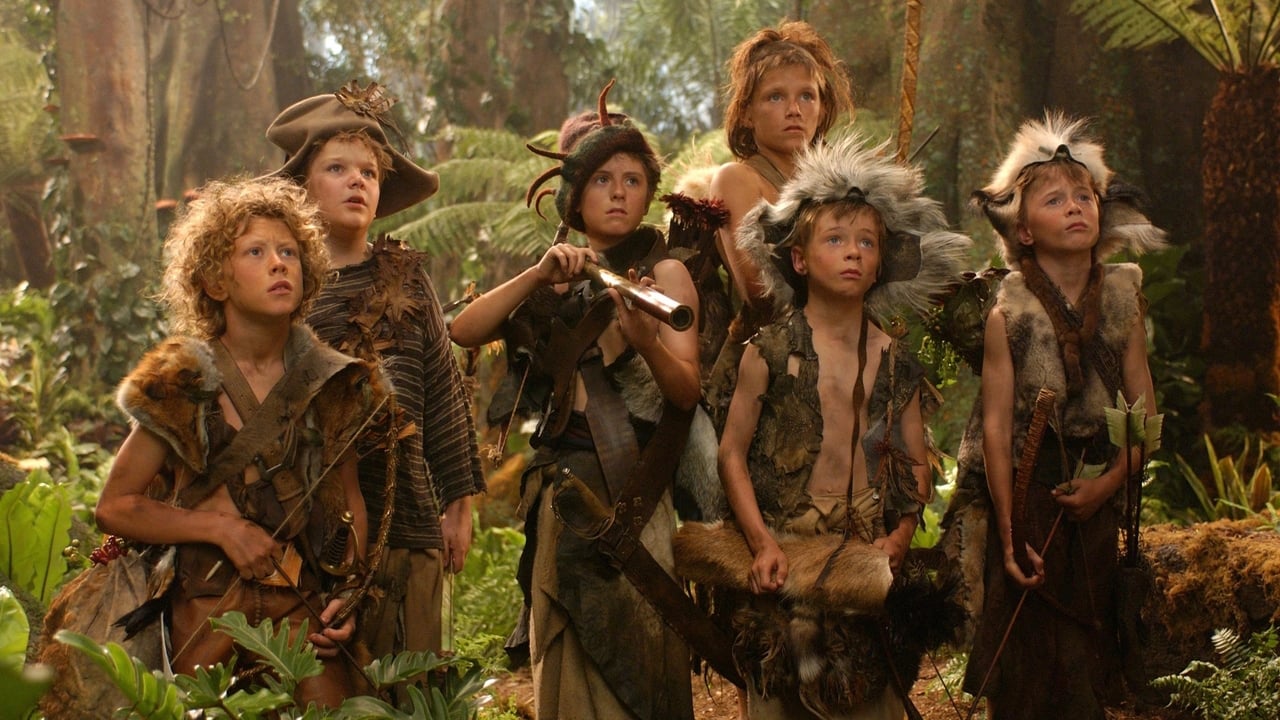
There is a specific, heartbreaking frequency that only certain fantasy films hit—the sound of a door clicking shut on your childhood. Most versions of J.M. Barrie’s tale treat Neverland like a brightly lit theme park, but P.J. Hogan’s 2003 Peter Pan understands that the story isn’t actually about flying or mermaids. It’s about the terrifying, inevitable pull of the ticking clock. This film is a gorgeous, swirling, Edwardian fever dream that feels less like a studio blockbuster and more like a secret shared between people who aren't quite ready to stop dreaming.
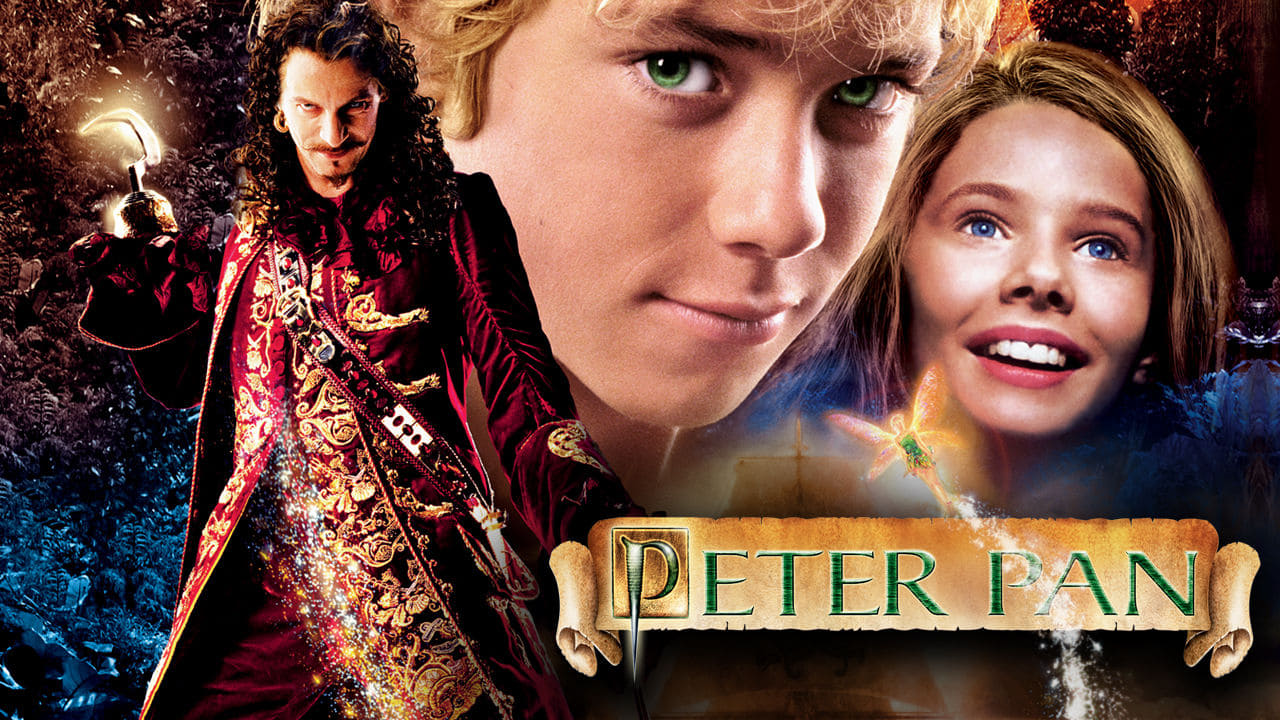
I recently rewatched this on a Sunday afternoon while leaning against a radiator that was clicking like a metronome, and that rhythmic tapping honestly made the "Croc" scenes feel way more stressful than they had any right to be. But that’s the magic of this specific version; it gets under your skin in a way the animated Disney classic never quite manages.
A Boy, Not a Legend
For the longest time, the "tradition" was for Peter Pan to be played by a woman in her thirties wearing green tights. While that worked for the stage, it always created a distance. In 2003, we finally got Jeremy Sumpter. He was the first age-appropriate boy to play the role in a major film, and it changes everything. He isn't just a symbol of youth; he’s a cocky, lonely, slightly dangerous kid with a jagged tooth and a wild look in his eyes.
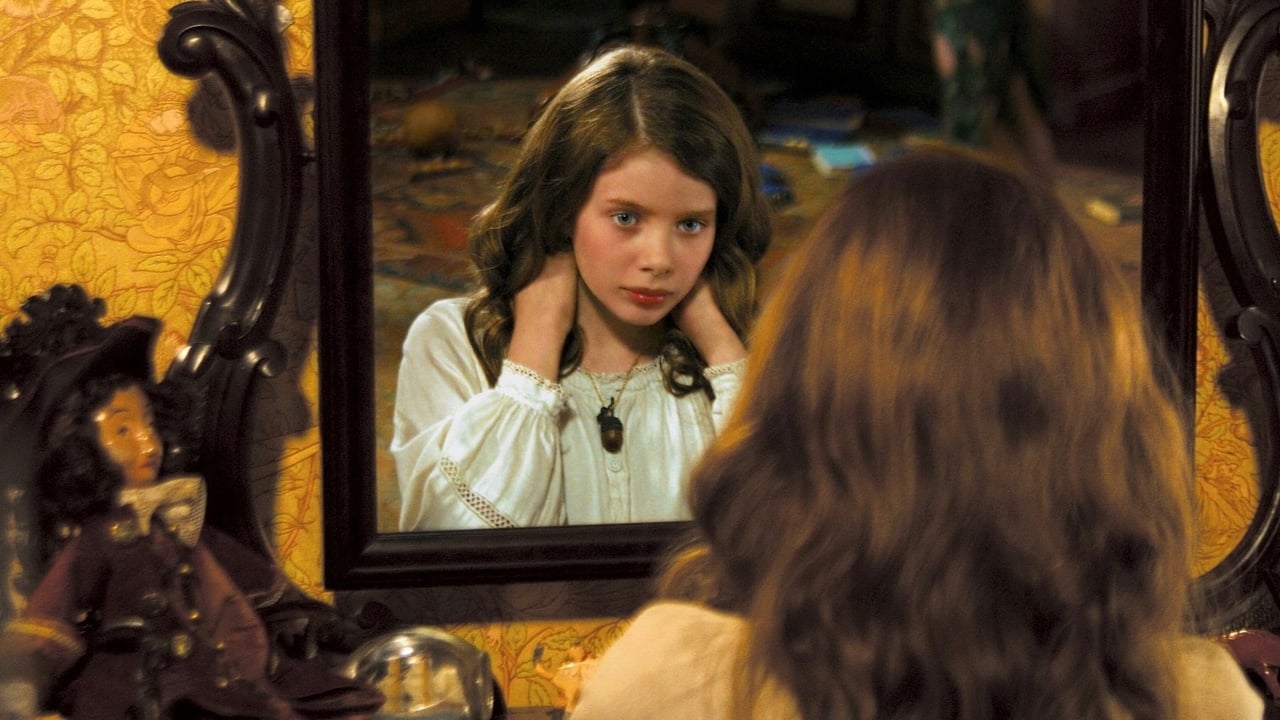
Opposite him is Rachel Hurd-Wood as Wendy, and the chemistry between them is the film's secret weapon. This isn't just "adventure buddies"; it’s a story about the awkward, confusing transition from being a child to noticing how someone looks at you in the moonlight. When they "thimble" (kiss), it feels like the stakes of the entire world are shifting. Hogan captures that specific brand of pre-teen yearning that feels bigger than any pirate ship.
Disney’s version feels like a sanitized coloring book in comparison to the raw, emotional landscape Hogan and co-writer Michael Goldenberg mapped out here. They leaned into the melancholy of the "Hidden Kiss" on the corner of Mary Darling's mouth, and it makes the ending hit like a physical weight.
The Duel of the Darlings
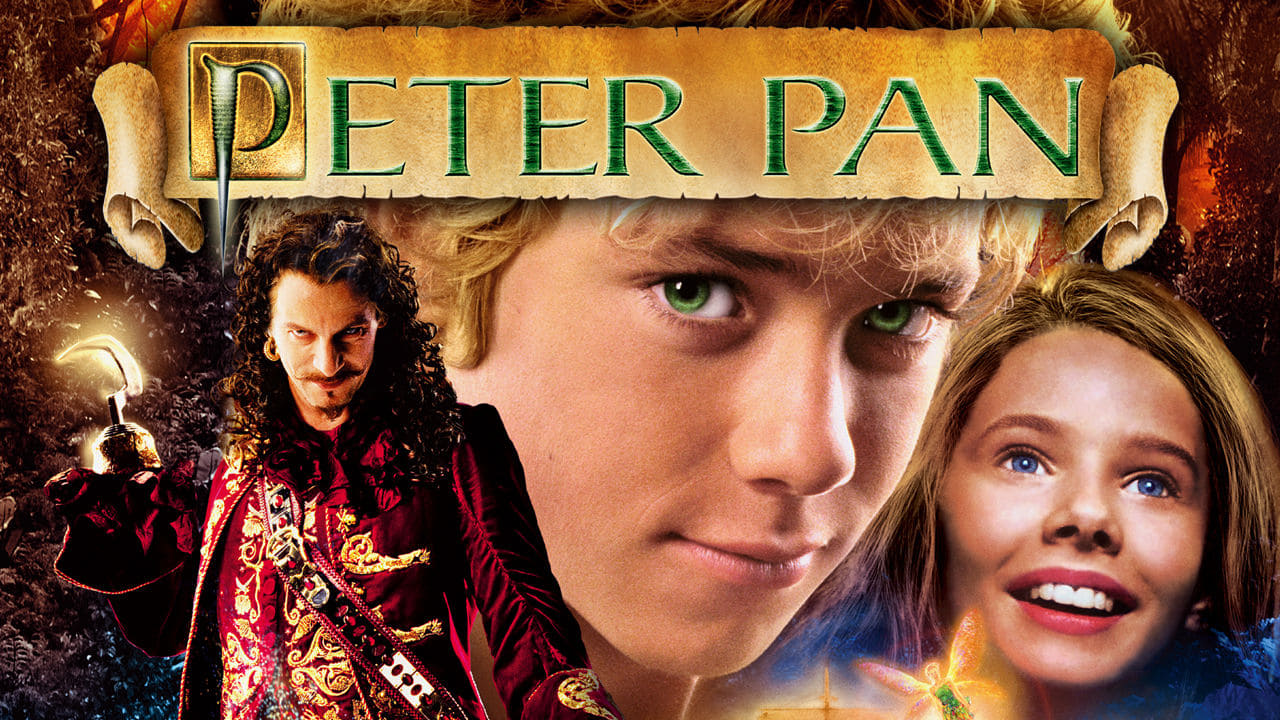
If you want to talk about "definitive" performances, look no further than Jason Isaacs. Following a tradition from the original stage play, he pulls double duty as the bumbling, repressed George Darling and the lethal, sophisticated Captain James Hook. Isaacs plays Hook not as a buffoon, but as a tragic figure of crumbling aristocracy. He is the "man of the world" who has seen everything and found it wanting, standing in direct opposition to Peter’s endless "newness."
The production design by Douglas Wick and the cinematography by Donald McAlpine (who also shot Moulin Rouge!) create a Neverland that looks like a Victorian oil painting come to life. This was that sweet spot in the early 2000s where CGI was being used to enhance massive practical sets rather than replace them entirely. The Jolly Roger is a tangible, creaky beast of a ship, and when the kids fly through the "galaxy of stars" to get there, the effects have a shimmering, tactile quality that hasn't aged a day. It’s stylized, yes, but it feels purposeful—a dreamscape built from the imagination of a girl living in a house of heavy velvet curtains and cold London stone.
The Curse of the Growth Spurt
It’s almost poetic that a movie about never growing up was plagued by its lead actor doing exactly that. Apparently, Jeremy Sumpter grew eight inches during the production. The crew had to constantly rebuild the entrance to the "Underground House" and use clever camera angles to make sure he didn't suddenly look like Wendy’s older brother halfway through a scene. It’s one of those bits of trivia that perfectly mirrors the film's themes: time is the one enemy even Peter Pan can’t outrun.
Then there’s Ludivine Sagnier as Tinker Bell. If you’re used to the polite, blonde pixie of the 50s, Sagnier’s performance is a revelation. She is feral, jealous, and doesn't speak a word of English on set (which worked, because Tink’s language is essentially the sound of bells and pure emotion). She feels like a creature of folklore, not a toy, and it adds to the sense that Neverland is a place of genuine peril.
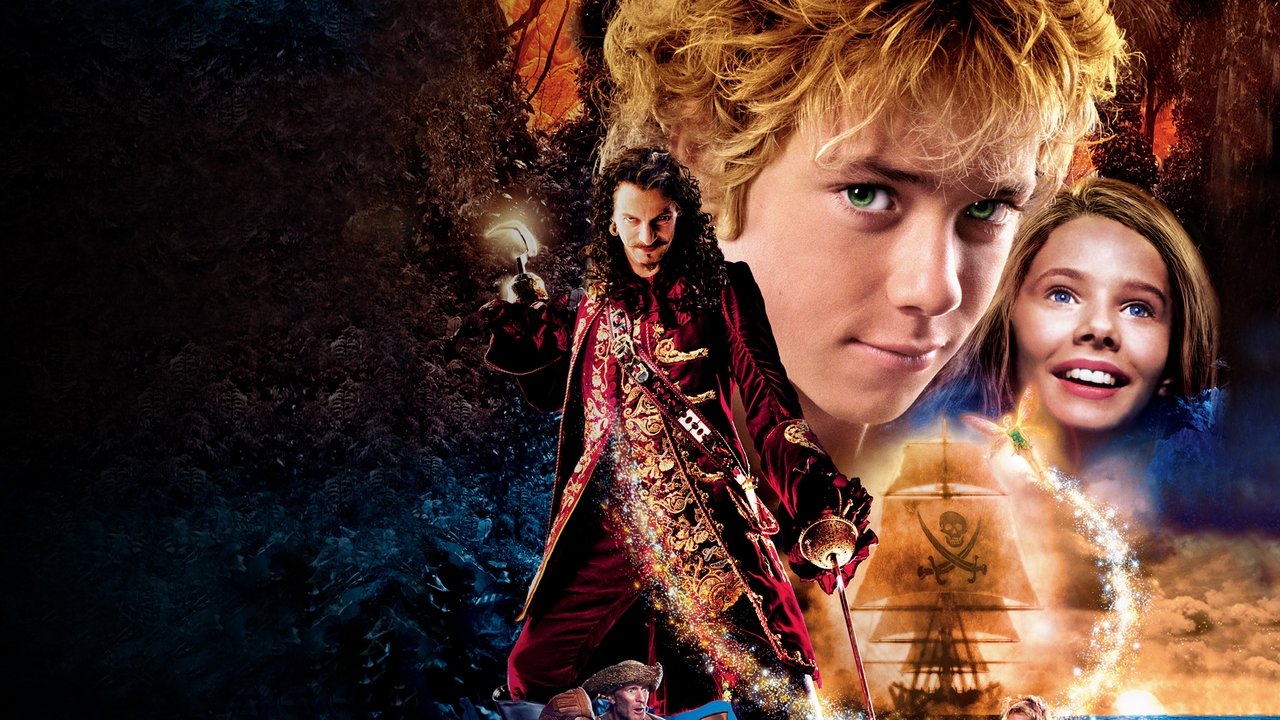
I’ve always felt that Jason Isaacs is the only Captain Hook that matters, mostly because he understands the character’s vanity is a shield against his own obsolescence. The way he preens while his pirates (including a wonderful Richard Briers as Smee) look on in terror is a masterclass in "Adventure Villainy."
This film was a box office disappointment in 2003, largely because it had the misfortune of opening against the juggernaut of The Lord of the Rings: The Return of the King. It’s a classic case of a movie being "lost" to time, only to be rediscovered by a generation who realized it was the version that actually respected their intelligence. It doesn't shy away from the fact that Peter is kind of a heartbreaker, or that the Darling parents are grieving the loss of their children in real-time.
Looking back, it’s the most visually ambitious and emotionally honest adaptation of the source material we’ve ever had. It treats the "Adventure" genre as a vehicle for something deeper, proving that the most dangerous place in the world isn't a pirate ship or a crocodile's belly—it's the nursery window, and the choice of whether or not to close it. If you haven't revisited this since the DVD era, do yourself a favor and fly back. It's just as magical, and twice as sad, as you remember.
Keep Exploring...
-

The Emperor's New Groove
2000
-
The Road to El Dorado
2000
-

Asterix & Obelix: Mission Cleopatra
2002
-
Treasure Planet
2002
-

Sinbad: Legend of the Seven Seas
2003
-

The Polar Express
2004
-
Arthur and the Invisibles
2006
-
Stardust
2007
-
Inkheart
2008
-
The Chronicles of Narnia: Prince Caspian
2008
-
The Spiderwick Chronicles
2008
-
Legend of the Guardians: The Owls of Ga'Hoole
2010
-

The Cat Returns
2002
-
Last Action Hero
1993
-
Anastasia
1997
-
Hercules
1997
-
Night at the Museum: Battle of the Smithsonian
2009
-
The Chronicles of Narnia: The Voyage of the Dawn Treader
2010
-
Brave
2012
-
Rise of the Guardians
2012