Phone Booth
"Answer the phone. It might be your last call."
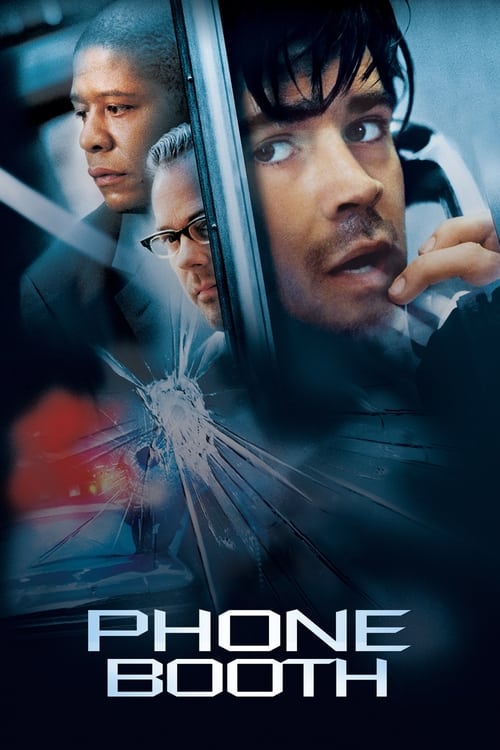
The last time I saw an actual, functioning phone booth, it was being used as a makeshift umbrella by a tourist in London. They are museum pieces now—relics of a localized, tethered world that vanished the moment we all started carrying the internet in our pockets. But in 2003, the phone booth was the perfect setting for a high-concept confession. It was the only place in a crowded city where a man could still be truly alone, yet entirely exposed.
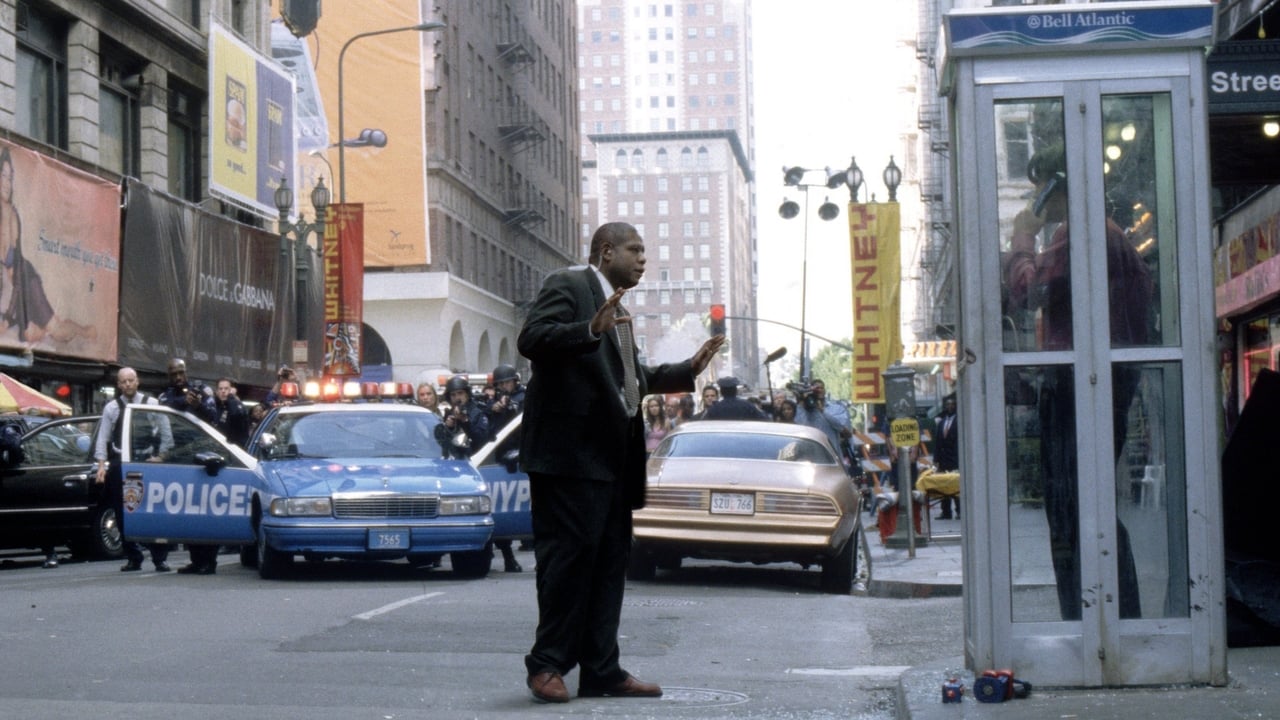
I remember watching this for the first time on a DVD I’d scored from a "3 for $10" bin at a Blockbuster that was closing down. Halfway through the movie, my radiator started clanking like a ghost with a grudge, and honestly, the metallic banging only added to the claustrophobic tension. Phone Booth is a lean, mean 81 minutes of cinema that shouldn't work as well as it does. It’s a movie that asks: "How long can you watch a man stand in a box?" As it turns out, if that man is Colin Farrell, the answer is: "Until the credits roll."
A Relic of the Wired World
Phone Booth feels like the final exhale of the 1990s thriller era before the digital age completely rewrote the rules of the genre. Directed by Joel Schumacher, a filmmaker often unfairly maligned for his neon-soaked Batman sequels, the film is an exercise in restraint—mostly. It was shot in just twelve days on a single block in Manhattan (actually a set in Los Angeles, but the grit feels real enough), and it captures a very specific post-9/11 anxiety.
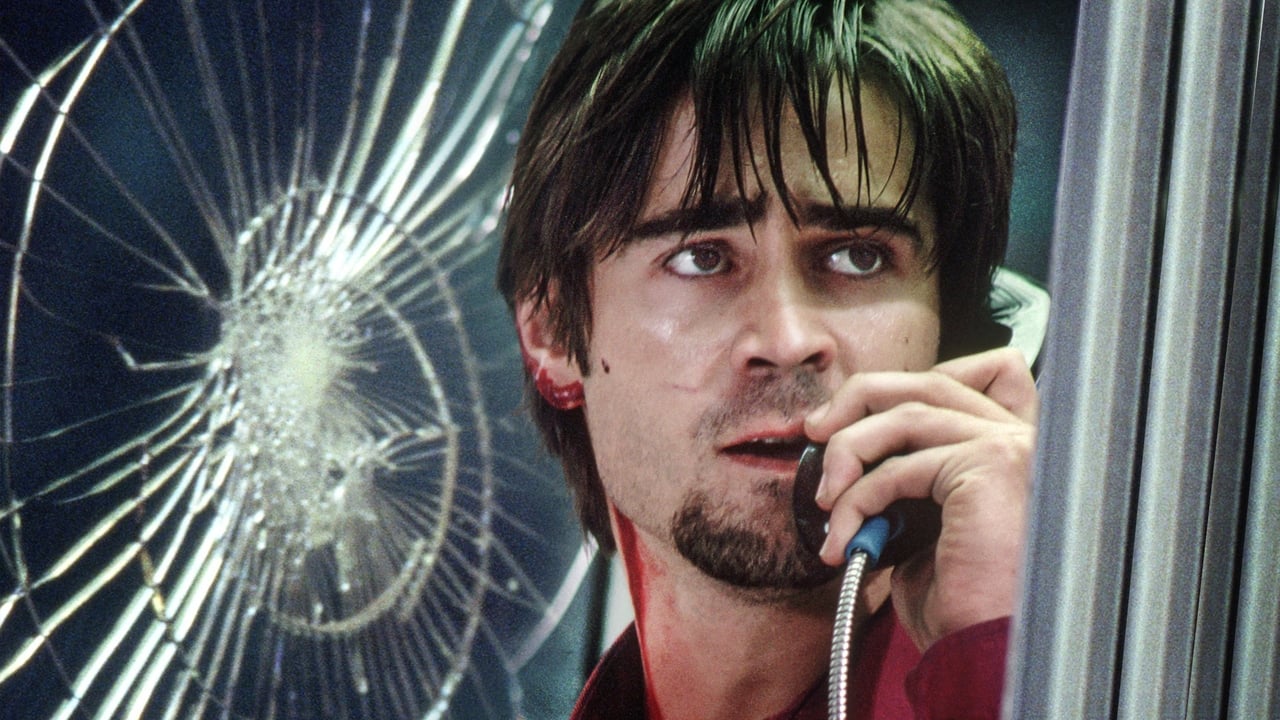
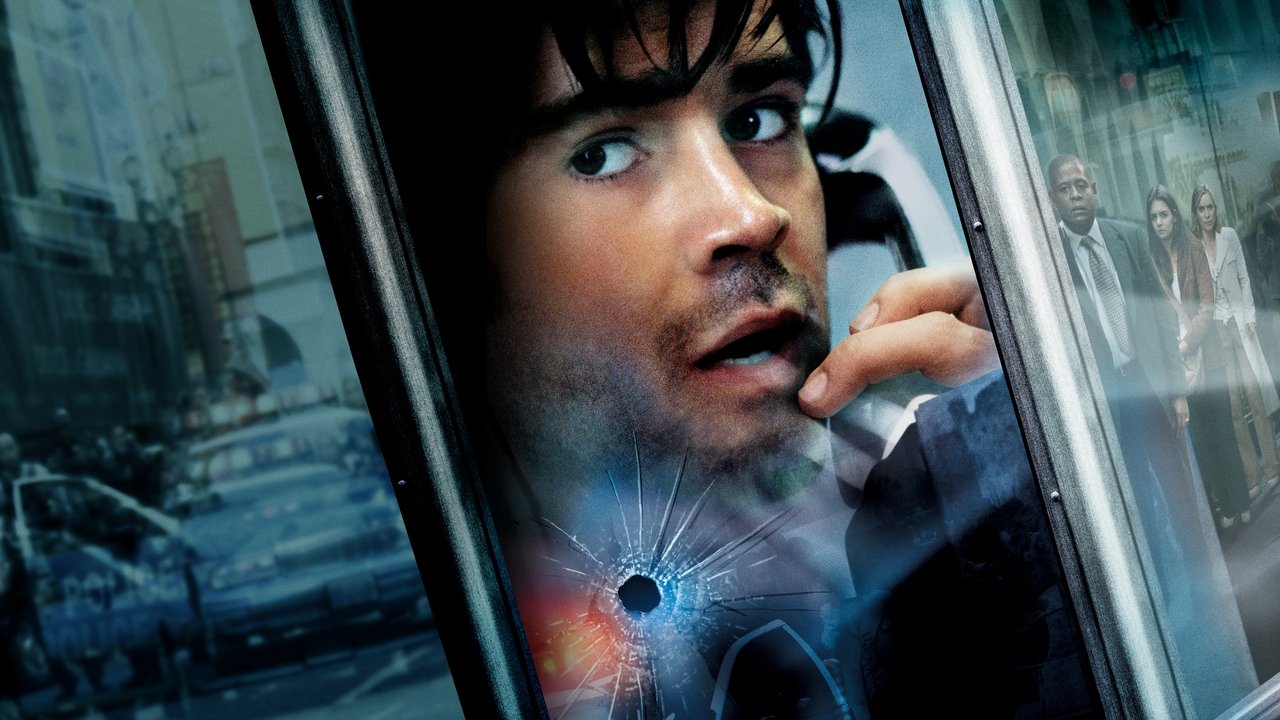
The film was actually delayed for months because of the real-life D.C. sniper attacks, and you can feel that raw, jagged nerves-on-end energy in every frame. The premise is Hitchcockian in its simplicity: Stu Shepard, a fast-talking, shirt-stunning publicist who treats people like disposable napkins, answers a ringing phone. On the other end is a sniper who knows every one of Stu's dirty little secrets. If Stu hangs up, he dies.
Looking back, the split-screen usage looks like a Windows 98 desktop having a nervous breakdown, but it serves a purpose. In an era before we were constantly multitasking on three different screens, Joel Schumacher used these boxes to show us the peripheral chaos of New York while keeping us locked in Stu’s personal hell.
The Farrell Transformation
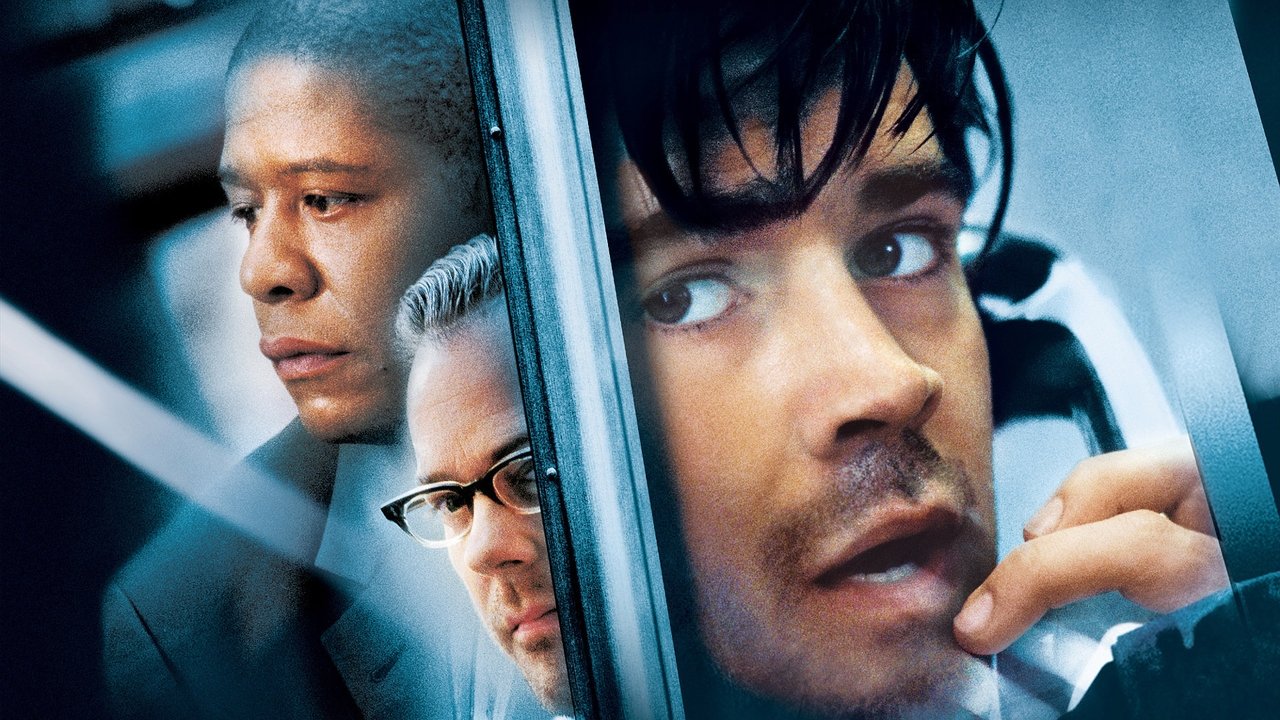
This was the moment the world realized Colin Farrell wasn't just a pretty face in a leather jacket. As Stu Shepard, he starts the movie as a character I desperately wanted to see get punched. He’s arrogant, manipulative, and shallow. But as the "The Caller"—voiced with terrifying, velvet-wrapped malice by Kiefer Sutherland—begins to dismantle Stu’s ego, Farrell does something remarkable. He de-evolves.
By the final act, he is a snot-nosed, trembling mess of a man, stripped of his expensive suit and his lies. It’s a transformative performance that carries the entire weight of the film. Most of his scenes were shot in sequence, which allowed Farrell to naturally descend into a state of genuine exhaustion. You can see the sweat isn't just a spray bottle; it’s the result of an actor vibrating at a high frequency for ten hours a day.
Forest Whitaker shows up as Captain Ramey, providing the much-needed grounded humanity to balance the theatricality of the sniper. Whitaker has this incredible ability to look like he’s thinking three steps ahead of everyone else while appearing entirely calm, which is the perfect foil for Farrell’s spiraling panic.
Pressure Cooker Filmmaking
The script by Larry Cohen is a minor miracle of pacing. Cohen, a legend of B-movie cinema, had been trying to sell this "man in a booth" idea since the 1960s. He originally pitched it to Alfred Hitchcock, but they could never figure out a logical reason to keep the protagonist from just walking away. The "sniper with a red dot" was the missing piece of the puzzle.
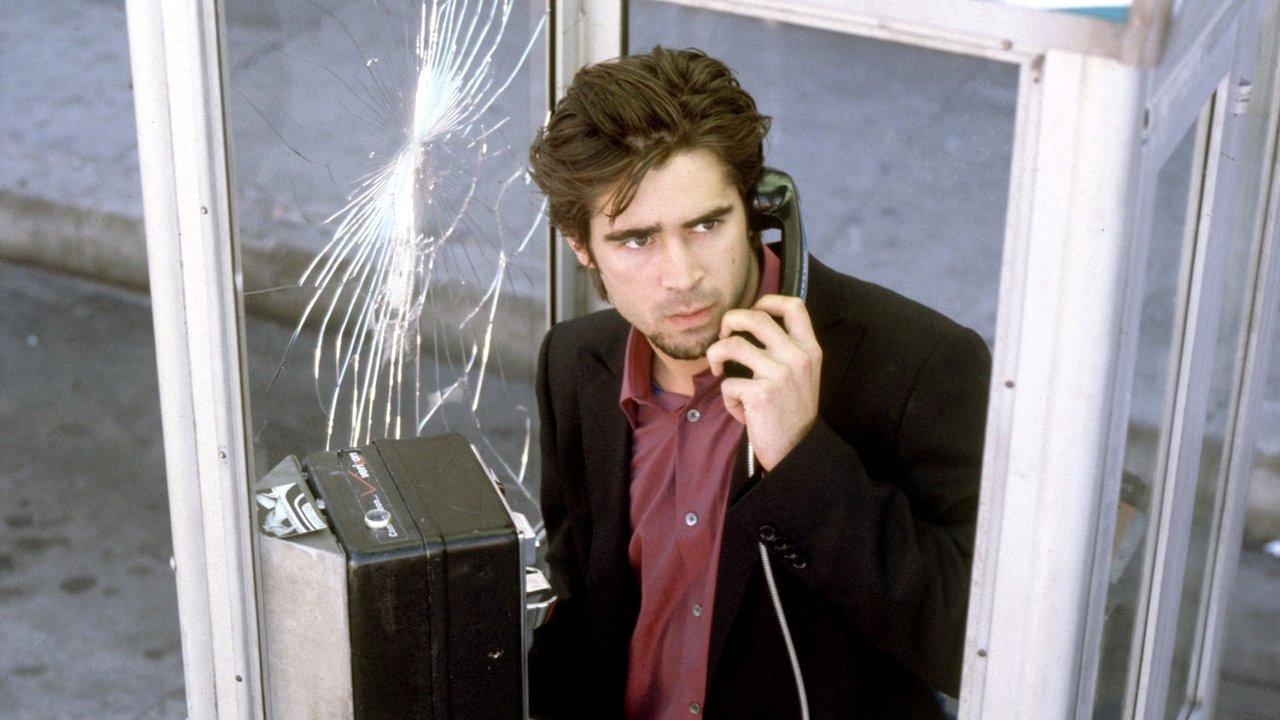
There’s a certain cult charm to how localized the stakes are. In an age of MCU-level world-ending threats, there is something refreshing about a movie where the entire universe is roughly three feet by three feet. It’s a morality play disguised as a grindhouse thriller. The film forces Stu to admit to his wife (Radha Mitchell) and his mistress (Katie Holmes) that he’s a fraud, and the movie suggests that being a dishonest publicist is a crime punishable by public execution.
It’s an absurdly harsh judgment, but that’s the joy of the cult thriller—it takes a small human flaw and magnifies it until it becomes a life-or-death struggle. While the technology has aged (the sight of a pager really dates the opening montage), the psychological core remains sharp. We are all still performative versions of ourselves, just on different platforms now.
Phone Booth is a masterclass in how to maximize a minimal budget and a limited location. It’s a relic of a time when a high-concept hook and a hungry lead actor were enough to fuel a hit. While the early-2000s stylistic flourishes can feel a bit dated, the tension is timeless. It’s the kind of movie that makes me miss the days when thrillers were allowed to be eighty minutes long and entirely focused on a single, terrible idea. Next time you see a derelict phone booth on a city street, you’ll probably think twice before checking if there’s a dial tone.
Keep Exploring...
-
8MM
1999
-
The Number 23
2007
-

Falling Down
1993
-
A Time to Kill
1996
-
The Client
1994
-
The Boondock Saints
1999
-
American Psycho
2000
-
John Q
2002
-
21 Grams
2003
-
Once Upon a Time in Mexico
2003
-
Cellular
2004
-
Kiss Kiss Bang Bang
2005
-
Crank
2006
-
Lucky Number Slevin
2006
-
Miami Vice
2006
-
Out of the Furnace
2013
-
The Last Stand
2013
-
Lethal Weapon 4
1998
-
Ronin
1998
-

The Negotiator
1998