Pirates of the Caribbean: The Curse of the Black Pearl
"A swashbuckling gamble that resurrected a dead genre and redefined the summer blockbuster."

I remember the collective eye-roll that rippled through the film community when Disney announced they were making a big-budget movie based on a theme park ride. It felt like the ultimate sign of creative bankruptcy. At the time, pirate movies were considered box-office poison—anyone remember the $100 million crater left by Cutthroat Island (1995)? I certainly did. Yet, I walked into that theater in 2003, sat down with a bucket of overpriced popcorn, and within ten minutes, I knew I was watching something that shouldn't have been possible.

The Anti-Hero in Guhl’s Clothing
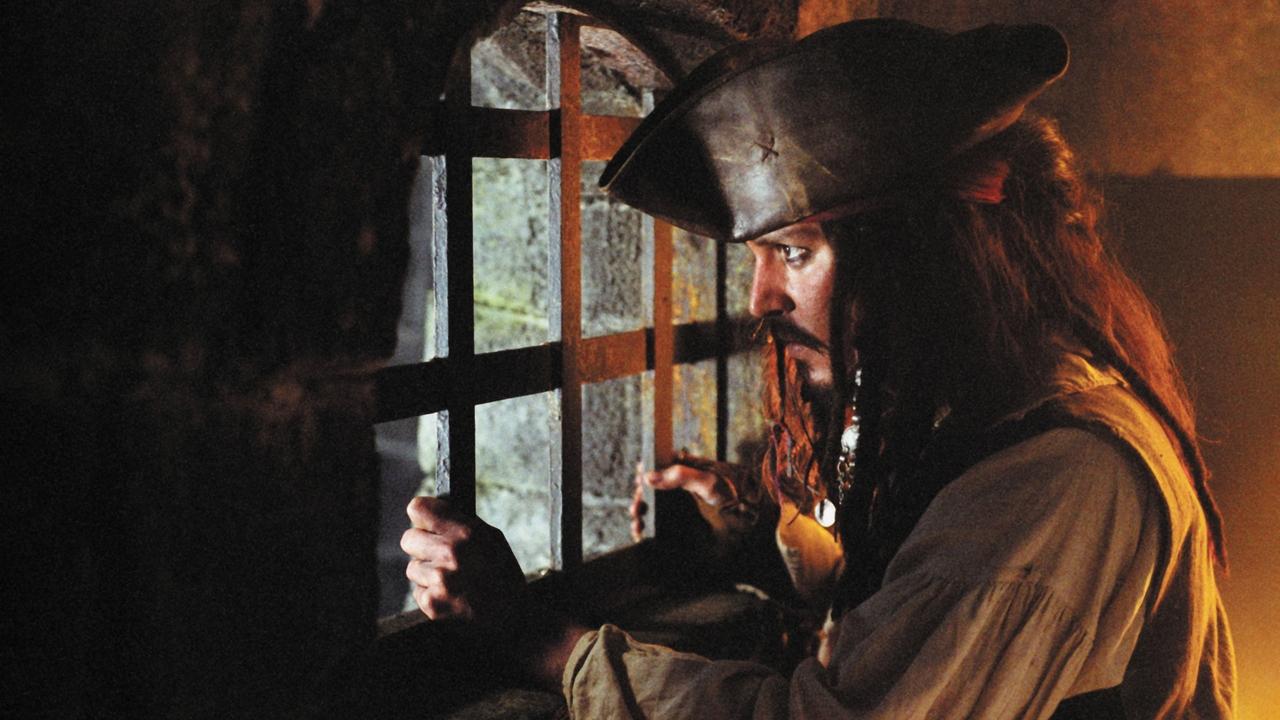
The secret weapon, of course, was Johnny Depp. Before he became a caricature of himself in later installments, his first outing as Captain Jack Sparrow was a revelation. I watched this again recently on a flight next to a woman who was knitting a very long, very neon green scarf, and the rhythmic clicking of her needles actually matched the beat of the "He's a Pirate" theme during the harbor entrance. It reminded me how much of this movie rests on Jack's erratic, drunken-master energy.
Disney executives, specifically Michael Eisner, famously hated what Depp was doing. They thought he was drunk, or gay, or both, and they feared he was "ruining" the movie. Looking back, he was the only thing making it modern. While Orlando Bloom (fresh off his success as Legolas in Peter Jackson’s The Lord of the Rings) is basically a very earnest piece of sentient mahogany, Depp provided a weird, indie-film edge to a corporate product. He took a stock archetype and turned it into a rock star, specifically channeling Keith Richards and Pepé Le Pew.
Choreography and the Klaus Badelt Crunch
Director Gore Verbinski brought a precision to the action that often gets overlooked. Take the blacksmith shop duel between Jack and Will Turner. It’s not just two guys swinging steel; it’s a rhythmic, percussive sequence that uses the entire environment—the donkey, the rafters, the hot iron. It feels physical and weighted, a far cry from the weightless digital brawls we see in modern superhero cinema.
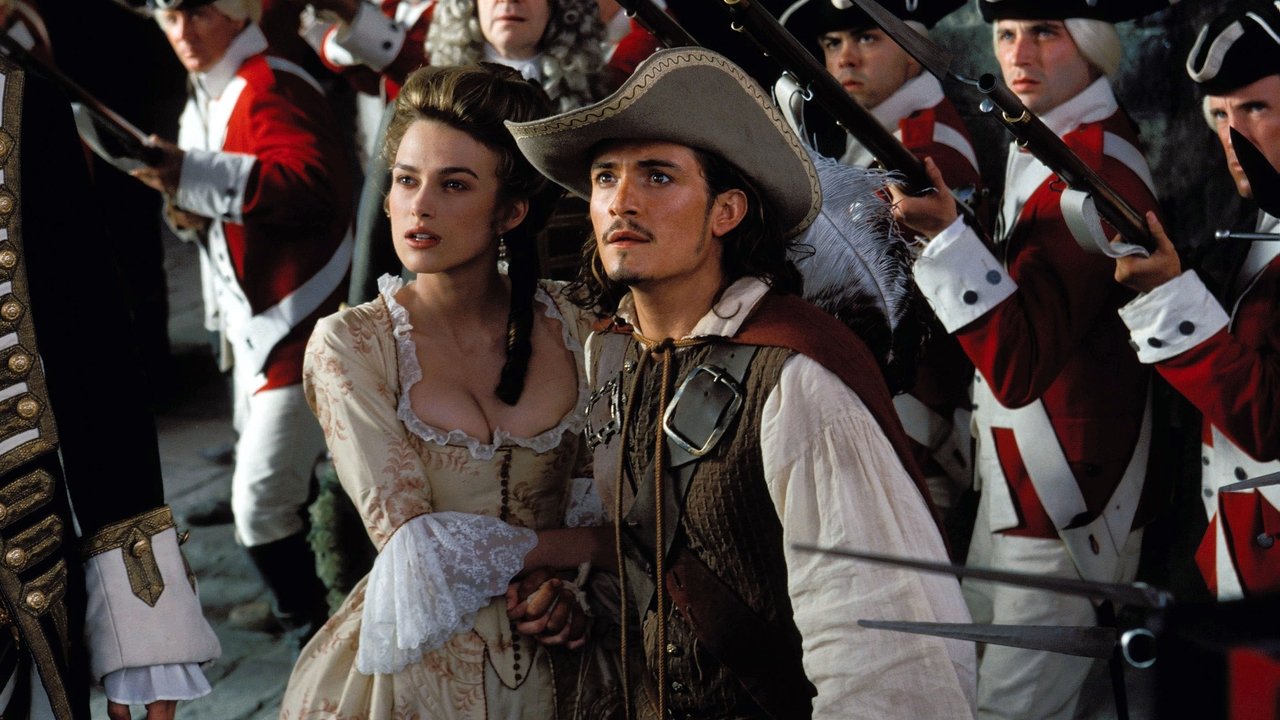
Then there’s the score. While Klaus Badelt is credited, the fingerprints of Hans Zimmer are all over this thing. The music doesn't just support the action; it drives it like a freight train. It’s loud, repetitive, and incredibly effective at masking the fact that the movie is nearly two and a half hours long. For an action film, the pacing is surprisingly tight, largely because it treats every escape and sea battle like a mini-comedy of errors where the stakes actually matter.
The CGI Sweet Spot
We were right in the thick of the "CGI Revolution" in 2003. We had seen The Matrix and Gollum, but the industry was still figuring out how to blend digital effects with practical grit. The Curse of the Black Pearl hit the absolute sweet spot. The moonlit reveal of the cursed crew as skeletal pirates remains a high-water mark for Industrial Light & Magic.
Because Verbinski insisted on shooting on real water with real ships (the Lady Washington stood in for the HMS Interceptor), the digital skeletons feel anchored to reality. They have shadows; they interact with the physical rigging. When Geoffrey Rush’s Barbossa steps into the moonlight and transforms, it doesn’t look like a cartoon—it looks like a nightmare. Geoffrey Rush is having the time of his life here, by the way, munching on apples and scenery with equal gusto. He’s the perfect foil to Depp’s eccentricity, providing a grounded, menacing villainy that the later sequels sorely lacked.
A Legacy Cast in Gold
It’s easy to forget how much this movie changed the landscape. It wasn't just a hit; it was a $655 million cultural earthquake. It proved that "branded content" could actually be good if you let a weird director and a weirder lead actor off the leash. The production was massive—they actually built a massive indoor tank in Los Angeles for the cave scenes, and the budget swelled to $140 million, which was an astronomical sum for a "risk" back then.
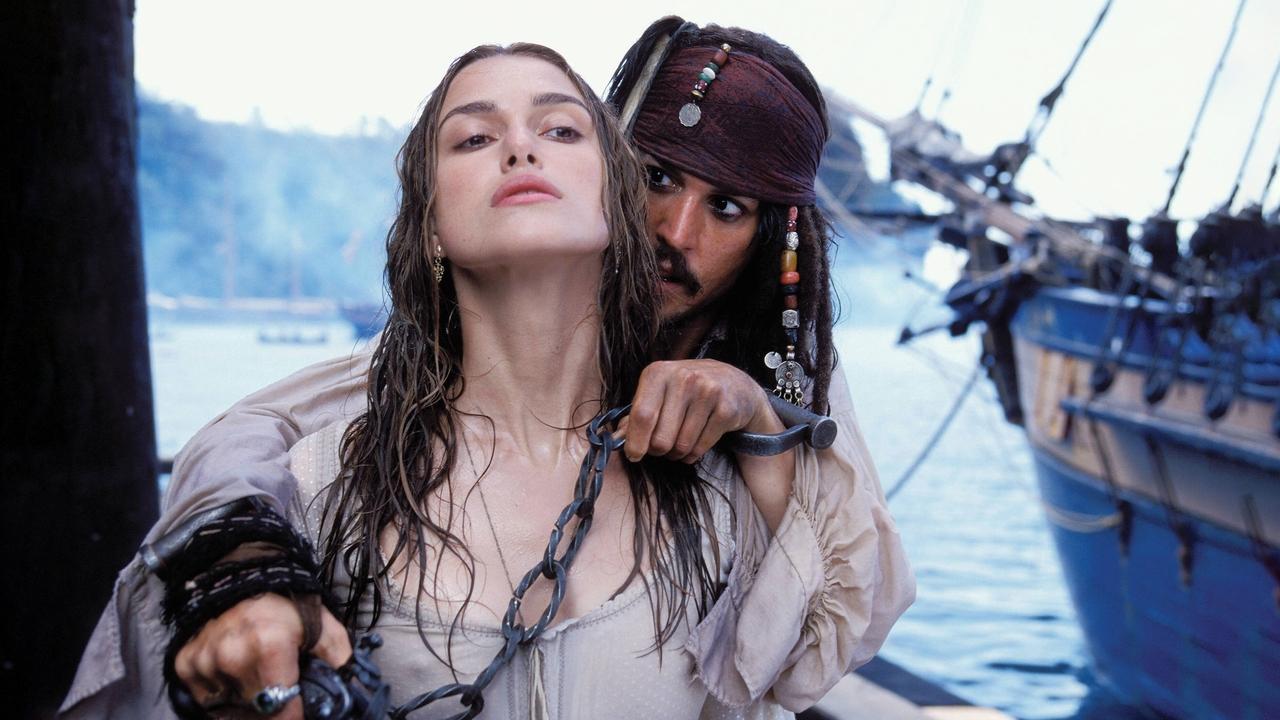
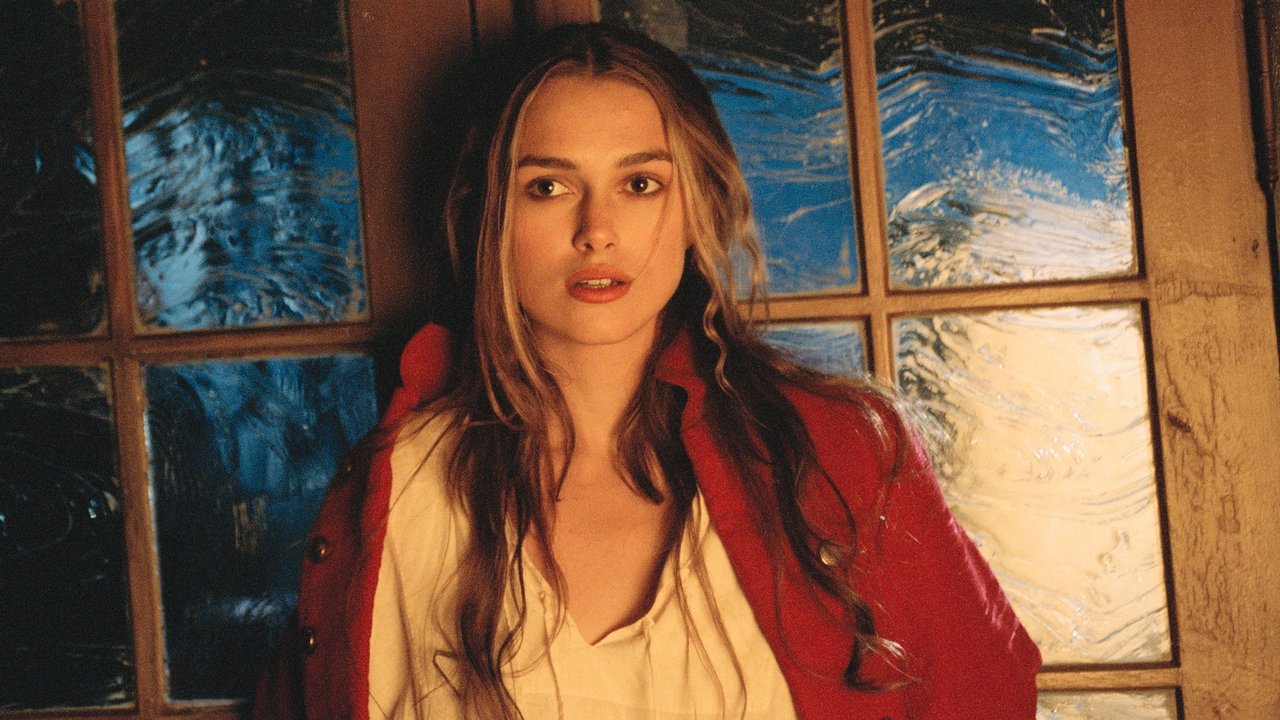
The film also benefited immensely from the peak DVD era. I remember spending hours going through the "Lost at Sea" bonus features on the two-disc set, which offered a film school education on how to coordinate 300 extras in period clothing. It gave the movie "legs" long after it left theaters, cementing its place in the millennial canon. Even Keira Knightley, who was only 17 during filming, managed to give Elizabeth Swann more agency than your typical damsel in distress, paving the way for the more action-oriented heroines of the late 2000s.
The Curse of the Black Pearl is that rare blockbuster where the stars, the score, and the technology aligned perfectly for one brief moment before the franchise bloat set in. It’s a masterclass in how to balance humor with genuine stakes, and it remains a joy to watch even twenty years later. If you haven't revisited it lately, do yourself a favor and set sail one more time—just watch out for the rum.
Keep Exploring...
-
Pirates of the Caribbean: At World's End
2007
-

Pirates of the Caribbean: Dead Man's Chest
2006
-
Pirates of the Caribbean: On Stranger Tides
2011
-
Pirates of the Caribbean: Dead Men Tell No Tales
2017
-
The Lord of the Rings: The Two Towers
2002
-
The Mummy
1999
-
The Lord of the Rings: The Fellowship of the Ring
2001
-

The Lord of the Rings: The Return of the King
2003
-

The Hobbit: The Desolation of Smaug
2013
-
Charlie and the Chocolate Factory
2005
-
Shrek
2001
-
Avatar
2009
-
The Hobbit: An Unexpected Journey
2012
-
The Lone Ranger
2013
-
How to Train Your Dragon 2
2014
-
Maleficent
2014
-
Rango
2011
-

Sinbad: Legend of the Seven Seas
2003
-
The Hobbit: The Battle of the Five Armies
2014
-
The Mummy Returns
2001