Ruby & Quentin
"One's a silent killer, the other won't shut up."

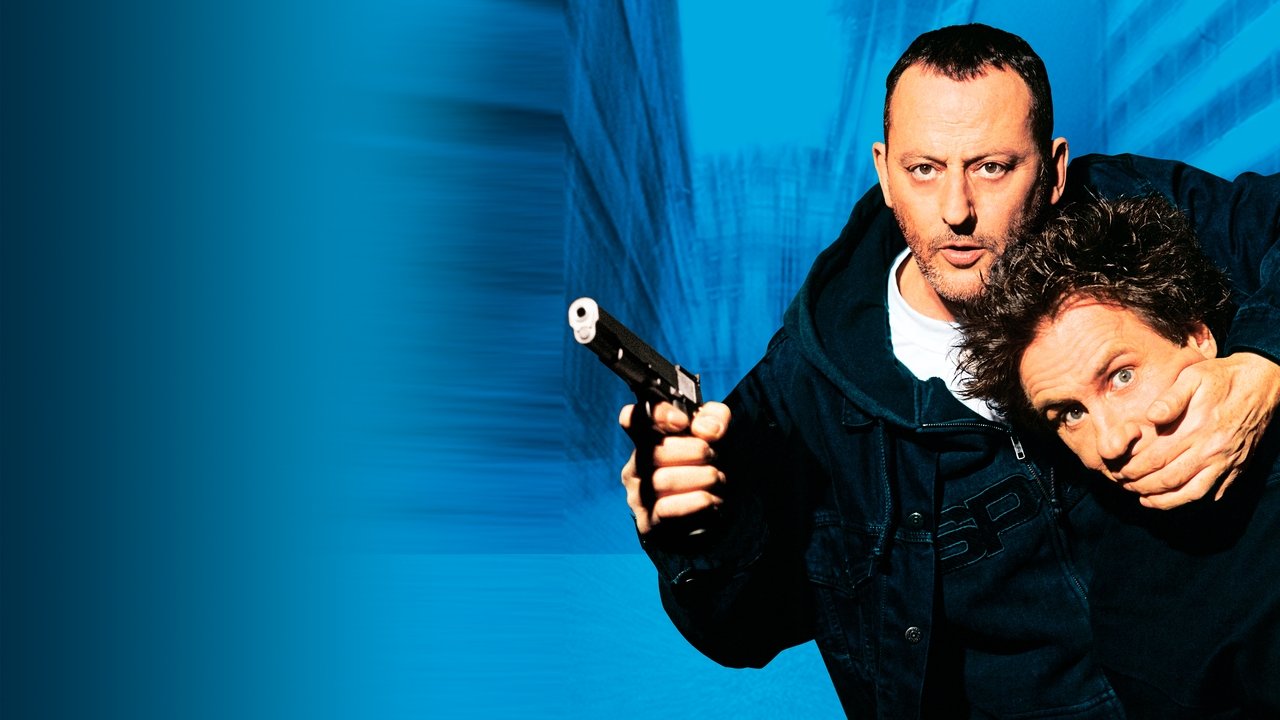
There is a specific kind of facial expression that only Gérard Depardieu can pull off—it’s a mix of profound, bovine emptiness and an almost saintly sweetness. In Ruby & Quentin (originally titled Tais-toi! in France), he wields that face like a blunt instrument. He plays Quentin, a man whose brain appears to have been replaced by a very enthusiastic, very confused Golden Retriever. On the flip side, you have Jean Reno (credited here by his birth name, Juan Moreno), playing Ruby with the kind of volcanic, simmering silence that suggests he might actually explode if someone asks him a follow-up question.
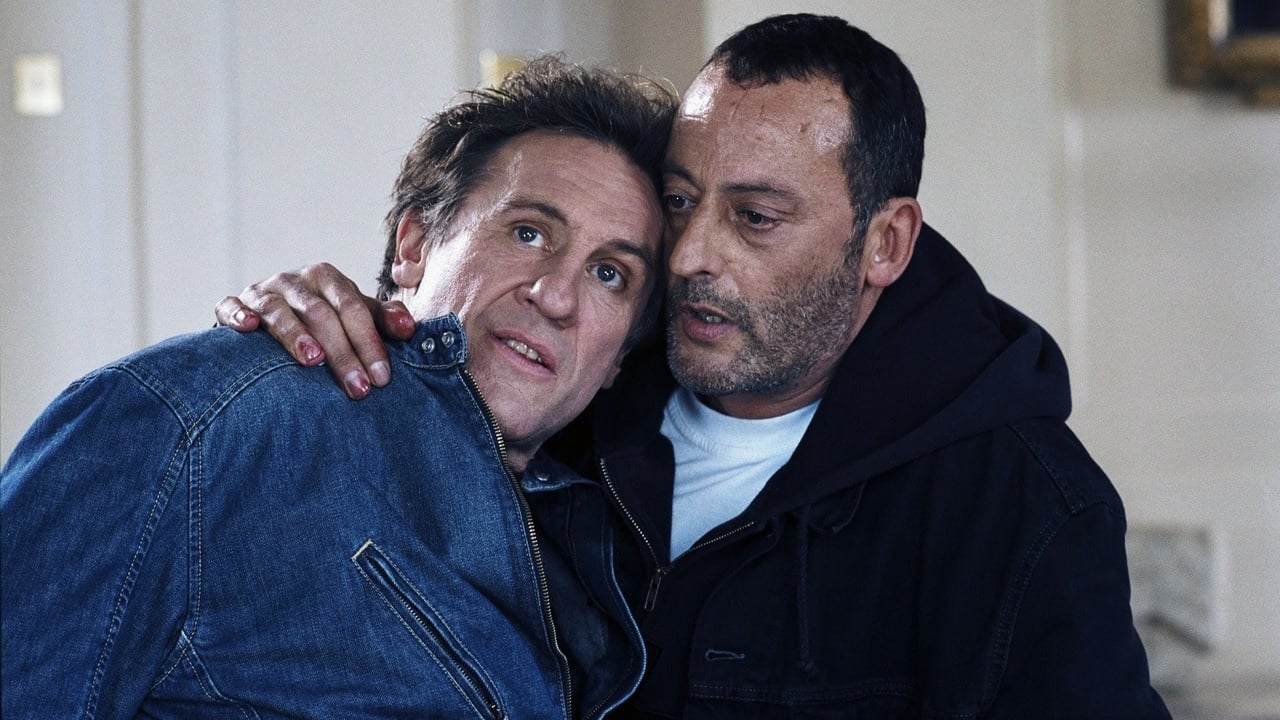
I first stumbled upon this flick on a scratched DVD I found in a bargain bin at a closing Blockbuster. The case had a faint, inexplicable smell of vanilla car freshener, which somehow made the experience of watching two middle-aged French icons run around in stolen police cars feel even more like a fever dream. It’s a crying shame this movie isn't a staple of every "best buddy comedy" list, because it’s a masterstroke of efficient, 85-minute slapstick that refuses to overstay its welcome.
The Architect of the Annoyance
To understand why this works, you have to look at the man behind the curtain: Francis Veber. If you don’t know the name, you know his DNA. He wrote the original La Cage aux Folles and directed The Dinner Game (Le Dîner de Cons). Veber is the undisputed heavyweight champion of the "Straight Man vs. The Idiot" genre. He has spent decades perfecting a specific character archetype: the emmerdeur, or the "pesterer."
In Ruby & Quentin, the pesterer is dialed up to eleven. Quentin isn’t just annoying; he’s a catastrophe. He’s a giant who doesn't know his own strength and possesses a singular, tragic obsession: opening a bistro with Ruby and naming it "The Two Friends." The joke, of course, is that Ruby is a cold-blooded hitman who would rather chew glass than share a meal with Quentin, let alone a business license. The script is tight, leaning into the Y2K-era polish of French cinema where everything felt high-gloss and expensive, yet the humor remains rooted in the ancient, glorious art of watching a very serious man get hit in the face with a metaphorical (and occasionally literal) pie.
A Masterclass in Mismatched Energy
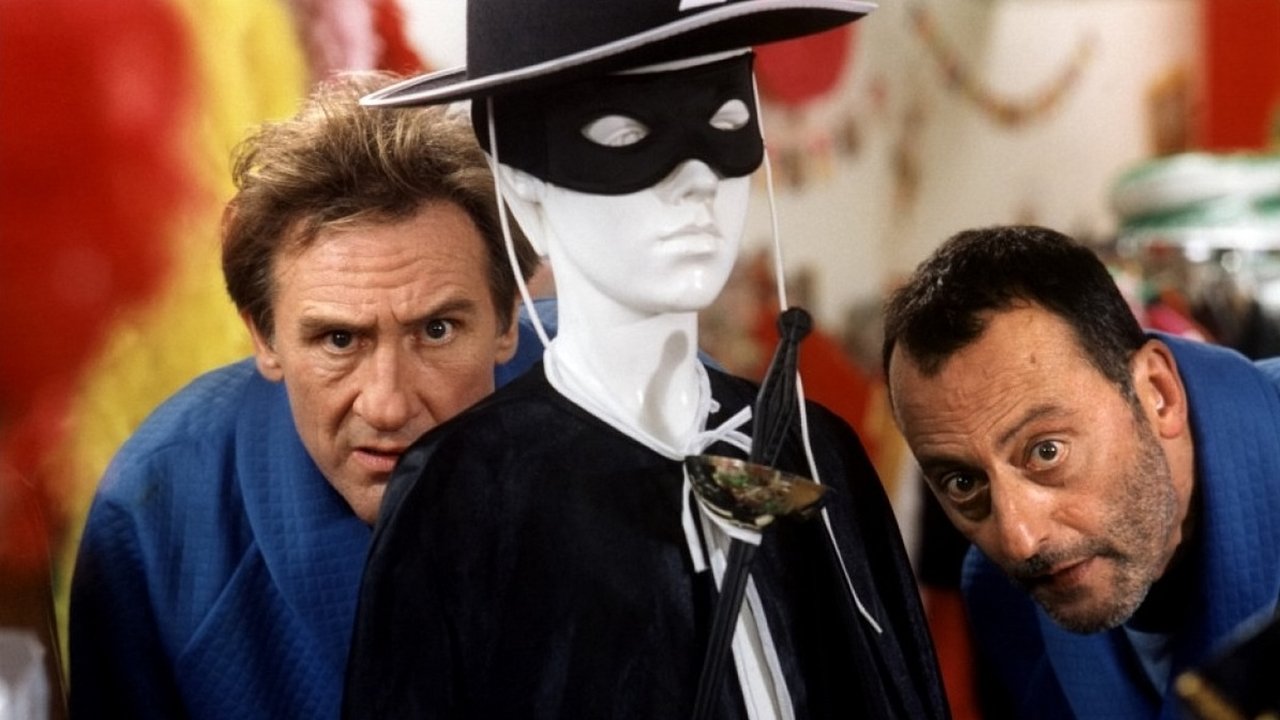
The chemistry here is what carries the film through its lean runtime. Jean Reno is essentially playing a parody of his character from Léon: The Professional, stripped of any paternal warmth and replaced with pure, unadulterated spite. Watching him try to maintain his "brooding outlaw" persona while Gérard Depardieu explains, in excruciating detail, why they should wear cow-themed disguises is the pinnacle of the genre.
Depardieu, before he became more famous for his off-screen eccentricities, was a physical comedy genius. He uses his massive frame to create a character that is somehow both intimidating and completely helpless. Depardieu plays an idiot so convincingly it makes you wonder if he actually forgot the script halfway through filming. There’s a scene involving a "stolen" police car and a very confused Richard Berry (as Commissioner Vernet) that relies entirely on the actors' ability to play the absurdity straight. It’s that early-2000s vibe where the action scenes are shot with real cars and real stunts, giving the comedy a weight that modern CGI-heavy romps often lack.
The Mystery of the Vanishing Act
Despite being a massive hit in France, Ruby & Quentin largely vanished in the English-speaking world. Why? It hit the US during that weird post-9/11 lull where foreign-language comedies were a hard sell unless they were whimsical like Amélie. It’s a tragedy of distribution. Apparently, the film had a healthy budget of over $27 million—huge for a European comedy at the time—and you can see every cent on the screen. The cinematography by Luciano Tovoli (who shot Suspiria!) gives the gritty prison cells and French streets a rich, cinematic texture that elevates it above your standard sitcom-tier movie.
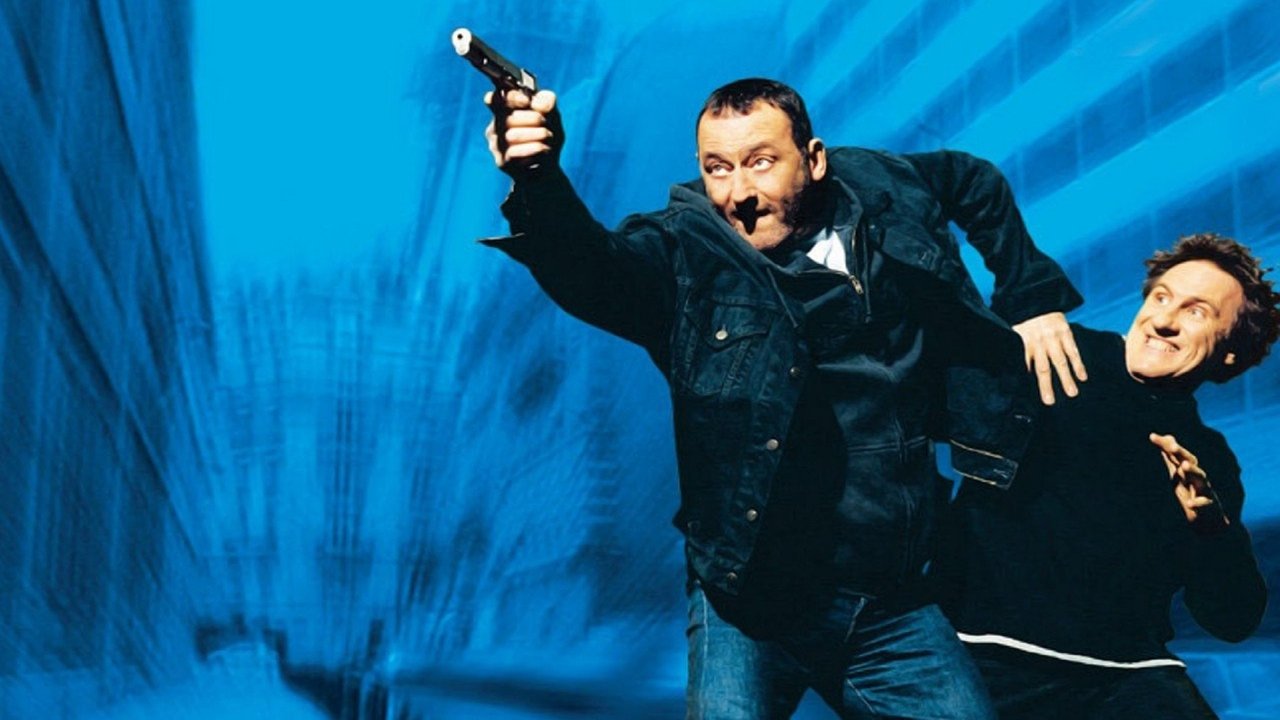
It’s also worth noting that the film features Leonor Varela in a dual role that adds a strange, almost melancholic heart to the B-plot, though let’s be honest: nobody is here for the romance. We’re here to watch Quentin try to use a "bird call" device in the middle of a high-stakes heist. The trivia nuts among you might be interested to know that this was one of the last big hurrahs for this specific style of French "grand public" comedy before the industry shifted toward the more globalized, Netflix-friendly sheen we see today.
Ultimately, Ruby & Quentin succeeds because it trusts its premise. It doesn't try to be a "meta" commentary on buddy movies; it just is a fantastic buddy movie. It understands that the funniest thing in the world is a man who just wants to be left alone being chased by a man who refuses to leave. It’s a breezy, loud, and genuinely heart-filled comedy that serves as a perfect reminder of why Jean Reno and Gérard Depardieu became international superstars in the first place.
If you’re tired of comedies that feel like they were written by a committee looking at a spreadsheet of "relatable beats," seek this one out. It’s a relic of a time when you could throw two legends in a room, tell one to be a wall and the other to be a wrecking ball, and come out with pure cinematic gold. Just don't blame me if you spend the next week wanting to open a bistro called "The Two Friends."
Keep Exploring...
-
Taxi 2
2000
-
Taxi 3
2003
-
Bandidas
2006
-
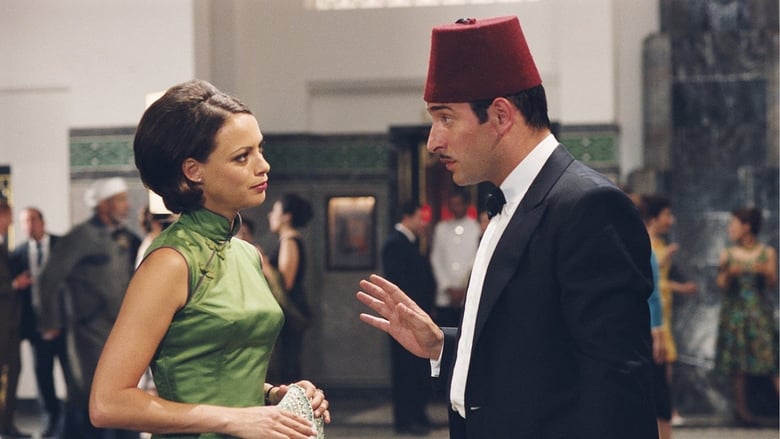
OSS 117: Cairo, Nest of Spies
2006
-
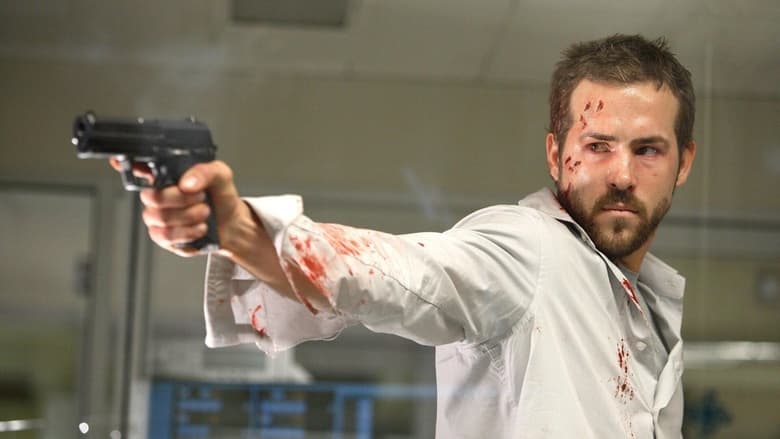
Smokin' Aces
2006
-
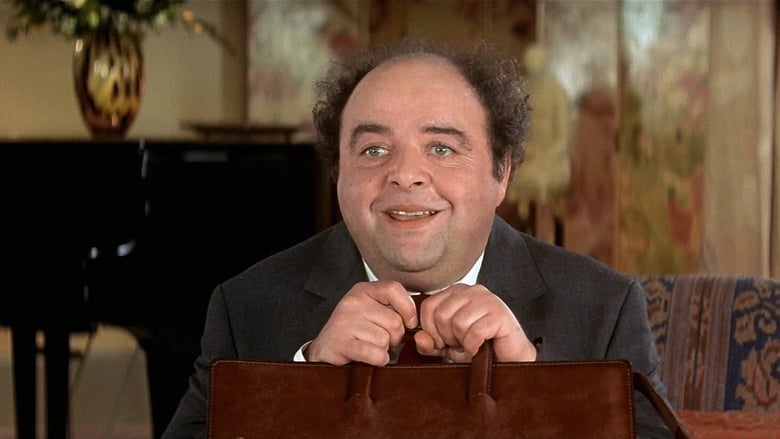
The Dinner Game
1998
-
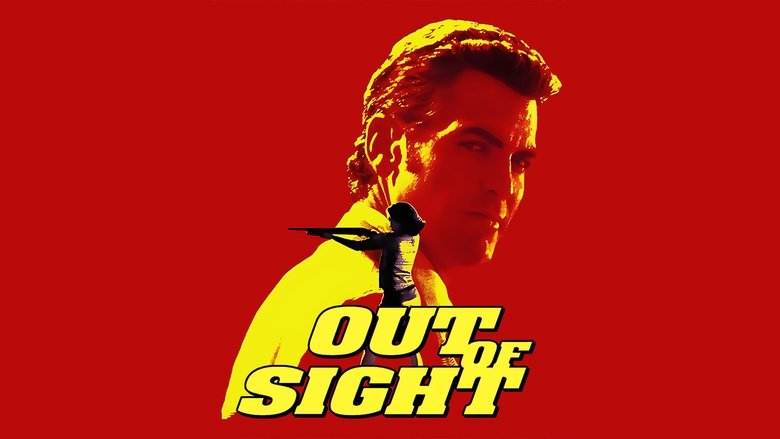
Out of Sight
1998
-

Heartbreakers
2001
-
Confessions of a Dangerous Mind
2002
-
11:14
2003
-
Shoot 'Em Up
2007
-
OSS 117: Lost in Rio
2009
-
Blue Streak
1999
-

Bandits
2001
-
Super Troopers
2001
-
The Mexican
2001
-
The Legend of Al, John and Jack
2002
-
Intolerable Cruelty
2003
-
Matchstick Men
2003
-

Dick Tracy
1990