Runaway Jury
"Twelve jurors. Two legends. One hell of a sale."
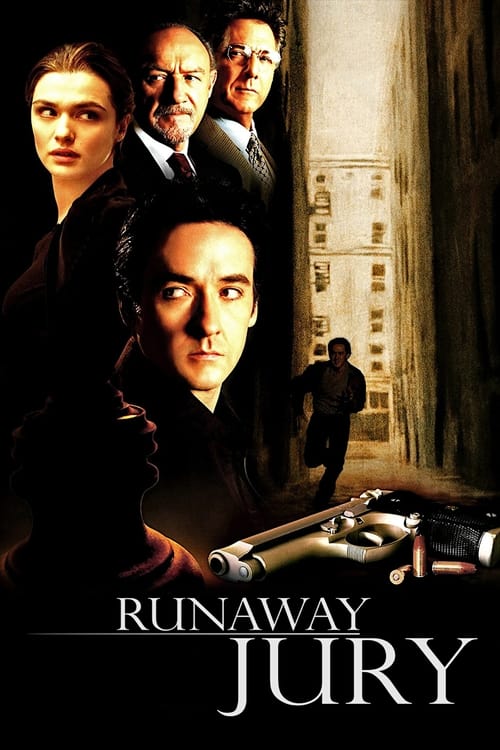
There was a time, not so long ago, when a John Grisham adaptation was the cinematic equivalent of a medium-rare steak and a glass of decent Merlot. It was dependable, high-stakes, middle-aged comfort food. But by 2003, the legal thriller was starting to feel its age. Audiences were trading in courtrooms for the high-octane wizardry of The Lord of the Rings or the burgeoning superhero boom. Yet, nestled right in the middle of that transition, we got Runaway Jury—a film that feels like the glorious, over-the-top sunset of an entire genre.
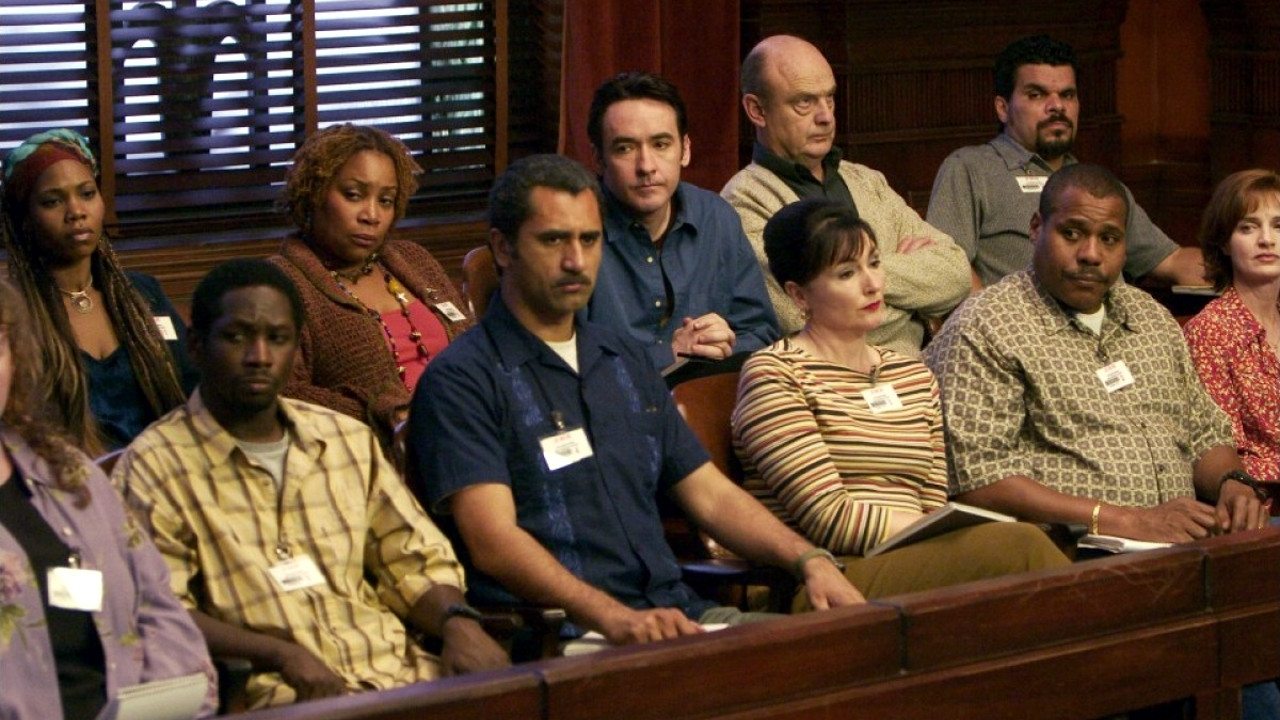
I recently revisited this one while nursing a mild case of food poisoning—turns out, watching Gene Hackman scream at people is the perfect palate cleanser for questionable shrimp tacos. It’s a movie that doesn't just ask you to suspend your disbelief; it asks you to take your disbelief, shove it in a locker, and enjoy the ride of a legal system being dismantled by tech-savvy grifters and grumpy old men.
The Clash of the Titans
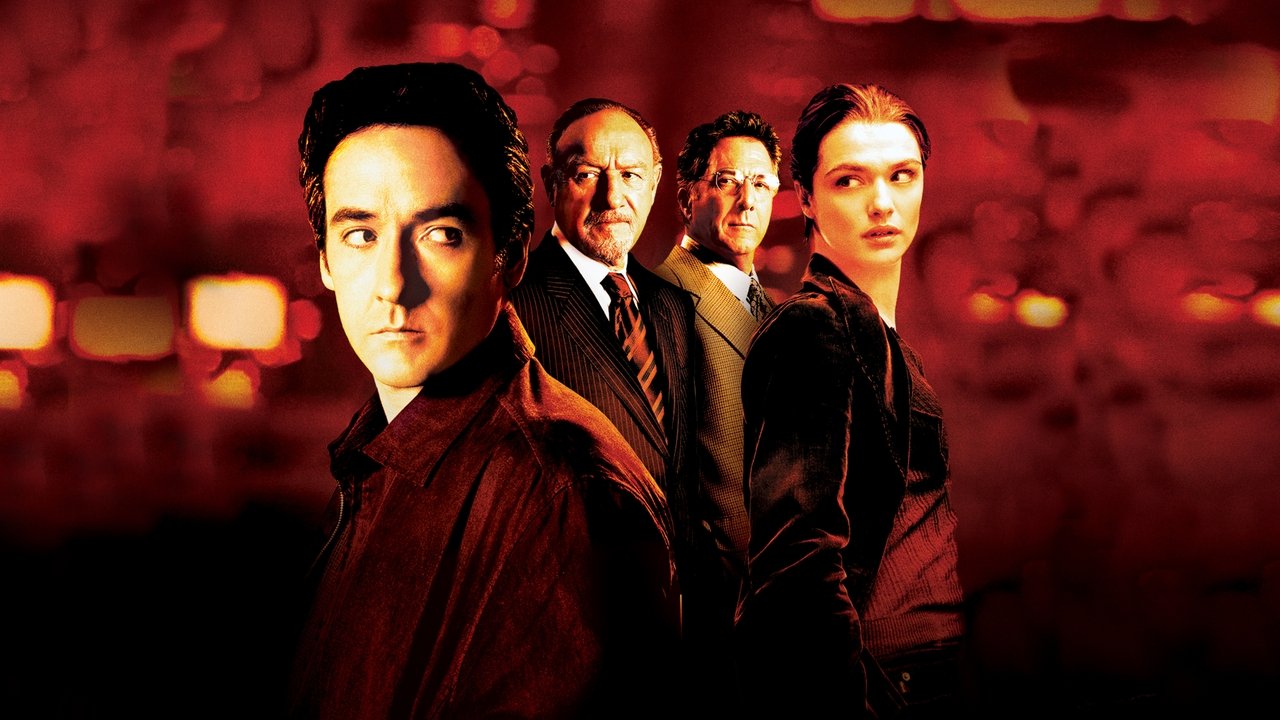
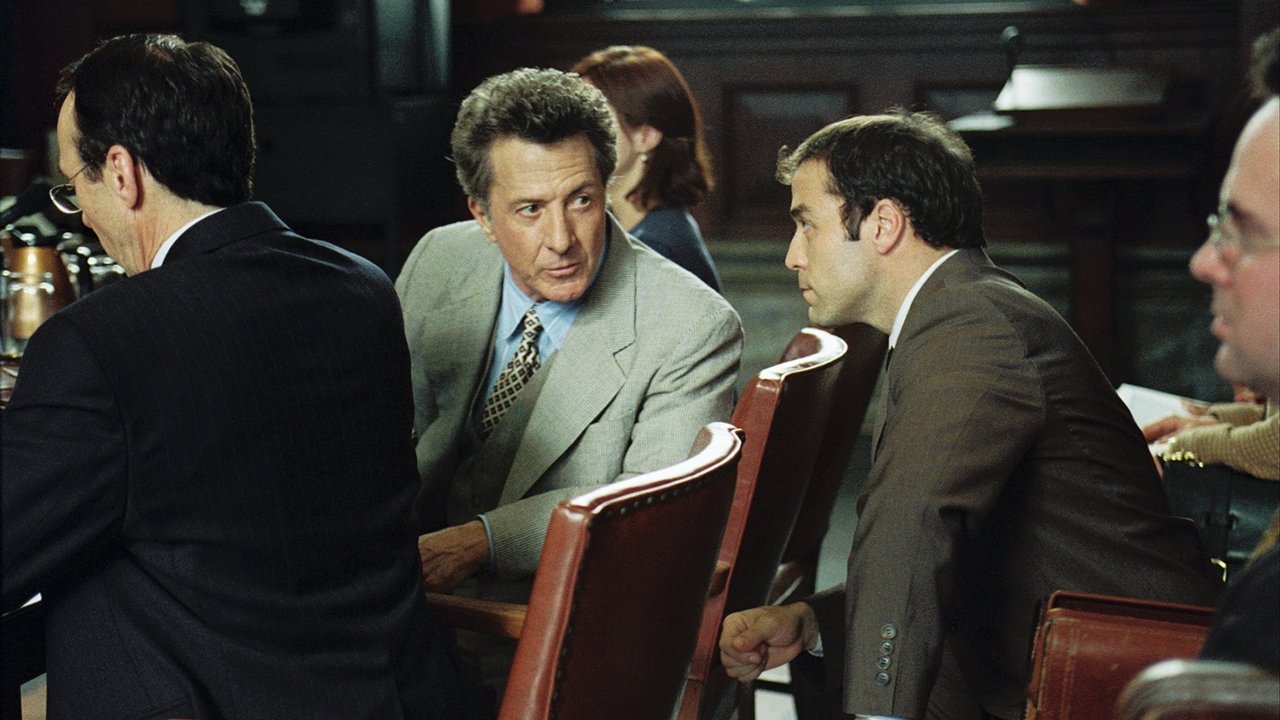
The primary selling point in 2003—and the reason it still commands a viewing today—was the long-overdue pairing of Gene Hackman and Dustin Hoffman. These two were roommates in New York back in the 1950s, struggling actors who were voted "Least Likely to Succeed" by their classmates. It took nearly half a century for them to share a frame, and when they finally do in a tense, mid-film bathroom confrontation, you can practically see the sparks flying off the porcelain.
Gene Hackman, coming off his turn in The Royal Tenenbaums, plays Rankin Fitch, a jury consultant who operates with the ethics of a hungry shark. He’s the villain, and Hackman plays him with a terrifying, low-simmering growl. On the other side, we have Dustin Hoffman (the guy from Rain Man and The Graduate) as Wendell Rohr, a Southern lawyer with a moral compass so straight it’s almost boring.
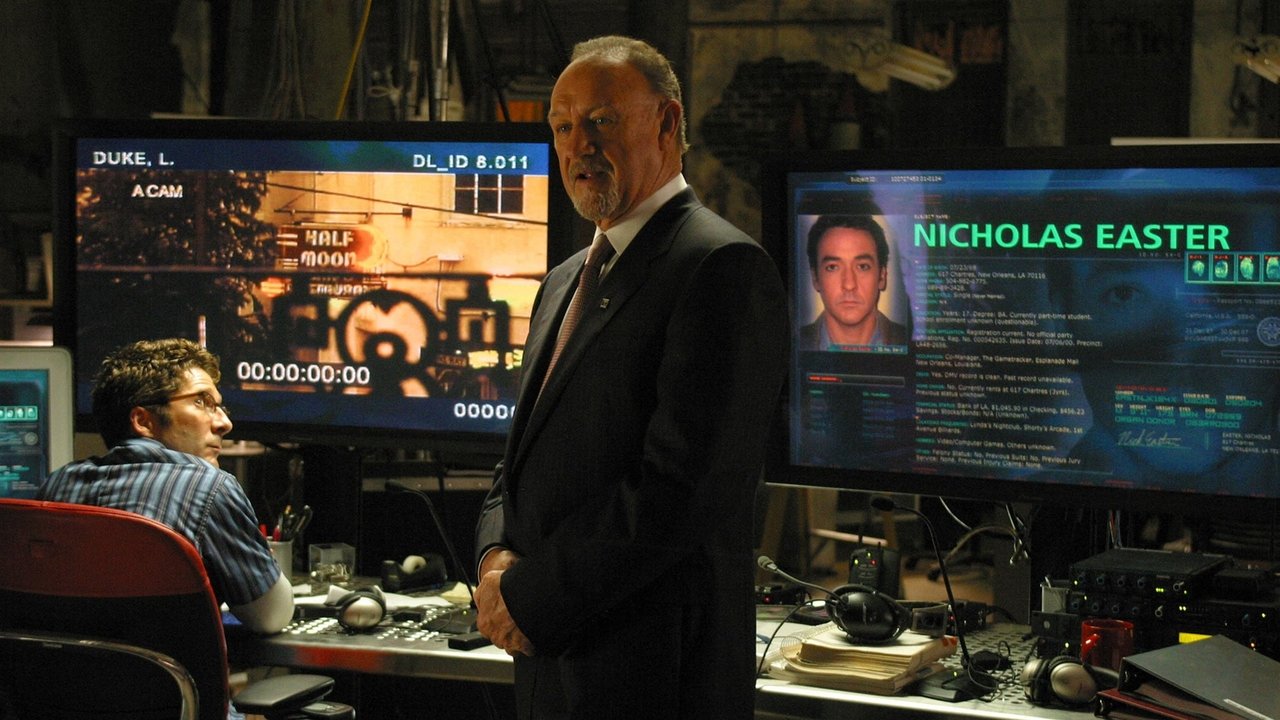
Fitch represents the big gun manufacturers, and Rohr represents the widow of a shooting victim. But the movie knows that watching lawyers argue about ballistics is dull, so it pivots. It becomes a heist movie where the "vault" is the jury box. Rankin Fitch’s command center looks like a NASA control room designed by a guy who thinks privacy is a myth invented by the weak. The way he monitors the jurors' heart rates and shopping habits through hidden cameras is peak 2003 "tech-anxiety," and looking back, it’s hilarious how much of that "illegal" surveillance is now just called "targeted advertising."
A High-Stakes Game of Musical Chairs
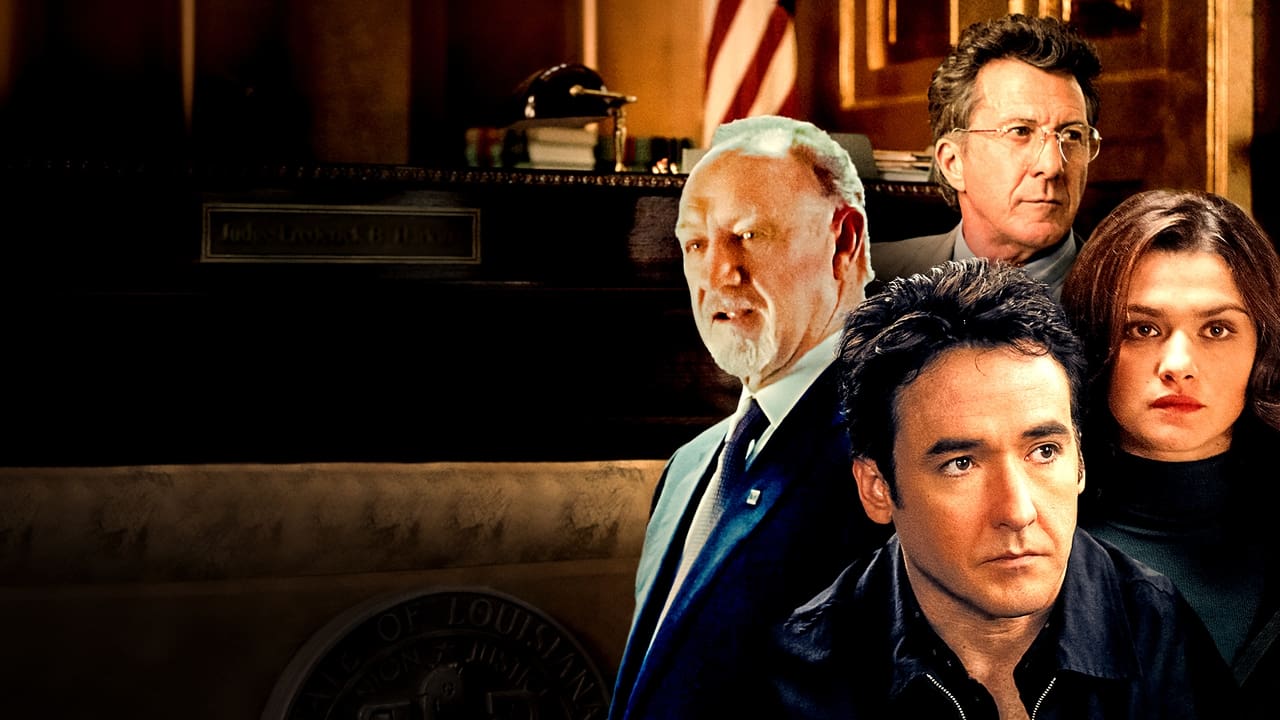
While the titans clash in the background, the actual heavy lifting is done by John Cusack and Rachel Weisz. Cusack, playing Nick Easter, is at his most "Cusackian"—charming, slightly rumpled, and seemingly smarter than everyone in the room. He manages to get himself onto the jury of the "Trial of the Century," while his girlfriend Marlee (Rachel Weisz) plays Fitch and Rohr against each other from the outside.
They claim they can "deliver" the jury for a cool $15 million. It’s a classic cat-and-mouse game, directed with a brisk, muscular pace by Gary Fleder, who previously gave us the slick Kiss the Girls. Fleder understands that the fun of a movie like this isn't the verdict; it’s the process of the con. The screenplay, co-written by Brian Koppelman and David Levien (the duo behind the cult poker classic Rounders), treats jury selection like a high-stakes Texas Hold 'em game.
The film also benefits from a stacked supporting cast. You’ve got Bruce McGill (My Cousin Vinny) as a judge who has clearly run out of patience for everyone’s nonsense, and Bruce Davison as the defense’s "legitimate" face. Even the jurors are played by "hey, it's that guy" character actors who give the group a sense of lived-in reality.
The Last of a Dying Breed
Watching Runaway Jury now is a reminder of how much the "mid-budget thriller" has vanished from the theatrical landscape. This was a $60 million movie about people talking in rooms. Today, this would be a four-part miniseries on a streaming platform, padded with three hours of unnecessary backstory. In 2003, it was a lean, mean two-hour entertainment machine.
The transition from the book to the screen is also a fascinating bit of trivia. In Grisham's original novel, the lawsuit was against Big Tobacco. But by the time the movie went into production, The Insider had already covered that ground. The producers made the bold (and at the time, controversial) choice to switch the target to the gun industry. It gives the film a sharper, more modern edge that surprisingly hasn't dated as much as you'd think.
If there's a flaw, it's that the film's ending feels a bit too neatly wrapped in a bow. It wants to have its cake (a cynical thriller about corruption) and eat it too (a moralistic victory for the "good guys"). But honestly, I didn't mind. In a world of ambiguous endings and "to be continued" franchises, there’s something deeply satisfying about a movie that knows exactly what it is and finishes the job.
Runaway Jury is the kind of movie they truly don't make anymore. It’s a showcase for legendary actors to chew the scenery, a platform for a tight script to weave a complex web, and a relic of a time when we went to the movies just to see if the smart guy could outsmart the mean guy. It’s not "high art," but it is high-quality entertainment. If you find it on a streaming service on a rainy Tuesday, don't keep scrolling. It’s a verdict you won't regret.
Keep Exploring...
-
Kiss the Girls
1997
-
Don't Say a Word
2001
-
Walking Tall
2004
-
The Insider
1999
-
The Sum of All Fears
2002
-
Matchstick Men
2003
-
The Kingdom
2007
-
Behind Enemy Lines
2001
-
One Hour Photo
2002
-
A Perfect Murder
1998
-
The Siege
1998
-
Double Jeopardy
1999
-
Payback
1999
-
What Lies Beneath
2000
-
The Last Castle
2001
-
Dragonfly
2002
-
Murder by Numbers
2002
-

Unfaithful
2002
-
Basic
2003
-

Out of Time
2003