School of Rock
"Class is in session, and the curriculum is loud."

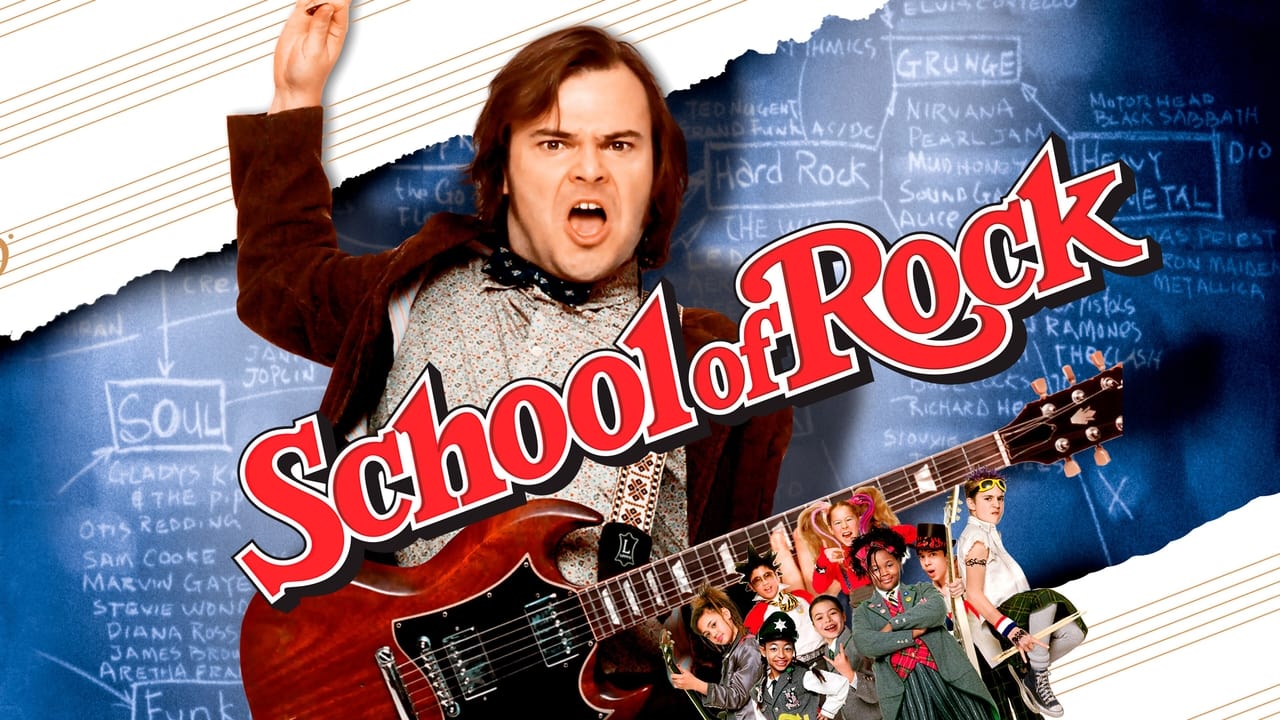
I distinctly remember watching School of Rock for the first time while recovering from a wisdom tooth extraction. I was slumped on a beanbag chair, high on extra-strength ibuprofen and nursing a bowl of lukewarm applesauce, and I remember thinking that Jack Black was moving so fast I might actually get a headache. But by the time the credits rolled, I wasn't just a fan; I was ready to quit my job and pick up a Gibson SG.
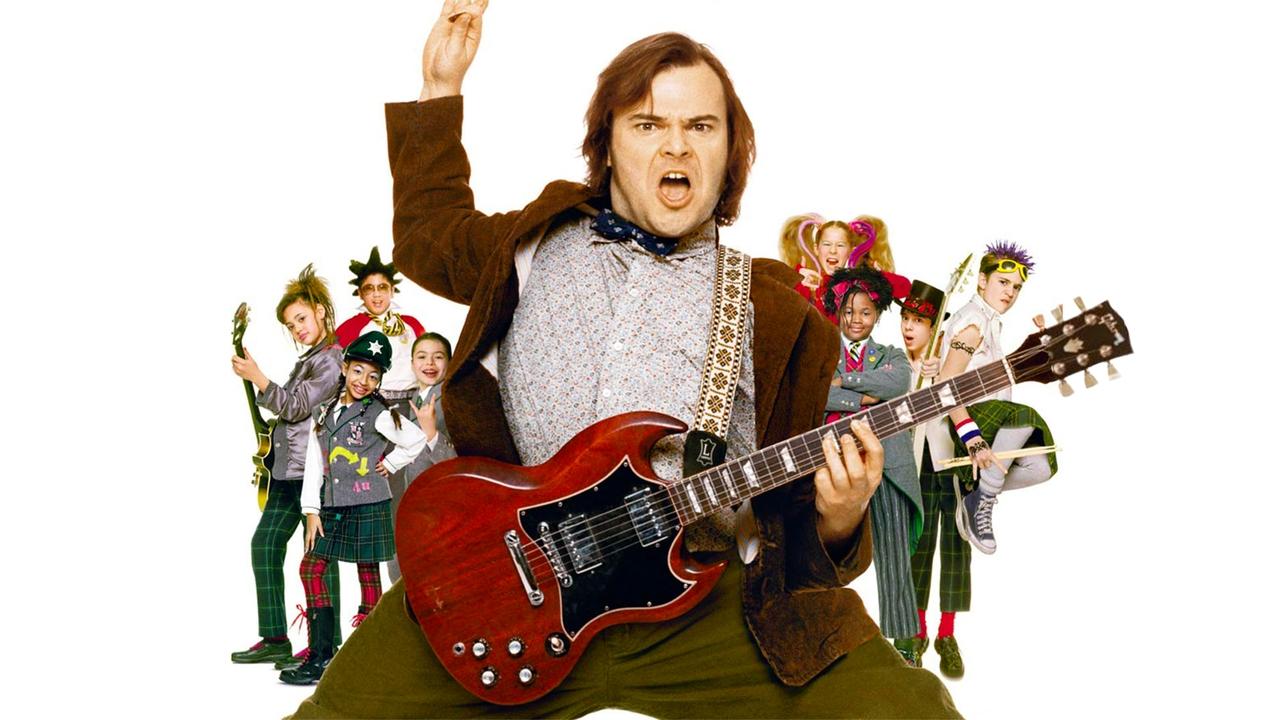
There’s a specific kind of magic that happens when a performer finds the role they were genetically engineered to play. For Jack Black, that role is Dewey Finn—a man who is 40% sweat, 60% enthusiasm, and 100% dedicated to the "Legend of the Rent." It’s a film that could have easily been a cynical, cookie-cutter studio comedy, but under the direction of Richard Linklater, it became something much more enduring. It’s a love letter to the transformative power of art, delivered with a power chord and a high-kick.
The Linklater Connection
At first glance, Richard Linklater seems like a bizarre choice for a Paramount-funded family comedy. This is the guy who gave us the sprawling, philosophical walk-and-talks of Before Sunrise and the hazy, plotless vibes of Dazed and Confused. But looking back, his involvement is exactly why the movie works. A lesser director would have turned the fifth-graders into "movie kids"—precocious, quippy, and fake.
Linklater treats the kids like actual human beings. When Miranda Cosgrove (as the over-achieving Summer Hathaway) or Joey Gaydos Jr. (the quiet, shredding Zack) are on screen, they feel like children you might actually meet in a classroom, not polished child actors looking for their next sitcom gig. They have anxieties, they have strict parents, and they have a genuine need for the validation that Dewey provides.
The screenplay by Mike White (who also plays the pushover Ned Schneebly) is surprisingly tight. Apparently, Mike White actually lived next door to Jack Black for years and wrote the script specifically because he wanted to capture the chaotic energy of Black running around the apartment complex. It’s a "fish out of water" story where the fish doesn't just survive; he builds a whole new pond.
Authenticity Over Gloss
One of the most impressive things about School of Rock, and something that separates it from the "Modern Cinema" era’s obsession with over-produced polish, is that the kids actually play their instruments. In an era where we were starting to see the rise of digital shortcuts and lip-syncing pop stars, there was something rebellious about watching Joey Gaydos Jr. actually rip through a solo.
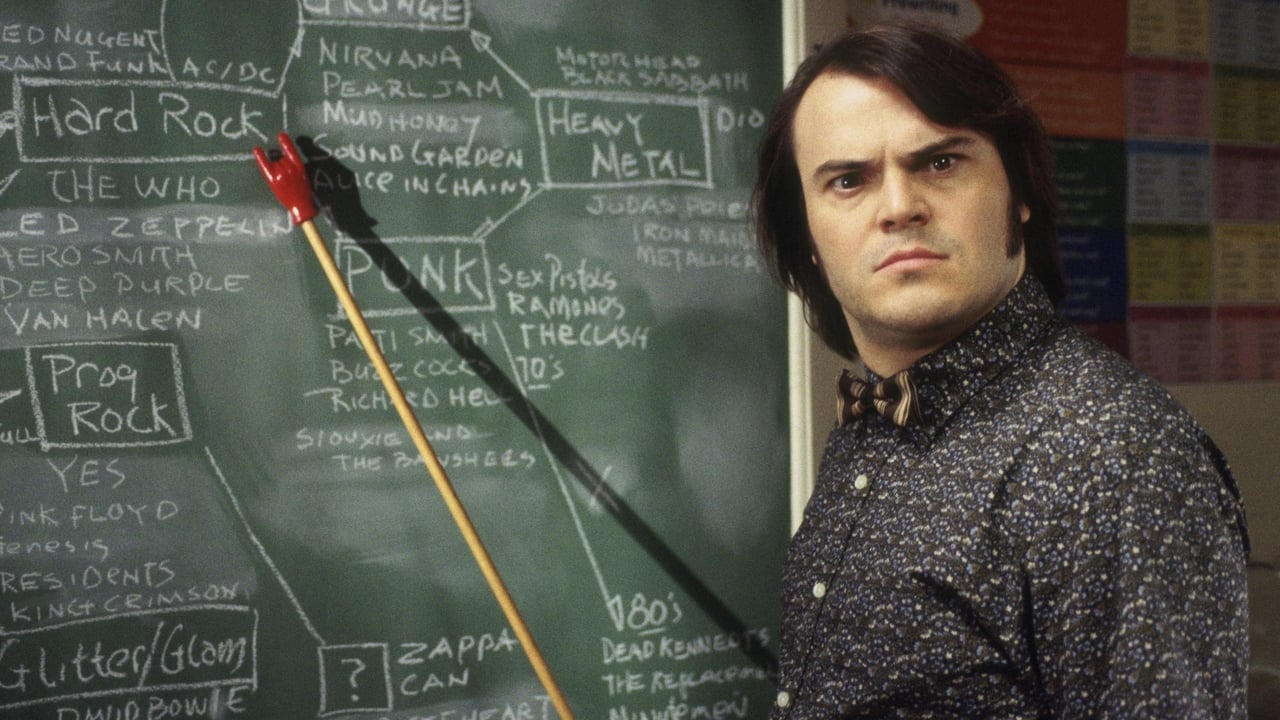
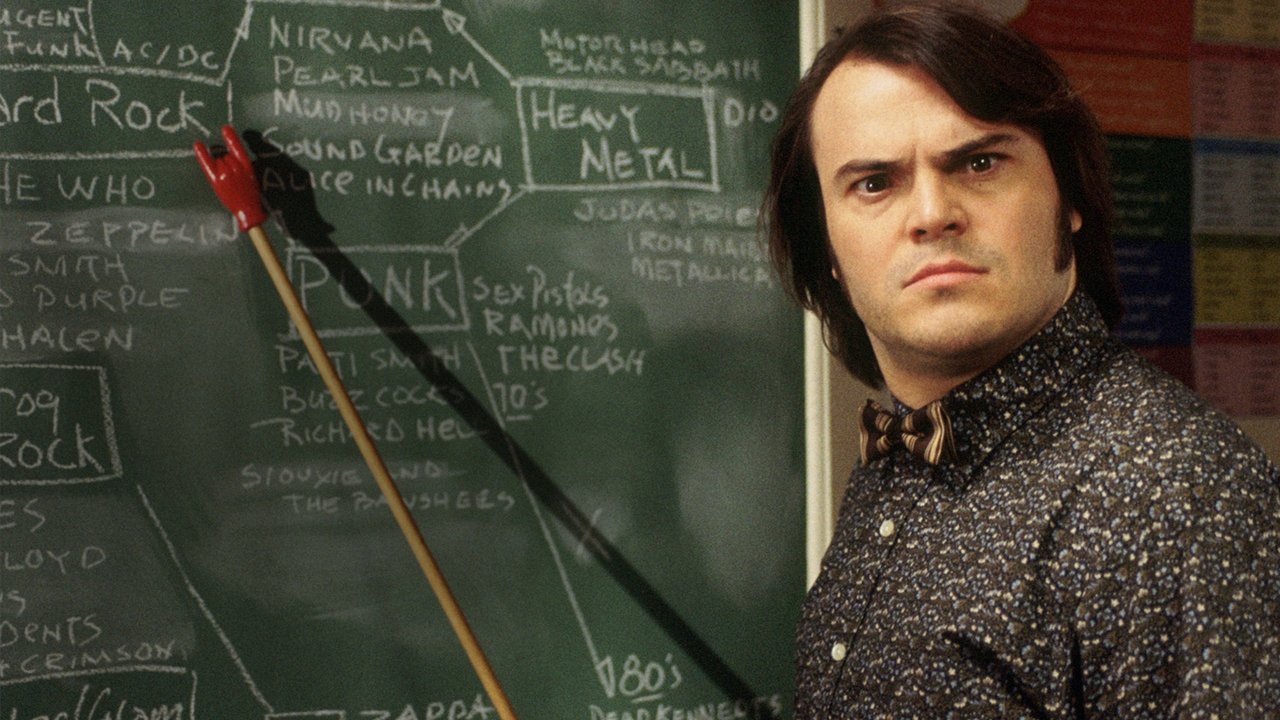
This authenticity extends to the soundtrack. The movie doesn't just use rock as a backdrop; it treats it as a sacred text. I’m convinced that Dewey Finn is a more effective educator than any tenured professor with a PhD, simply because he understands that education requires a hook. The scene where he maps out the "Family Tree of Rock" on the chalkboard is a moment of genuine film literacy that launched a thousand garage bands in the mid-2000s.
The film also captures a very specific pre-social media moment. It was the height of the DVD era, and I remember spending hours scrolling through the special features. There was a legendary "extra" where Jack Black filmed a plea to the members of Led Zeppelin, begging them to let the production use "Immigrant Song." He stood in front of a crowd of extras and chanted, "Lords of Rock, we worship at your altar!" It worked—and it’s a good thing too, because that scene in the van without that iconic wail would have felt hollow.
The $131 Million Sleeper Hit
While we tend to remember School of Rock as a cozy classic now, it was a massive commercial powerhouse. On a relatively modest $35 million budget, it raked in over $131 million. It didn't need CGI spectacles or a caped crusader to dominate the box office; it just needed a guy in a sweater vest doing "the spider" across a stage.
The film's cultural footprint is massive. It eventually spawned a Broadway musical and a Nickelodeon TV show, but neither quite captured the lightning-in-a-bottle chemistry of the original cast. Joan Cusack deserves an Oscar for the way she portrays Rosalie Mullins’ transition from a high-strung principal to a woman who just wants to hear "Edge of Seventeen" over a beer. Even Sarah Silverman and Mike White provide the perfect, nagging reality that Dewey is trying so desperately to escape.
Looking back from 2024, the film feels remarkably timeless. Aside from the occasional flip phone and the lack of iPads in the classroom, the emotional core—finding your voice through the noise—is universal. It’s basically a stealth documentary about how to be cool without actually trying.
Ultimately, School of Rock succeeds because it never condescends to its audience or its characters. It understands that rock 'n' roll isn't about being perfect; it’s about being loud and being yourself. Whether you’re a 10-year-old with a cello or a 30-year-old on a beanbag chair with a sore jaw, this movie reminds you that the "Man" can be beaten—you just need the right power trio. It’s a joyous, endlessly rewatchable riot that earns every bit of its encore.
Keep Exploring...
-
Bernie
2012
-
Music and Lyrics
2007
-

High School Musical 3: Senior Year
2008
-
Tenacious D in The Pick of Destiny
2006
-
Nacho Libre
2006
-
Billy Elliot
2000
-
High Fidelity
2000
-
Sister Act
1992
-

Dazed and Confused
1993
-

Kung Fu Panda
2008
-
The Muppets
2011
-

Pitch Perfect
2012
-
High School Musical 2
2007
-

Nick and Norah's Infinite Playlist
2008
-

Shallow Hal
2001
-

Be Kind Rewind
2008
-

Kung Fu Panda 2
2011
-
Runaway Bride
1999
-

Toy Story 2
1999
-

High School Musical
2006