Seabiscuit
"Four broken spirits, one crooked-legged legend."
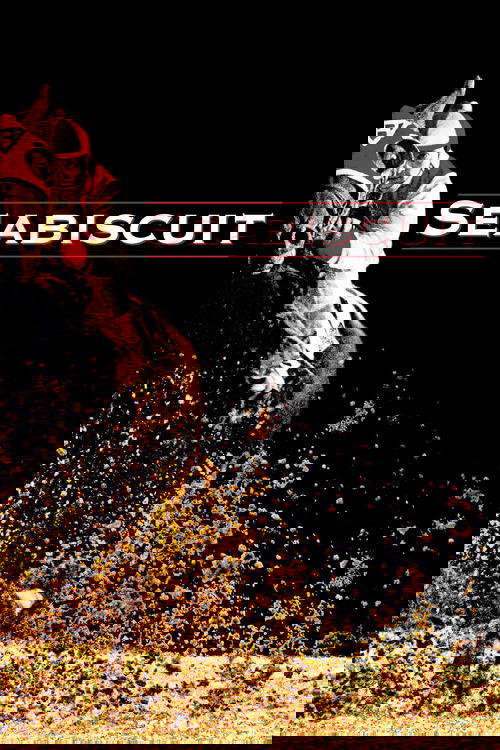
The Great Depression wasn't just a financial collapse; it was a total psychic breakdown of the American spirit. By 1937, the country was looking for a hero that didn't come in a suit or a cape, but rather one that stood fifteen hands high and had a bit of a temper. Enter Gary Ross’s Seabiscuit, a film that arrived in 2003 during the height of the "Prestige Drama" boom—that specific window where studios were still throwing $87 million at historical biopics that didn't involve superheroes or multiverses.
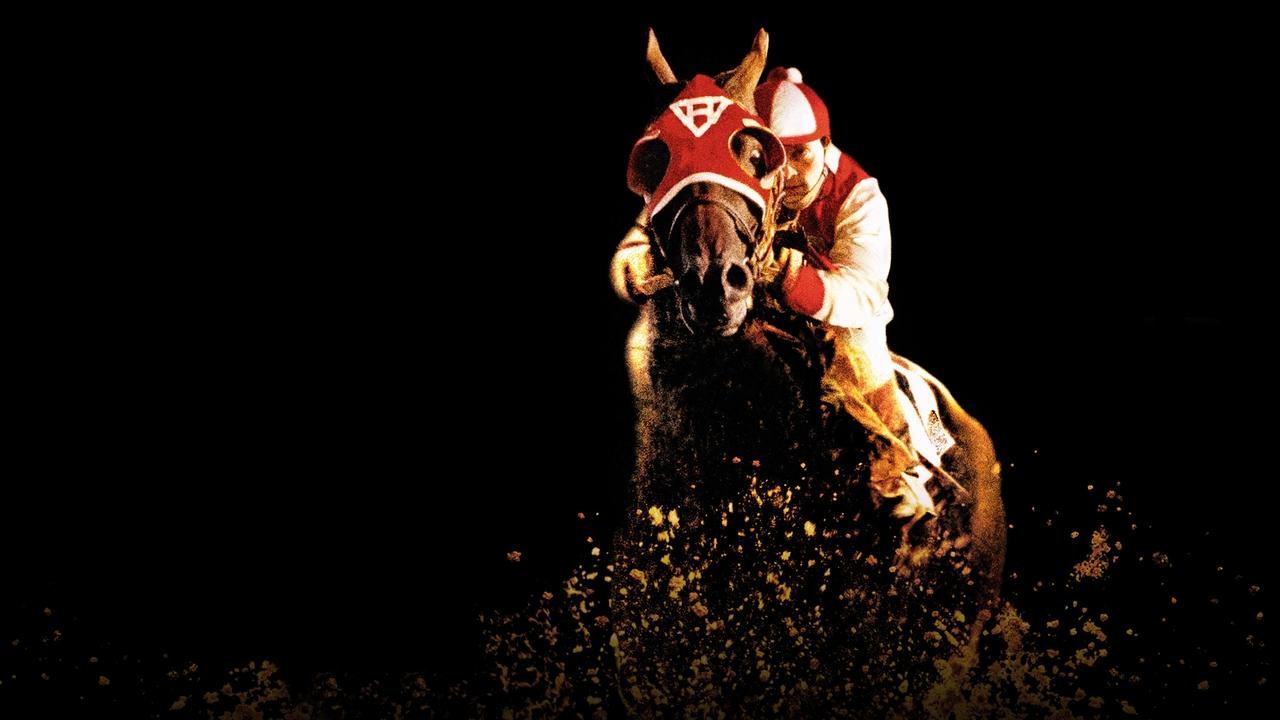
While it was a massive hit at the time, cleaning up at the box office and snagging seven Oscar nominations, Seabiscuit has weirdly slipped into that "DVD shelf" obscurity. It’s the kind of movie you see at a thrift store and think, Oh yeah, I liked that one, before moving on to find a copy of The Matrix. But looking back at it now, it’s a masterfully constructed piece of storytelling that reminds me why we used to go to the movies just to feel a little bit better about being human.
The Alchemy of Broken Parts
The magic of this film isn't really about a horse; it’s about a collection of damaged men who find a reason to stop hating the world. Jeff Bridges plays Charles Howard, a bicycle salesman turned automotive tycoon who loses his son and his marriage in one fell swoop. Bridges is the anchor here, playing Howard with a mix of huckster charm and deep, quiet grief. He’s the guy who sees the potential in things others have discarded, which leads him to Tom Smith.
Chris Cooper—who I’m convinced can communicate more with a single squint than most actors can with a monologue—is Smith, the "lone plainsman" who understands horses better than people. Then there’s Tobey Maguire as Red Pollard. Coming off the massive success of Spider-Man, Maguire trades the spandex for silk and dirt. He plays Red with a desperate, feral energy, a kid who has been beaten down so many times he’s forgotten how to stand up straight.
The chemistry between these three is the movie’s secret weapon. They don’t have long, teary-eyed conversations about their feelings; they just work. I watched this recently while sitting on a beanbag chair that was slowly leaking its foam guts onto the floor, and I realized that the "broken man" trope in modern cinema usually involves a lot of shouting. Here, it’s all subtext. It’s basically the cinematic equivalent of a heavy wool blanket—scratchy at first, but eventually, it’s the only thing keeping you warm.
The Reality of the Racetrack
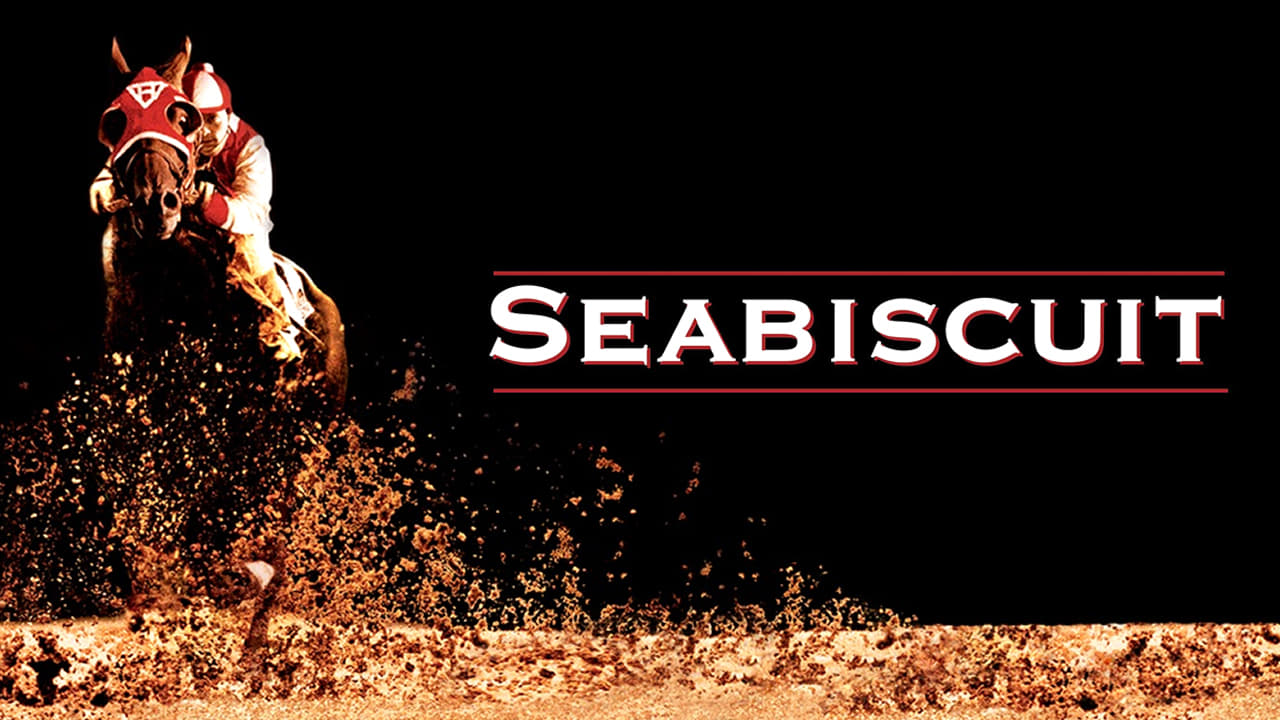
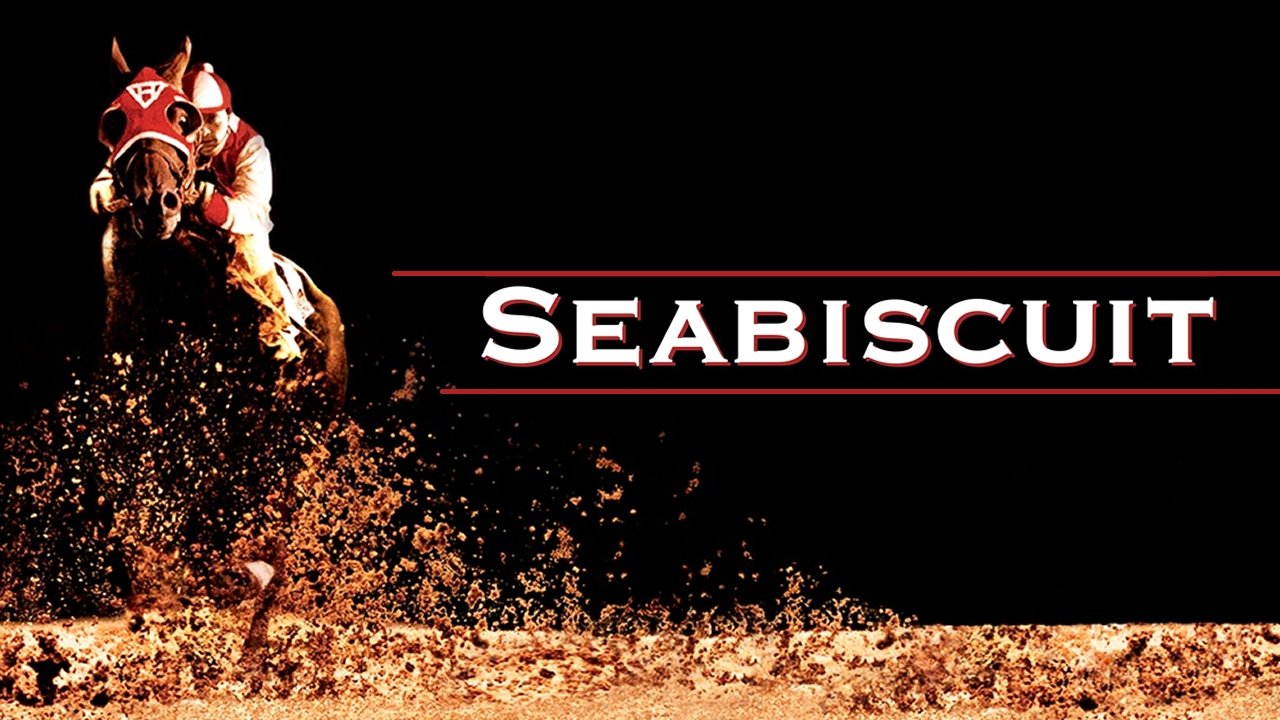
In an era where we were just starting to see the over-saturation of CGI (think the "Star Wars" prequels or the rubbery physics of The Matrix Reloaded), Gary Ross made a bold choice: he kept things remarkably grounded. The racing sequences in Seabiscuit are some of the best ever filmed because they feel dangerous. The camera is tucked right into the pack, inches away from churning hooves and flying mud.
They used real jockeys, including Hall of Famer Gary L. Stevens as George "The Iceman" Woolf, which adds a layer of authenticity you just can't fake. When you see the horses bumping into each other at forty miles per hour, you feel the weight of it. There’s a scene where Red is racing in the rain, and the sound design switches from the roar of the crowd to the wet, rhythmic thumping of the horse’s heart and lungs. It’s intimate and terrifying.
I have to mention William H. Macy as Tick-Tock McLaughlin, the radio announcer who provides the film’s "Greek chorus" via sound effects and rapid-fire puns. He’s the comic relief that keeps the movie from sinking under its own historical weight. Horse racing is essentially just NASCAR for people who like tweed and mint juleps, and Macy sells the high-stakes drama of it with every frantic turn of his wind-up noisemakers.
A Relic of the "Middle-Class" Blockbuster
Seabiscuit represents a transition point in Hollywood. It was released by Universal and DreamWorks at a time when "adult dramas" could still be blockbusters. It’s unashamedly earnest. It uses a narrator (the legendary David McCullough) to bridge the gaps with historical context, making it feel like a living Ken Burns documentary.
Looking back, it’s easy to see why it might feel "old-fashioned" to a modern audience. It doesn't have a cynical bone in its body. In 2003, we were still reeling from the post-9/11 gloom, and there was a hunger for stories about national resilience. Seabiscuit fed that hunger. It’s a film about how we treat things that are broken—whether it’s a horse with a bum leg, a jockey with a shattered spirit, or a country in the middle of an economic winter.
The film’s cinematography by John Schwartzman is bathed in a perpetual golden hour. It’s a beautiful, amber-hued version of the past that feels like a memory. While it might not be as "cool" as the gritty reboots that would follow later in the decade, its sincerity is its greatest strength. It’s a movie that believes, quite literally, that you don't throw a whole life away just because it’s banged up a little.
Seabiscuit isn't a film that tries to reinvent the wheel, but it polishes that wheel until it shines. It’s a top-tier sports drama that earns its tears through incredible performances and a deep respect for its historical roots. If you haven't revisited it since the days of Netflix-by-mail, it’s time to give this underdog another run. It’s a reminder that sometimes the best stories aren't about winning, but about finding the strength to get back in the gate.
Keep Exploring...
-

Pleasantville
1998
-
Invincible
2006
-
Mona Lisa Smile
2003
-
Flags of Our Fathers
2006
-
The Good Shepherd
2006
-

World Trade Center
2006
-

Charlie Wilson's War
2007
-

Free State of Jones
2016
-

The Messenger: The Story of Joan of Arc
1999
-
Finding Forrester
2000
-

Confessions of a Dangerous Mind
2002
-
K-19: The Widowmaker
2002
-
The Count of Monte Cristo
2002
-
Good Night, and Good Luck.
2005
-

The New World
2005
-

United 93
2006
-

Elizabeth: The Golden Age
2007
-
In the Valley of Elah
2007
-

Defiance
2008
-

Frost/Nixon
2008