Shanghai Knights
"Victorian London gets a royal kung-fu kickstart."
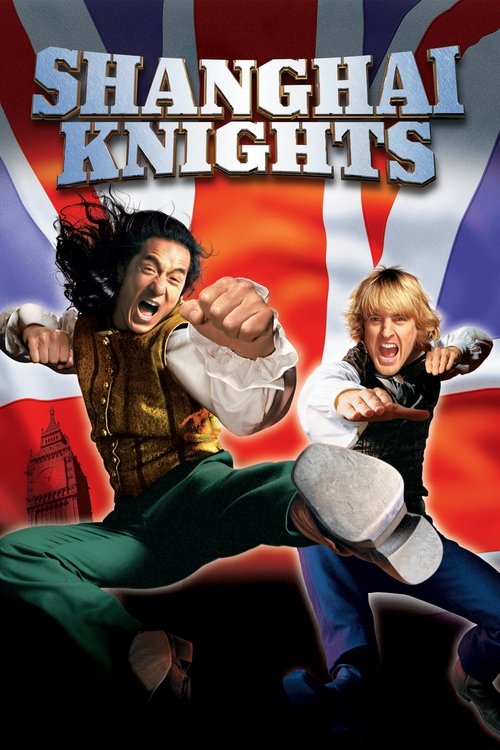
There was a specific, lightning-in-a-bottle window in the early 2000s where Hollywood finally figured out what to do with Jackie Chan. After decades of being a global icon, the American studio system realized that if you paired his gravity-defying slapstick with a fast-talking, blonde-haired chaotic neutral, you didn’t just get an action movie—you got a vibe. Shanghai Knights is the peak of that realization. Released in 2003, it’s a sequel that understands the primary rule of follow-ups: don't just go bigger; go weirder.
The Cowboy and the Comet
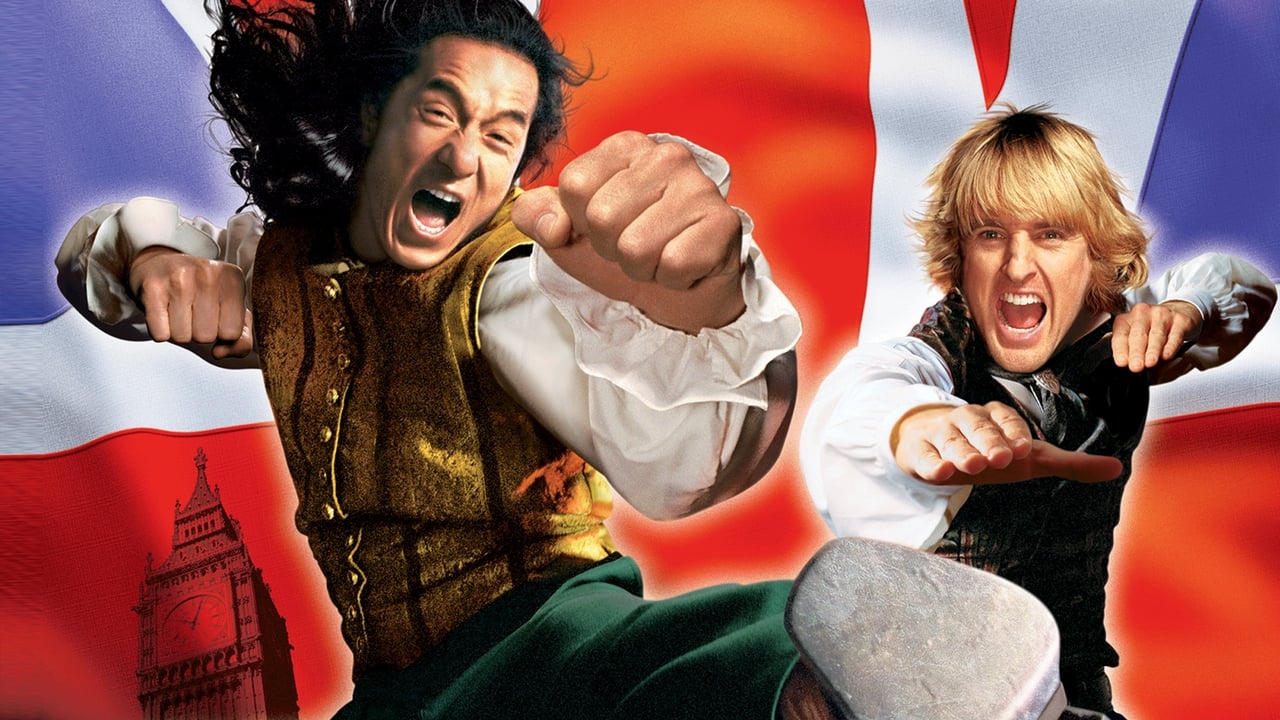
The chemistry between Jackie Chan (as Chon Wang) and Owen Wilson (as Roy O’Bannon) shouldn't work. It’s a collision of two completely different acting schools. Jackie Chan is a precision instrument of physical timing, a man who treats a ladder or a revolving door like a dance partner. Owen Wilson, meanwhile, is essentially playing a golden retriever who accidentally found a gun and a leather duster. He drifts through scenes with a hazy, improvised energy that provides the perfect "straight man" foil to Chan’s earnestness.
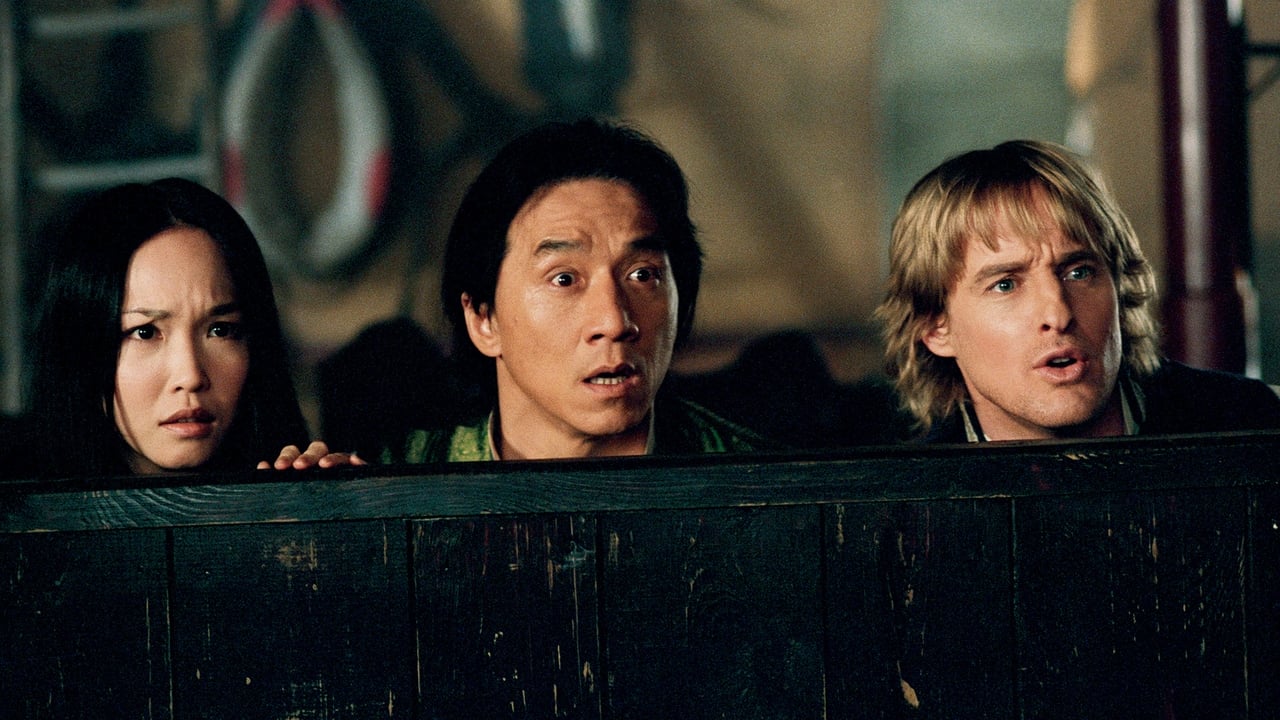
When the plot whisks them from the American West to Victorian London to avenge Chon’s father, the culture shock isn't just for the characters—it’s for the genre. We’re used to seeing Chan in modern skyscrapers or dusty saloons, but seeing him navigate the foggy, repressed streets of 1887 London is a delight. I watched this again recently while my cat was aggressively trying to eat a piece of tinsel from a leftover holiday decoration, and even with that distraction, the sheer charisma on screen held my gaze. It’s a reminder that before the MCU turned banter into a standardized assembly line, the back-and-forth between stars like these felt loose, dangerous, and genuinely funny.
Choreography Over Blue Screens
Director David Dobkin (who later gave us Wedding Crashers) treats the action sequences with a reverence that feels refreshing in our current era of "shaky-cam" and CGI sludge. The highlight of the film—and perhaps one of the most joyous sequences in Chan’s Western filmography—is the library fight. Set to a jaunty arrangement of "Singin' in the Rain," it’s a direct homage to Gene Kelly, replacing the umbrella-as-prop with an umbrella-as-weapon.
It’s the kind of sequence that makes you appreciate the physical reality of the 1990-2014 era. While there is certainly some digital wire-removal and green-screen work happening, you can feel the weight of the bodies hitting the floor. The library fight is better than 90% of modern CGI brawls because it relies on the geometry of the room and the rhythm of the performers rather than the processing power of a server farm.
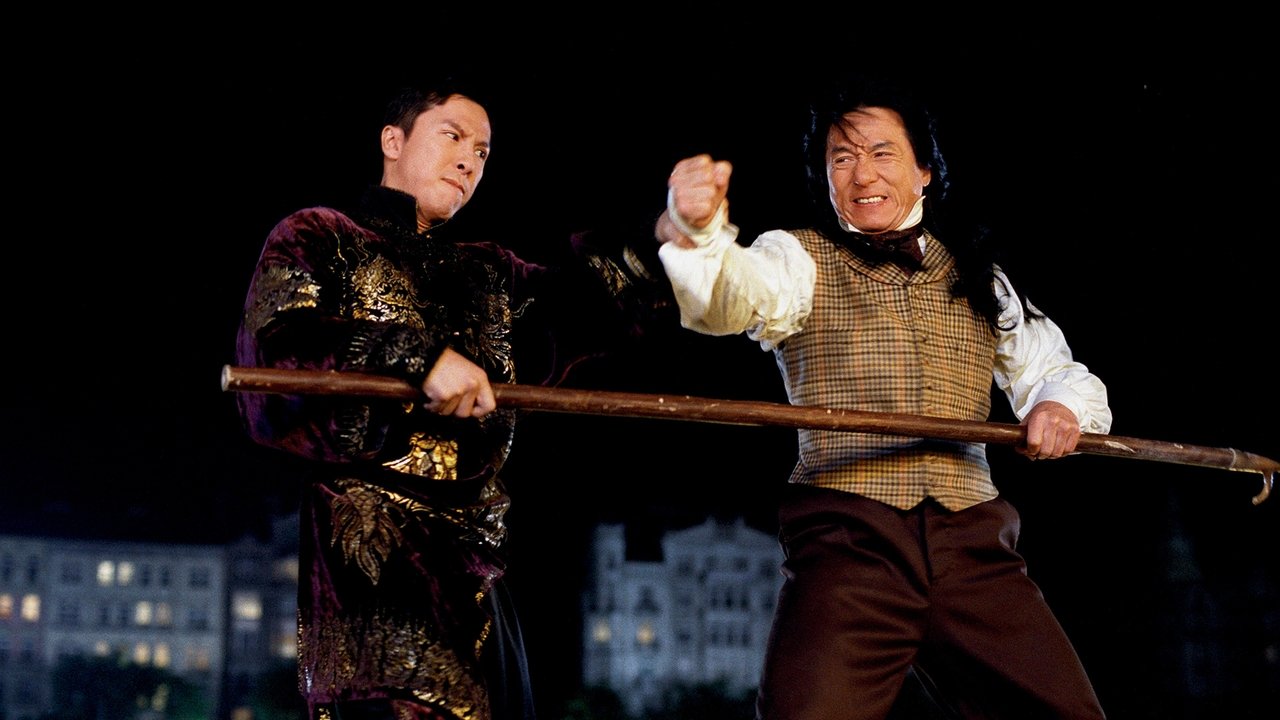
And then there’s the "villain" factor. We get a pre-global-superstardom Donnie Yen (of Ip Man and Rogue One fame) as Wu Chow. Watching Donnie Yen and Jackie Chan go at it on a barge is a martial arts fan’s fever dream. It’s fast, technical, and serves as a reminder that the early 2000s were a golden age for importing HK cinema legends into mainstream blockbusters. Even Aidan Gillen, long before he was whispering schemes in Game of Thrones, is here playing a deliciously punchable Lord Nelson Rathbone. He’s the quintessential Victorian rotter, providing a perfect target for the film’s "Royal Kick in the Arse."
A Love Letter to the DVD Era
Looking back, Shanghai Knights feels like the ultimate "Saturday Afternoon on DVD" movie. This was the era where writers Alfred Gough and Miles Millar (the duo behind Smallville) were packing scripts with enough "Easter eggs" to keep a trivia nerd busy for weeks. The film is practically a "Who’s Who" of Victorian tropes. We get a young Charlie Chaplin, a street-smart kid named Artie who turns out to be Arthur 'Artie' Doyle, and even a nod to Jack the Ripper.
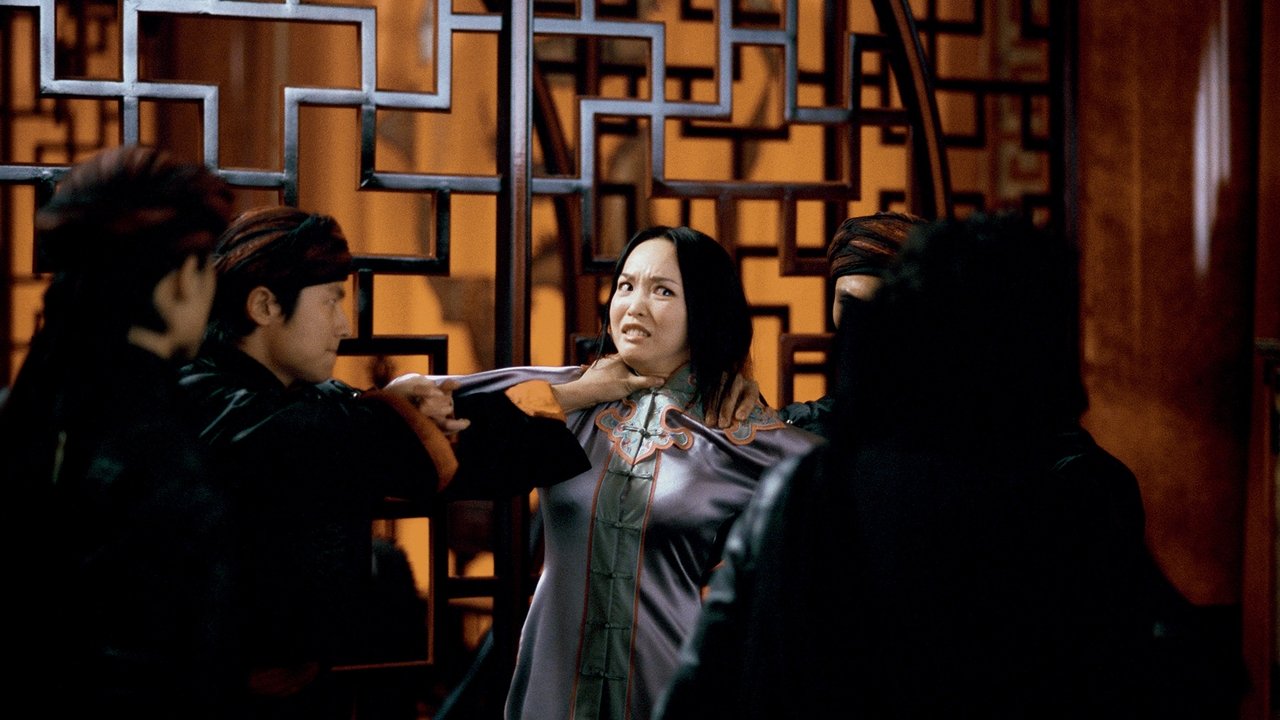
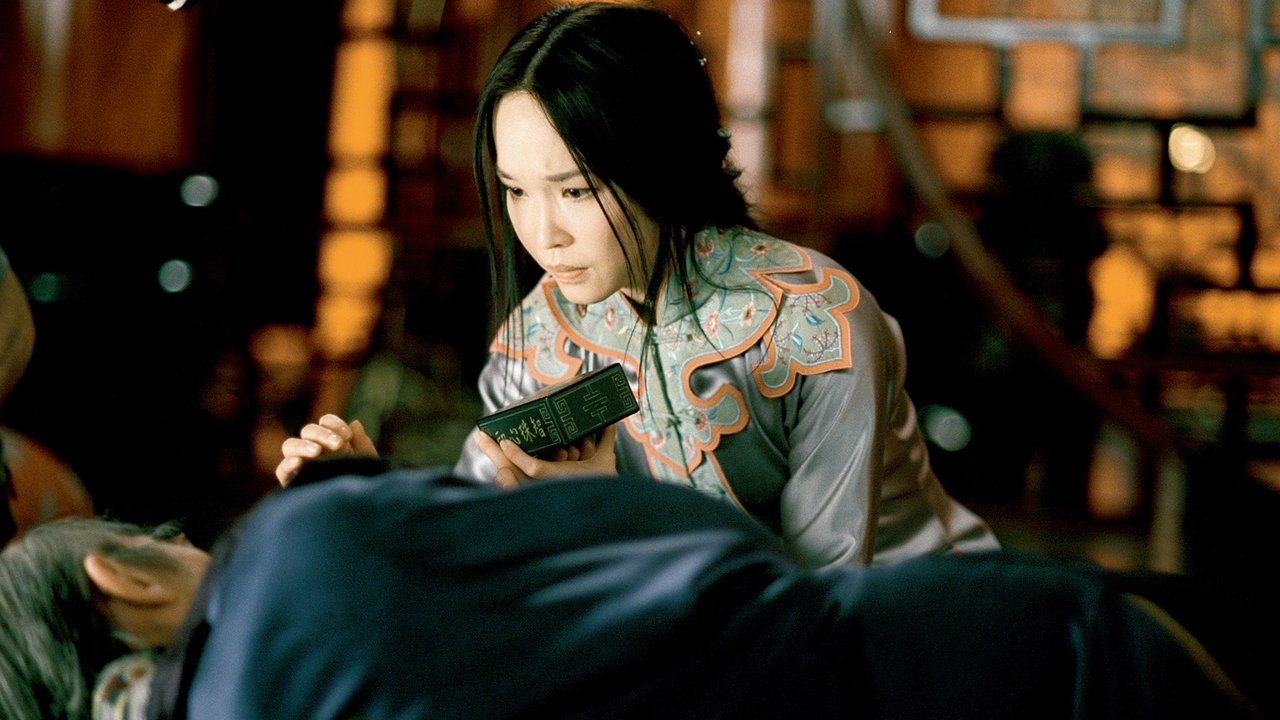
It’s cheeky, borderline-fan-fiction writing that works because it doesn't take itself seriously. It captures that post-9/11 desire for escapism that wasn't cynical. While some of the humor—specifically Roy’s "New Age" pick-up lines—feels very much like a product of 2003, the heart of the film remains the sibling-like bond between the two leads. It’s also notable for introducing Fann Wong to a Western audience; she holds her own in the action department, ensuring that Chon Lin isn't just a damsel in a corset.
In the landscape of "Modern Cinema," Shanghai Knights sits in that comfortable middle ground where movies were allowed to be "just" fun. It didn't need to set up a ten-movie arc or deconstruct the hero's journey. It just needed to show us how many different ways a man could get hit in the face with a vase while Owen Wilson made a joke about his investments.
Shanghai Knights is a relic of a time when the "Action-Comedy" actually prioritized both halves of its title. It’s a vibrant, silly, and technically impressive romp that rewards you for paying attention to the edges of the frame. While it might lack the tight pacing of the first film, it makes up for it with sheer imaginative gusto and a finale at Big Ben that remains a towering achievement in stunt-driven spectacle. If you haven't revisited Chon and Roy in a while, it’s time to dust off the boots and head back to London.
Keep Exploring...
-
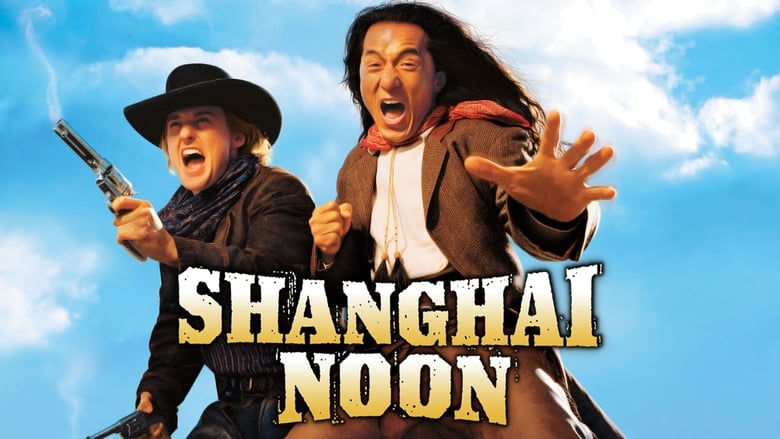
Shanghai Noon
2000
-
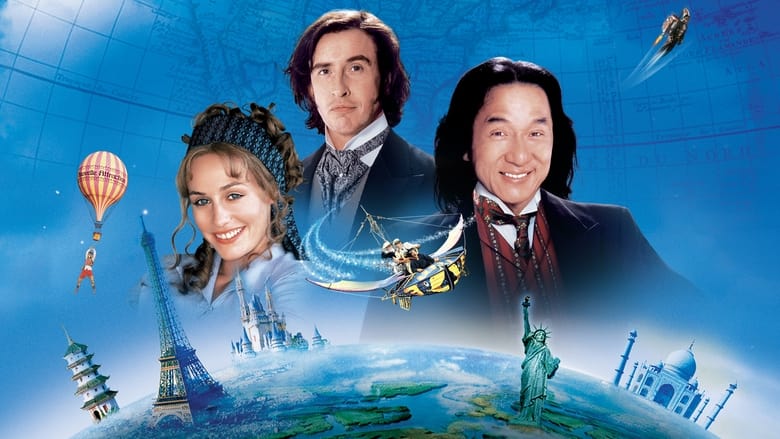
Around the World in 80 Days
2004
-
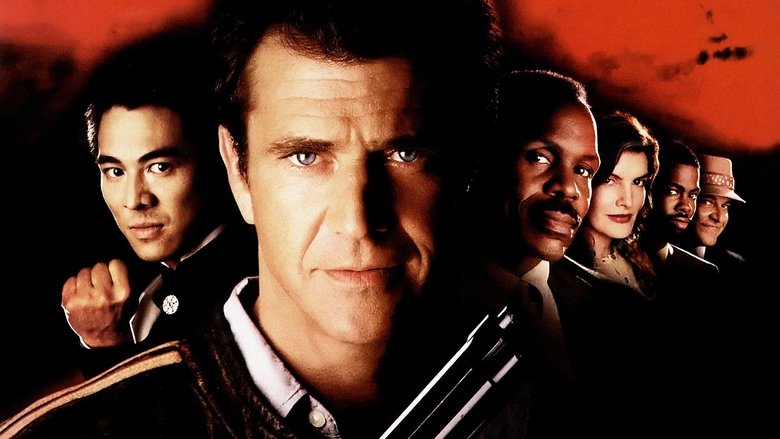
Lethal Weapon 4
1998
-
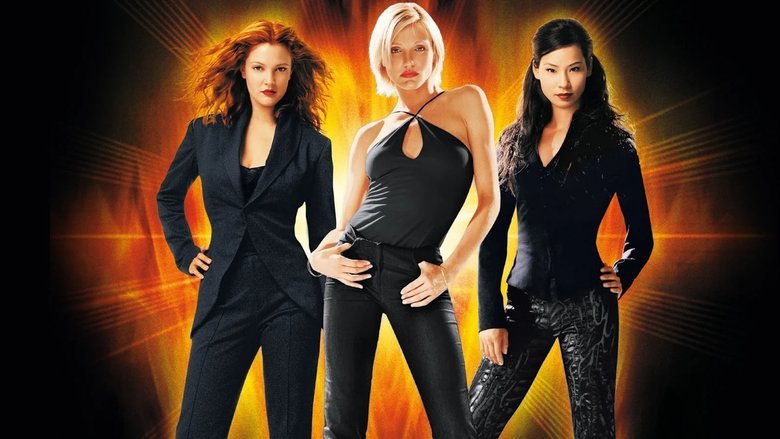
Charlie's Angels
2000
-

Sinbad: Legend of the Seven Seas
2003
-
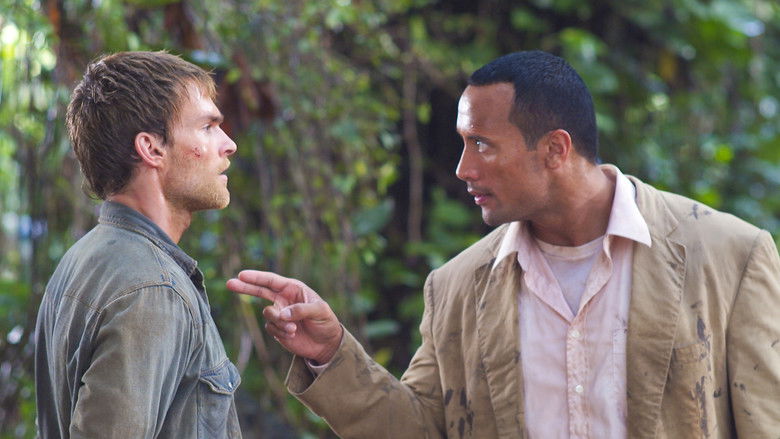
The Rundown
2003
-
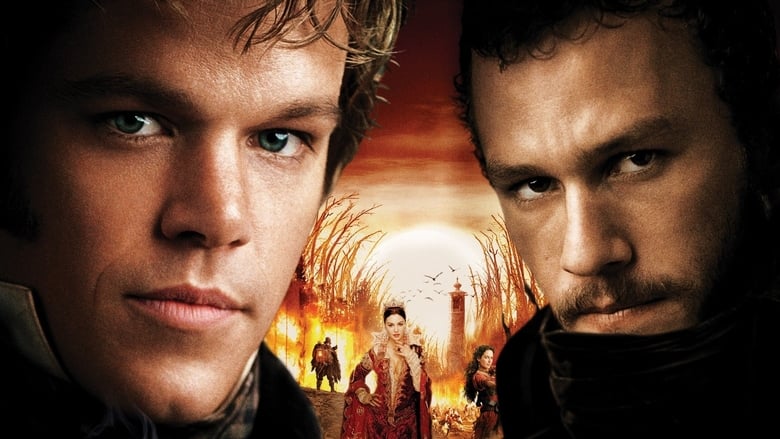
The Brothers Grimm
2005
-
Fred Claus
2007
-
Tropic Thunder
2008
-
Maverick
1994
-
Who Am I?
1998
-
Night at the Museum: Battle of the Smithsonian
2009
-
The Tuxedo
2002
-

Rush Hour 3
2007
-

Taxi
1998
-
Journey to the Center of the Earth
2008
-
Last Action Hero
1993
-
Rango
2011
-
Brave
2012
-

Mystery Men
1999