Sinbad: Legend of the Seven Seas
"High-seas adventure caught between two animation eras."
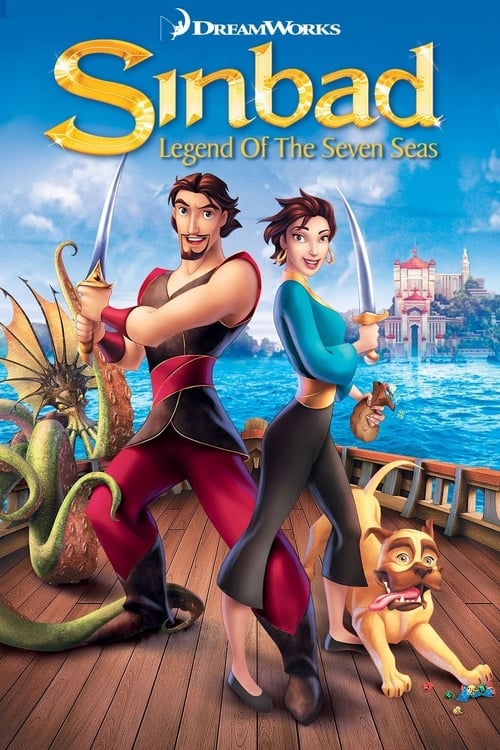
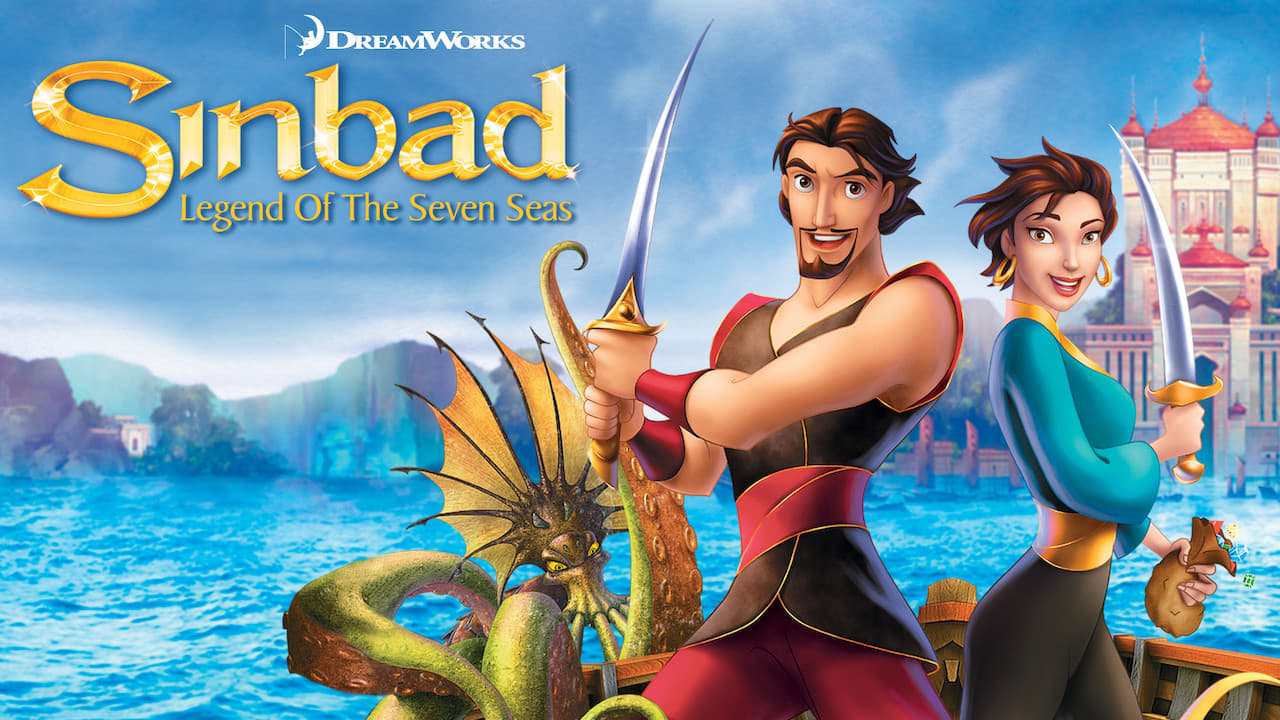
I remember walking into a theater in 2003, clutching a tub of popcorn that cost more than my bus fare, and seeing the poster for Sinbad: Legend of the Seven Seas. It felt like a relic even then. We were in the thick of the "Pixar Revolution"—Finding Nemo was currently swallowing the box office whole—and here was DreamWorks, doubling down on a swashbuckling 2D adventure. Watching it again recently while nursing a lukewarm cup of herbal tea and trying to ignore a pile of laundry, I realized that Sinbad isn’t just a movie; it’s a fascinating time capsule of an industry in mid-air, leaping from the hand-drawn past to the digital future.
The Last Gasp of the Pencil
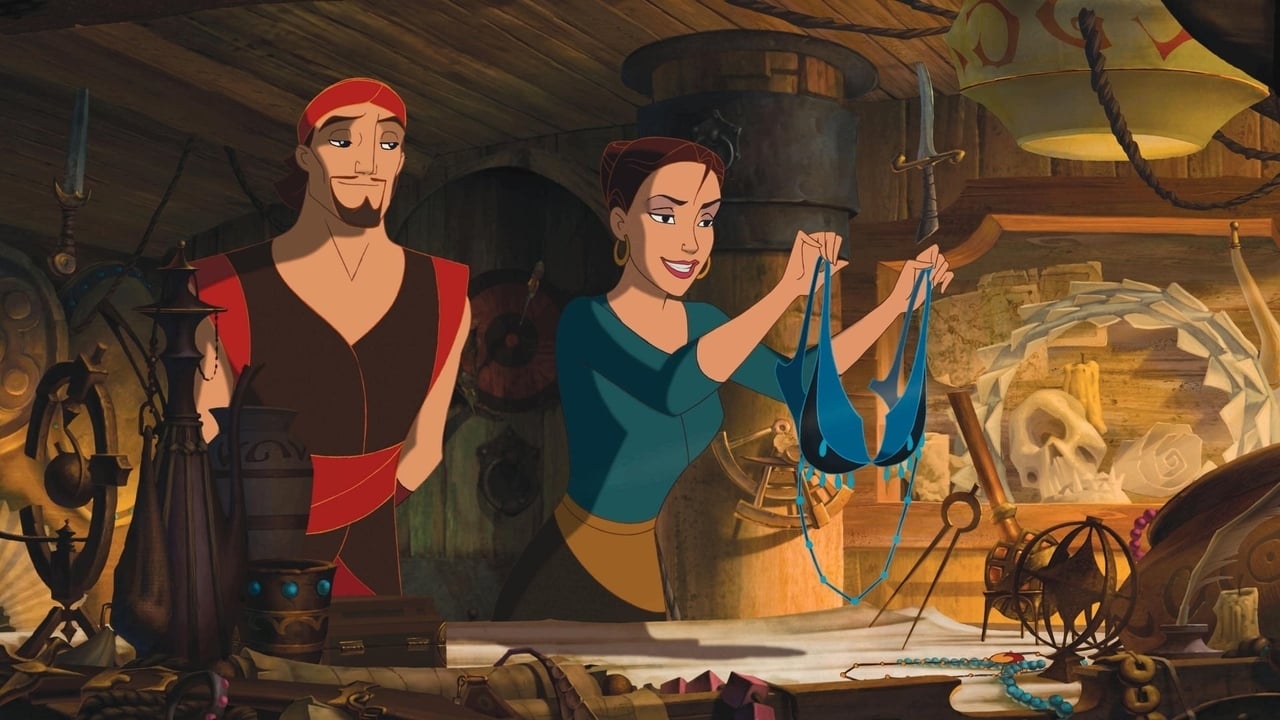
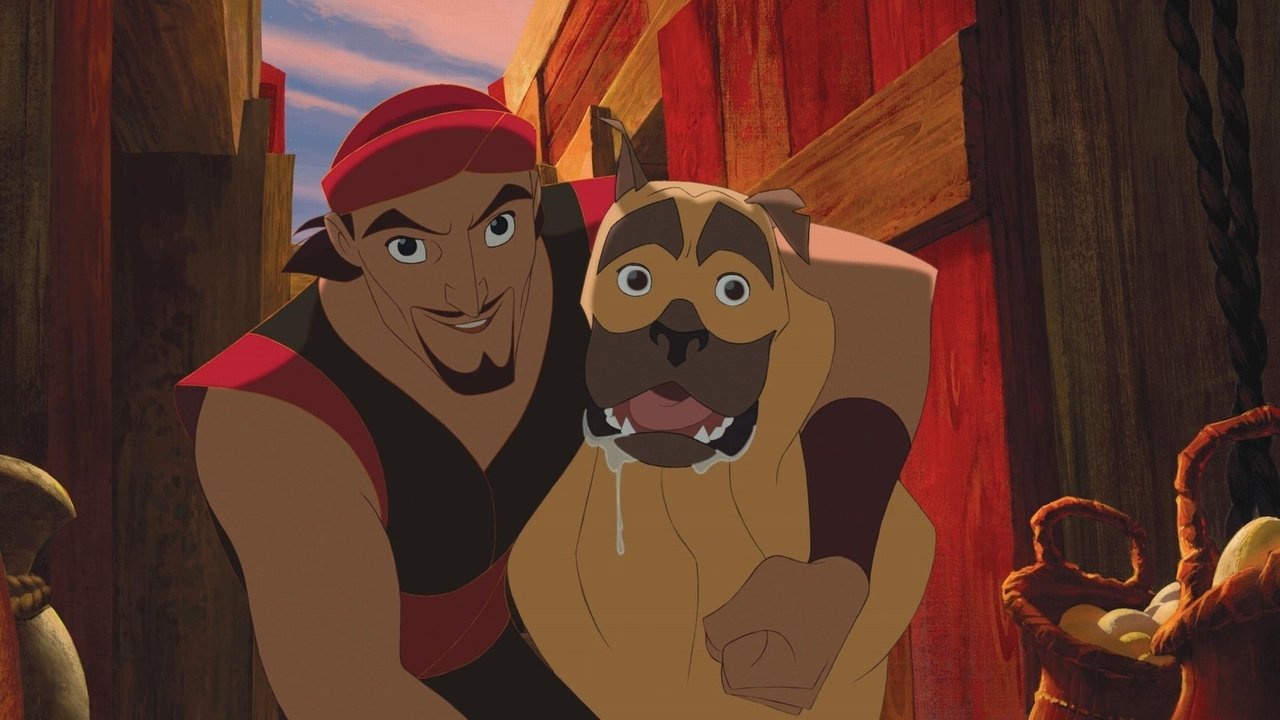
Sinbad holds a somewhat tragic place in cinema history. It was the film that effectively convinced Jeffrey Katzenberg to pull the plug on traditional 2D animation at DreamWorks. It’s a shame, really, because the craftsmanship on display is often staggering. The film follows the titular rogue, voiced with a breezy, "I’m-just-here-for-the-check" charm by Brad Pitt (Fight Club, Ocean's Eleven), as he’s framed by Eris, the Goddess of Discord, for stealing the Book of Peace. To save his childhood friend Prince Proteus (Joseph Fiennes), Sinbad has to sail to the edge of the world, accompanied by the sharp-tongued Marina (Catherine Zeta-Jones).
Looking back, the character animation is fluid and expressive, capturing the kind of "acting" you just couldn’t get from a computer in 2003. However, the film’s biggest stylistic gamble—and its most dated element—is the "Deep Canvas" integration. The characters are hand-drawn, but the monsters and ships are often pure CGI. At the time, this was cutting-edge tech. Today? The giant sea monsters occasionally look like stickers peeling off a 3D background. It’s a jarring contrast that reminds you exactly where we were in the digital learning curve.
Eris: The Goddess of Stealing Every Scene
If there is one reason to revisit Sinbad, it is Michelle Pfeiffer (Batman Returns, Scarface). As Eris, she delivers a masterclass in vocal performance. She doesn’t just read lines; she purrs, whispers, and looms. The animators clearly had a blast with her, making her body a shifting, smoke-like nebula that flows across the screen. Eris is easily the best thing in the movie, making the actual hero look like a cardboard cutout by comparison.
The chemistry between Brad Pitt and Catherine Zeta-Jones (The Mask of Zorro) is surprisingly sparks-heavy for an animated feature. Their "screwball comedy" bickering feels like a nod to 1940s adventure films, though Brad Pitt is essentially just playing Brad Pitt with a cutlass. He doesn't bother with an accent or a "period" voice, which gives the film a weirdly modern, frat-boy energy that shouldn't work, but somehow does. Supporting turns from Dennis Haysbert (24) as the loyal Kale and Timothy West as King Dymas add some much-needed gravitas to the high-stakes execution looming over the plot.
High-Seas Action and Sound
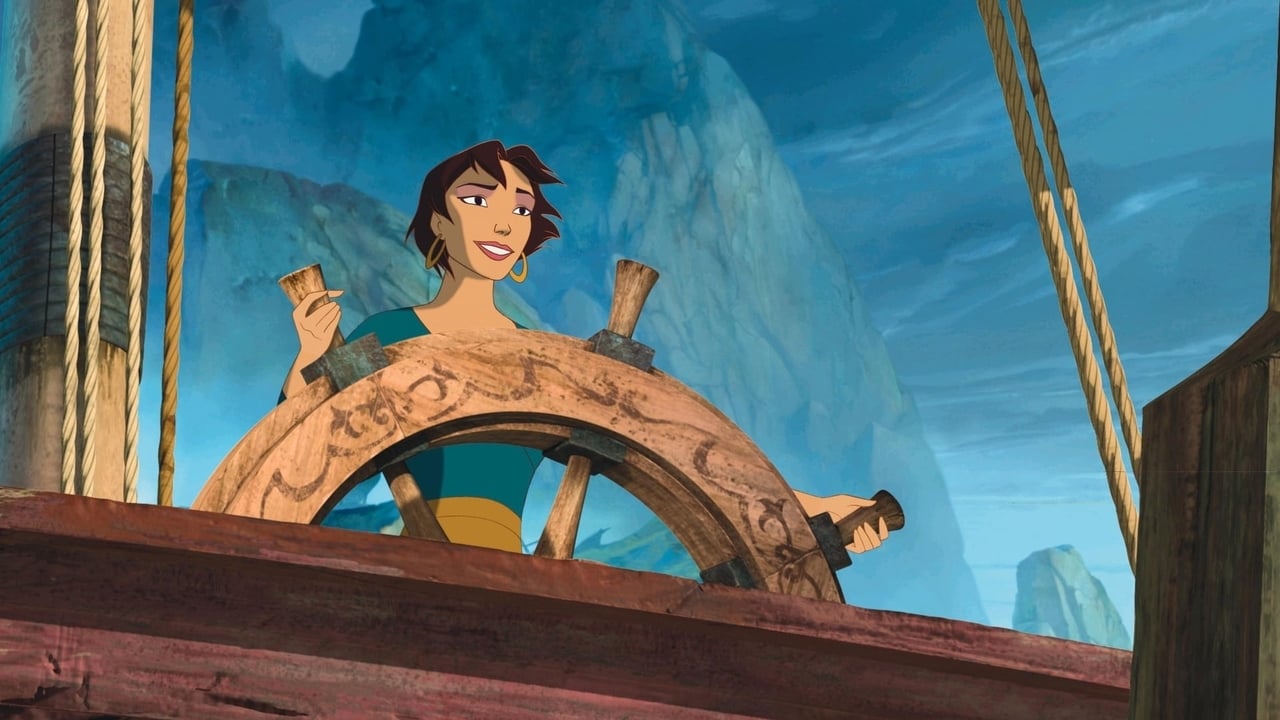
The action choreography is where Sinbad really shines. The sequence involving the Sirens is genuinely eerie and beautifully staged, using bioluminescent colors and hypnotic sound design to create a sequence that feels more mature than your standard "family" fare. The score by Harry Gregson-Williams (Shrek, The Chronicles of Narnia) is an absolute banger—it’s sweeping, orchestral, and carries the momentum when the plot occasionally stutters.
The film moves at a breakneck 86 minutes. There is no filler here. It understands the "Action" part of its genre tags perfectly. From the opening battle with a multi-tentacled sea beast to the final confrontation in the chaotic realm of Tartarus, the pacing is relentless. It’s the kind of movie that assumes its audience has a short attention span and rewards them with a new set piece every ten minutes.
The Cult of the "Box Office Bomb"
Despite its $60 million budget, Sinbad only clawed back about $80 million worldwide, making it a certified flop at the time. But in the years since, a dedicated cult following has emerged. Fans have championed its "old school" adventure vibes and the surprisingly nuanced relationship between Sinbad and Marina.
Stuff You Might Not Have Noticed:
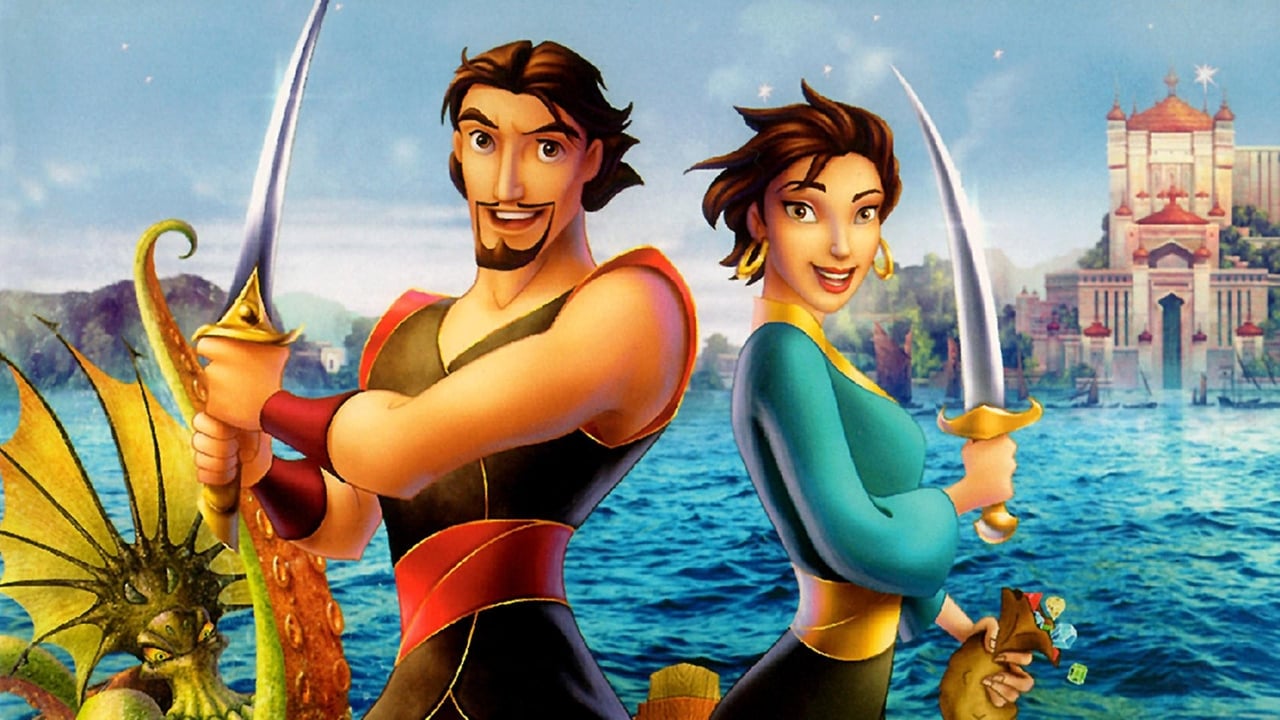
Michelle Pfeiffer actually recorded her lines first, and the animators used her physical movements to influence Eris’s fluid, feline shifting. This was DreamWorks' final traditional 2D animated film before they went full CGI with Shrek 2. The script was written by John Logan, the same guy who wrote Gladiator and Skyfall, which explains why the stakes feel a bit heavier than a typical cartoon. The island that turns out to be a giant fish is a direct lift from the original One Thousand and One Nights legends. * The film was originally supposed to be a seven-part franchise, but the box office "thud" sank those ships before they could leave the harbor.
Sinbad: Legend of the Seven Seas is a beautiful, messy bridge between two eras of filmmaking. It’s got the heart and soul of traditional animation and the ambitious, sometimes clunky reach of early 2000s CGI. While it might not have the emotional depth of a Disney classic or the cultural footprint of Shrek, it’s a high-octane adventure that knows exactly how to show you a good time for 90 minutes. It’s a film that dared to be "uncool" in an era of digital dominance, and for that alone, it deserves a spot on your watchlist.
Keep Exploring...
-
Antz
1998
-
Brave
2012
-
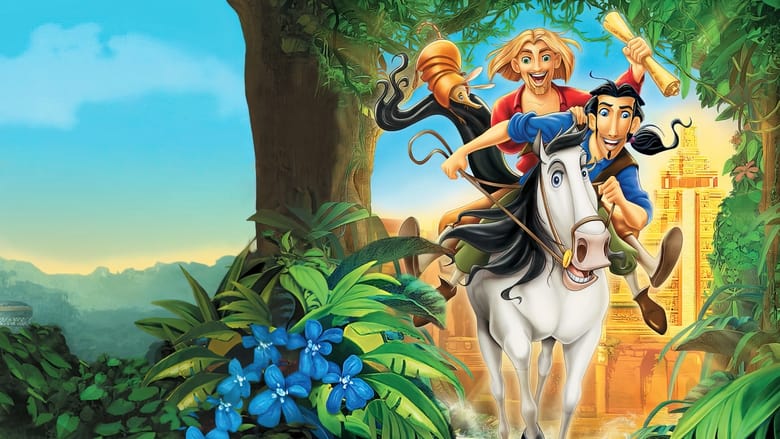
The Road to El Dorado
2000
-

The Emperor's New Groove
2000
-

Puss in Boots
2011
-
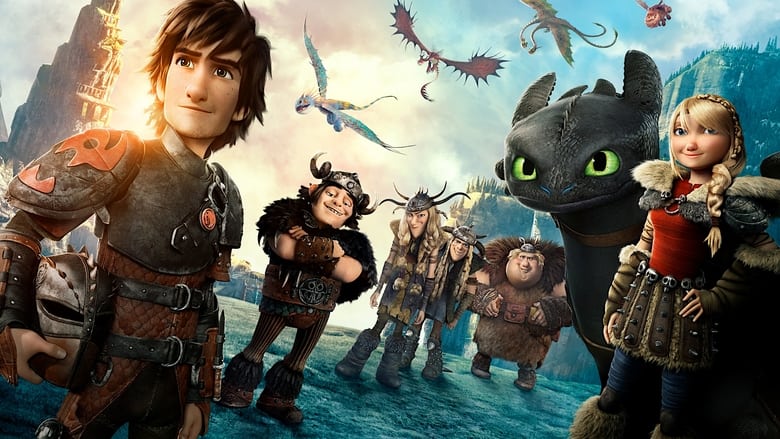
How to Train Your Dragon 2
2014
-
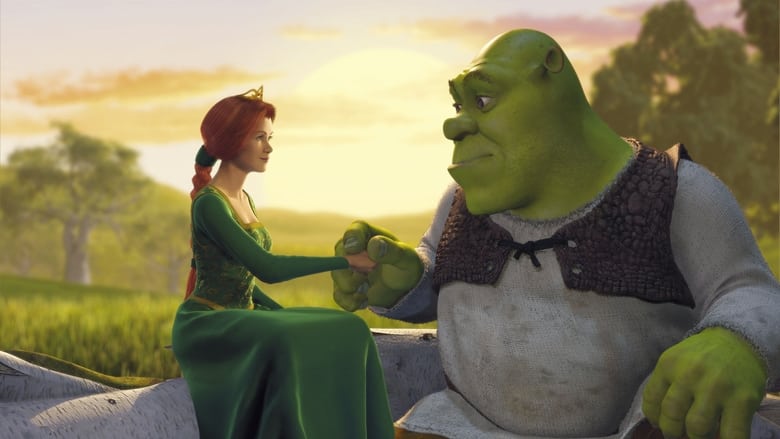
Shrek
2001
-
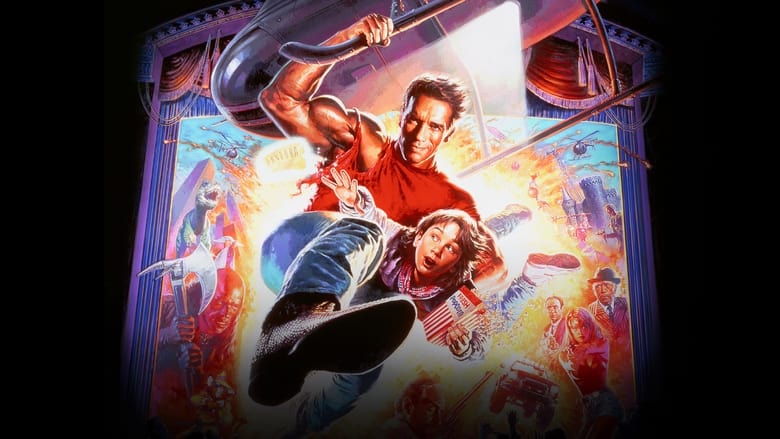
Last Action Hero
1993
-
Hercules
1997
-
Night at the Museum: Battle of the Smithsonian
2009
-

The Book of Life
2014
-
Osmosis Jones
2001
-
Shrek 2
2004
-

Night at the Museum
2006
-

Shrek the Halls
2007
-
Shrek the Third
2007
-
Horton Hears a Who!
2008
-
Kung Fu Panda
2008
-
Rango
2011
-

Porco Rosso
1992