Something's Gotta Give
"Love isn't just for the young and reckless."

Most people remember Something's Gotta Give for the kitchen. You know the one—the pristine, white-cabineted Hamptons sanctuary that launched a million interior design mood boards and essentially invented the "Coastal Grandmother" aesthetic twenty years before TikTok gave it a name. But when I revisited this film recently, clutching a lukewarm Diet Coke and a bag of slightly stale pretzels, I realized that Nancy Meyers wasn’t just selling us a dream of high-end cabinetry. She was selling the radical idea that people over fifty still have pulses, libidos, and the capacity to behave like absolute idiots in the name of love.
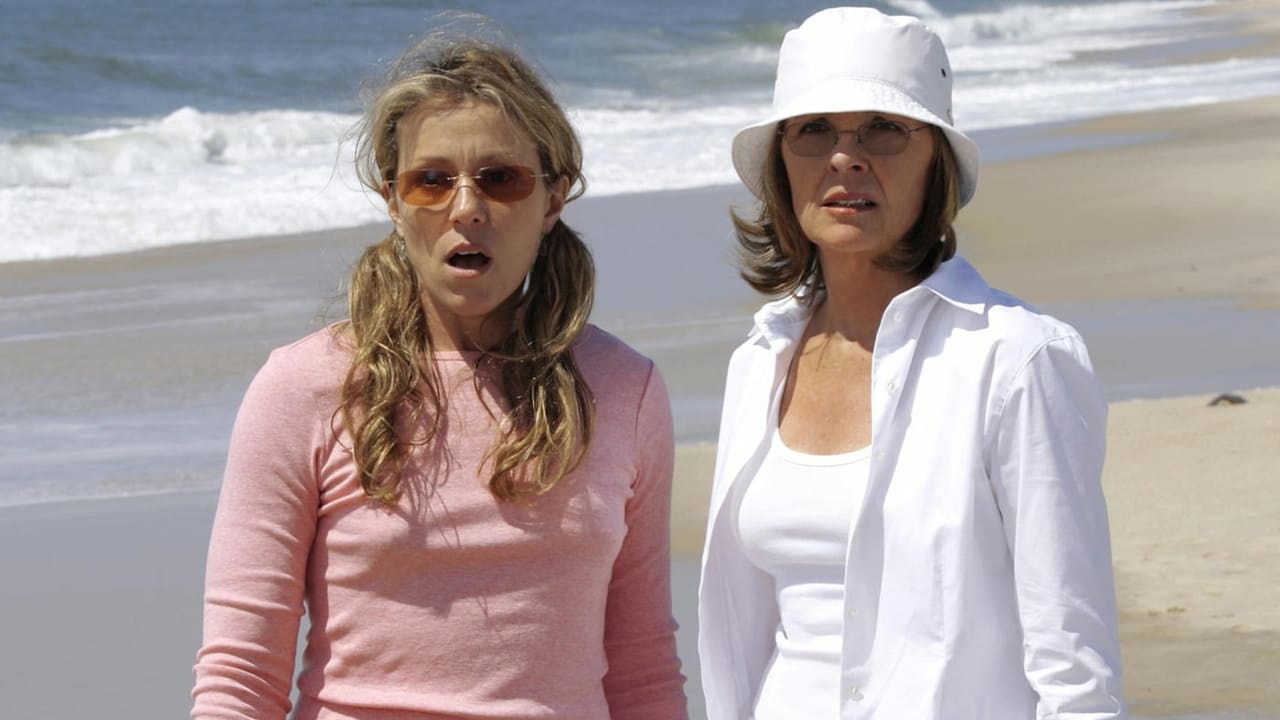
The Bachelor and the Playwright
The setup is classic screwball: Jack Nicholson plays Harry Sanborn, a music industry titan who has spent forty years dating women who aren't old enough to remember the moon landing. He arrives at a gorgeous beach house with his latest "trophy," Marin (Amanda Peet), only to run into her mother, the famed playwright Erica Barry (Diane Keaton). When Harry’s heart decides to protest his lifestyle via a literal heart attack, he’s stranded at the house under Erica’s reluctant care.
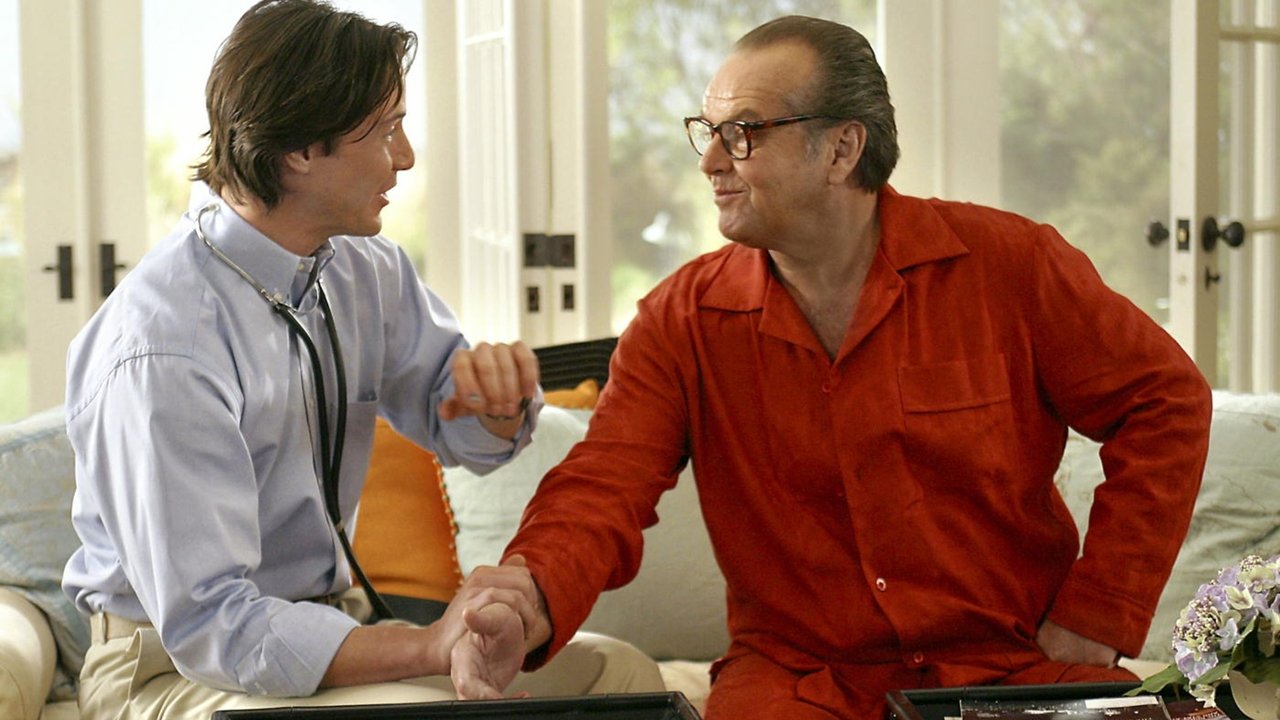
What follows is a masterclass in chemistry. Jack Nicholson is clearly having the time of his life, playing a version of his public persona that is just vulnerable enough to be charming. Harry Sanborn spends half the movie looking like a confused tortoise in a hospital gown, and yet, you totally buy his transition from predatory bachelor to a man genuinely terrified by his own feelings. But the movie belongs to Diane Keaton. Her performance is a whirlwind of neuroses, sharp wit, and physical comedy. There is a montage of her "crying it out" at her computer that is so raw and hilarious it should be taught in acting schools. She doesn't just play a woman who has been hurt; she plays a woman who has forgotten how to be seen, and watching her "wake up" is the film's true engine.
The Keanu Complicated-ness
We have to talk about Keanu Reeves. In 2003, Keanu was coming off the back-to-back intensity of The Matrix sequels. Seeing him here as Julian Mercer, the young, dashing doctor who is genuinely obsessed with Erica’s work (and Erica herself), is a delight. It’s a role that requires him to be essentially perfect—charming, respectful, and impossibly handsome.
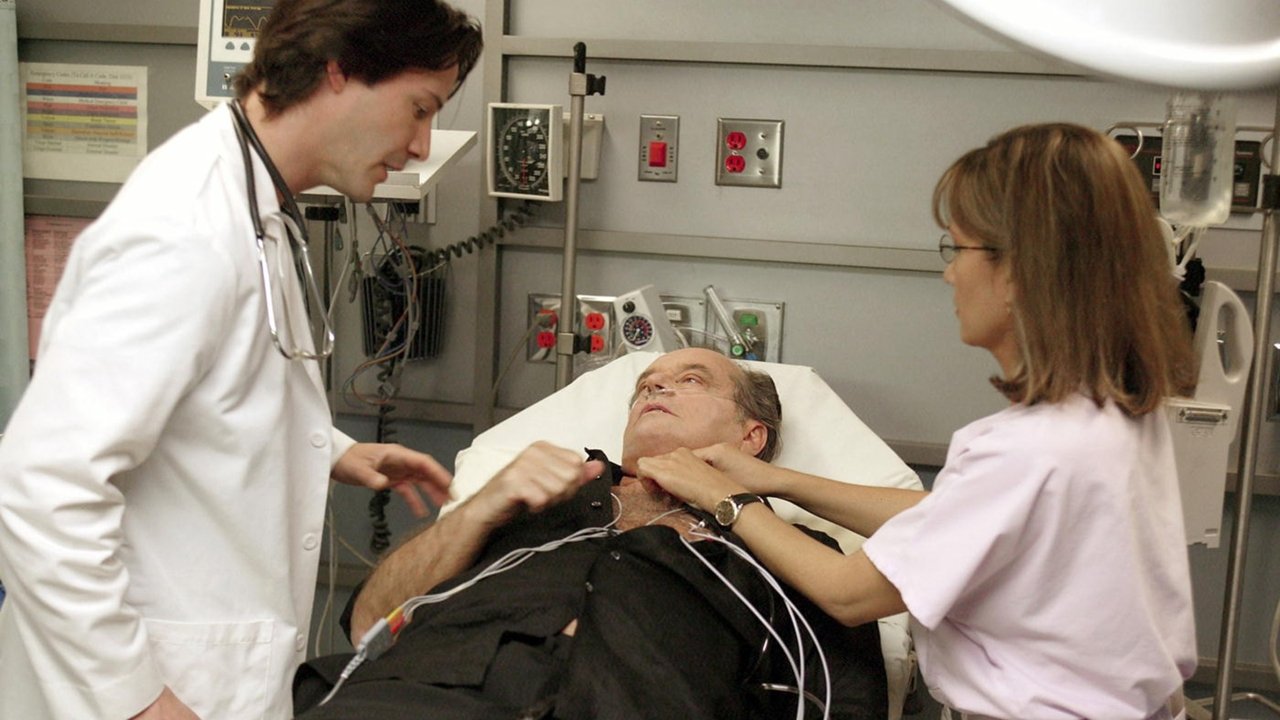
I remember watching this on a scratched DVD I bought from a Suncoast Video bargain bin in a mall that smelled like Cinnabon and floor wax. At the time, I thought Erica was crazy for even looking at Harry when she had Neo himself offering her dinner. Looking back, Julian is almost too perfect. He’s a fantasy. Harry, with his blood pressure medication and his offensive jokes, is the messy reality. The film respects Erica enough to let her choose between a dream and a partner who actually challenges her. It's a rare romantic comedy where the "other man" isn't a villain; he's just the wrong fit for the right person.
The $270 Million House Tour
It is hard to overstate how much of a juggernaut this was. With an $80 million budget—unheard of for a character-driven comedy today—it raked in over $270 million worldwide. This was the peak of the Nancy Meyers Era, a time when audiences would flock to theaters to see adults talk in beautiful rooms. It captured a demographic that Hollywood often ignores, proving that the "silver fox" and the "woman of a certain age" were box office gold.
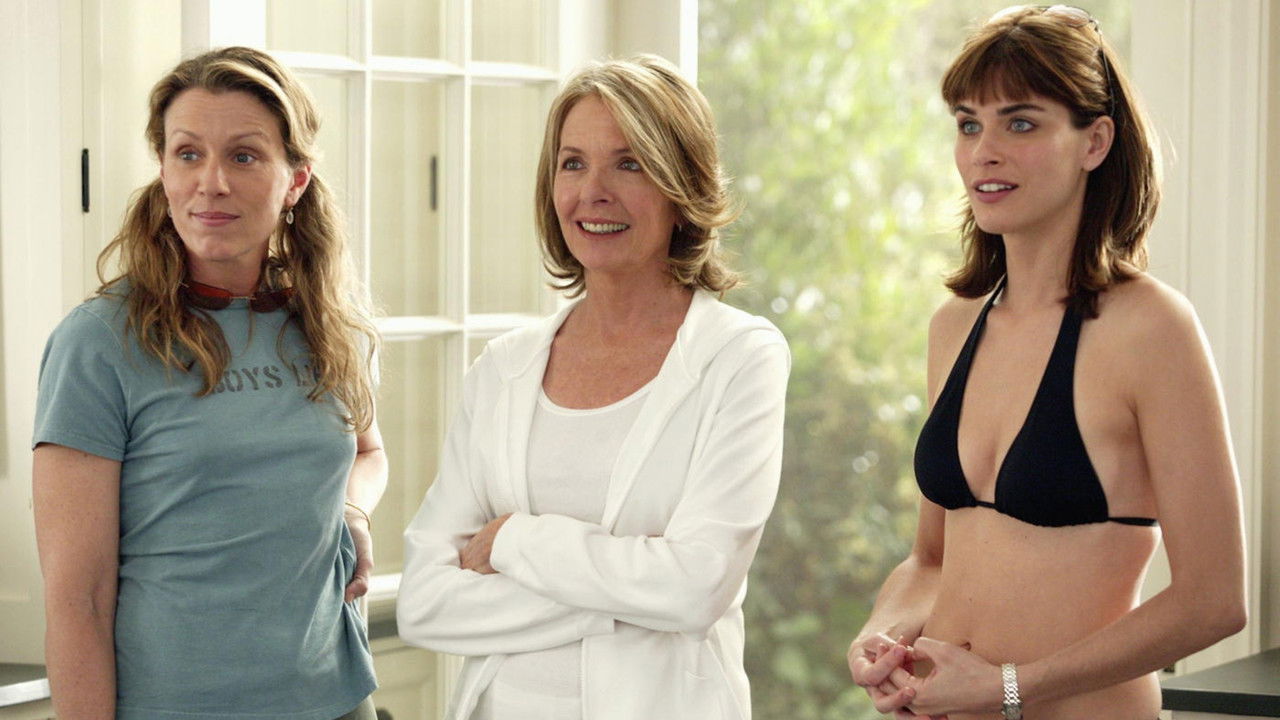
The production was famously meticulous. Meyers is known for her specific vision; the Hamptons house wasn't just a set, it was a fully realized environment where every bowl of lemons was curated. Apparently, Jack Nicholson was so immersed in the process that he actually told Meyers he thought he was falling in love with Diane Keaton during filming. Keaton, for her part, snagged a Golden Globe and an Oscar nomination, cementing the film as more than just "fluff." Even the supporting cast is stacked: Frances McDormand shows up as Erica’s feminist sister, delivering lines with a dry wit that balances the more sentimental beats, and a pre-fame Jon Favreau pops up as Harry’s assistant.
Does the Vibe Hold Up?
Looking back from the 2020s, some of the age-gap humor feels a bit "of its time," and the Hamptons setting is basically a tax haven for people who communicate exclusively through witty banter and expensive knitwear. However, the emotional core is surprisingly sturdy. This was a transition period for cinema—digital was looming, but this still feels like a lush, film-shot production with a score by Hans Zimmer that isn't his usual "booming horns" but rather something light and Parisian.
It’s a movie about the terror of being vulnerable when you’ve already built your life's defenses. Whether you’re twenty or sixty, the fear that you’ve missed your last chance at real connection is universal. Nancy Meyers treats that fear with respect, a lot of French pop music, and, yes, a really, really nice kitchen.
Ultimately, this is the ultimate "comfort watch" that actually rewards your attention. It’s funny, it’s heartbreaking in the right places, and it features two legends of the 1970s New Hollywood era proving they’ve still got the fastest fastballs in the game. If you can ignore the fact that nobody in this movie ever seems to worry about a utility bill, it’s a near-perfect escape.
Keep Exploring...
-
As Good as It Gets
1997
-
Stepmom
1998
-
Shall We Dance?
2004
-
What Women Want
2000
-
The Holiday
2006
-
About a Boy
2002
-
Lost in Translation
2003
-

The Parent Trap
1998
-

About Schmidt
2002
-

The Bucket List
2007
-
The Sisterhood of the Traveling Pants
2005
-

It's Complicated
2009
-
Just Like Heaven
2005
-
The Break-Up
2006
-
Love & Other Drugs
2010
-
Silver Linings Playbook
2012
-
Hitch
2005
-
Sex and the City
2008
-
Buffalo '66
1998
-

EverAfter
1998