Taxi 3
"High-octane madness in a Peugeot with skis."
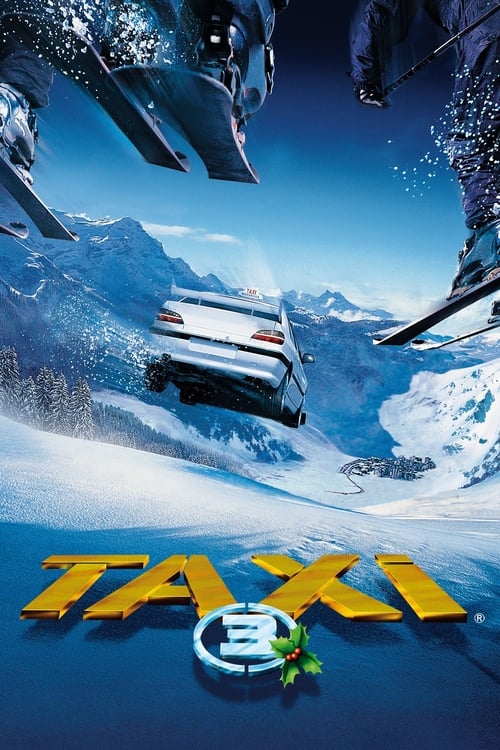
I watched this movie while wearing a pair of mismatched socks—one was wool, the other was a thin dress sock—and honestly, that lopsided, slightly uncomfortable feeling perfectly mirrored the experience of watching Taxi 3. It’s a film that doesn't quite know if it wants to be a gritty crime thriller or a live-action Wacky Races episode, and yet, I found myself grinning through the sheer, stupid audacity of it all.
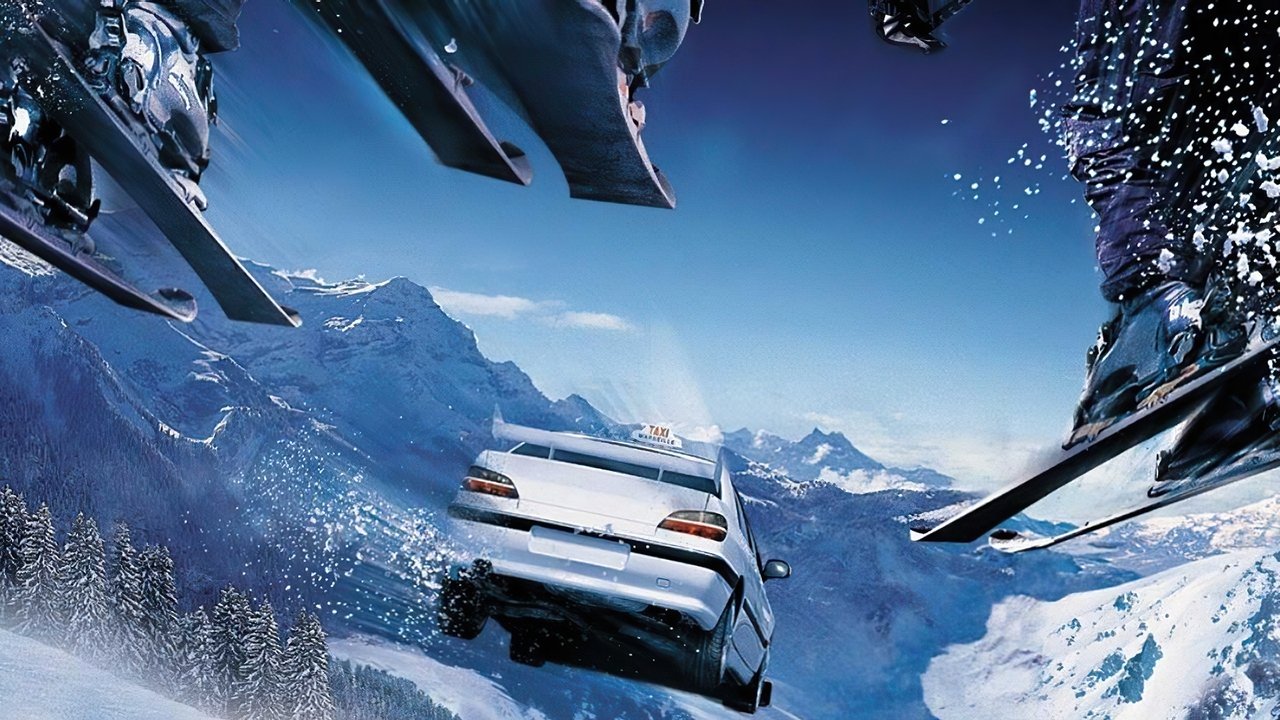
By 2003, the Taxi franchise had become a bona fide phenomenon in France. Produced and written by Luc Besson, these films were the cornerstone of his EuropaCorp "factory," a studio that mastered the art of the 90-minute popcorn flick long before the MCU made us sit through ten minutes of credits for a single teaser. Taxi 3 represents the exact moment where the series stopped caring about things like "physics" or "logic" and decided to lean entirely into the cartoonish.
The 87-Minute Sprint
Let’s talk about that runtime. Eighty-seven minutes. In an era where every blockbuster feels the need to be an arduous three-hour "event," there is something deeply refreshing about a movie that gets in, flips a few cars, makes a bunch of jokes about the French police being incompetent, and gets out before your popcorn is even cold.
The plot, such as it is, involves a gang of thieves dressed as Santa Claus (the "Santa Claus Gang," naturally) who are outsmarting the Marseille police at every turn. Meanwhile, our hero Daniel (Samy Naceri) is dealing with a relationship crisis because he spends more time with his car than his girlfriend, Lilly (Marion Cotillard). Yes, that Marion Cotillard. Before she was winning Oscars and dying dramatically in Batman movies, she was the long-suffering girlfriend in a series about a taxi that can sprout wings. Watching her here is a trip; she’s clearly overqualified for the material, but she brings a groundedness that the movie desperately needs.
Slapstick and Speed Limits
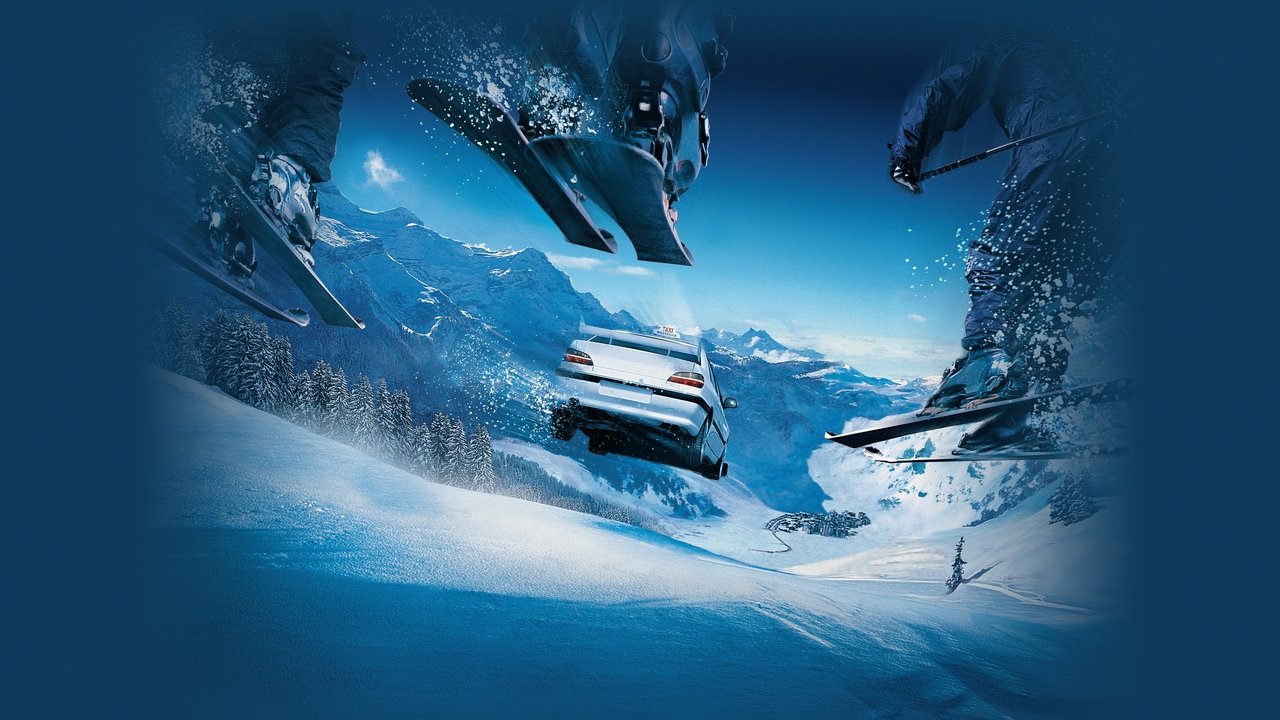
The real star, of course, isn't the actors—it’s the white Peugeot 406. By the third installment, this car has more gadgets than a Bond vehicle. In the film’s most "early 2000s" moment, the taxi is outfitted with massive caterpillar tracks to trek through the French Alps. It is ridiculous. It is unnecessary. And I loved every second of it.
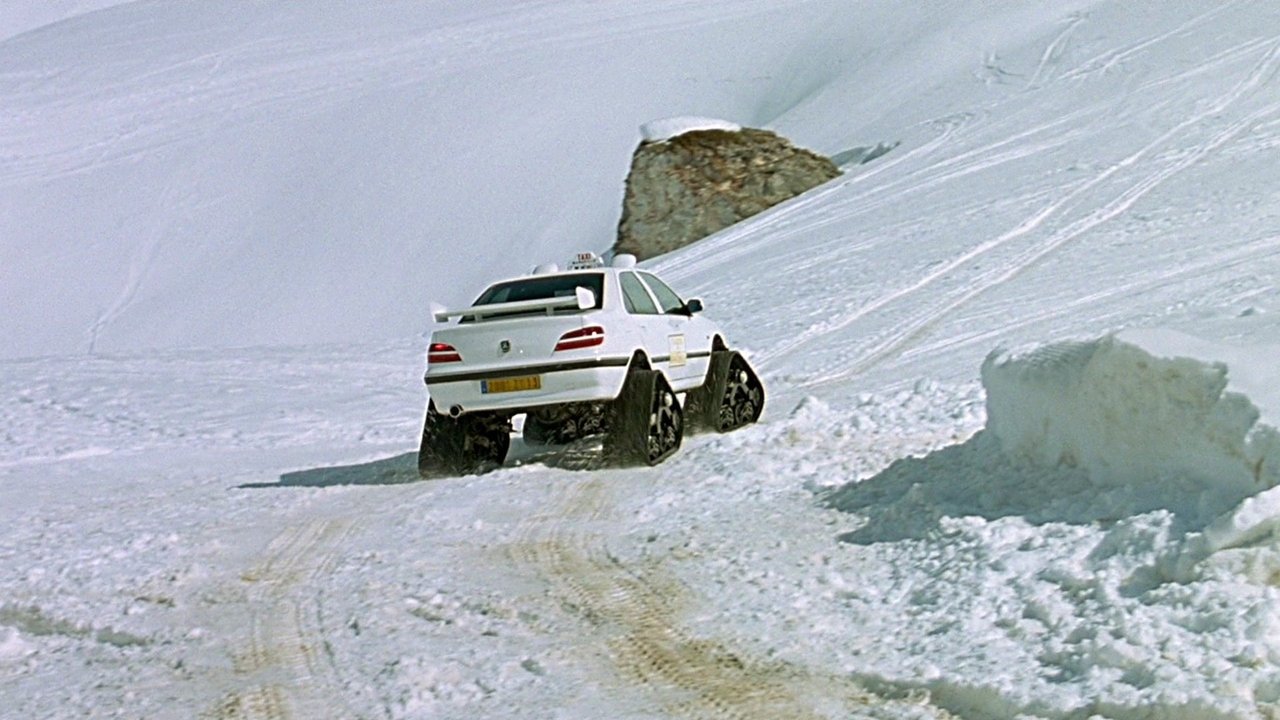
The action choreography, handled by director Gérard Krawczyk, maintains a frantic, kinetic energy that feels very much of its time. This was the peak of the "Besson Style"—quick cuts, vibrant colors, and a hip-hop soundtrack that keeps the momentum at a fever pitch. While some of the CGI used for the more impossible jumps has aged like milk left in a hot car, the practical stunt work remains impressive. When you see a car spinning through the air or a real-life chase through the narrow streets of Marseille, you feel the weight of the metal.
The comedy is hit-or-miss, largely depending on your tolerance for Bernard Farcy as Commissaire Gibert. He plays the role with the subtlety of a sledgehammer, screaming "ALERTE!" every five minutes and falling victim to increasingly elaborate pratfalls. It’s pure slapstick, and while it borders on exhausting, this movie is essentially a high-budget Looney Tunes short with more nitro.
The Sylvester Stallone Factor
One of the most bizarre artifacts of this film’s production is the opening cameo by Sylvester Stallone. He appears in the first five minutes as a mysterious passenger being chased through the streets, speaking dubbed French (or phonetically, it’s hard to tell). It’s a total "what if" moment that reminds you of the weirdly cozy relationship between Hollywood and the French action scene in the early 2000s.
Then there’s Bai Ling as the villainous Qui. She plays the role with a predatory, over-the-top energy that fits the movie’s heightened reality perfectly. She’s the kind of villain who feels like she stepped out of a comic book, which is fitting since the police force she’s fighting is essentially a group of circus clowns in uniform.
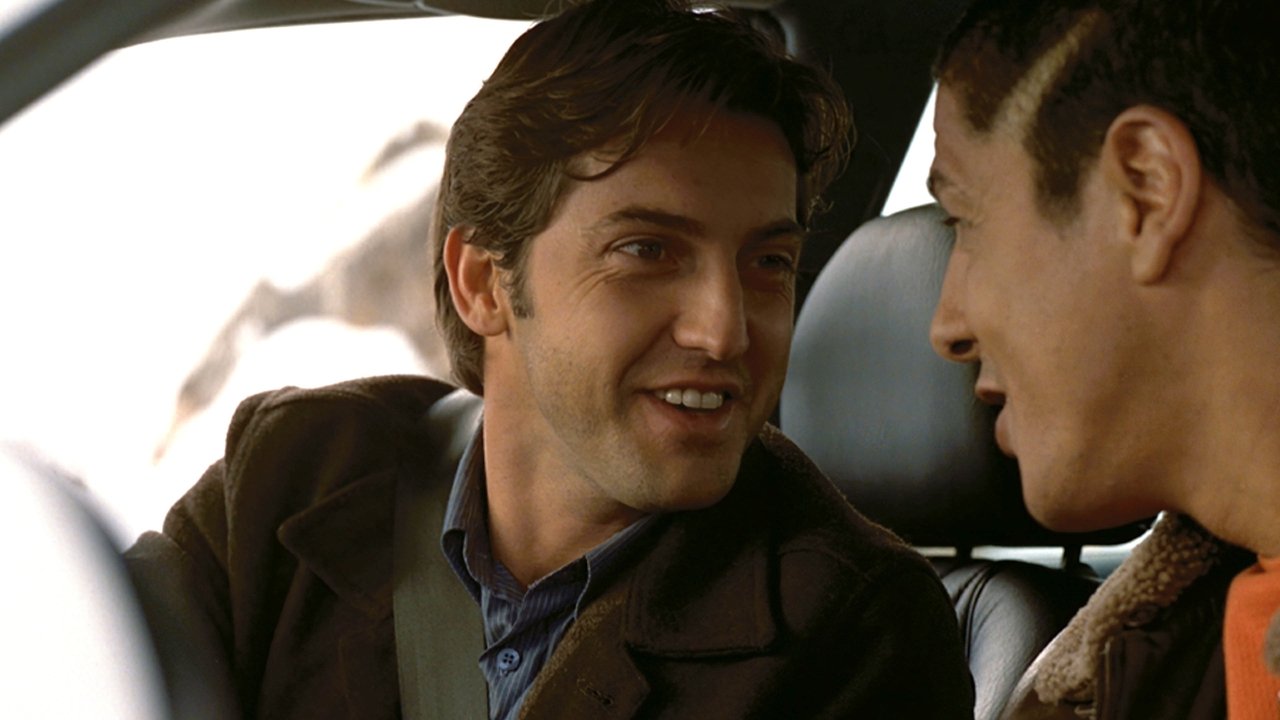
Looking Back at the Peugeot
Looking back at Taxi 3 now, it feels like a relic of a simpler time in action cinema. This was before the Fast & Furious franchise went to space, and before every action beat had to be a digital composite. There’s a "shaggy dog" quality to it—it’s messy, the humor is often juvenile, and the plot is thinner than a crepe.
But it’s also undeniably fun. It’s a movie that knows exactly what it is: a delivery system for speed and smiles. It doesn't ask for your intellectual engagement; it just asks you to buckle up and ignore the fact that a taxi just successfully outran a private jet on a snowy mountain. If you’re looking for a piece of French pop-culture history that doesn't take itself seriously for a single second, you could do a lot worse than this goofy, gasoline-soaked trilogy-capper.
Taxi 3 is the cinematic equivalent of a drive-thru burger: it’s greasy, you know it’s not particularly "good" for you, but it hits the spot when you’re in the mood for it. It captures that early-2000s EuropaCorp energy where the stakes were low but the adrenaline was high. It’s not a masterpiece, but as a piece of pure, unadulterated escapism, it still has plenty of gas in the tank.
Keep Exploring...
-
Taxi 2
2000
-
Taxi 4
2007
-

Taxi
1998
-

Wasabi
2001
-
Bandidas
2006
-
Smokin' Aces
2006
-
Taxi
2004
-
Shoot 'Em Up
2007
-
Blue Streak
1999
-

The Mexican
2001
-
National Security
2003
-
Cop Out
2010
-
Big Mommas: Like Father, Like Son
2011
-

One for the Money
2012
-
Stand Up Guys
2012
-
The Family
2013
-
OSS 117: Cairo, Nest of Spies
2006
-
Pineapple Express
2008
-
Lethal Weapon 4
1998
-
Rush Hour 2
2001