Tears of the Sun
"Duty follows orders; a soul follows the light."

Long before it became a somber meditation on African conflict, the phrase Tears of the Sun was just a catchy title sitting in a desk drawer, waiting for Bruce Willis to decide if he wanted to use it for the fourth Die Hard movie. Thankfully, the name was gifted to director Antoine Fuqua instead. Looking back at 2003, we were in a strange, transitional pocket of cinema history. The bombastic, neon-soaked heroics of the 1990s were curdling into something grittier and more cynical following the events of 9/11. We wanted our action stars to stop quipping and start bleeding.
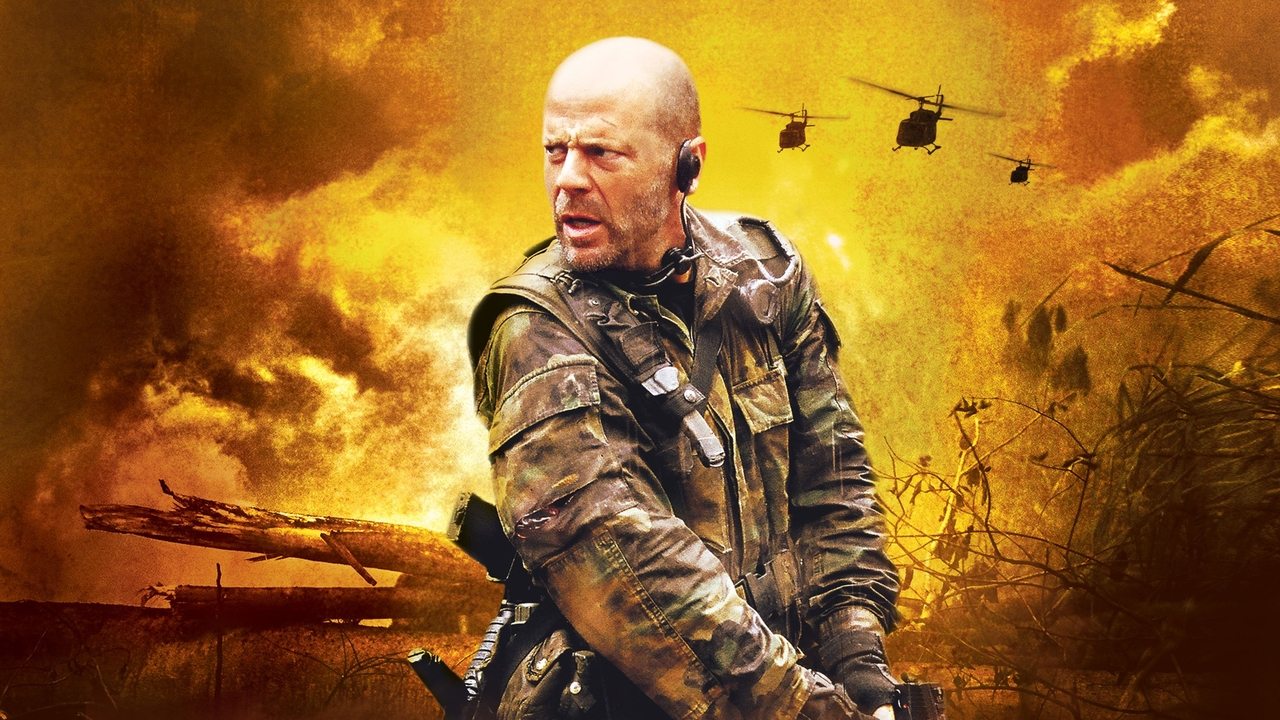
I rewatched this on a humid Tuesday evening while nursing a lukewarm ginger ale that had lost its carbonation hours ago, and honestly, the flat soda weirdly complemented the film's oppressive, sweat-stained atmosphere. It’s a movie that smells like damp earth and gun oil.
The Stoic Shift of the Action Icon
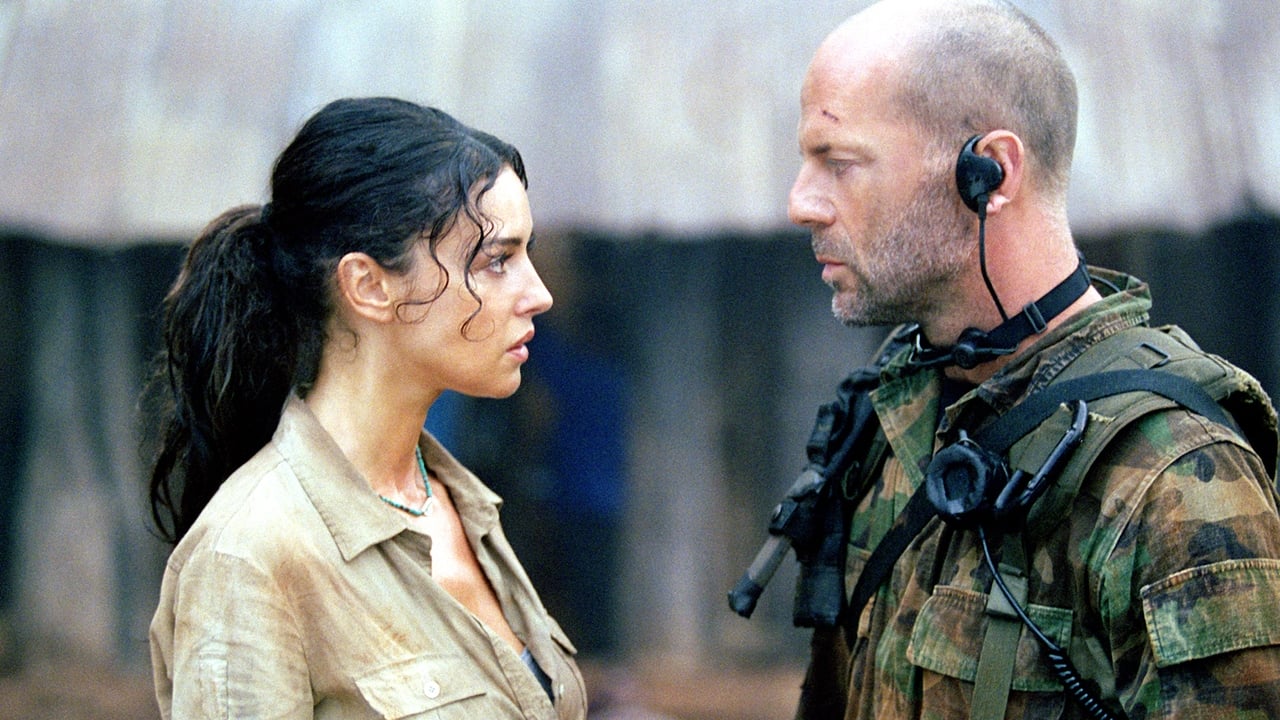
In 2003, Bruce Willis was transitioning. He was moving away from the "Yippee-ki-yay" smirk and toward a granite-faced stoicism that would define his later career. As Lieutenant A.K. Waters, he’s practically a gargoyle in tactical gear. When he’s sent into a collapsing Nigeria to extract Monica Bellucci’s Dr. Lena Kendricks, he’s a man who views morality as a secondary concern to the mission clock.
What makes this film stand out in the post-9/11 landscape is how it handles the "rules of engagement." In the early 2000s, Hollywood was obsessed with the professional—the silent specialist who does the hard thing so we don't have to. Antoine Fuqua, fresh off the high-wire act of Training Day (2001), brings that same sense of escalating dread to the jungle. This isn't a "fun" action movie. It’s a grueling hike through a moral minefield where the hero's greatest weapon is actually his conscience.
Monica Bellucci provides the necessary friction. While she’s often relegated to the "damsel" role in these types of productions, here she serves as the film’s heartbeat. She refuses to leave her patients, forcing Waters to choose between his career-long habit of following orders and his dormant humanity. The chemistry isn't romantic; it’s a collision of worldviews.
Tactical Realism vs. Hollywood Spectacle
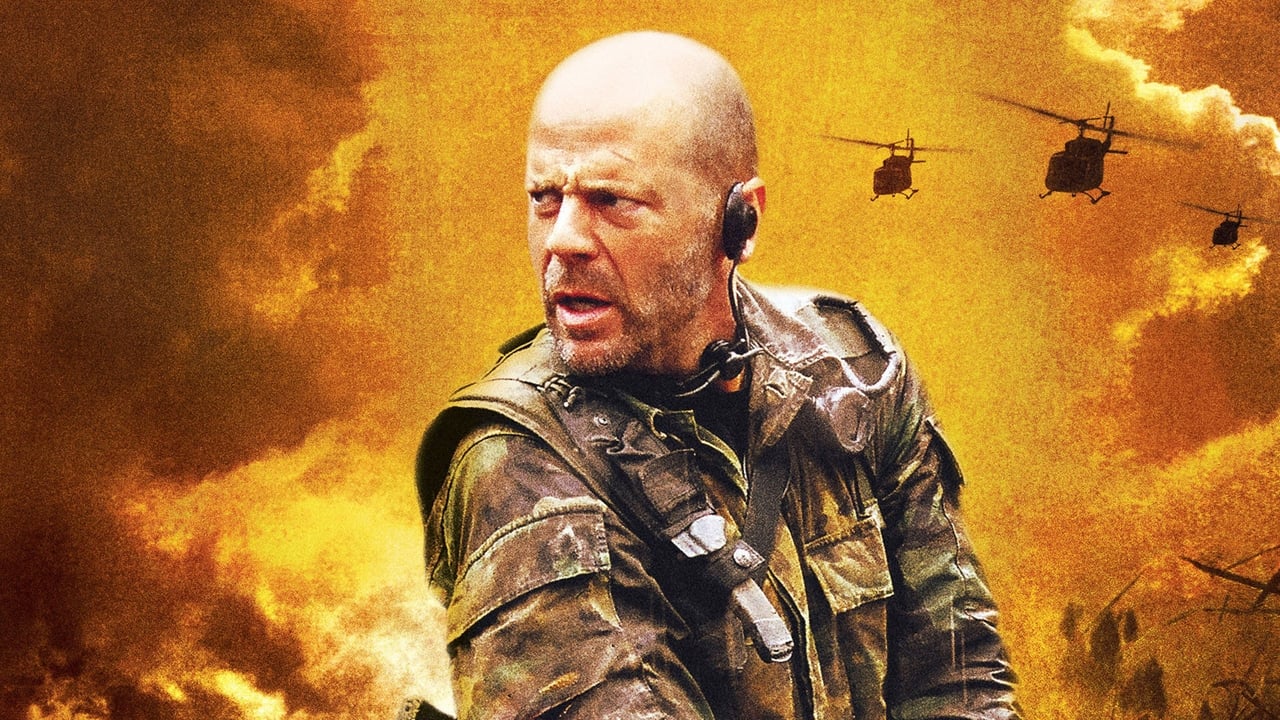
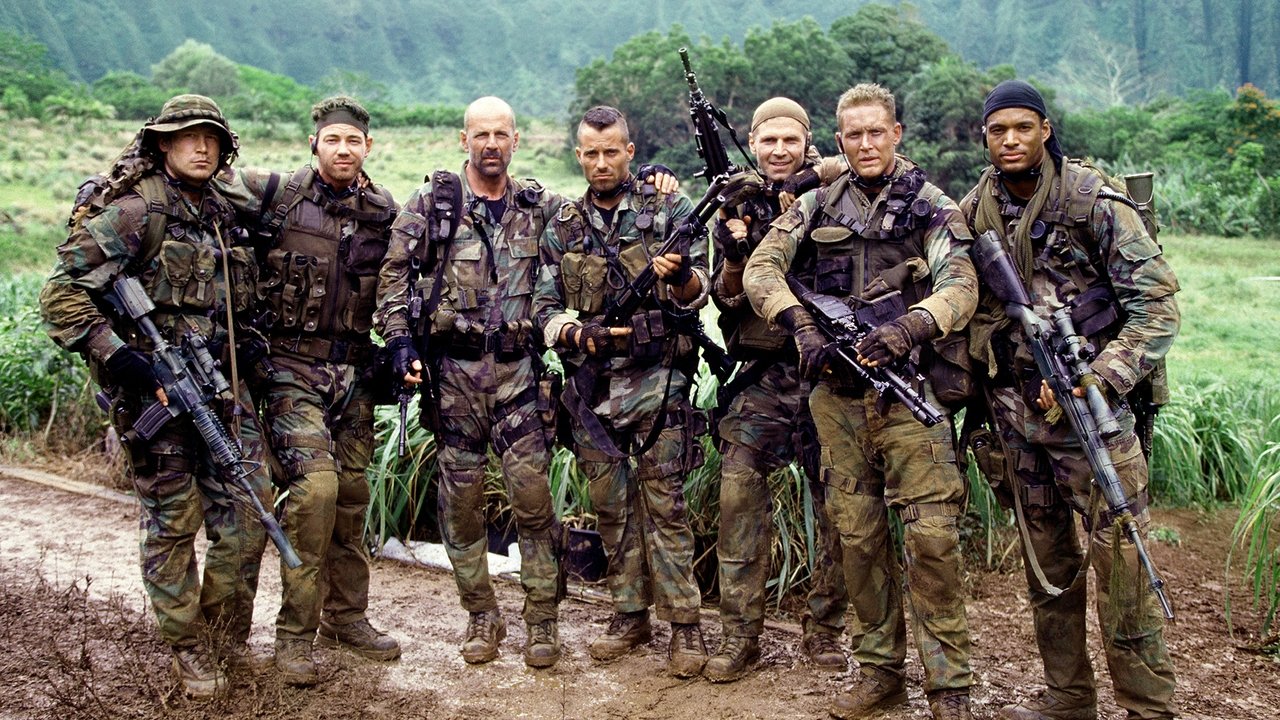
One of the reasons Tears of the Sun has aged better than many of its contemporaries is Fuqua’s insistence on practical grit. Before the industry became addicted to the weightless safety of digital blood spatter and CGI fire, this film felt heavy. The squadron—including a young, pre-Yellowstone Cole Hauser and the always-excellent Eamonn Walker—actually looks like they’ve been dragging 60-pound packs through the mud for weeks.
Turns out, that’s because they basically were. Fuqua famously had the actors undergo a rigorous Navy SEAL training camp led by Harry Humphries, a real-life veteran who served as the film's tactical advisor. The cast lived in the woods, learned to move as a single organism, and stayed in character throughout the shoot. This "Method Military" approach pays off in the action choreography. There’s a distinct lack of "Rambo" moments; instead, the shootouts are terrifyingly precise, emphasizing suppression fire, flanking maneuvers, and the sheer, deafening chaos of a jungle ambush.
Interestingly, while the film is set in Nigeria, it was actually filmed in Hawaii. The production team had to fly in African extras from across the United States to populate the villages. Many of the refugees shown on screen were not professional actors but real-life refugees from various African conflicts. Their tears during the village massacre scenes weren’t always scripted; they were visceral reactions to their own trauma. This adds a layer of haunting reality that keeps the film from feeling like a standard "White Savior" trope—it’s too grounded in the misery of its setting to be triumphant.
A Cult Legacy of "The Hard Choice"
While it wasn't a massive box office hit—barely recouping its $75 million budget—Tears of the Sun found its second life on DVD. This was the era of the "Special Edition," where enthusiasts would pore over making-of documentaries to see how the pyrotechnics worked. I remember my brother and I arguing over the alternate ending (which is much bleaker) and how the score by Hans Zimmer—which blends tribal vocals with his signature heavy synths—was practically on repeat in our house.
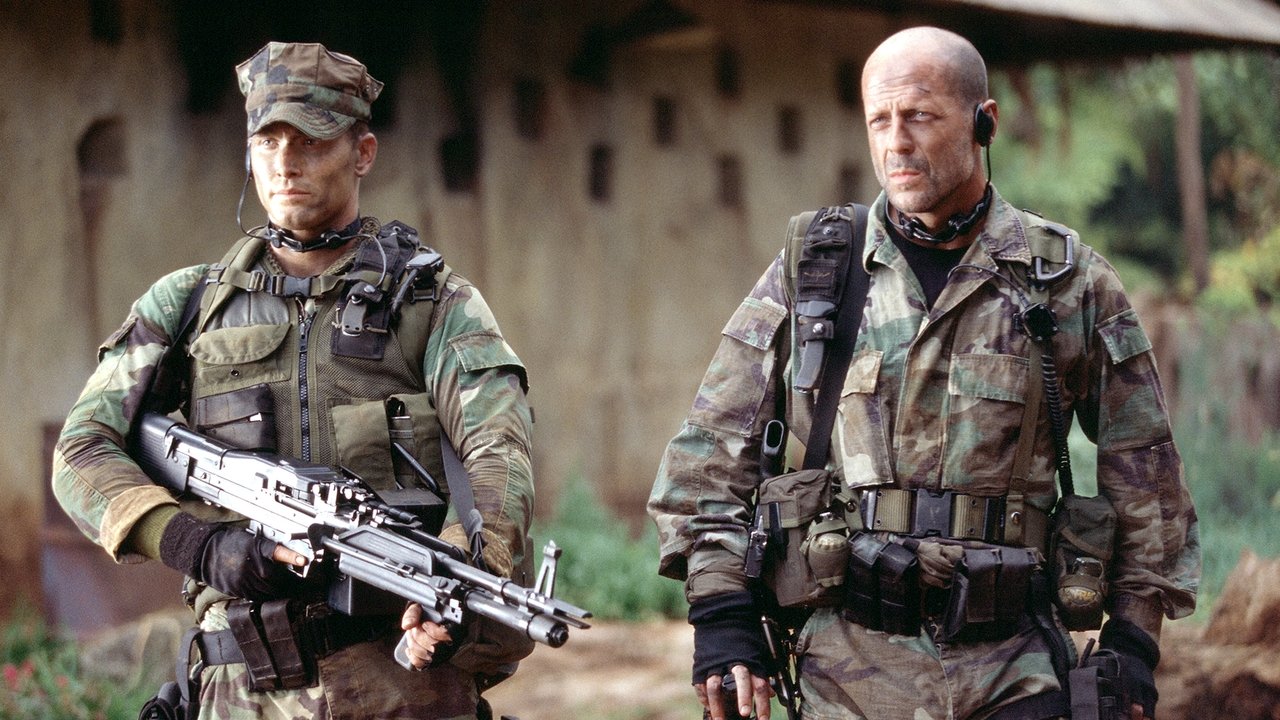
The film serves as a fascinating bridge between the analog 20th century and the digital 21st. The cinematography by Mauro Fiore (who later won an Oscar for Avatar) uses a saturated, high-contrast palette that makes the green of the jungle look almost toxic. It’s a beautiful-looking movie about a very ugly subject.
Ultimately, Bruce Willis's face is a tectonic plate of suppressed emotion, and watching it finally crack as he decides to turn the choppers around is one of the most satisfying character beats of his 2000s output. It’s a film that asks if a soldier can still be a good man when the world around him has gone feral. It doesn’t offer easy answers, but it offers a hell of a ride while looking for them.
If you can stomach the harrowing intensity and the somewhat dated political overtones, Tears of the Sun is a masterclass in tactical tension. It represents a time when action movies were allowed to be somber, physically demanding, and deeply uncomfortable. It’s not the kind of film you watch to feel good, but it’s the kind of film you watch to feel the weight of every bullet fired. Give it a look if you miss the days when Bruce Willis still gave a damn.
Keep Exploring...
-
King Arthur
2004
-
Shooter
2007
-
Training Day
2001
-
The Patriot
2000
-

Alexander
2004
-
Kingdom of Heaven
2005
-
Letters from Iwo Jima
2006
-
Green Zone
2010
-

Olympus Has Fallen
2013
-
The Monuments Men
2014
-
Hart's War
2002
-
The Last Samurai
2003
-

The Messenger: The Story of Joan of Arc
1999
-
Behind Enemy Lines
2001
-
Defiance
2008
-
Red Cliff
2008
-

Enemy of the State
1998
-

The Negotiator
1998
-
The Thin Red Line
1998
-
Three Kings
1999