The Animatrix
"Nine visions. One glitchy reality. Total system override."
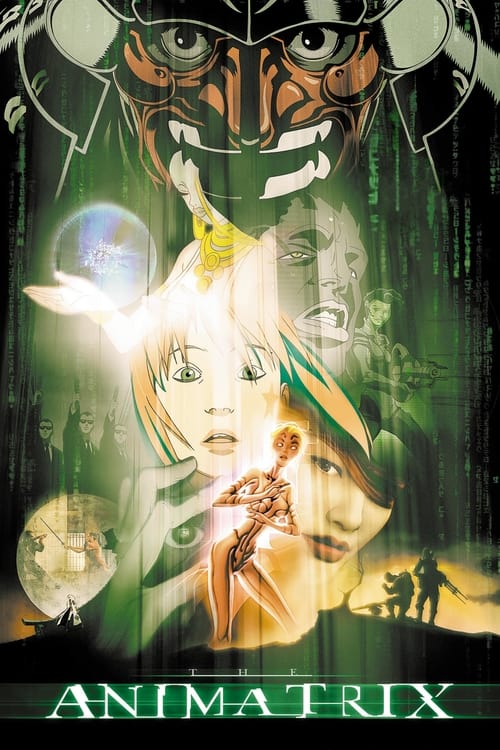
In the summer of 2003, you couldn’t swing a sentient squid-robot without hitting a piece of Matrix marketing. We were in the "Year of the Matrix," a massive cross-media blitz that included two sequels and a video game that was supposedly essential to the plot. But while the sequels eventually collapsed under the weight of their own philosophical monologues, a quiet direct-to-DVD anthology called The Animatrix managed to do something the live-action films couldn't: it made the world of the machines feel terrifyingly, beautifully infinite.
I revisited this recently while sitting in a very squeaky ergonomic chair that definitely wasn't designed for humans, sipping a cup of lukewarm instant coffee that tasted vaguely of copper. It felt appropriate. The Animatrix is all about the friction between the biological and the synthetic, and twenty years later, it remains the high-water mark for the entire franchise.
A Masterclass in Stylistic Whiplash
The brilliance of this collection lies in its variety. Rather than sticking to one visual language, the Wachowskis handed the keys to the kingdom to the gods of Japanese anime. We get everything from the hyper-realistic (for 2003) CGI of Final Flight of the Osiris to the jagged, charcoal-smear noir of A Detective Story.
The standout for me has always been The Second Renaissance, a two-part historical documentary narrated by a robotic Muse. It details the fall of humanity and the rise of the machines. It’s brutal. It’s heartbreaking. Seeing a robot being beaten in the street by a mob is a sequence that sticks in your ribs. The Second Renaissance is more terrifying and narratively cohesive than any of the live-action sequels combined. It provides the "why" that the movies often skipped over in favor of bullet-time.
Then you have World Record, directed by Takeshi Koike. It’s a story about an Olympic sprinter who pushes his body so hard he momentarily "wakes up" from the Matrix through pure physical exertion. The animation is distorted, muscular, and sweaty. It captures the sheer agony of being human in a way that Keanu Reeves staring blankly at a spoon simply never could.
The Peak of the DVD Era

Looking back, The Animatrix feels like the ultimate artifact of the DVD era. This was a time when "Special Features" weren't just an afterthought on a streaming menu; they were a reason to buy the disc. I remember the behind-the-scenes segments on this release being as engrossing as the shorts themselves, showing how creators like Shinichiro Watanabe (of Cowboy Bebop fame) and Yoshiaki Kawajiri (the mind behind Ninja Scroll) interpreted this digital playground.
It’s a bit of a tragedy that this film has slipped into the "obscure" category for younger fans. Because it was a DVD-first release, it doesn't always pop up on the front page of streaming services, and its impact has been overshadowed by the divisive reputation of The Matrix Revolutions. Yet, this was a $5,000,000 project that looks like it cost ten times that. The level of craft on display—especially in the hand-drawn segments—remains breathtaking even in an era of 4K resolution.
There’s a segment called Beyond that follows a girl looking for her cat in a "glitchy" neighborhood where the laws of physics don't apply. It’s gentle, eerie, and atmospheric. It treats the Matrix not as a superhero combat zone, but as a lived-in environment with weird bugs in the code. It’s the kind of world-building that makes a universe feel real.
The Human Element
While Keanu Reeves and Carrie-Anne Moss show up briefly to voice Neo and Trinity, the real stars are the new voices. Pamela Adlon brings a weary grit to her roles, and John DiMaggio lends his signature gravel to the doomed crew of the Osiris. But even more than the voices, it's the movement that tells the story.
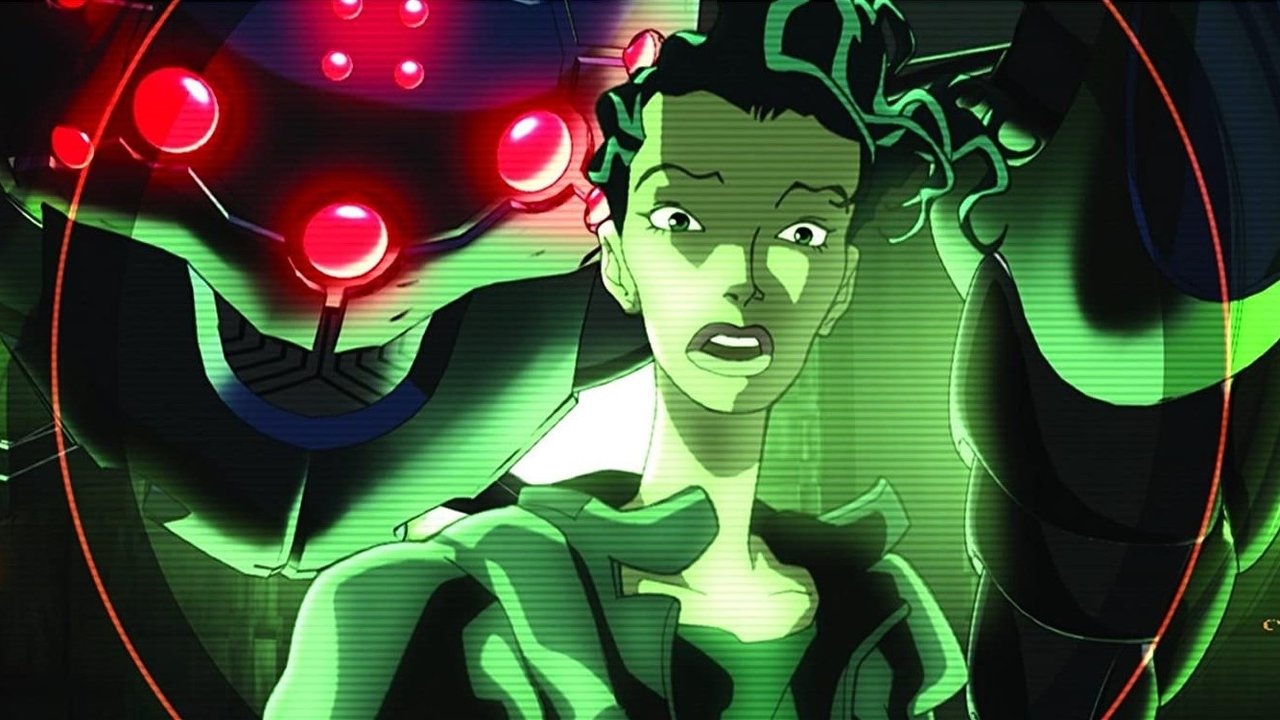
In Program, two warriors (voiced by Melinda Clarke and Phil LaMarr) battle in a simulated feudal Japan. The way their swords clash and their armor flutters isn't just "cool action"—it’s a debate about loyalty and reality told through choreography. This is where the anime medium shines; it can go places a wire-work stunt team can’t, reaching for an emotional abstraction that live-action struggles to touch.
The film serves as a time capsule of a moment when Western blockbusters were desperately trying to figure out how to bottle "cool." Most failed, but by letting the masters of the medium take the lead, The Animatrix succeeded. It didn't just expand the lore; it gave the universe a soul.
If you’ve only ever seen the main trilogy, you’re only seeing half the picture. The Animatrix is a bold, experimental, and occasionally disturbing exploration of what it means to be a ghost in the machine. It’s the rare franchise expansion that actually makes the original film better by association. Dig up a copy, ignore the sequels for an afternoon, and let these nine stories overwrite your hard drive. It's a glitch worth experiencing.

Keep Exploring...
-

Cowboy Bebop: The Movie
2001
-

Evangelion: 3.0 You Can (Not) Redo
2012
-

A Scanner Darkly
2006
-
Batman Beyond: Return of the Joker
2000
-
Titan A.E.
2000
-
Osmosis Jones
2001
-
Lilo & Stitch 2: Stitch Has a Glitch
2005
-

Evangelion: 1.0 You Are (Not) Alone
2007
-

Evangelion: 3.0+1.0 Thrice Upon a Time
2021
-

Superman/Shazam!: The Return of Black Adam
2010
-
Astro Boy
2009
-

Ghost in the Shell 2: Innocence
2004
-
Final Fantasy VII: Advent Children
2005
-

Bill & Ted's Bogus Journey
1991
-
Meet the Robinsons
2007
-
Tinker Bell
2008
-

Evangelion: 2.0 You Can (Not) Advance
2009
-
Batman: The Dark Knight Returns, Part 1
2012
-

Justice League: Doom
2012
-

Batman: The Dark Knight Returns, Part 2
2013