The Core
"Science takes a holiday, but the fun stays."
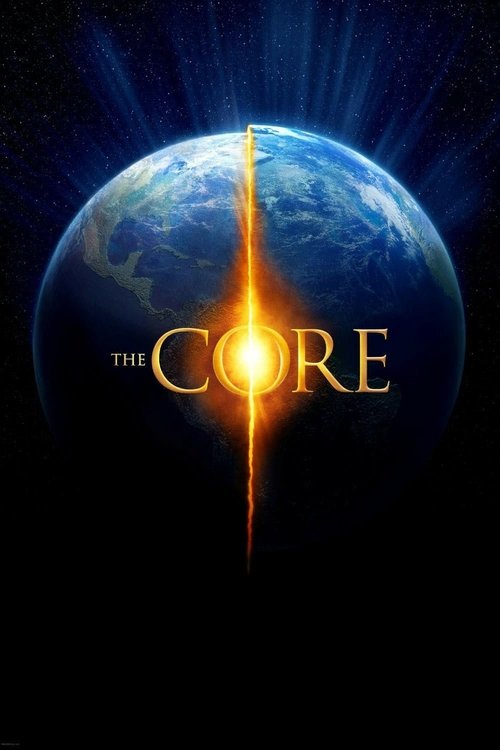
Imagine a world where the Earth’s inner core decides to take an unscheduled sabbatical, leading to a magnetic field collapse that turns ordinary pigeons into feathered heat-seeking missiles. This is the logic of The Core, a movie that treats geophysics with the same level of reverence a toddler treats a sandbox. It arrived in 2003, a time when Hollywood was obsessed with the "downward" disaster movie, and while it famously cratered at the box office, it has since burrowed its way into the hearts of cult film enthusiasts who prefer their science fiction with a heavy dose of fiction.
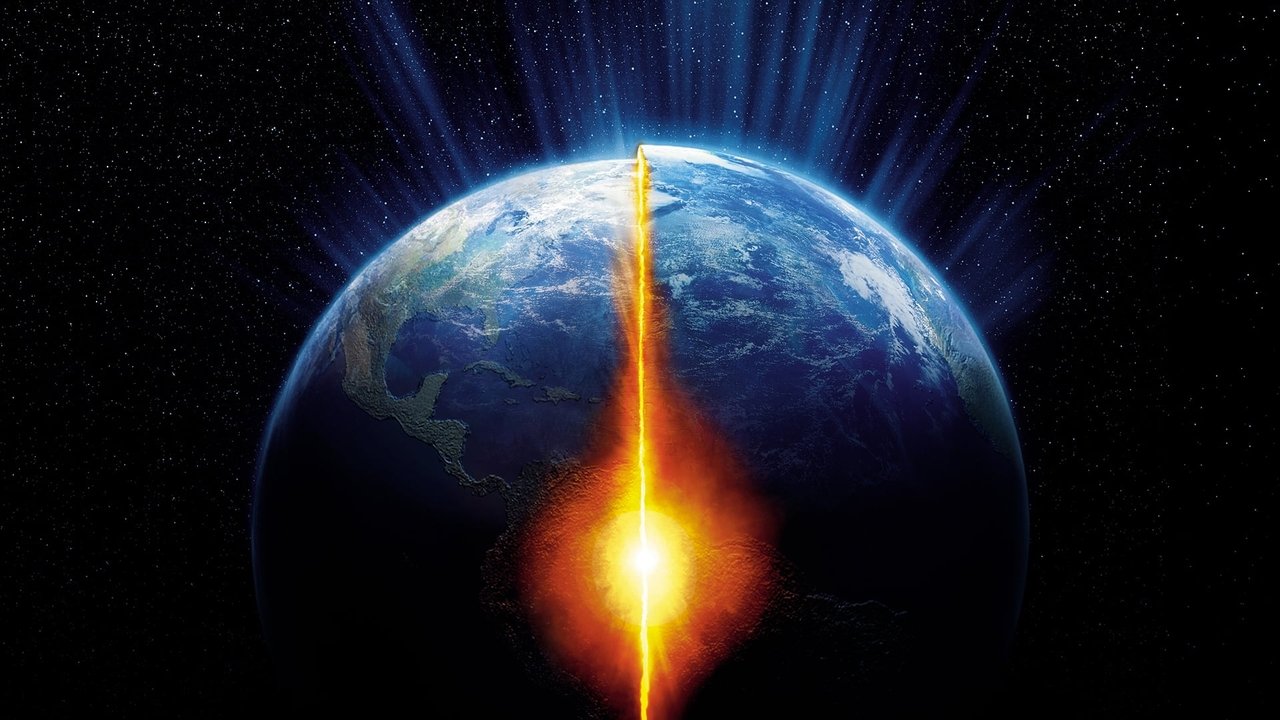
I watched this most recently on a grainy DVD while trying to assemble a flat-pack bookshelf, and I am fairly certain the film’s "unobtainium" logic actually made my furniture less stable. But that’s the magic of The Core. It’s a loud, proud, and undeniably goofy adventure that feels like a relic from a very specific window of cinema history—that sweet spot between the gritty practical effects of the 90s and the glossy, over-saturated digital landscapes of the 2010s.
The Physics of a Fever Dream
The plot is effectively Armageddon but inverted. Instead of going up to blow something up, we’re going down to blow something up. When the Earth’s rotation stops, the atmosphere starts disintegrating. People with pacemakers drop dead, and the Golden Gate Bridge gets melted by a stray microwave beam. To save the day, a team of "terranauts" boards a multi-segmented vessel made of—and I am not making this up—unobtainium. This legendary substance actually gets stronger the more heat and pressure you apply to it, which is the cinematic equivalent of eating a deep-fried Twinkie to lose weight.
The science is so spectacularly wrong that NASA reportedly used the film during training sessions just to see how many inaccuracies the recruits could spot. (The answer is usually "all of them.") But looking back, that’s not a bug; it’s a feature. In the early 2000s, there was a certain earnestness to these high-concept blockbusters. Director Jon Amiel, who previously gave us the sleek heist flick Entrapment (1999), doesn't wink at the camera. He plays the absurdity straight, and that commitment is exactly why it works as a piece of popcorn entertainment.
A Cast Doing the Absolute Most
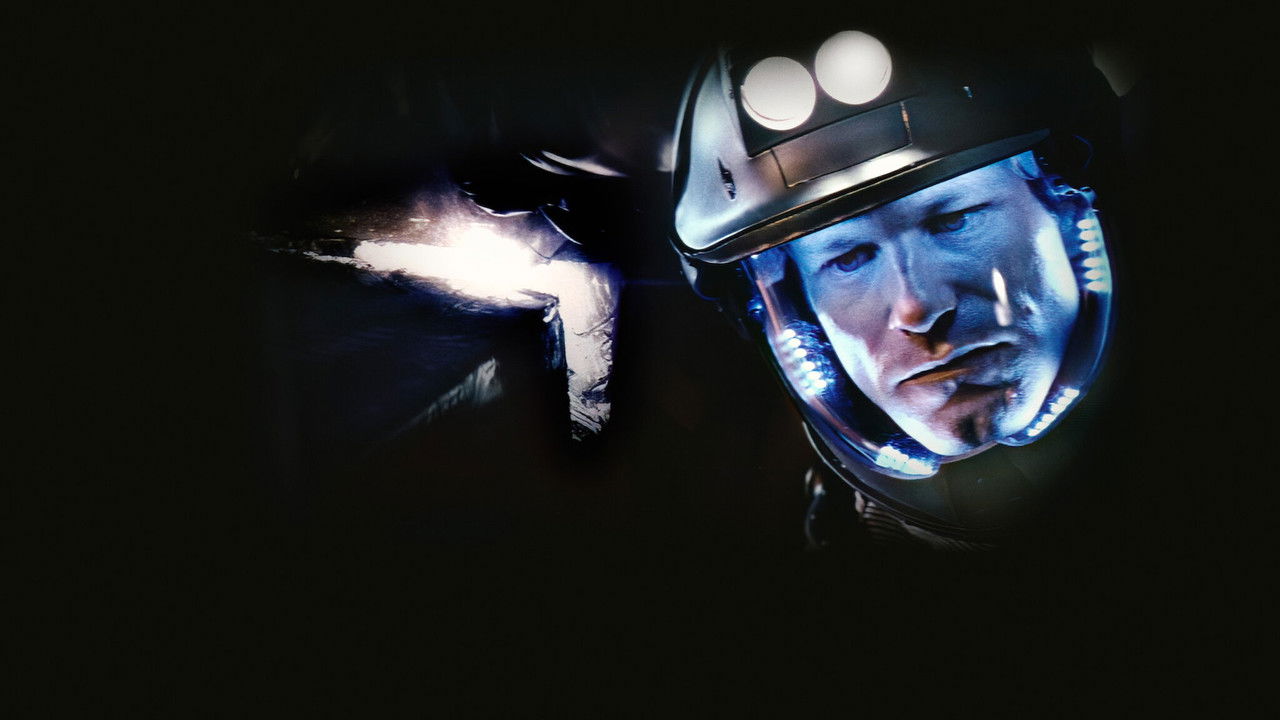
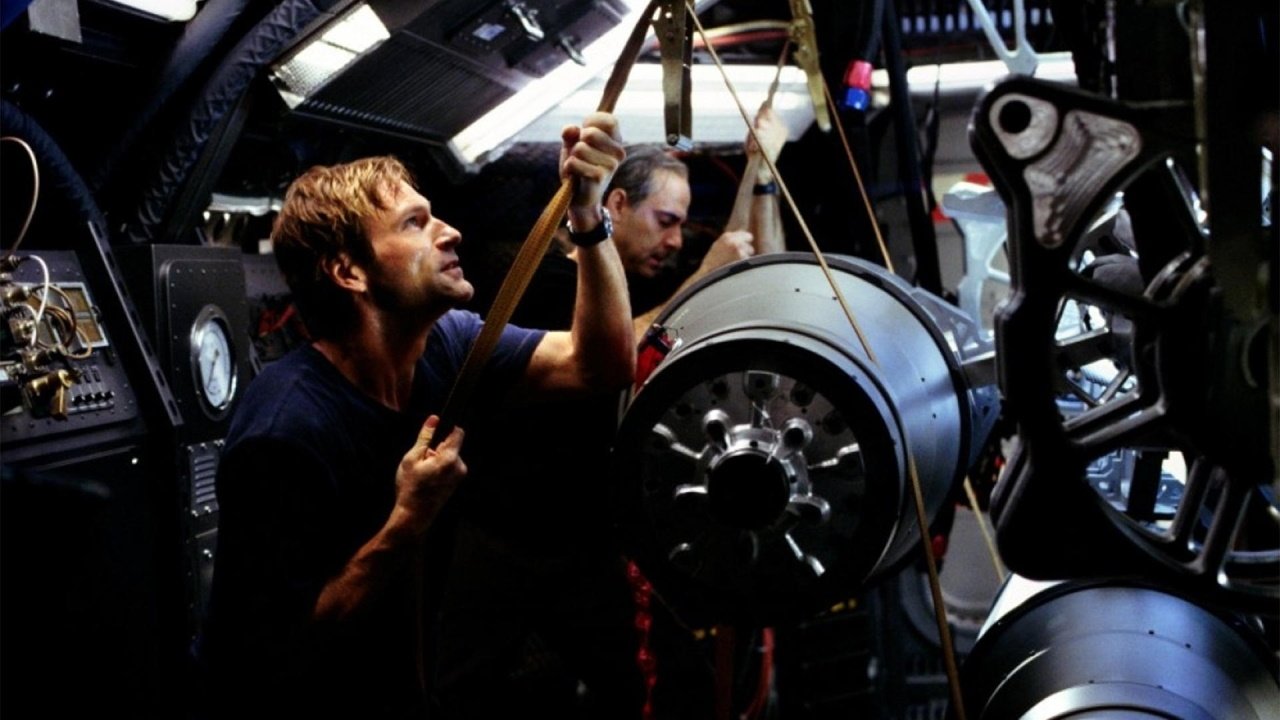
One of the main reasons The Core survives as a cult favorite is the cast. You have Aaron Eckhart playing Dr. Josh Keyes with a floppy-haired, everyman charm that suggests he’s just as confused by the script as we are. Then you have Hilary Swank, fresh off an Oscar win for Boys Don’t Cry (1999) and just a year away from another for Million Dollar Baby (2004). Seeing her pilot a drill through solid rock with the intensity of a Shakespearean tragedy is a joy that modern, irony-poisoned movies rarely provide.
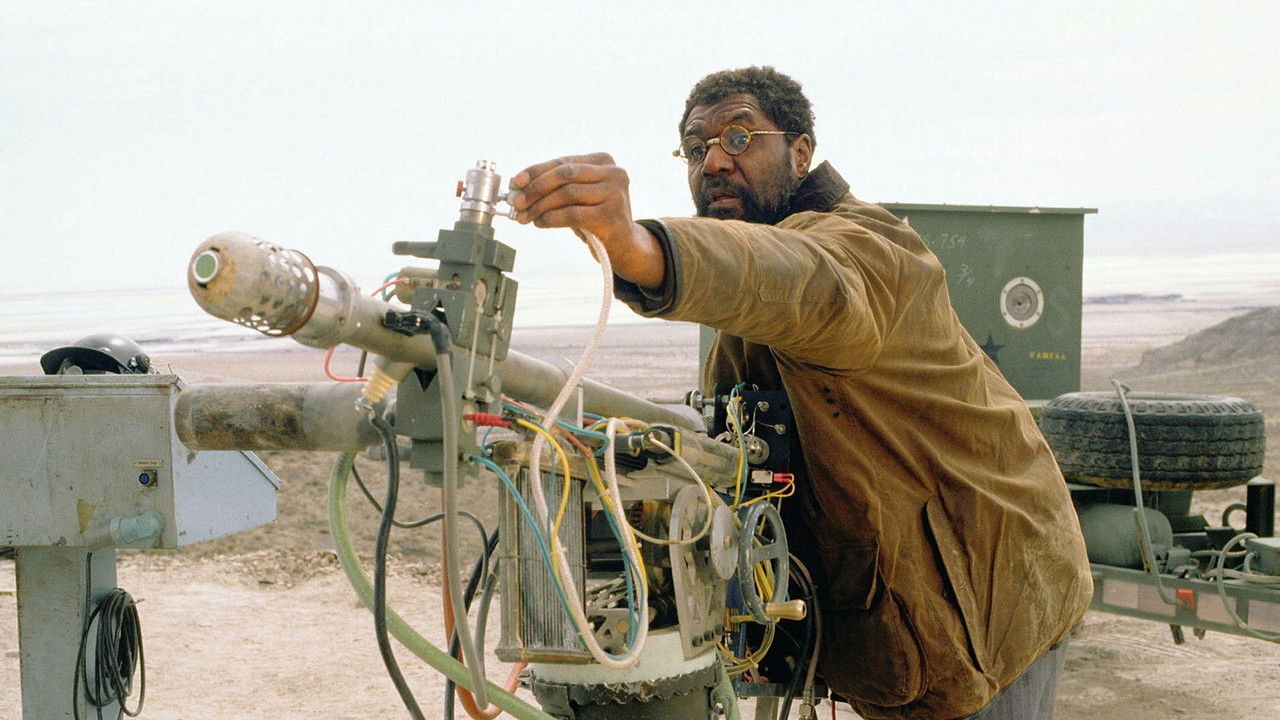
However, the real MVPs are Stanley Tucci and Delroy Lindo. Tucci, playing the arrogant, chain-smoking Dr. Conrad Zimsky, is clearly having the time of his life. He brings a level of haughty, intellectual sass that elevates every scene he’s in. On the flip side, Delroy Lindo (who was so brilliant in Spike Lee's Da 5 Bloods) provides the film’s surprisingly emotional backbone as the man who spent his life building a ship no one believed in. And let's not forget DJ Qualls as "Rat," the world’s greatest hacker who can apparently "reset" the entire internet with a gum wrapper. It’s a very 2003 version of tech-savviness that involves a lot of rapid typing on neon-lit screens.
Why the "Failure" Stuck Around
In retrospect, the CGI is a fascinating time capsule. We were in the awkward teenage years of digital effects. Some shots, like the ship navigating through a forest of giant amethyst crystals, are genuinely creative and visually striking. Others, like the destruction of Rome, look like they were rendered on a high-end toaster. This was the era of the "DVD Special Edition," where we’d spend hours watching behind-the-scenes featurettes about how they built the hydraulic gimbal for the ship’s cockpit. There’s a tactile quality to the sets that gets lost in the "green-screen-everything" era of the modern MCU.
The film's journey from a $60 million disappointment to a late-night cable staple is a classic Hollywood story. It failed because it was released in the shadow of massive franchises like The Lord of the Rings, but it endured because it’s fundamentally a B-movie with an A-list budget. It doesn't want to change your life; it just wants to show you a guy getting crushed by a giant diamond. There’s a refreshing lack of "cinematic universe" world-building here—just a beginning, a middle, and a very explosive end.
The production was notoriously difficult, with the crew having to navigate constant script rewrites. Apparently, the original ending was far darker, but test audiences wanted something more uplifting. Looking back, they made the right call. We don't come to The Core for a meditation on human mortality; we come to watch Tchéky Karyo (the villain from Bad Boys) be a lovable French nuclear weapons expert.
Ultimately, The Core is a loud, illogical, and immensely lovable disaster. It represents a time when studios were willing to throw massive amounts of money at a script that felt like it was written on the back of a cocktail napkin. If you can turn off the part of your brain that remembers high school physics, you’ll find a thrilling adventure fueled by great character actors and a total lack of shame. It’s the perfect movie for a rainy Sunday afternoon when you want to see the world saved by a group of nerds in a metal tube.
Keep Exploring...
-
The Matrix Revolutions
2003
-
The Island
2005
-

X-Men: The Last Stand
2006
-
Babylon A.D.
2008
-

G.I. Joe: The Rise of Cobra
2009
-
Push
2009
-
I Am Number Four
2011
-

Battleship
2012
-

G.I. Joe: Retaliation
2013
-
RoboCop 2
1990
-
Star Trek: Insurrection
1998
-
Final Fantasy: The Spirits Within
2001
-

Jurassic Park III
2001
-
Planet of the Apes
2001
-
Star Trek: Nemesis
2002
-

Paycheck
2003
-
Sky Captain and the World of Tomorrow
2004
-

The Day After Tomorrow
2004
-

War of the Worlds
2005
-

The Day the Earth Stood Still
2008