The Dreamers
"Revolution is a game for three."
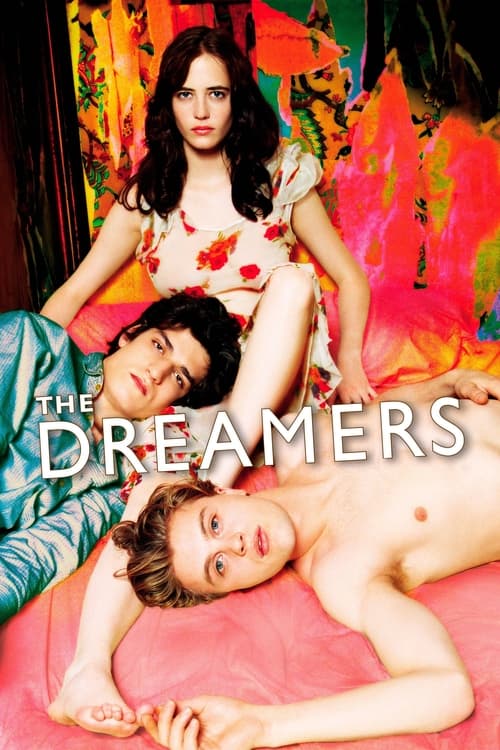
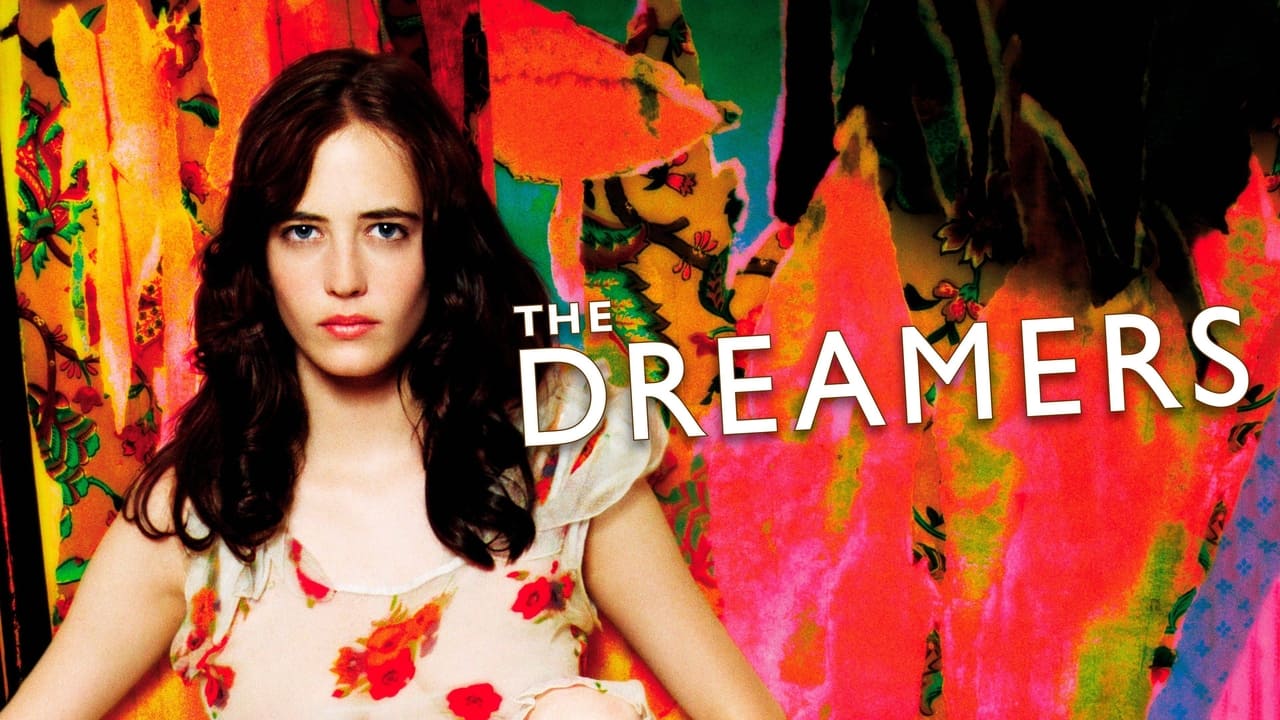
I remember finding the DVD of The Dreamers in the "Staff Picks" section of a dying Hollywood Video back in 2005. The cover—Michael Pitt, Eva Green, and Louis Garrel huddled together—promised a level of European sophistication that my suburban brain wasn't entirely ready for. I watched it in my basement while my roommate was loud-talking on a Nokia flip phone in the next room, and even through the thin walls, the movie felt like a secret. It’s the kind of film that makes you want to smoke hand-rolled cigarettes and pretend you’ve read more Rimbaud than you actually have.
The Church of the Front Row
Bernardo Bertolucci wasn't just making a movie here; he was staging a séance for his own youth. Set in Paris during the 1968 student riots, the film introduces us to Matthew (Michael Pitt), an American exchange student who spends his days at the Cinémathèque Française. This is where he meets the twins, Isabelle (Eva Green) and Theo (Louis Garrel). They don't just like movies; they live inside them.
The first act is a beautiful, dorky tribute to cinephilia. They argue about whether Buster Keaton or Charlie Chaplin is the true king of silent comedy. They recreate the famous Louvre sprint from Jean-Luc Godard’s Bande à part. To me, these are the best parts of the film. It captures that specific, high-octane pretension of being twenty years old and believing that a jump-cut can change the world. Theo is the kind of guy who would definitely explain your own favorite movie to you at a party, and yet, Louis Garrel plays him with such magnetic, pouty arrogance that you'd probably let him finish.
A Three-Way Mirror
Once the parents leave for the country, the trio retreats into a sprawling, labyrinthine apartment that feels less like a home and more like a stage. This is where the "Modern Cinema" transition of the early 2000s really shows its teeth. Following the 90s indie boom, there was a brief window where high-concept, sexually transgressive dramas could actually get a decent budget. The Dreamers cost $15 million, which is essentially a $15 million student film with a much higher budget for wine and nudity.
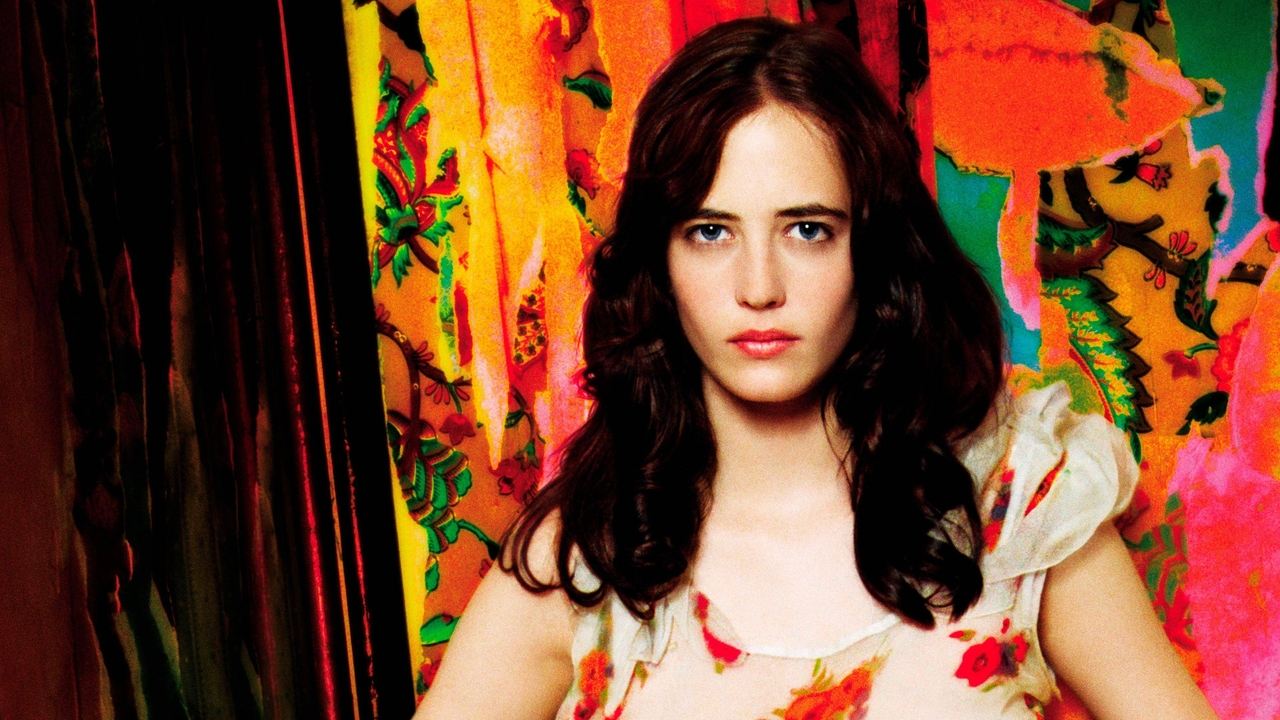
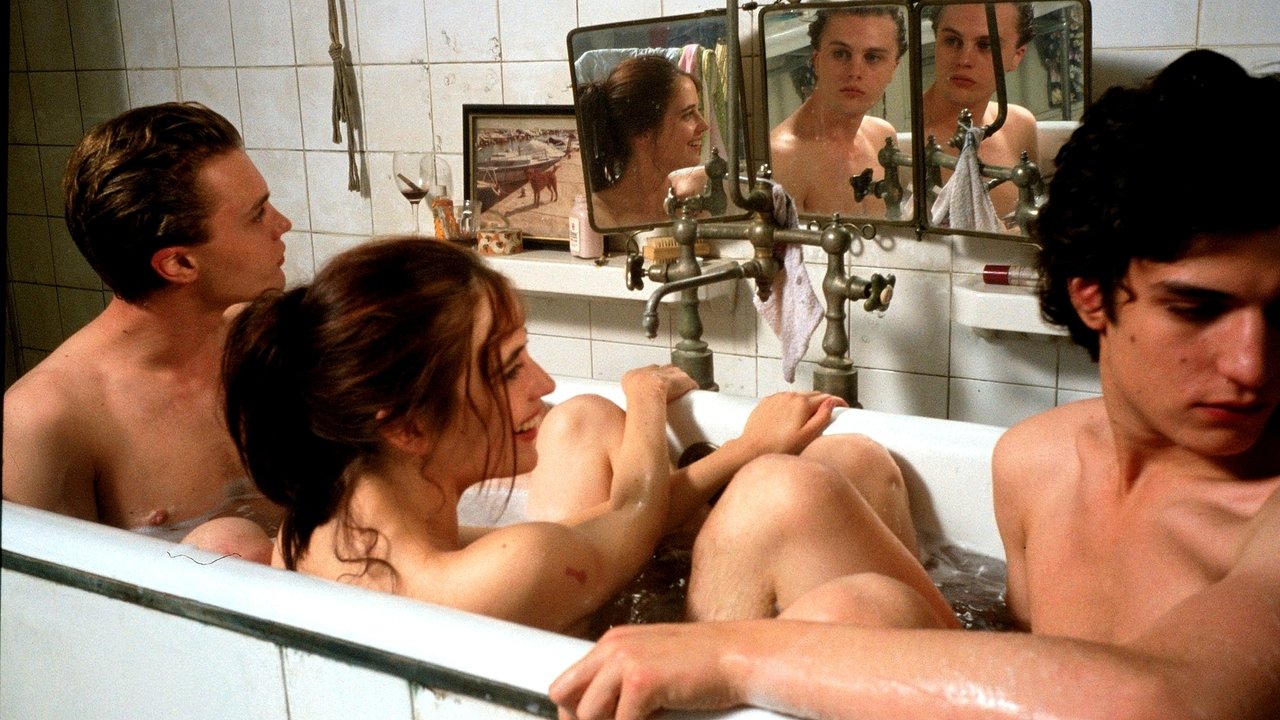
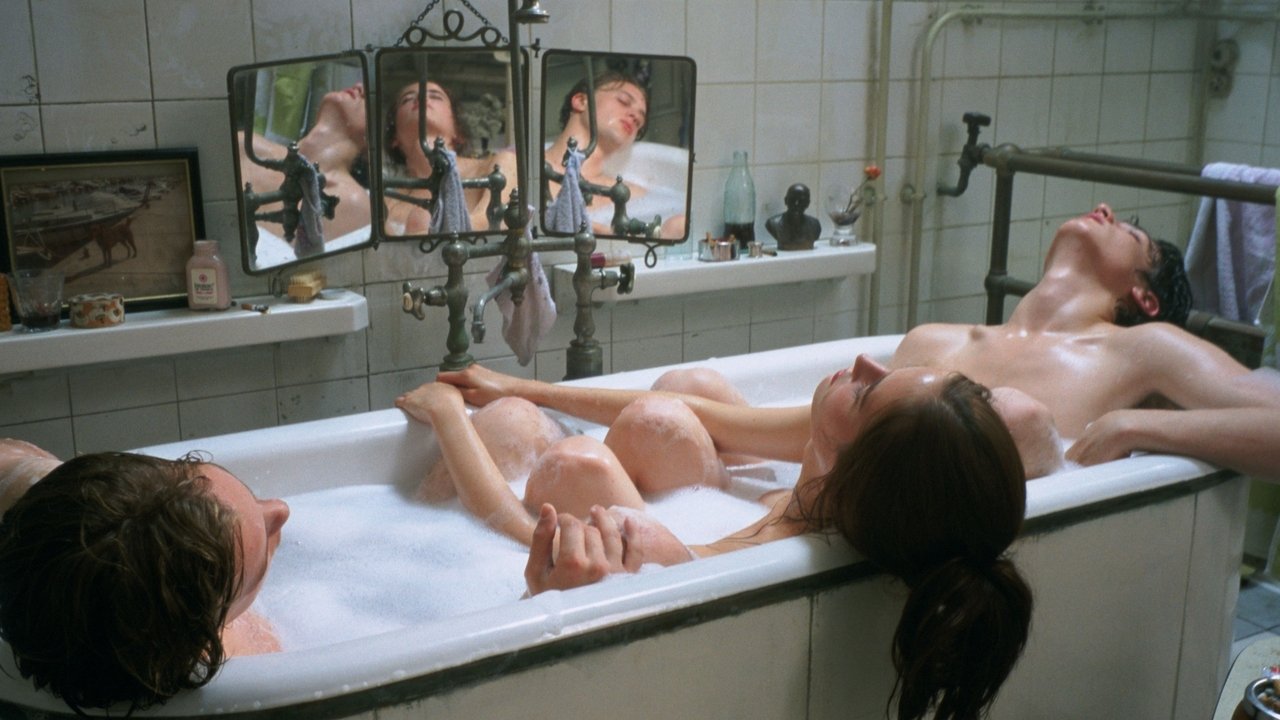
The performances are what keep the whole thing from floating away into pure vanity. This was Eva Green’s debut, and she arrives on screen like a lightning strike. She’s luminous, terrifying, and deeply fragile all at once. Her chemistry with Louis Garrel is intentionally unsettling—they share a bathtub and a bed with a lack of boundaries that makes Matthew (and us) feel like a voyeur. Michael Pitt plays the "American observer" perfectly; he’s a bit of a blank slate, the human equivalent of a confused golden retriever trying to keep up with two feral cats.
The drama isn't found in a traditional plot—nothing "happens" in the way a Hollywood script doctor would want—but in the shifting power dynamics. They play "forfeits," a high-stakes game of truth-or-dare where the loser has to perform sexual acts or face public humiliation. It’s sweaty, uncomfortable, and deeply intimate. Fabio Cianchetti’s cinematography handles the cramped quarters of the apartment brilliantly, making the space feel both like a sanctuary and a prison.
When the Riot Breaks the Glass
The cult legacy of The Dreamers largely stems from its "unrated" status during the peak of the DVD era. Before streaming made everything accessible, owning this DVD was a rite of passage for film students. But looking back, the "Stuff You Didn't Notice" is actually more interesting than the scandal.
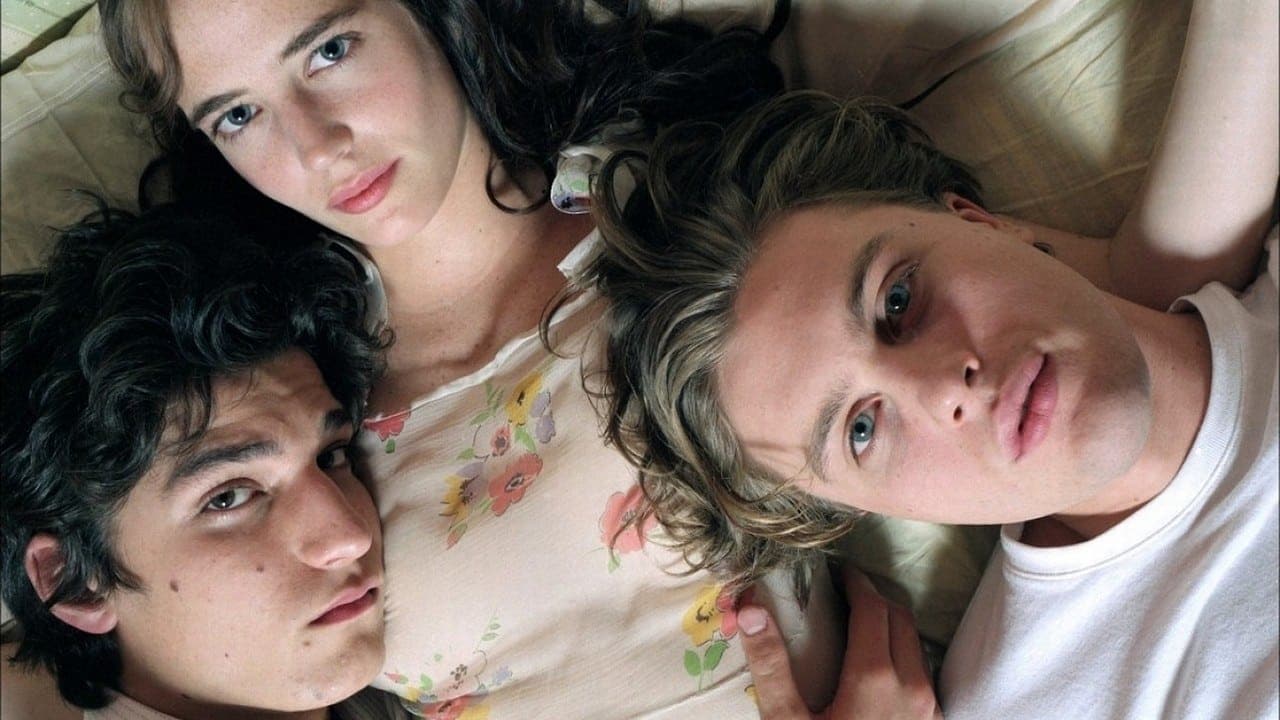
Apparently, during the scene where Isabelle’s hair catches fire while she’s sleeping, that wasn't a special effect—Eva Green’s hair actually caught fire, and she just kept acting. That’s the kind of dedication that defines the film. Also, the guy shouting about the Cinémathèque at the beginning? That’s Jean-Pierre Kalfon, a real veteran of the French New Wave, and the footage of the riots includes actual clips of the 1968 protests, seamlessly blended with the new footage. It’s a bridge between the analog past Bertolucci loved and the digital future he was stepping into.
The film's biggest gamble is its ending. For nearly two hours, the trio ignores the revolution happening right outside their balcony. They eat trash, drink expensive wine, and debate film theory while Paris burns. When a brick finally crashes through their window, it’s a literal breaking of the "fourth wall" of their isolation. I’ve always found the ending a bit jarring, but maybe that’s the point. Reality is a rude awakening.
The Dreamers is a deeply indulgent, often pretentious, and undeniably gorgeous piece of filmmaking. It captures the exact moment when the "Indie Film Renaissance" of the 90s met the polished, international co-productions of the 2000s. It’s not a movie for everyone—if you don't care about the difference between a tracking shot and a pan, you might find them insufferable. But if you’ve ever felt like life only makes sense when it’s projected on a screen, this is your tribe. It’s a film about the danger of dreaming too hard, and the inevitable mess that happens when you finally wake up.
Keep Exploring...
-
10 Things I Hate About You
1999
-
Cruel Intentions
1999
-
Coyote Ugly
2000
-
High Fidelity
2000
-
Frida
2002
-
Punch-Drunk Love
2002
-

Match Point
2005
-
Stranger Than Fiction
2006
-
The Fountain
2006
-
The Illusionist
2006
-
The Lake House
2006
-
5 Centimeters per Second
2007
-
High School Musical 2
2007
-
Revolutionary Road
2008
-

The Other Boleyn Girl
2008
-
The Wrestler
2008
-

Vicky Cristina Barcelona
2008
-
The Best Offer
2013
-
Meet Joe Black
1998