The Jungle Book 2
"The rhythm is back, but the magic is thinner."
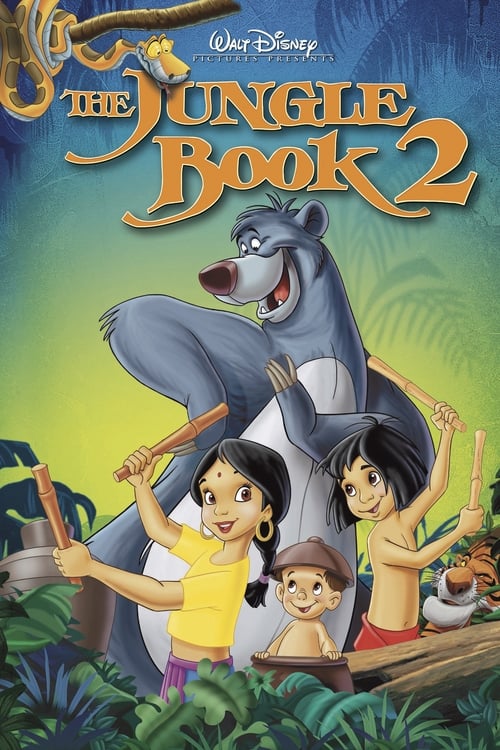
I remember sitting in a sticky-floored multiplex back in February 2003, nursing a lukewarm cup of blue raspberry Icee that was slowly turning my teeth an unnatural shade of cerulean. It was an odd time for Disney. We were in the thick of the "Direct-to-Video Sequel" gold rush, a period where the studio realized they could print money by making lower-budget follow-ups to their crown jewels. Usually, these landed straight on the shelf next to your VHS player, but The Jungle Book 2 was one of the few that made the jump to the big screen. Watching it then—and revisiting it now—feels like catching up with an old friend who has exactly two new stories to tell and then just starts repeating the jokes you both laughed at twenty years ago.
The Great DisneyToon Gamble
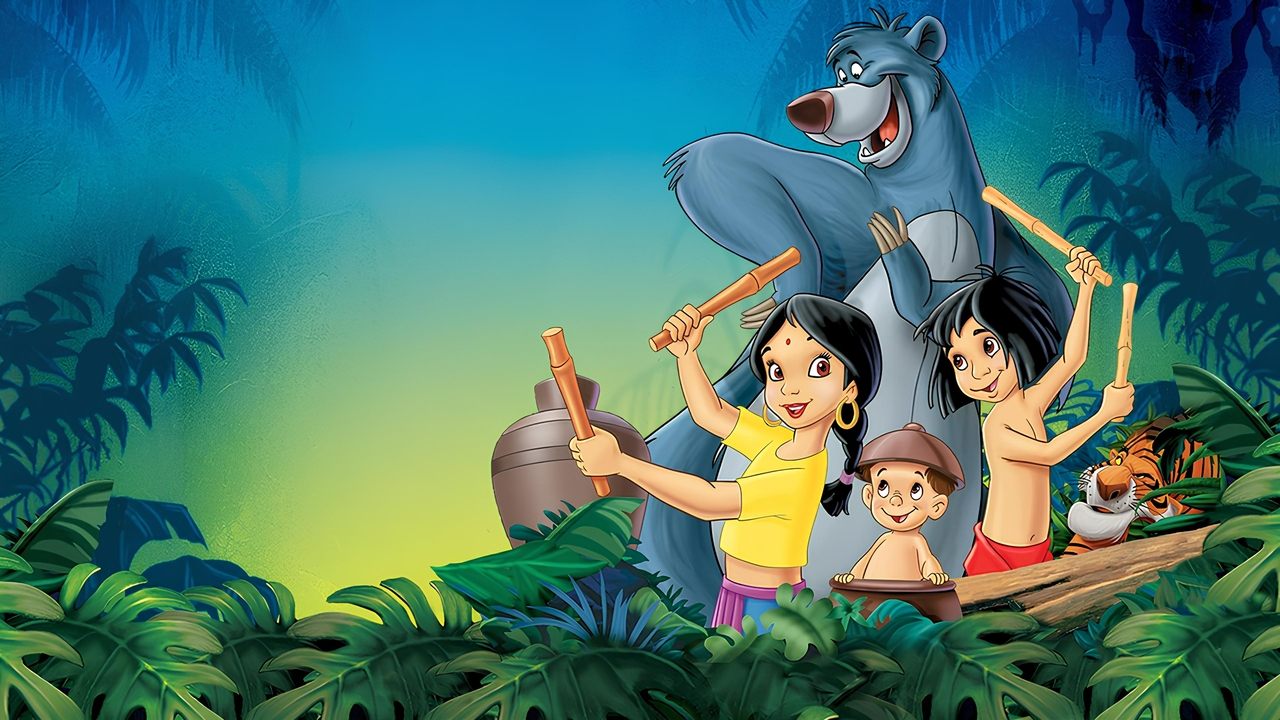
At just 72 minutes (and that includes a very generous credit crawl), The Jungle Book 2 is less of an epic adventure and more of a "greatest hits" remix. Produced by DisneyToon Studios, the division responsible for things like A Goofy Movie and The Lion King 1½, this film was originally destined for a quiet life on DVD. However, after the theatrical success of Return to Never Land (2002), Disney decided to give Mowgli the wide-release treatment. It was a brilliant business move: the film cost a modest $20 million and raked in over $135 million globally. Looking back, it captures that early-2000s corporate strategy perfectly—leveraging nostalgia before "legacy sequels" were even a formal Hollywood buzzword.
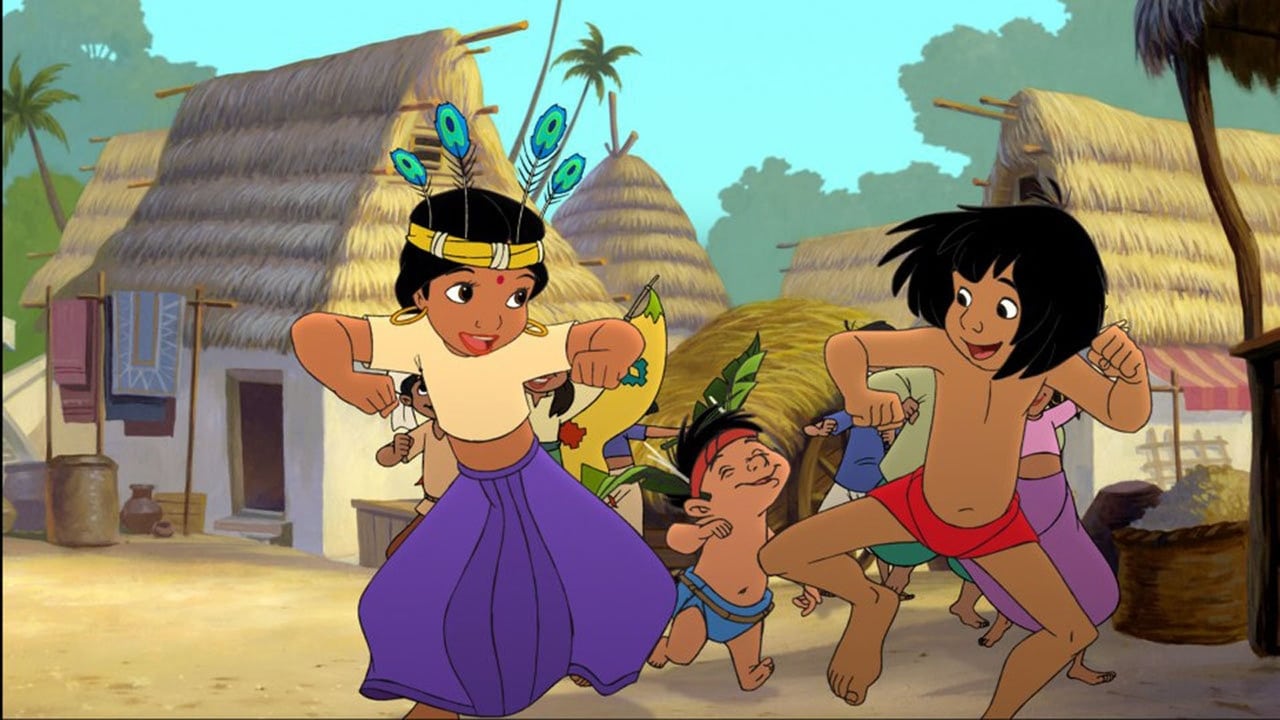
The animation, handled largely by Disney's Sydney-based studio, is bright and competent, but it lacks the smoky, Xerox-sketched soul of the 1967 original. There’s a digital cleanliness here that feels a bit too "Saturday Morning Cartoon" for a theatrical release. It’s missing those beautiful, multiplane-camera jungle depths that made the first film feel like a living painting. Instead, we get a vibrant, flatter version of India that feels more like a theme park attraction than a wild, dangerous frontier.
The Bear, the Boy, and the Big Shoes
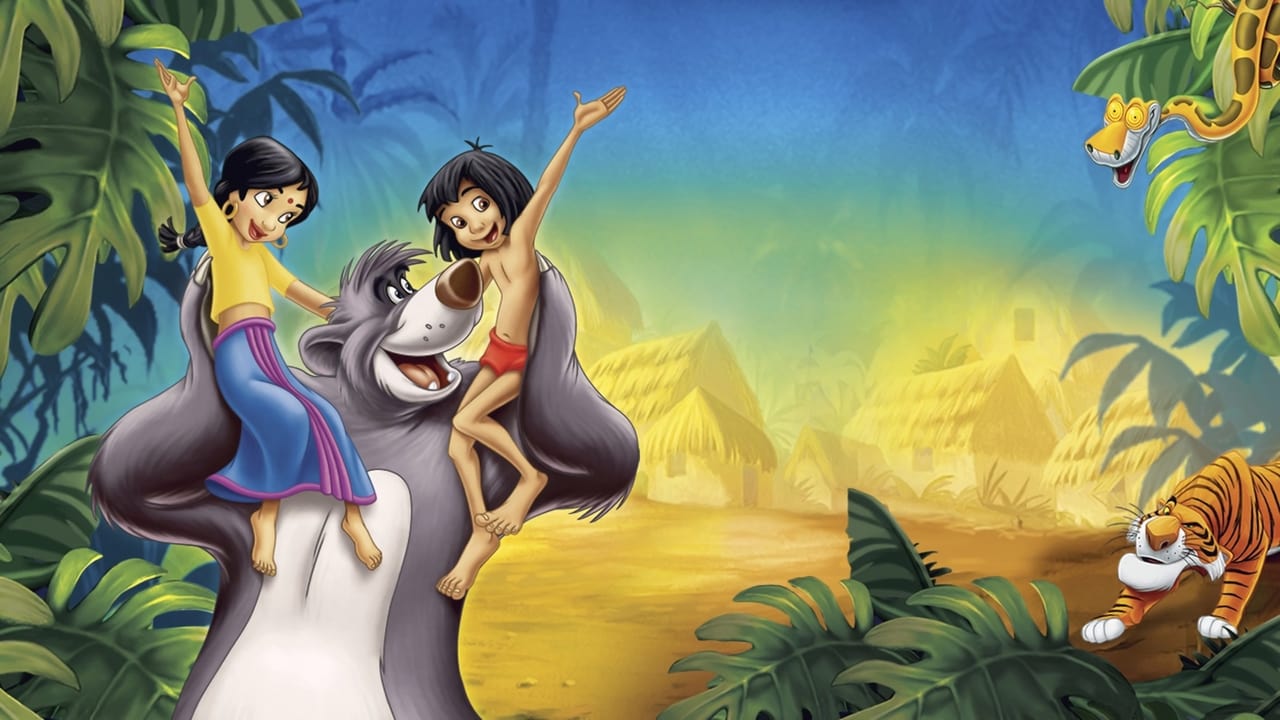
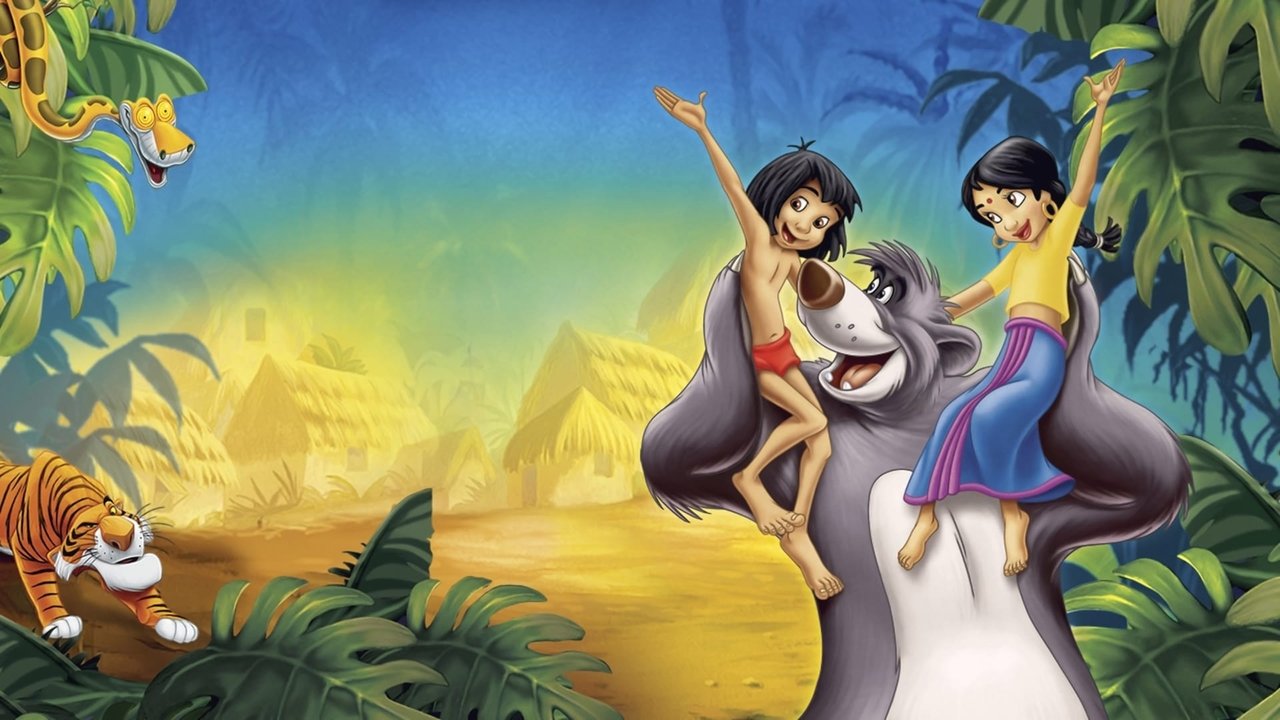
The real challenge of any Jungle Book project is the voice cast. You aren't just replacing actors; you’re replacing legends like Phil Harris and Sebastian Cabot. I’ve always felt that John Goodman was the only human being on the planet capable of stepping into Baloo’s paws. He doesn't just do an impression; he captures the "papa bear" warmth and the jazz-inflected laziness that defines the character. Opposite him, Haley Joel Osment—then the biggest child star in the world after The Sixth Sense—brings a more grounded, slightly more mature "Man-Cub" to the table. Mowgli is now living in the village, struggling with chores and the structured life of a human, which gives the film a relatable "fish out of water" hook.
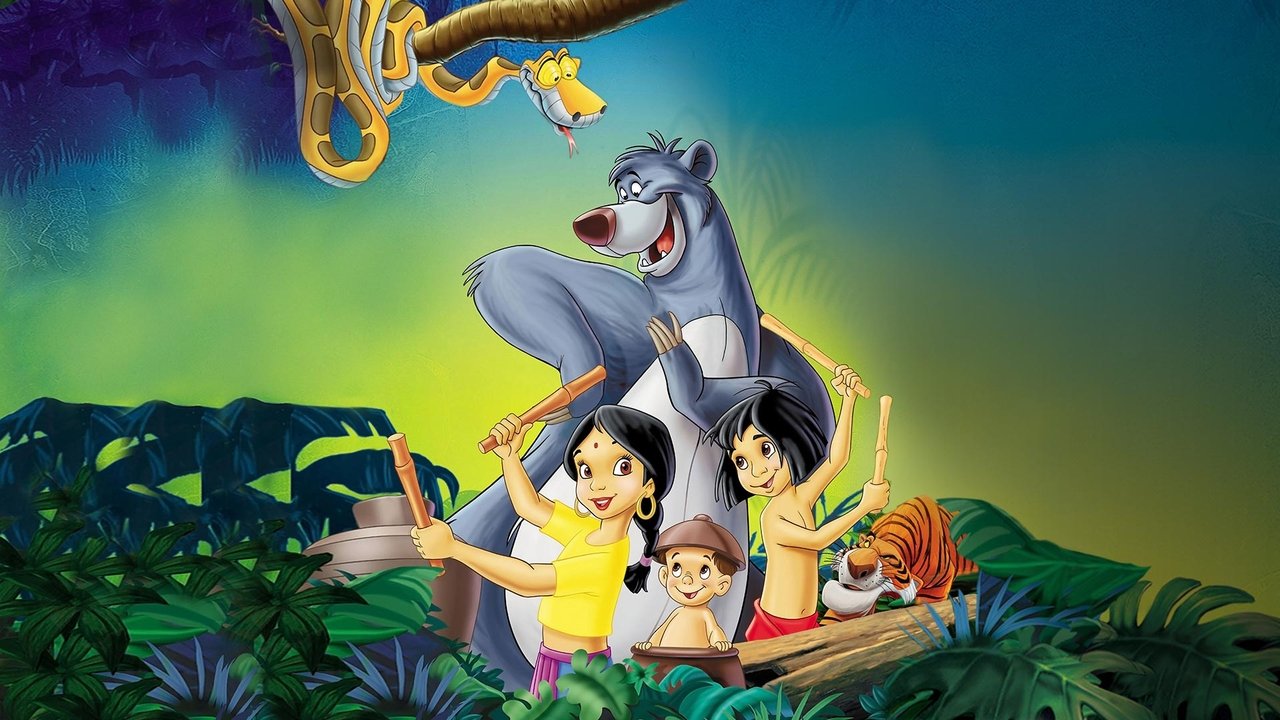
The dynamic between Mowgli and his new friend Shanti, voiced by a young Mae Whitman (years before she became a cult favorite in Arrested Development and Scott Pilgrim), adds a needed layer of stakes. We also get Connor Funk as Ranjan, the "cute younger sibling" character who seems specifically designed to sell plush toys at the Disney Store. But the real scene-stealer remains Tony Jay as Shere Khan. Tony Jay had one of the most menacing voices in history—he played Frollo in The Hunchback of Notre Dame—and he makes Shere Khan feel like a genuine, looming threat, even when the script doesn't give him quite enough to do. His voice sounds like velvet soaked in arsenic, and it’s easily the highlight of the film’s vocal performances.
A Journey on Repeat
As an adventure film, the "journey" here is mostly a circle. Mowgli misses the jungle, Baloo misses the kid, they reunite, Shere Khan tries to eat them, and everyone ends up roughly where they started. The film is terrified of letting a scene go by without a musical number, leading to a "Bare Necessities" reprise that feels like the movie is desperately checking its watch. It’s a bit of a cinematic snack-pack: sweet, gone in three bites, and lacking any nutritional value.
What’s interesting about this era of Disney sequels is how they functioned as a bridge. We were transitioning from the hand-drawn mastery of the 90s Renaissance into the CG-dominated future. The Jungle Book 2 feels like a stubborn holdout, using digital tools to mimic a classic style while cutting just enough corners to stay under budget. It’s a film that exists because the spreadsheets said it should, yet the sheer charisma of the characters manages to keep it afloat.
Apparently, John Goodman recorded his lines in New Orleans while Haley Joel Osment was in New York and California, a testament to how the digital era was already making the world smaller for production teams. Also, keep an ear out for Bob Joles, who does a Herculean job filling in for the late Sebastian Cabot as Bagheera; he captures that specific "British headmaster" exasperation perfectly.
If you have a toddler who has watched the original 1967 film into the ground, this is a harmless, colorful way to kill an hour on a rainy Sunday. It captures the rhythm of the jungle, but it misses the heartbeat. It’s a pleasant enough distraction that reminds us why the original was a masterpiece, without ever quite threatening to join its ranks. It’s the cinematic equivalent of a cover band—they know all the notes, but they didn’t write the song.
Keep Exploring...
-
Return to Never Land
2002
-
The Jungle Book
1967
-
Pocahontas II: Journey to a New World
1998
-
Pokémon the Movie 2000
1999
-

Ice Age: The Meltdown
2006
-
Shrek the Third
2007
-
Horton Hears a Who!
2008
-
Madagascar: Escape 2 Africa
2008
-
Mickey, Donald, Goofy: The Three Musketeers
2004
-
101 Dalmatians II: Patch's London Adventure
2003
-
The Lion King 1½
2004
-

Bee Movie
2007
-
Jimmy Neutron: Boy Genius
2001
-
TMNT
2007
-

Ice Age: Dawn of the Dinosaurs
2009
-
Shrek Forever After
2010
-

Puss in Boots
2011
-
Rio
2011
-
The Smurfs
2011
-
Ice Age: Continental Drift
2012