The Last Samurai
"Honor is a blade that cuts both ways."

The first time I saw the samurai emerge from the fog in the Yoshino Mountains, I was so gripped by the tension that I accidentally dumped an entire bowl of salted edamame into my lap. It was a mess, but I didn't move a muscle to clean it up. There is a specific, heavy atmosphere in The Last Samurai that demands your total stillness. Directed by Edward Zwick (who previously explored the grim realities of war in Glory), this 2003 epic arrived at a fascinating crossroads in cinema history. It was the tail end of the era where a $140 million budget could be spent on thousands of hand-stitched suits of armor and actual horses rather than a digital rendering farm.
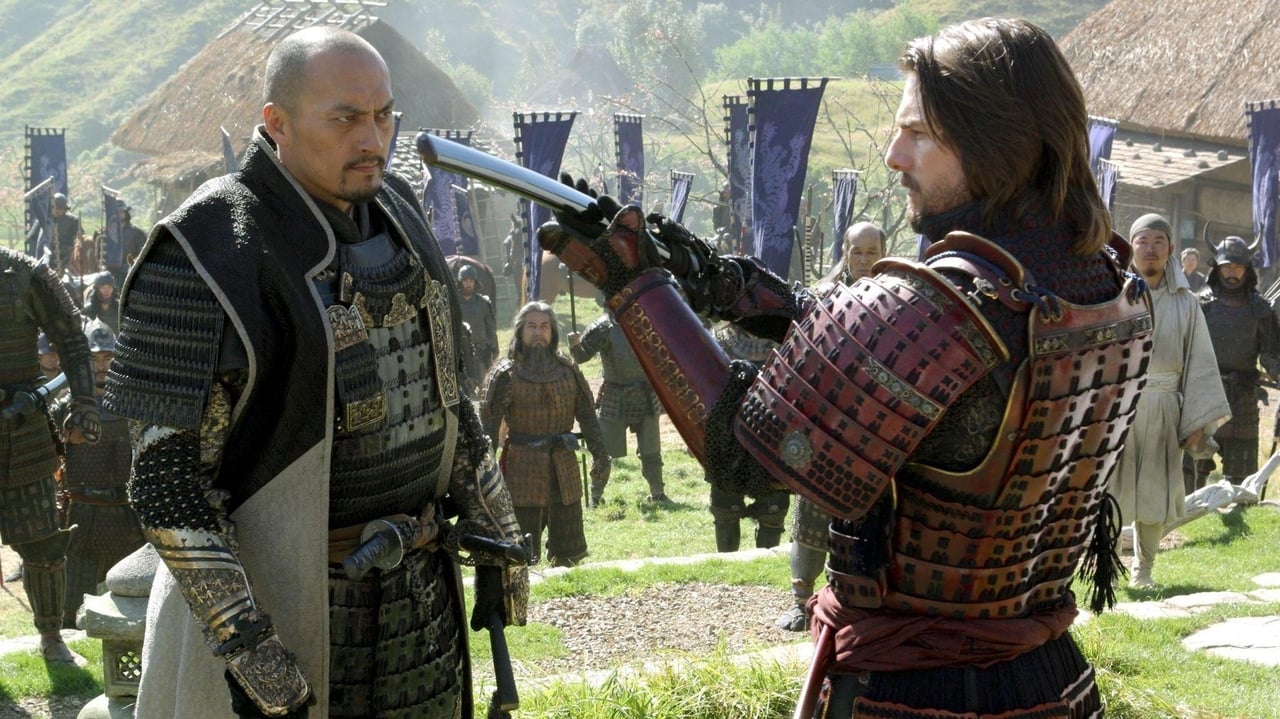
Looking back, this film feels like a bridge. It carries the DNA of the 90s historical epic—think Braveheart—but infuses it with the burgeoning technical precision of the early 2000s. It’s a movie that sits heavy in the chest, partly because it arrived in a post-9/11 world where Western audiences were grappling with the cost of modern warfare and looking for a lost sense of "honor" in the wreckage of the new century.
The Education of Nathan Algren
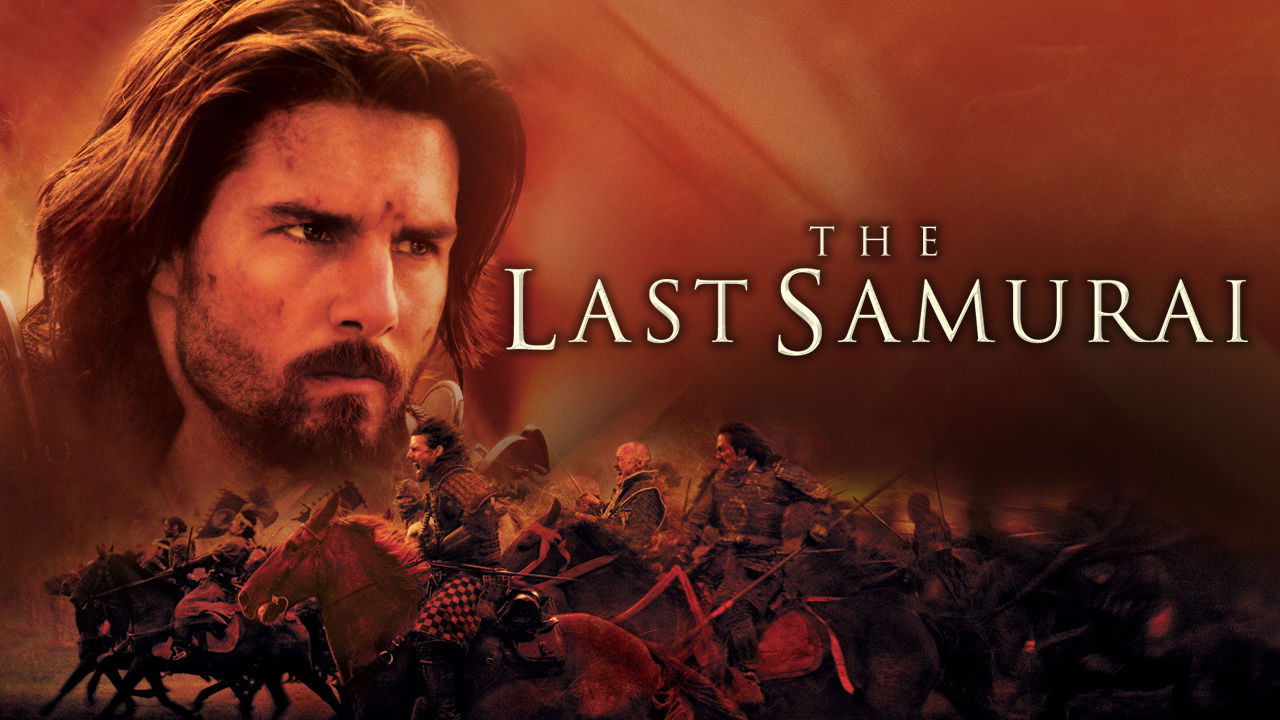
We usually think of Tom Cruise as the guy who runs very fast toward a ticking clock, but in The Last Samurai, he does something much harder: he sits still. As Nathan Algren, a burnt-out Civil War vet drowning his PTSD in Winchester rifle endorsements and cheap whiskey, Cruise gives one of his most restrained performances. He’s hired by the Japanese government (represented by a delightfully oily Tony Goldwyn, who played the villain in Ghost) to modernize their army.
But the movie doesn't really start until Algren is captured by the very "insurgents" he was supposed to suppress. This is where the film makes its smartest move. Instead of the typical "White Savior" trope where the outsider teaches the locals how to win, Algren is the one who is consistently schooled. He is a bumbling, loud-mouthed amateur in a village of disciplined masters. I’ve always felt that Algren is essentially a glorified exchange student who happens to be very good at killing people.
The heart of the film isn't the war; it's the relationship between Algren and Lord Katsumoto, played by Ken Watanabe in a performance that didn't just launch his Hollywood career—it dominated the screen. When Watanabe speaks, the movie slows down. His presence is so gravitational that even Cruise seems happy to orbit him. Their conversations about cherry blossoms and "perfect" moments provide the necessary quiet before the inevitable, thunderous noise of the third act.
The Weight of the Blade
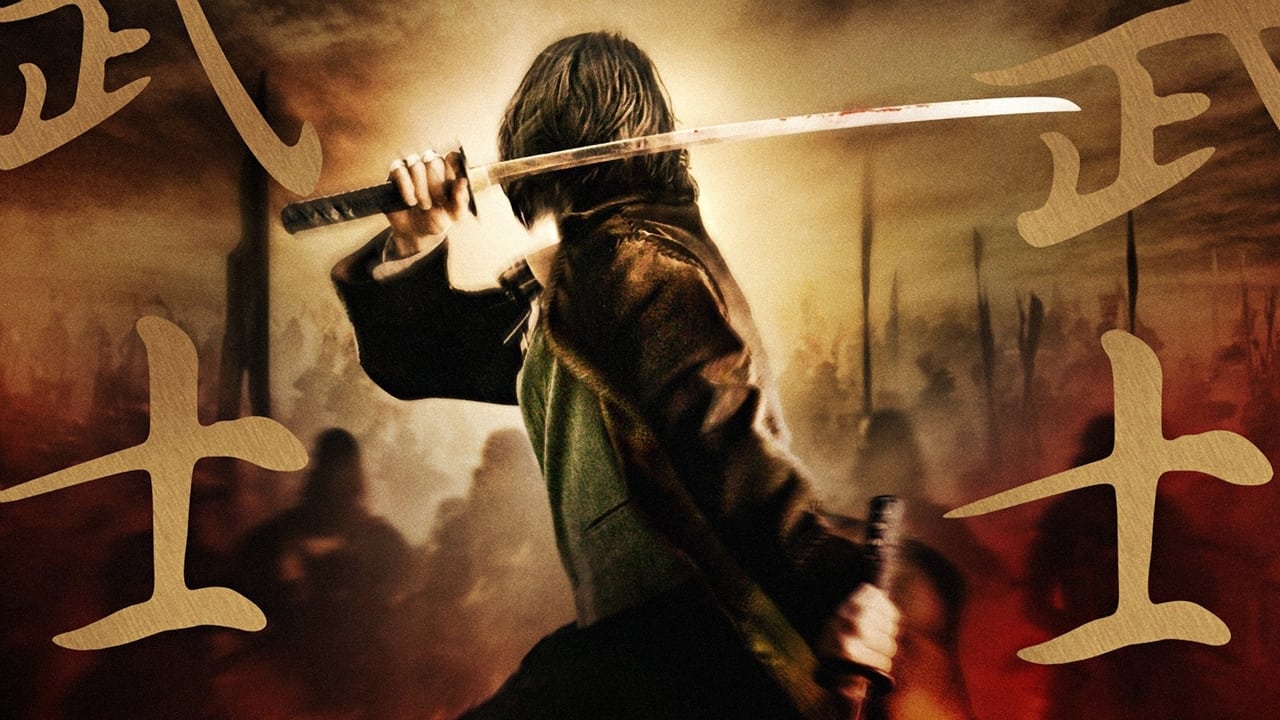
From an action standpoint, The Last Samurai is a masterclass in physical stakes. The choreography, overseen by high-level martial arts coordinators, avoids the "wire-fu" trends that were popular post-The Matrix. Instead, the swordplay feels heavy, jagged, and terrifyingly fast. There’s a scene where Algren is ambushed by four ninjas in the rain, and you can practically feel the dampness of the wood and the slickness of the blood. It’s not "cool" action; it’s desperate, claustrophobic survival.
The production scale here is staggering. To capture the final battle, Zwick didn't just lean on the budding CGI of the era. He brought in over 500 extras, trained them for months, and let them loose on a field in New Zealand. This was the era of the DVD "Special Features" boom, and I remember watching the behind-the-scenes segments where they explained the logistics of the Gatling gun sequences. The mechanical clatter of those early machine guns against the rhythmic hoofbeats of a cavalry charge creates a terrifying sonic contrast. It’s the sound of the 20th century arriving to murder the 19th.
The film does lean into a romanticized, almost mythical version of the Samurai (the "Bushido" code presented here is more of a poetic ideal than historical fact), but within the world Zwick creates, it works. The cinematography by John Toll (Braveheart, The Thin Red Line) uses a palette of deep greens and burning autumnal oranges that makes the eventual transition to the cold, grey steel of the modern army feel like a genuine tragedy.
A Blockbuster with a Soul
Financially, The Last Samurai was a monster, pulling in over $456 million worldwide. It’s interesting to note that it actually performed better in Japan than it did in the United States, a rarity for a Hollywood production of this scale. It resonated because it treated its subject matter with a somber, almost religious intensity. Even the score by Hans Zimmer—before he moved into his more experimental, "BWAHH"-heavy Inception phase—is sweeping and mournful, favoring flutes and taiko drums over traditional orchestral bombast.
The supporting cast is equally vital. Hiroyuki Sanada (who you might know from John Wick: Chapter 4 or Shogun) is terrifying as Ujio, the swordsman who hates Algren’s guts. His transition from predator to brother-in-arms is handled through sweat and silence rather than clunky dialogue. Then there's Timothy Spall, providing much-needed levity as the British translator Simon Graham, acting as our surrogate in a world that feels increasingly alien.
Looking back twenty years later, the film’s critique of "modernization" at the cost of the soul feels even more pointed. We live in the world the "villains" of this movie built—one of efficiency, trade, and the erasure of the inconveniently ancient. Watching Algren trade his uniform for a suit of red armor still feels like a radical, if doomed, act of rebellion.
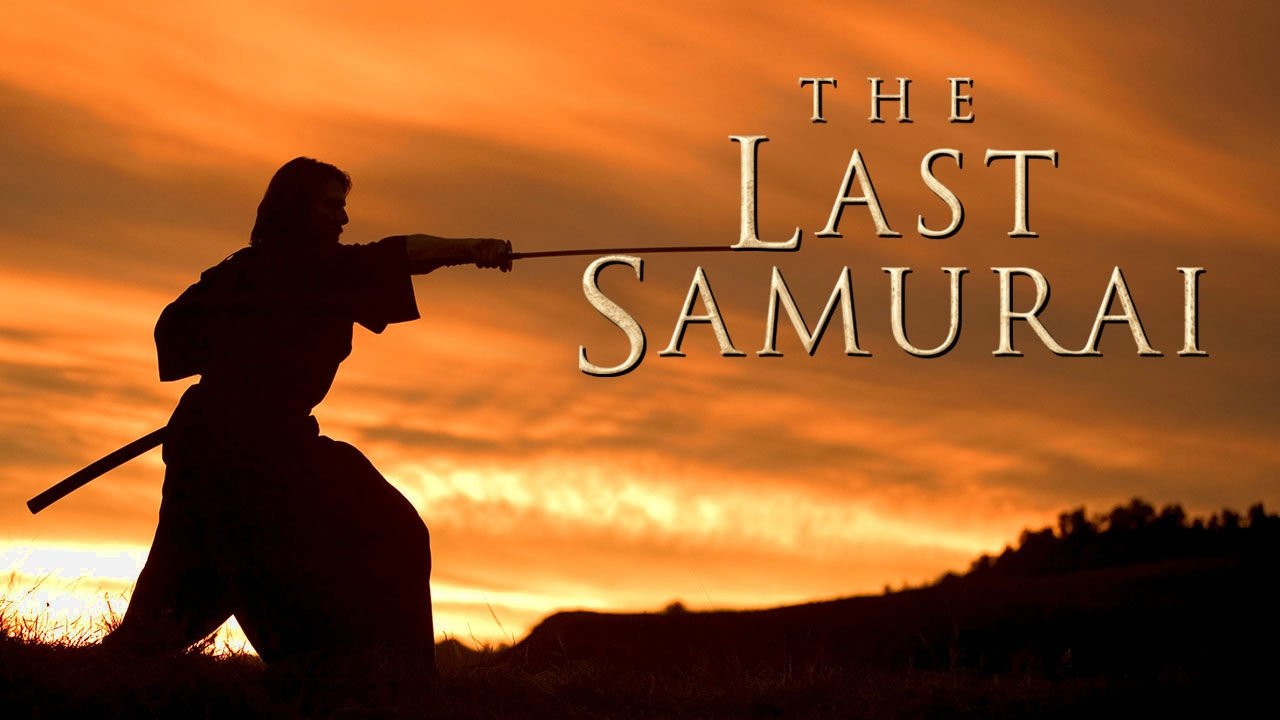
The Last Samurai is a rare breed of blockbuster that treats its audience like adults. It’s a film that understands that for an action sequence to matter, the silence preceding it must be absolute. It may take some liberties with history, but it is unflinching in its depiction of the end of an era. If you haven't revisited it since the days of standard-definition DVDs, it’s time to see those cherry blossoms in 4K. Just keep a tight grip on your snacks when the fog starts to roll in.

Keep Exploring...
-

Legends of the Fall
1994
-
Defiance
2008
-
Blood Diamond
2006
-
Red Cliff
2008
-

Fury
2014
-
The Patriot
2000
-
Kingdom of Heaven
2005
-
Lone Survivor
2013
-
Letters from Iwo Jima
2006
-
The Siege
1998
-
The Bourne Identity
2002
-

The Bourne Supremacy
2004
-
300
2007
-
The Bourne Ultimatum
2007
-

Braveheart
1995
-
Crimson Tide
1995
-
Minority Report
2002
-
Collateral
2004
-

Love & Other Drugs
2010
-
Sweeney Todd: The Demon Barber of Fleet Street
2007