The Life of David Gale
"To prove the system wrong, he had to die."
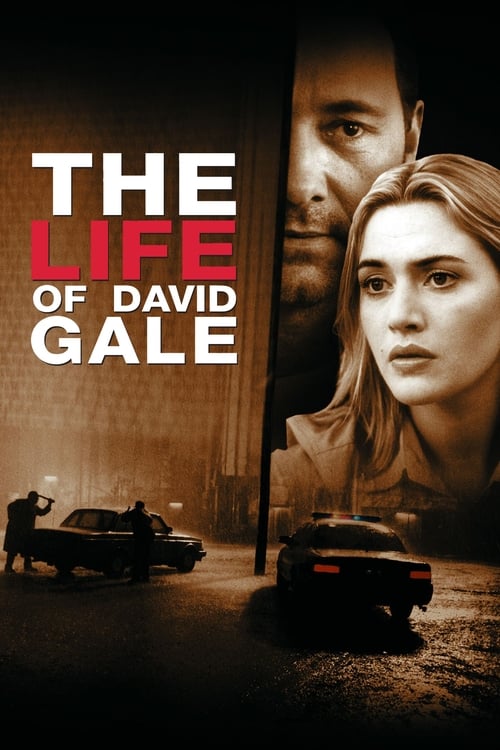
There is a specific kind of silence that follows the end credits of The Life of David Gale. It’s the kind of silence where you aren't entirely sure if you’ve just witnessed a profound moral statement or a beautifully shot magic trick designed to make you look the wrong way. I first watched this on a DVD I borrowed from a library in 2005, and I remember the disc was so scratched it skipped right as Kate Winslet was running toward the prison—an accidental metaphor for the film’s frantic, stuttering race against the clock.

Directed by Alan Parker—his final film before retirement—this is a movie that feels like it belongs to a vanished species: the mid-budget, star-driven, high-concept "prestige thriller." It’s a film that wants to be an intellectual heavyweight about the ethics of the death penalty, but it’s dressed in the trench coat of a noir mystery. It’s messy, polarizing, and deeply intense, and looking back two decades later, it serves as a fascinating time capsule of Y2K-era social anxiety.
The Martyrdom of the Smug Intellectual
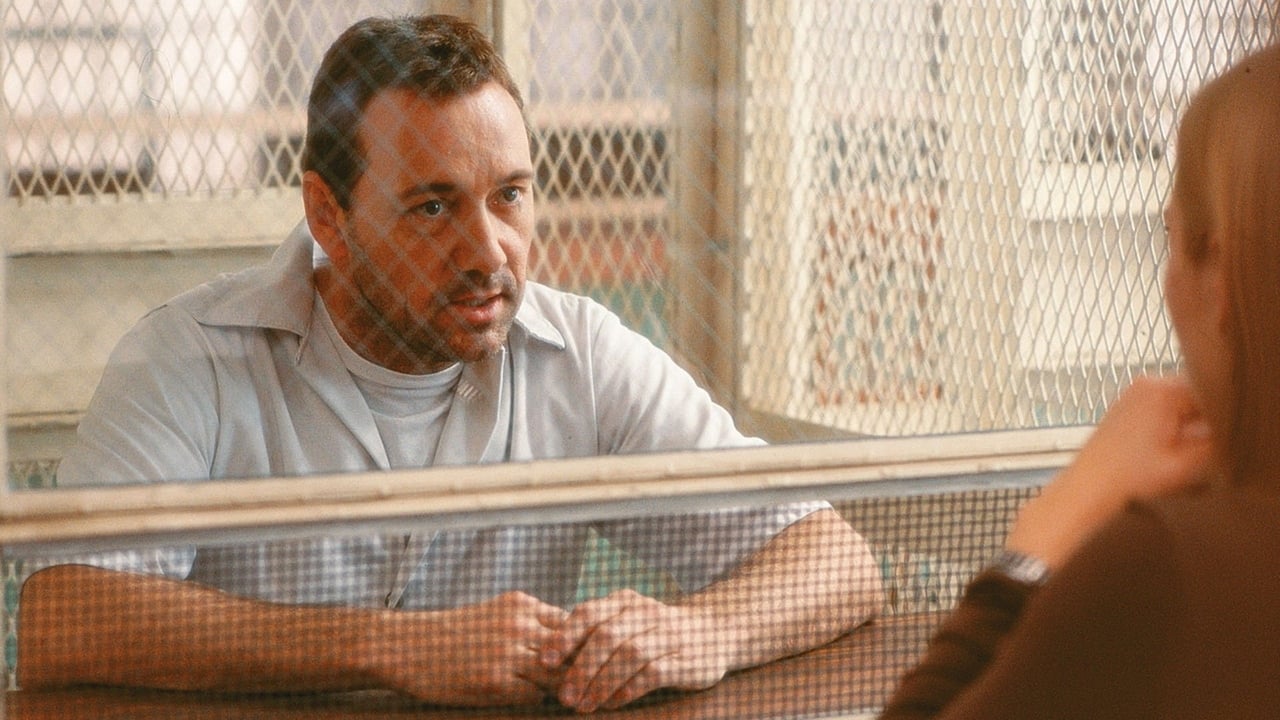
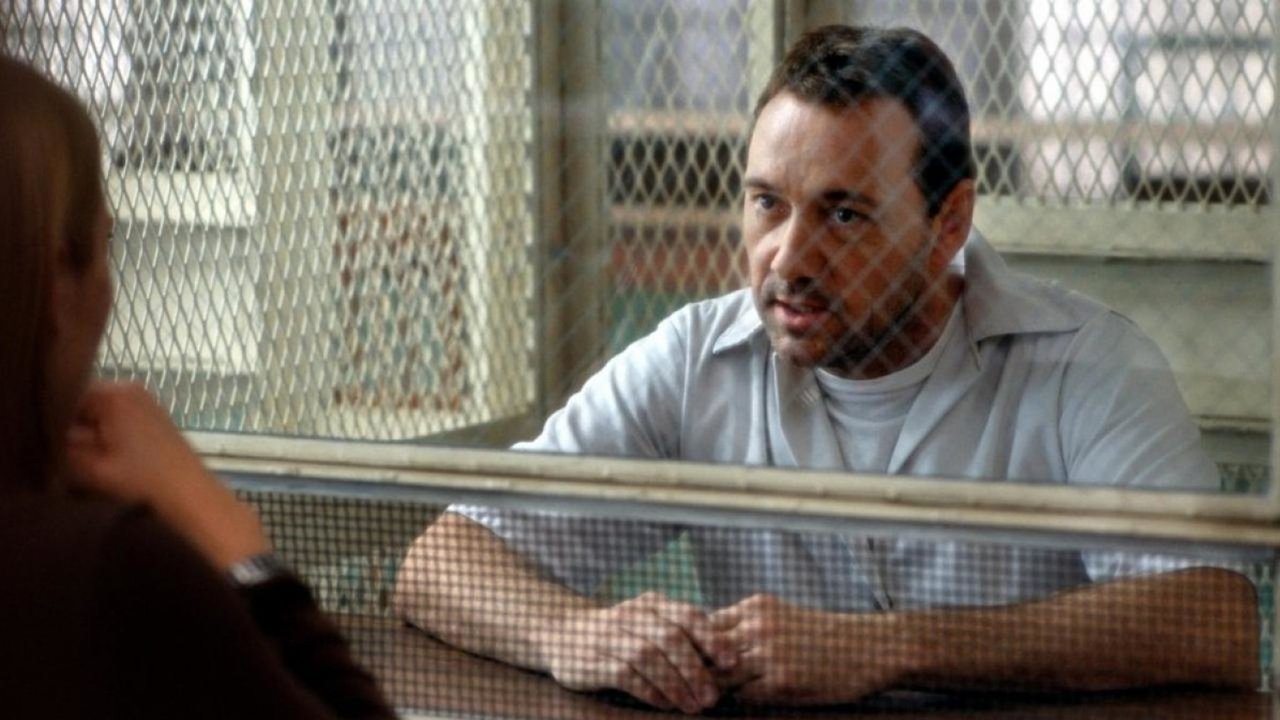
The setup is pure Hitchcockian nightmare. David Gale (Kevin Spacey) is a philosophy professor and a titan of the anti-death penalty movement who finds himself on death row for the rape and murder of his closest friend and fellow activist, Constance Hallaway (Laura Linney). With four days left until his execution, Gale agrees to an exclusive interview with Bitsey Bloom (Kate Winslet), a hard-nosed journalist known for protecting her sources.
Kevin Spacey plays Gale with that specific brand of intellectual superiority he specialized in during the late 90s. He’s a man who quotes Jacques Lacan while his life falls apart, and your enjoyment of the film often hinges on whether you find his "tragic genius" routine compelling or a Rube Goldberg machine of unearned ego. Opposite him, Kate Winslet is doing a lot of heavy lifting. This was a post-Titanic but pre-The Reader Winslet, and she brings a physical, sweaty desperation to Bitsey that grounds the film’s more outlandish plot turns. When she realizes the man she’s interviewing might actually be innocent, the movie shifts from a psychological drama into a flat-out race against the executioner’s needle.
A Texas-Sized Identity Crisis
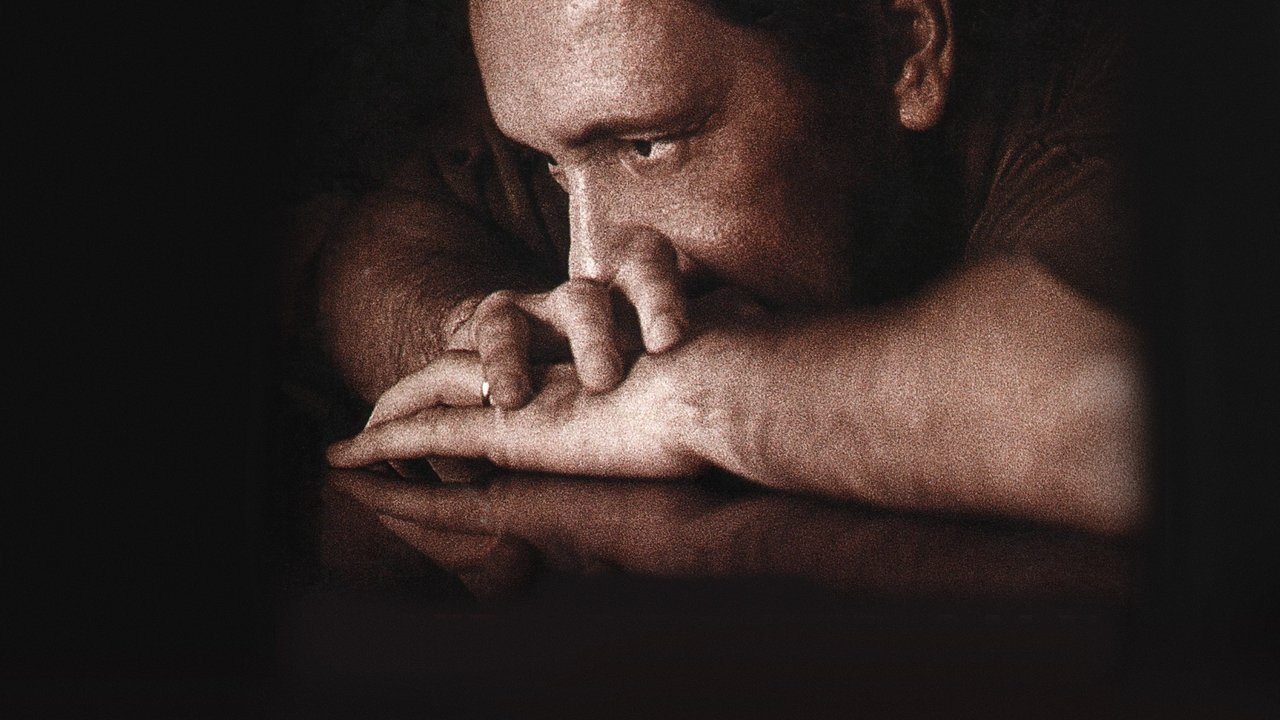
What makes The Life of David Gale so fascinating to revisit is its atmosphere. Alan Parker (the man behind Midnight Express and Mississippi Burning) knew how to film dread. The Texas heat practically radiates off the screen, and the cinematography by Michael Seresin uses harsh, bleach-bypass-style lighting that makes the Huntsville prison feel like a gateway to the underworld. It doesn’t look like the digital, polished thrillers of today; it has a gritty, analog texture that makes the central mystery feel more grounded than the script perhaps deserves.
The film is famously polarizing—Roger Ebert notoriously gave it zero stars, calling it "silly" and "dishonest." I can see where he was coming from. The script by Charles Randolph (who would later win an Oscar for The Big Short) takes some massive leaps in logic to reach its conclusion. But I’d argue that the film’s "silliness" is actually a symptom of its intensity. It’s a movie that takes its central question—can you truly prove the system is broken without becoming a victim of it?—and follows it to the most extreme, borderline-absurd conclusion possible. It refuses to play it safe, and in an era of focus-tested blockbusters, I have a weird respect for a movie that aims for a masterpiece and lands on a fever dream.
The Mystery in the Margins
If you’re a fan of behind-the-scenes trivia, the production of this film is as twisty as the plot. Nicolas Cage was originally slated to play David Gale, and George Clooney was also in the mix before Kevin Spacey took the role. It’s wild to imagine how different the energy would have been with Cage’s manic intensity. Also, keep an ear out for the score—it was composed by Alex Parker and Jake Parker, the director’s sons. They created a haunting, percussive soundtrack that avoids the melodramatic strings you usually find in "message" movies, opting instead for something that sounds like a heart beating too fast in a small room.
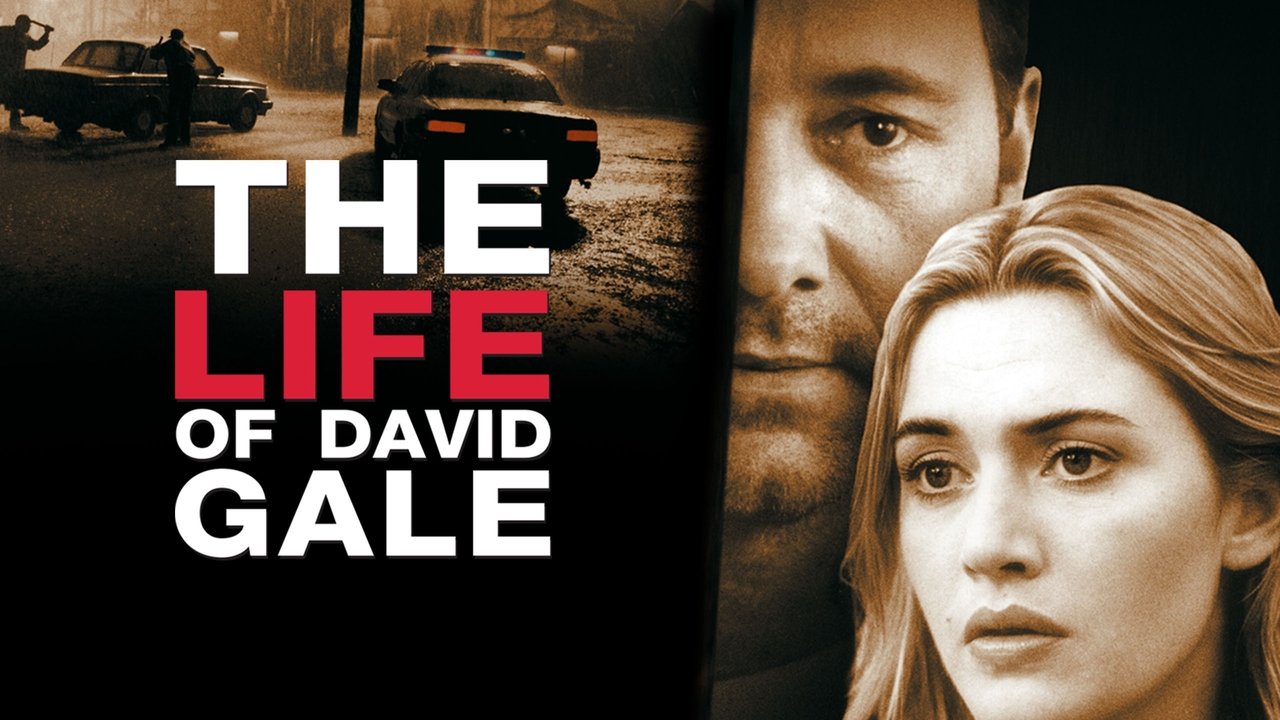
The film also captures a very specific moment in the "Indie Film Renaissance" where major studios like Universal were still willing to gamble $50 million on a dark, philosophical R-rated drama. Today, this would be a four-part limited series on a streaming platform. Seeing it condensed into 130 minutes of high-stakes filmmaking reminds me of how much we’ve lost in terms of pacing and visual scale.
Ultimately, The Life of David Gale is a movie that works best if you let it wash over you as a thriller rather than a political manifesto. It’s a film about the terrifying lengths people will go to for their convictions, and while the ending is a "love it or hate it" moment that has sparked a thousand internet arguments, the performances of Laura Linney and Kate Winslet make the journey worth the price of admission. It’s a dark, imperfect, and intensely watchable relic of early 2000s cinema. Give it a watch, if only to decide for yourself whether the final revelation is a stroke of genius or a bridge too far.
Keep Exploring...
-

The Negotiator
1998
-
John Q
2002
-
21 Grams
2003
-

Lord of War
2005
-
Lucky Number Slevin
2006
-
The Godfather Part III
1990
-

Law Abiding Citizen
2009
-

Falling Down
1993
-
Natural Born Killers
1994
-
Road to Perdition
2002
-
Matchstick Men
2003
-
Shooter
2007
-
The Next Three Days
2010
-
The Lincoln Lawyer
2011
-
End of Watch
2012
-
The Bone Collector
1999
-

The Fast and the Furious: Tokyo Drift
2006
-
Mississippi Burning
1988
-
Arlington Road
1999
-
American Psycho
2000