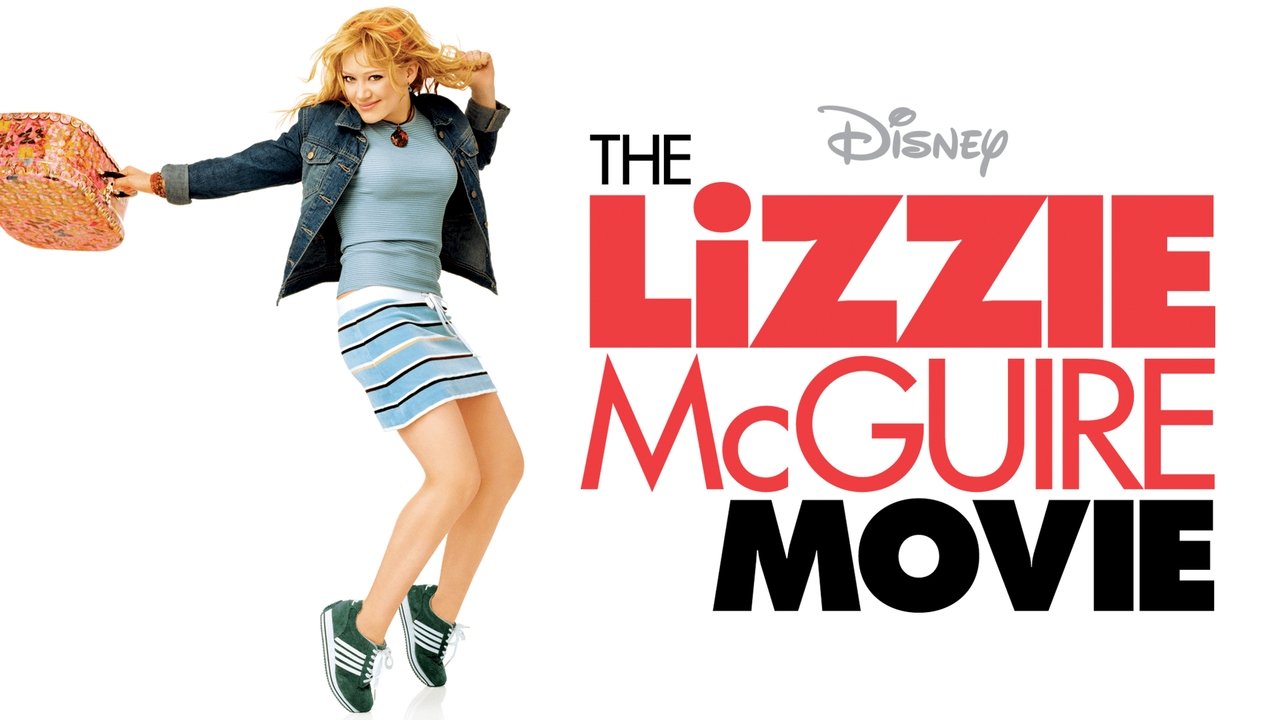
The Lizzie McGuire Movie
"Say goodbye to middle school, and ciao to a superstar."
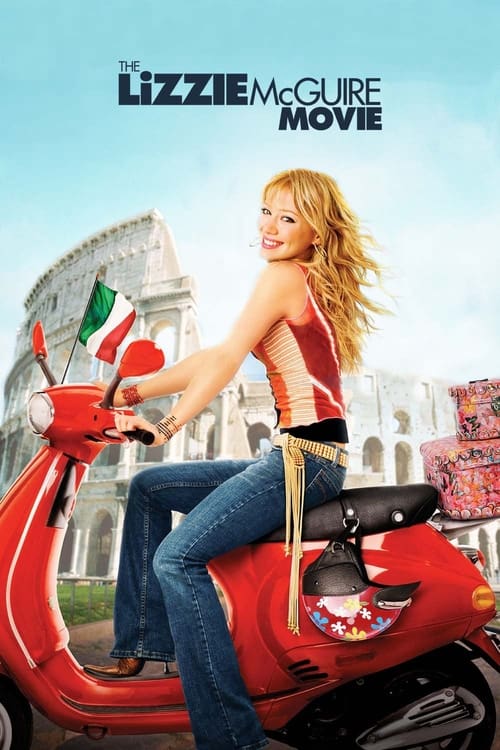
Before the Marvel Cinematic Universe perfected the art of the multi-platform crossover, and long before streaming services turned every mid-tier sitcom into a four-part "event," there was the Disney Channel pipeline. In 2003, we were witnessing a specific kind of industrial alchemy: the transition of the "Tween Queen" from the small screen to the multiplex. The Lizzie McGuire Movie wasn’t just a film; it was a victory lap for a brand that had redefined the early-2000s adolescent experience. It arrived at a time when butterfly clips were a currency, and the idea of a middle-schooler accidentally becoming an international pop star felt less like a fever dream and more like a reasonable career goal.
I recently revisited this during a rainy Sunday afternoon while trying to scrape dried oatmeal off a rug, and I found that it occupies a very specific space in the 1990-2014 era of cinema. It sits right at the intersection of Y2K optimism and the dawn of the digital influencer age, even if "influencer" wasn't a word yet.
Rome, Rags, and Radio-Ready Pop
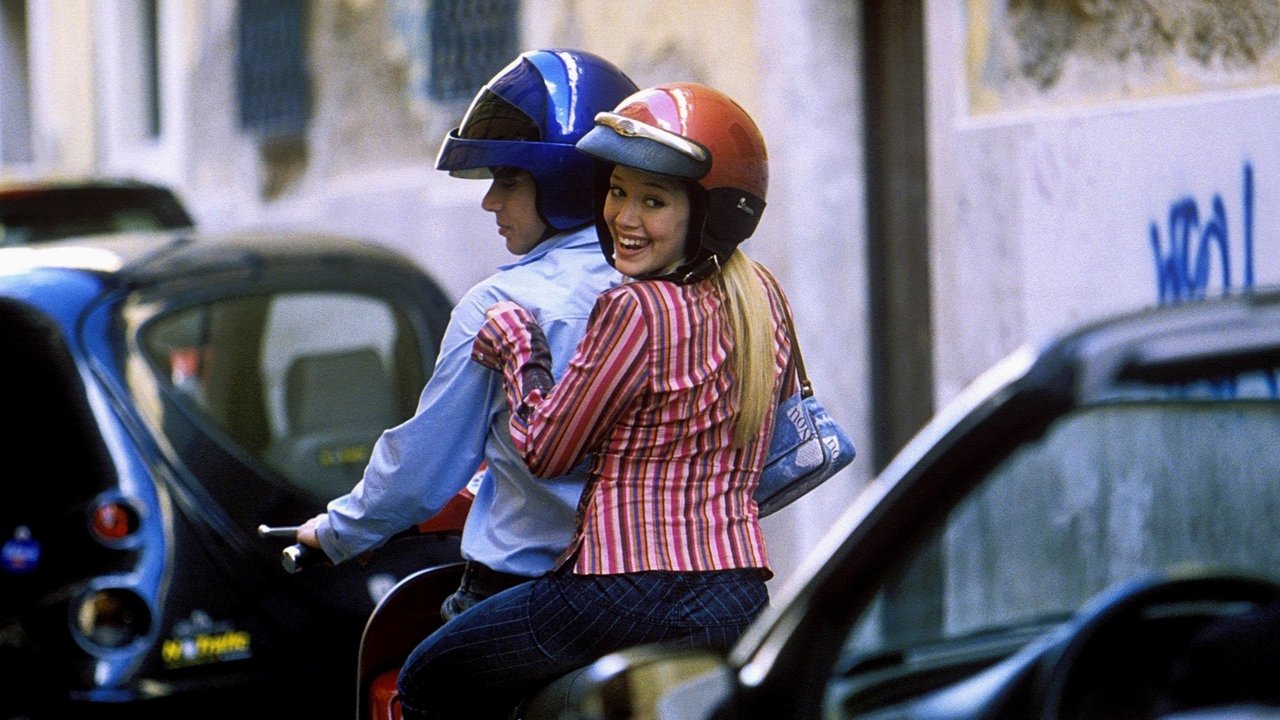
The premise is the stuff of pure wish-fulfillment. Lizzie (Hilary Duff), fresh off a disastrous middle school graduation where she accidentally toppled a stage curtain, heads to Rome for a class trip. Once there, she is mistaken for Isabella, a massive Italian pop star who looks exactly like her. Enter Paolo (Yani Gellman), Isabella’s singing partner and a man whose hair is held together by the sheer force of 2003-era pomade. He convinces Lizzie to stand in for Isabella at a massive awards show, leading to a "Cinderella in a Vespa" narrative that ignores every international kidnapping protocol ever written.
What’s fascinating looking back is how the film treats Rome. This isn't the gritty, cinematic Rome of The Talented Mr. Ripley; it’s a high-saturation, candy-colored playground that feels like it was shot through a permanent "Early Instagram" filter before Instagram existed. The cinematography by Jerzy Zieliński embraces the brightness of the era’s teen comedies, where everything is clean, vibrant, and deeply aspirational. The film essentially treats the Colosseum like a really high-end shopping mall, which, to be fair, is exactly how a fourteen-year-old on vacation would view it.
The Borstein Factor and Comedic Timing
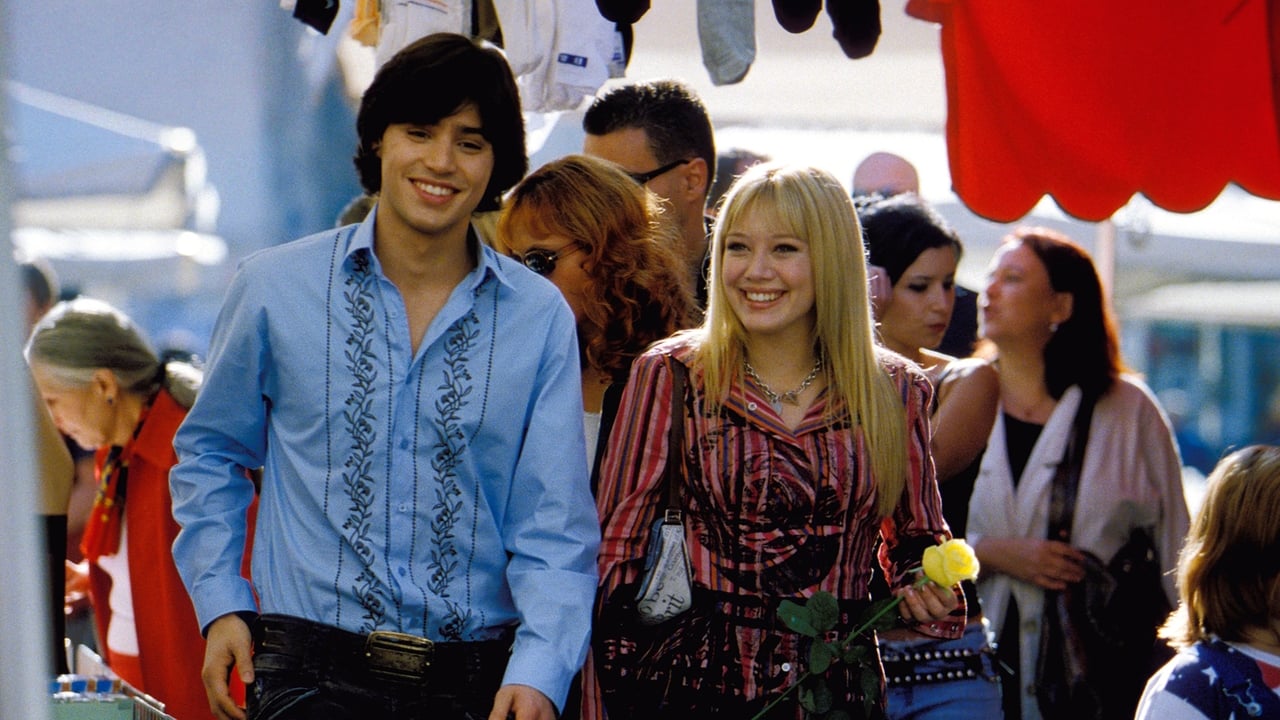
While the movie is clearly a vehicle for Hilary Duff, who handles the dual role of Lizzie and Isabella with a surprising amount of charm and a very questionable Italian accent, the secret weapon is Alex Borstein. As the chaperone Miss Ungermeyer, Borstein is doing a level of character work that belongs in a much more sophisticated farce. She is the comedic engine of the film, delivering lines with a dry, drill-sergeant intensity that keeps the sugary plot from becoming too cloying.
The rhythm of the comedy is very much of its time—lots of physical slapstick and reaction shots from Lizzie’s animated alter-ego. That little cartoon Lizzie is a fascinating relic of the era; she’s an analog precursor to how we now use memes and emojis to communicate internal subtext. When the animated Lizzie screams because she sees a cute boy, it’s a shorthand that was groundbreaking for the Disney Channel "house style" but feels quaintly charming today.
A Time Capsule of the Early Aughts
From a production standpoint, The Lizzie McGuire Movie captures the tail end of the "glossy teen" era. There are no smartphones to ruin the plot—Lizzie can actually get lost in a foreign city without Google Maps, which adds a layer of stakes that modern teen movies have to work hard to circumvent. The fashion, too, is a dizzying array of layered tank tops, cargo pants, and hairstyles that required more gel than a chemistry lab.
Interestingly, the film’s biggest "special effect" is the dual-role photography. While it’s standard stuff now, the scenes where Lizzie and Isabella share the screen were the high-water mark for the target demographic. Of course, the real trivia gem is that Isabella’s singing voice wasn't Hilary Duff at all—it was her sister, Haylie Duff, performing a vocal mimicry that fueled a thousand playground debates about who actually sang "What Dreams Are Made Of."
I’ll be honest: Lizzie's graduation speech is an assault on the very concept of public speaking, and the logic of her being able to learn a complex stage choreography in forty-eight hours is thin at best. But the chemistry between Duff and Adam Lamberg (the quintessential pining best friend, Gordo) is genuinely sweet. Paolo is essentially a junior-league version of a Bond villain, and his eventual downfall involves a live-singing trap that feels like a precursor to the "exposure" culture of the 2020s.
The film is exactly what it needs to be: a bright, tuneful, and harmlessly entertaining capstone to a television phenomenon. It’s a movie that trusts its audience’s desire for a fairy tale, even if that fairy tale involves a fourteen-year-old performing in front of thousands of people at the Trevi Fountain. It’s a piece of pop-culture ephemera that serves as a perfect bridge between the analog 90s and the hyper-connected world that followed. If you can stomach the fashion and the sheer earnestness of the pop soundtrack, it’s a delightful trip back to a time when the biggest problem in the world was a mean girl named Kate Sanders.
Keep Exploring...
-
The Santa Clause 2
2002
-
Jimmy Neutron: Boy Genius
2001
-
Big Fat Liar
2002
-
Holes
2003
-
First Daughter
2004
-
Are We There Yet?
2005
-

Ice Princess
2005
-
Aquamarine
2006
-
TMNT
2007
-
Nim's Island
2008
-

The Santa Clause 3: The Escape Clause
2006
-
102 Dalmatians
2000
-
The Kid
2000
-
The Little Mermaid II: Return to the Sea
2000
-
Osmosis Jones
2001
-
101 Dalmatians II: Patch's London Adventure
2003
-
Looney Tunes: Back in Action
2003
-

Ella Enchanted
2004
-
Kronk's New Groove
2005
-
Lilo & Stitch 2: Stitch Has a Glitch
2005