The Lord of the Rings: The Return of the King
"A sweeping finale that redefined how we dream of magic and monsters."
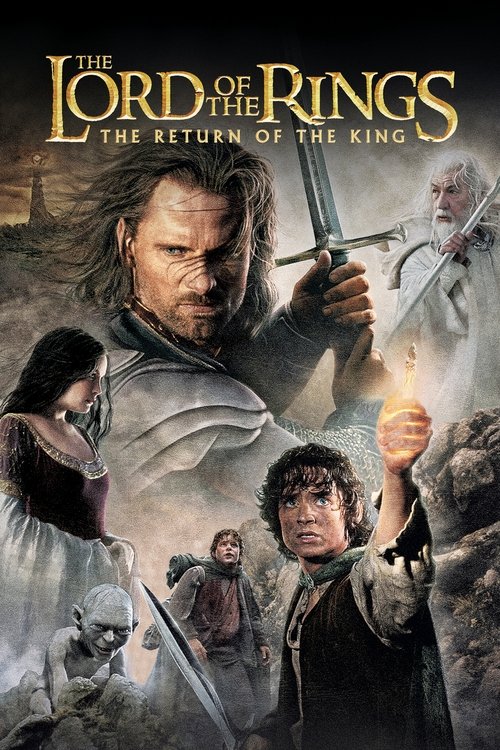
I remember the sheer weight of expectation leading into December 2003. For two years, my friends and I had treated the local multiplex like a cathedral, returning every winter to witness Peter Jackson transform New Zealand into a rugged, mud-caked Middle-earth. By the time The Return of the King arrived, the stakes weren’t just about Frodo reaching Mount Doom; they were about whether a blockbuster of this magnitude could actually stick the landing without collapsing under its own massive scale.
I watched it in a theater where the floor was so sticky it nearly claimed my left sneaker, clutching a lukewarm Diet Coke that I was too terrified to drink because I knew the runtime was over three hours. It didn't matter. From the moment the title card hit, I was gone.
The Climax of the Digital Revolution
Looking back, The Return of the King represents a fascinating hinge point in cinema history. We were right in the thick of the transition from practical wizardry to the digital frontier. While the Star Wars prequels were leaning heavily into "blue-screen fever," Jackson and the team at Weta managed to marry the two worlds. They used massive "Big-atures" (highly detailed physical models) alongside the burgeoning power of the MASSIVE software, which allowed thousands of digital orcs to possess "brains" and fight independently.
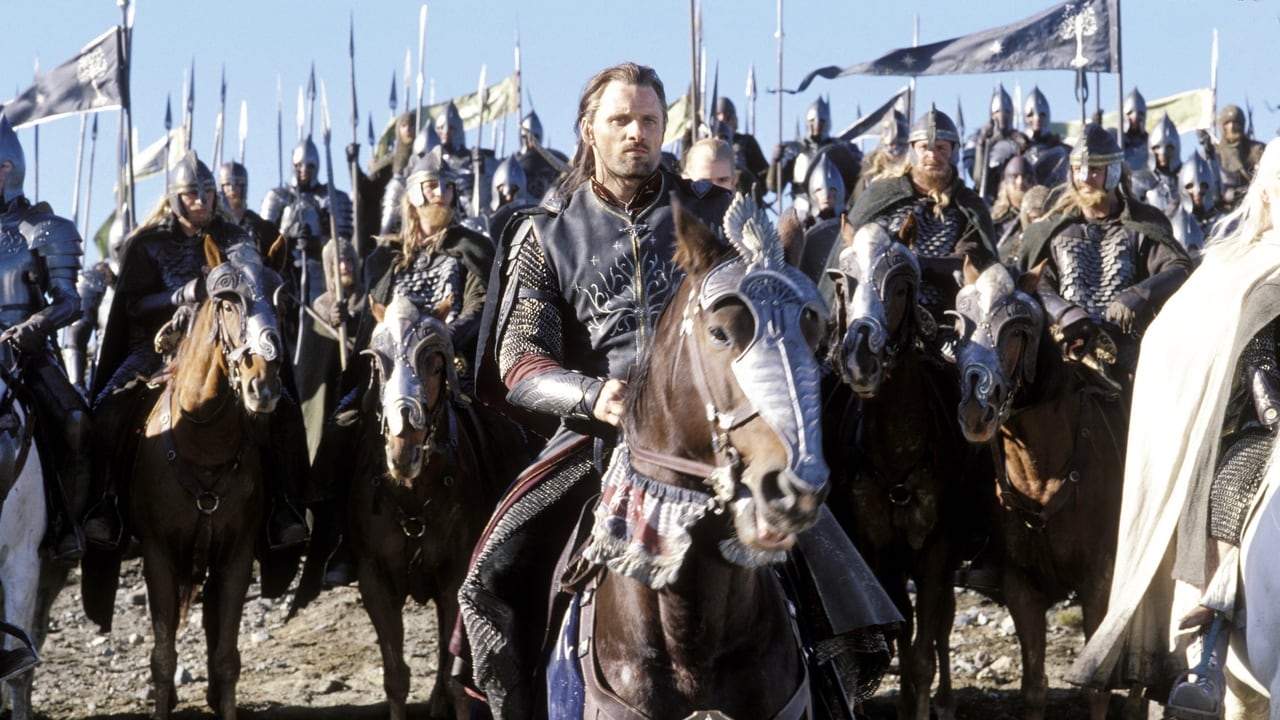
The Battle of the Pelennor Fields remains the gold standard for action choreography on a tectonic scale. It’s not just the sight of the Mumakil (the giant war elephants) crushing everything in their path; it’s the way Andrew Lesnie’s cinematography manages to find the human—or Hobbit—moment amidst the chaos. When the Rohirrim charge, the sunlight hitting the spears feels real because, quite often, the physical grit was there. This film proved that CGI wasn't just a tool for spectacle; it was a way to manifest the impossible.
Characters Worth the Miles
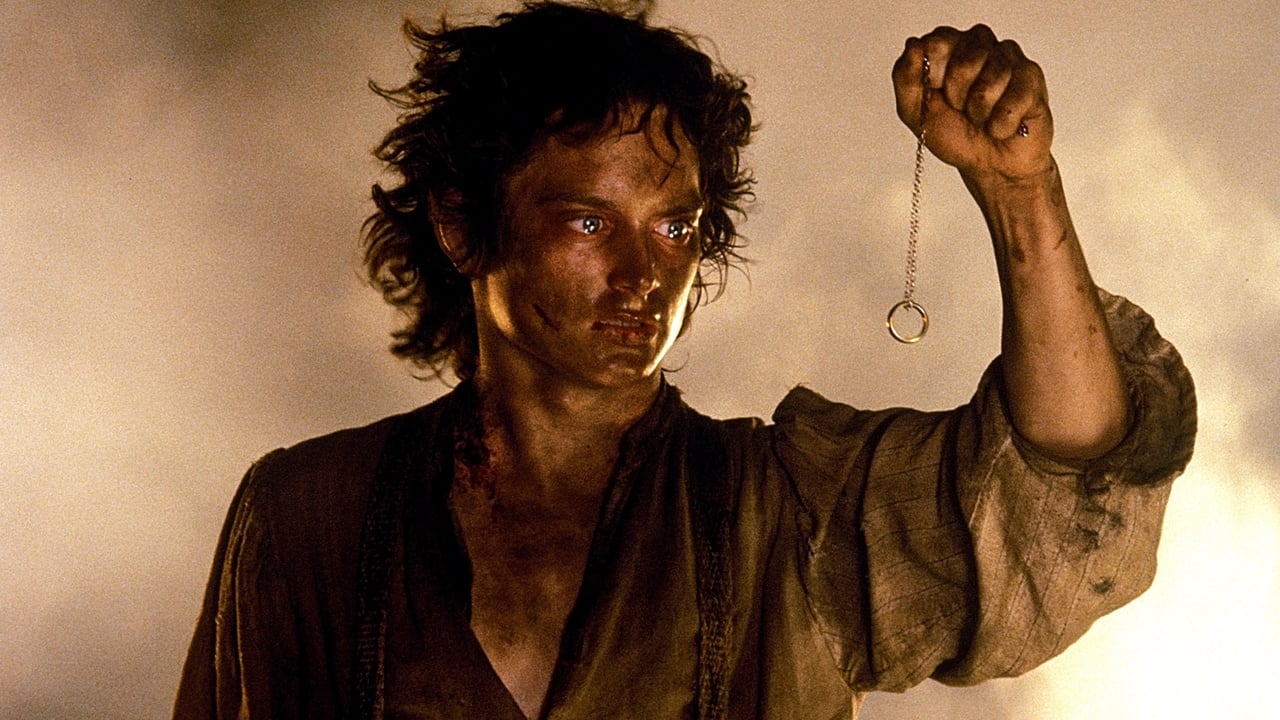
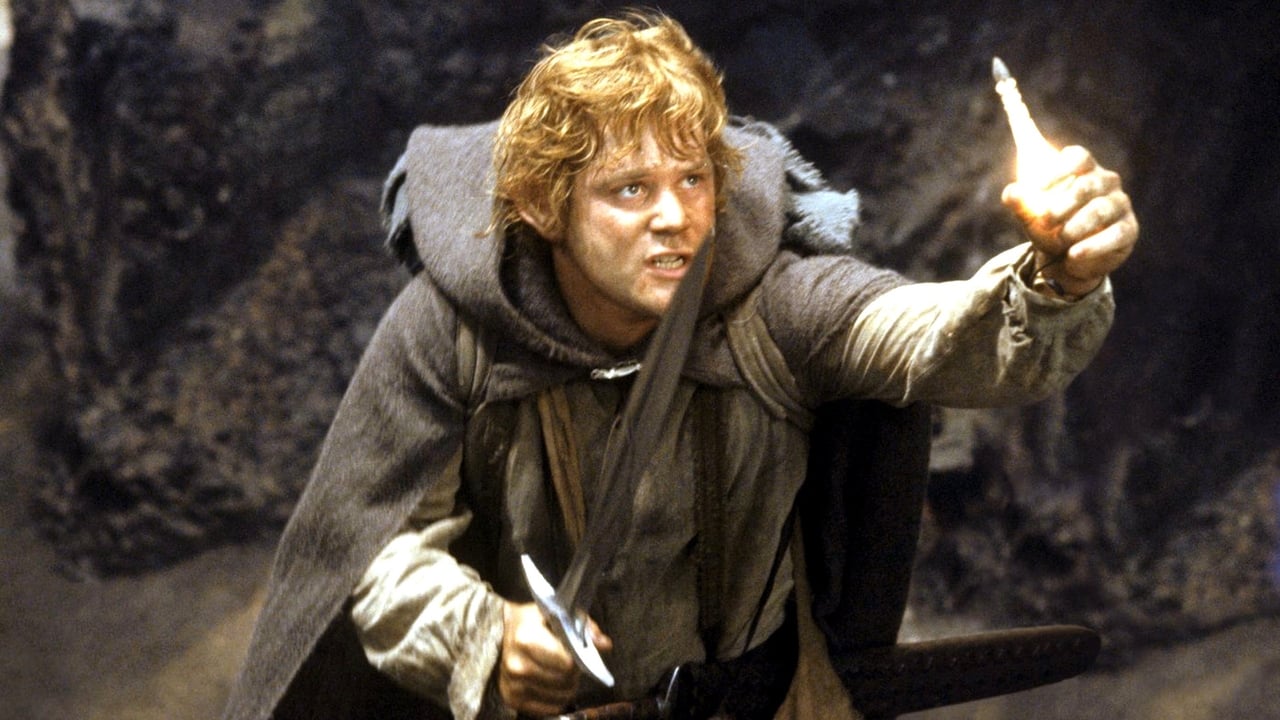
While the action is legendary, the heart of the film is the agonizing, slow-motion car crash that is the relationship between Frodo, Sam, and Gollum. Elijah Wood spends most of this movie looking like he’s aged twenty years, his eyes rimmed with red, carrying the literal weight of a world gone wrong. But the real heavy lifting comes from Sean Astin. His "I can’t carry it for you, but I can carry you!" moment is the emotional peak of the entire trilogy. Every time I see Samwise hoist Frodo onto his shoulders, I’m reminded that these movies succeeded because they weren't afraid of being earnest.
Then there’s Andy Serkis. In 2003, his performance as Gollum was a revelation that sparked a decade-long debate: should a motion-capture performance be eligible for an Oscar? Watching him have a schizophrenic argument with his own reflection remains a masterclass in physical acting. He wasn't just a digital overlay; he was a soul trapped in a pixelated prison.
The Kingdom and the Crown
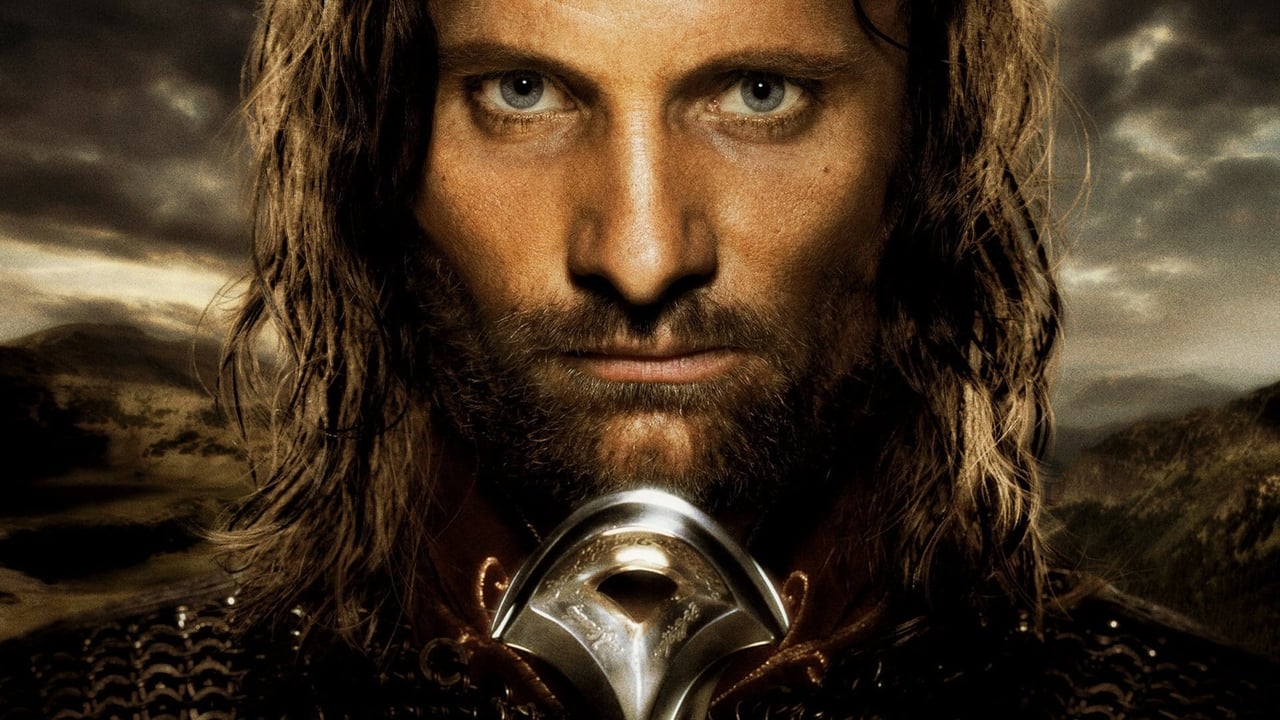
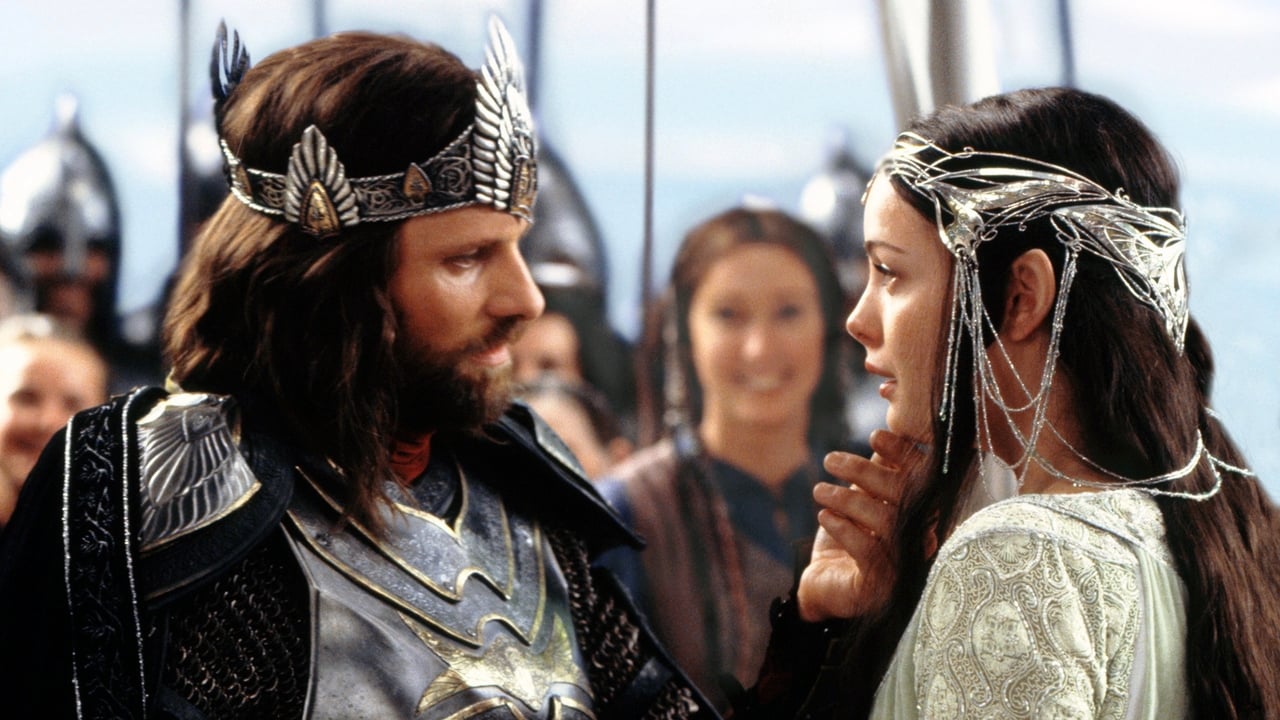
The film also finally gives Viggo Mortensen the space to breathe as Aragorn. His transition from the dusty ranger "Strider" to the King of Men is handled with such quiet dignity that you almost forget he’s leading an army of the dead. Speaking of which, here is my hot take: Aragorn’s ghost army is basically a giant green supernatural Roomba that cleans up the plot too quickly. It’s the one moment where the stakes feel slightly hollowed out by a literal "delete" button for the enemy forces, but the sheer visual panache of the green tide sweeping over the docks almost makes up for it.
Stuff You Might Have Missed
The scale of this production was legitimately insane, even by today’s Marvel-saturated standards. The production used over 48,000 pieces of armor and 10,000 hand-made arrows. Perhaps my favorite bit of trivia is that the "Wilhelm Scream"—that iconic, high-pitched yelp used in hundreds of movies—is hidden all over the battles. Also, if you look closely at the Orcs, many of them are played by New Zealanders who were just massive fans; the production actually ran out of large-sized prosthetic feet during the shoot.
Financially, the film was a juggernaut, pulling in over $1.1 billion and becoming only the second movie in history to hit that mark. It famously went 11-for-11 at the Academy Awards, a "sweep" that felt like the industry finally acknowledging that fantasy could be high art.
The Long Goodbye
People often joke about the "multiple endings"—the way the screen fades to black, then back to gold, then back to white. In retrospect, I appreciate every one of those fades. After nine hours of cinema (or twelve if you’re a devotee of the Extended Editions), a five-minute wrap-up would have felt like an insult. We needed the Grey Havens. We needed to see the Shire one last time.
The Return of the King was the last time a blockbuster felt this tactile and this personal. It was the end of an era where a director could take a massive gamble on a fringe genre and turn it into the biggest thing on the planet. It’s a film about the end of things, the passing of magic, and the endurance of friendship. Even twenty years later, I still find myself reaching for the tissues when Ian McKellen’s Gandalf describes the white shores and the far green country.
The legacy of this trilogy is cemented not just in its box office records, but in the way it made the fantastic feel foundational. It was a massive, collective cultural moment that we haven't quite seen replicated since. Sitting in that sticky theater seat in 2003, I knew I was watching history, even if I was mostly worried about my nachos. Through the eyes of a hobbit, we saw the world saved, and it felt like we’d walked every mile right alongside them.
Keep Exploring...
-
The Lord of the Rings: The Two Towers
2002
-
The Lord of the Rings: The Fellowship of the Ring
2001
-

The Hobbit: The Desolation of Smaug
2013
-
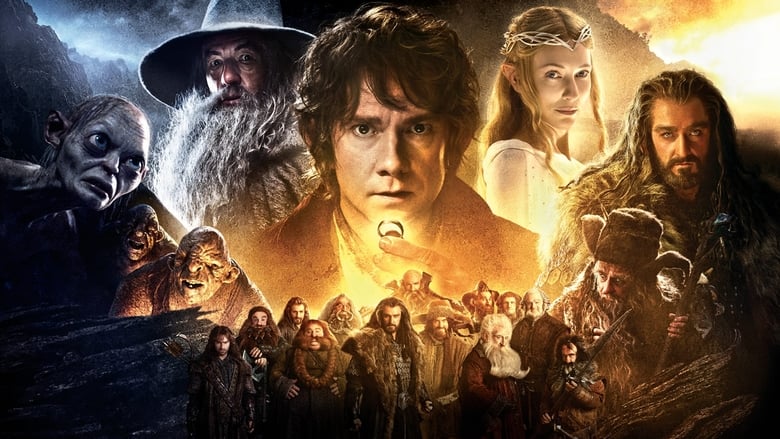
The Hobbit: An Unexpected Journey
2012
-
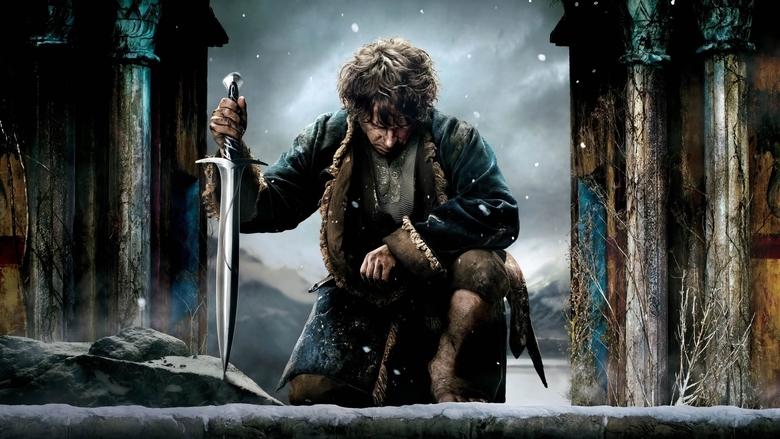
The Hobbit: The Battle of the Five Armies
2014
-

King Kong
2005
-
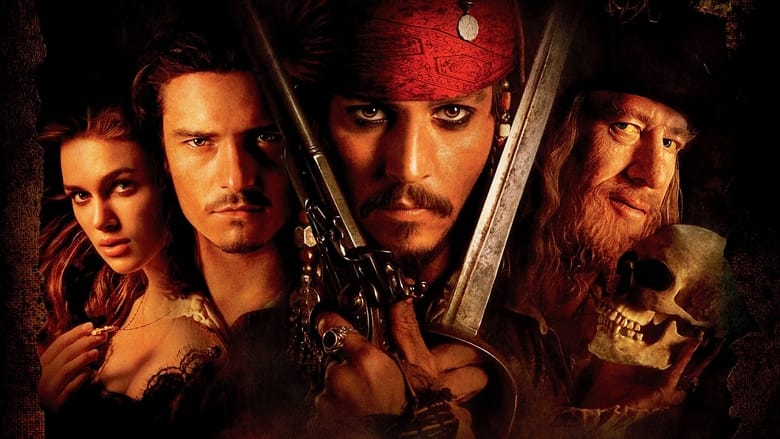
Pirates of the Caribbean: The Curse of the Black Pearl
2003
-
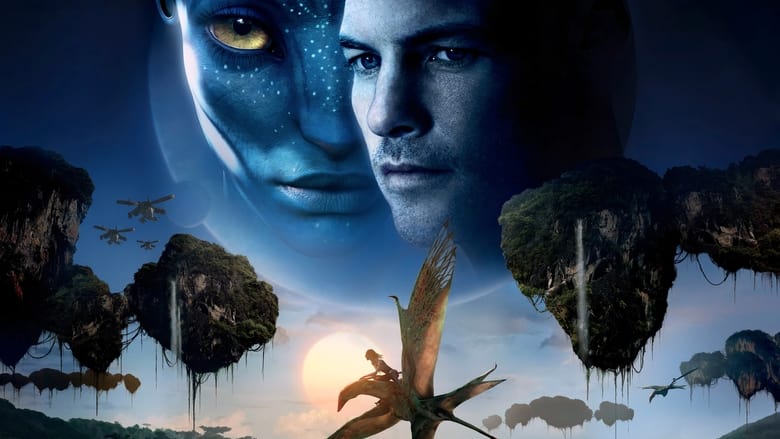
Avatar
2009
-
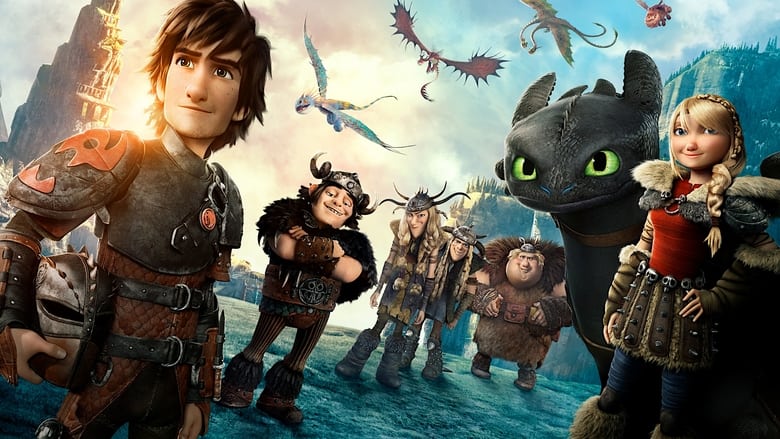
How to Train Your Dragon 2
2014
-
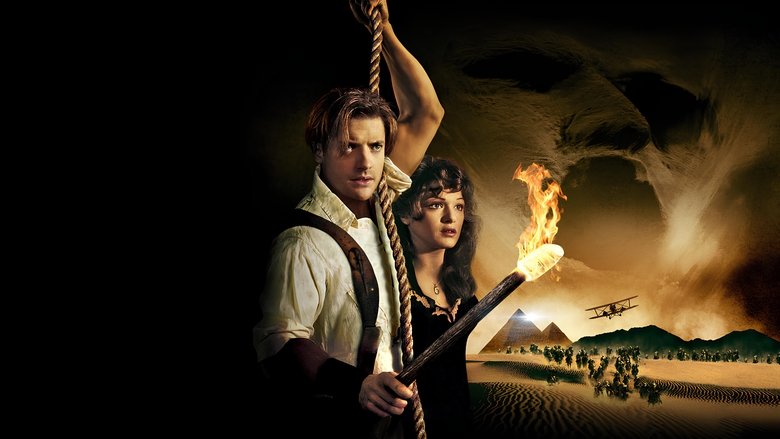
The Mummy
1999
-

Pirates of the Caribbean: Dead Man's Chest
2006
-
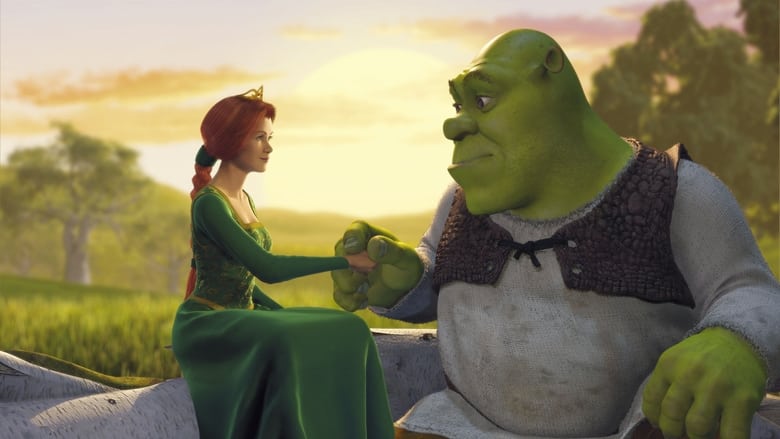
Shrek
2001
-
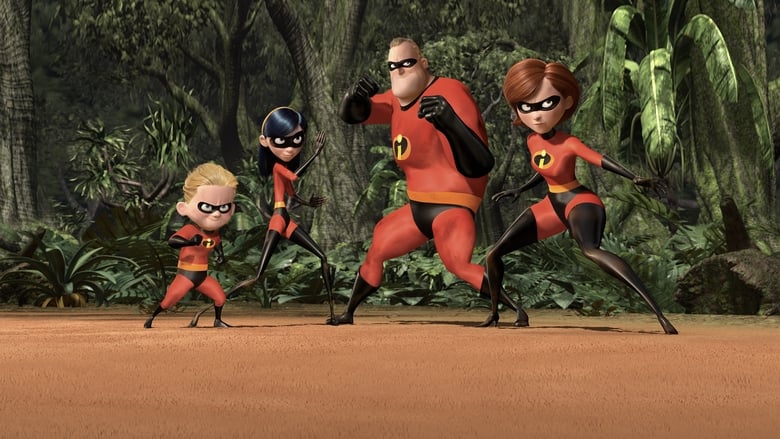
The Incredibles
2004
-

Star Wars: Episode III - Revenge of the Sith
2005
-
Iron Man
2008
-
Harry Potter and the Philosopher's Stone
2001
-
Harry Potter and the Chamber of Secrets
2002
-
Harry Potter and the Prisoner of Azkaban
2004
-
Harry Potter and the Goblet of Fire
2005
-
Casino Royale
2006