The Medallion
"Superpowers, wire-fu, and the death of practical gravity."
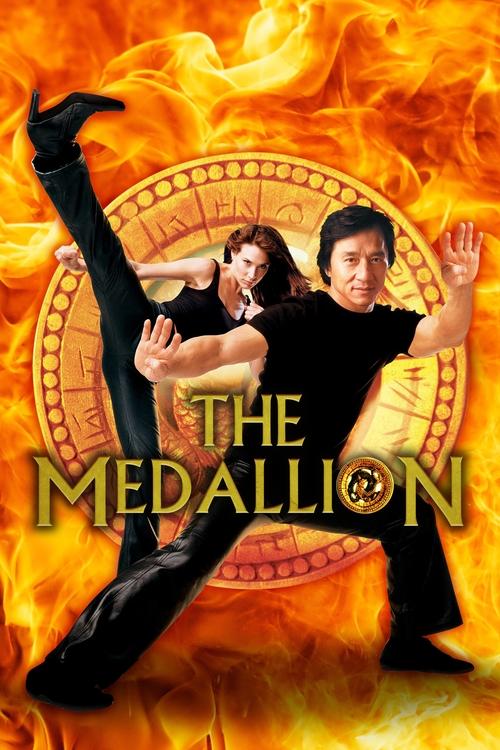
The early 2000s were a confusing time for Jackie Chan fans. We were caught in this strange transitional period where the man who famously jumped off buildings without a harness was suddenly being asked to play in the digital sandbox. I remember watching The Medallion on a grainy DVD I’d borrowed from a neighbor who had accidentally spilled orange soda on the disc case—there’s something about the sticky residue of a 2003 plastic case that perfectly matches the aesthetic of this film. It’s a movie caught between two worlds: the gritty, bone-crunching reality of Hong Kong action and the shiny, over-saturated promise of Hollywood CGI.
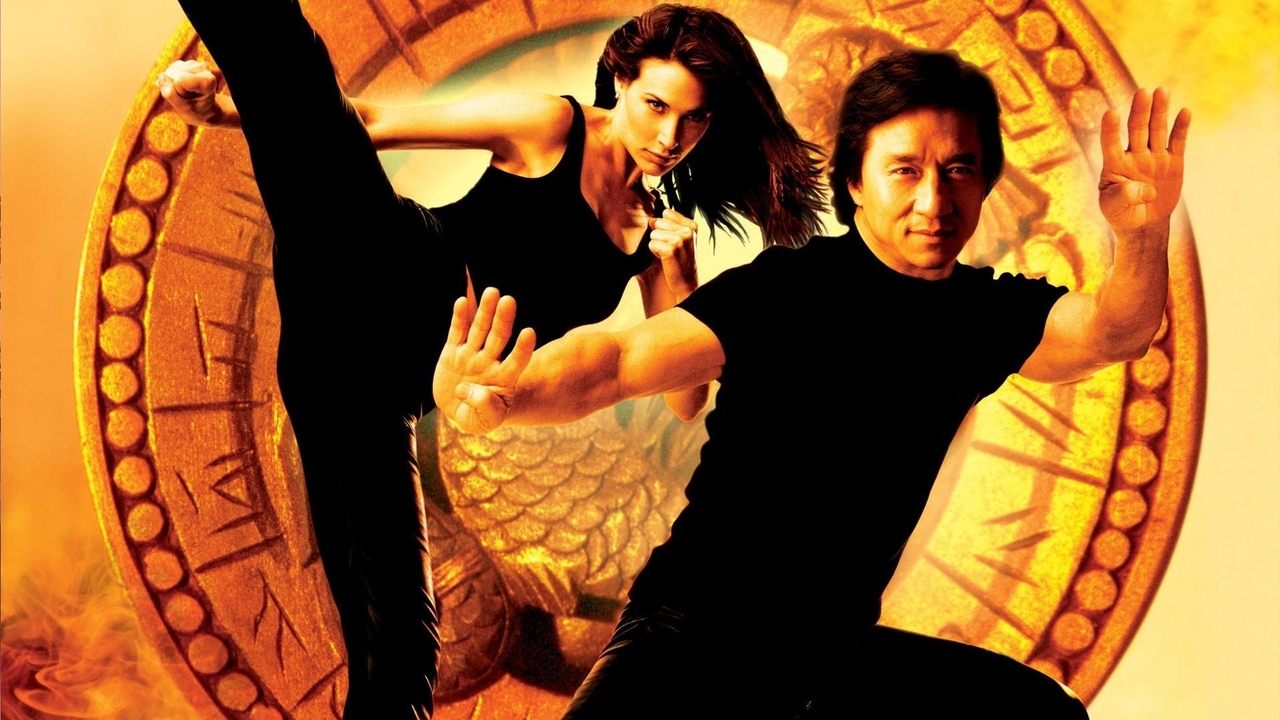
The Great Wire-Fu Experiment
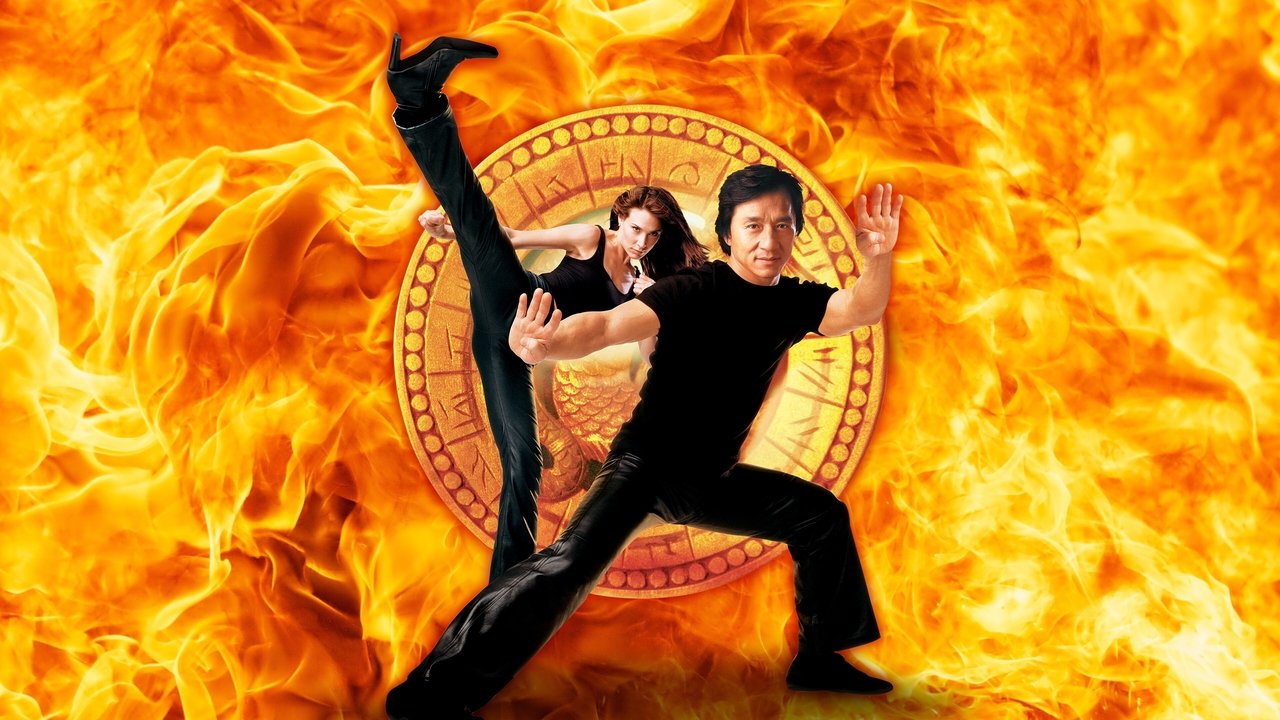
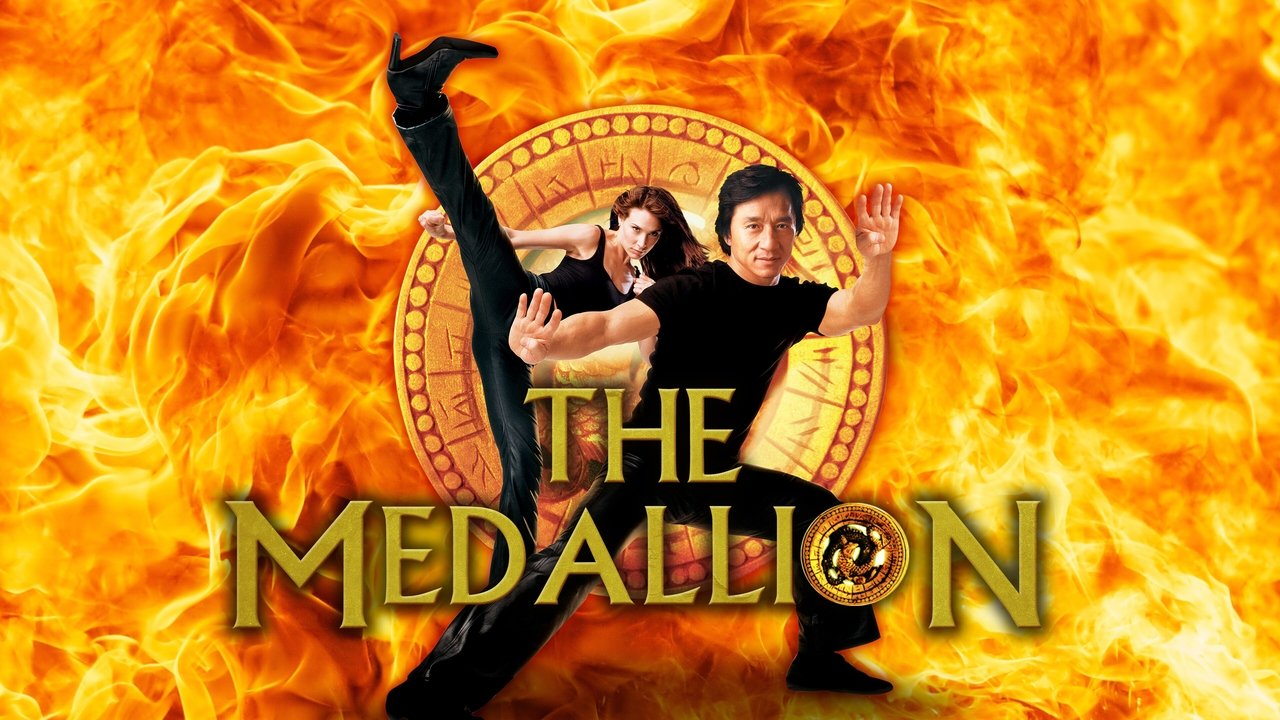
In 2003, the "Matrix Effect" was still in full swing. Every action director on the planet was obsessed with wires, bullet time, and making their protagonists look like they could ignore physics at will. For most actors, this was a godsend. For Jackie Chan, it was a weirdly restrictive cage. In The Medallion, Jackie plays Eddie Yang, a Hong Kong cop who dies while trying to save a mysterious boy from a human trafficker named Snakehead (played with delightful, scenery-chewing villainy by Julian Sands). Thanks to a magical medallion, Eddie is resurrected with immortality and superpowers.
The irony here is palpable. By giving Eddie Yang the ability to fly and move with supernatural speed, the filmmakers effectively neutralized Jackie’s greatest asset: his humanity. We love Jackie because he gets hurt, because he struggles, and because he uses a ladder in ways the manufacturer never intended. When you give him "super-speed" via 2003-era digital effects, it looks like a high-budget PlayStation 2 cutscene. Watching a digital double of Jackie float through the air just doesn't hit the same way as seeing the real man tumble through a market stall.
A Buddy Cop Fever Dream
Despite the digital wonkiness, there is a manic, sugar-rush energy to the film that I find strangely endearing. This is largely due to the comedic pairing of Jackie Chan and Lee Evans. While Chris Tucker brought the fast-talking "motormouth" energy to the Rush Hour series, Lee Evans brings something entirely different—a sort of frantic, rubber-faced slapstick that feels like it belongs in a silent-era short. Evans is essentially a human cartoon on a triple-espresso bender, and your mileage will vary on whether his Arthur Watson is hilarious or exhausting. Personally, I think his frantic energy fills the gaps left by the thin script.
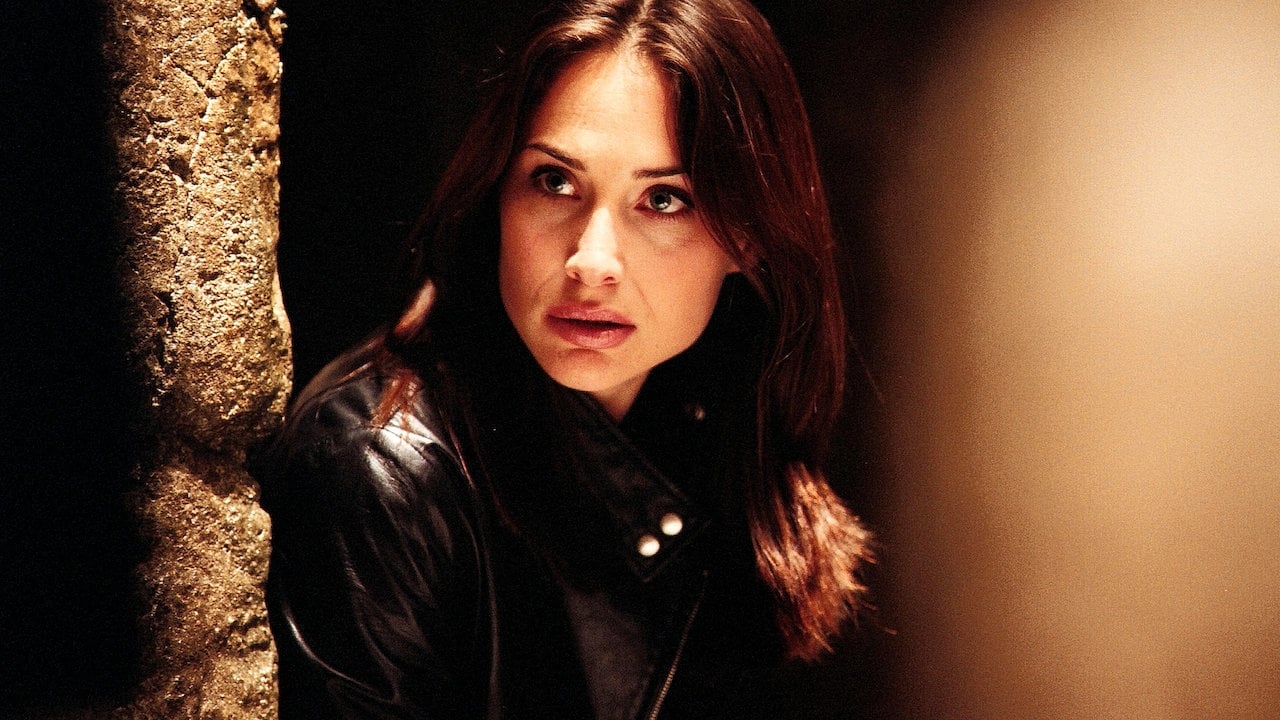
Then there’s Claire Forlani as Nicole James. She’s tasked with being the "serious" operative caught between these two goofballs, and she handles the absurdity with impressive grace. Looking back, the chemistry here is lopsided but fun. The film leans heavily into the "Englishman abroad" tropes, with much of the action shifting from the neon-drenched streets of Hong Kong to the foggy, industrial backdrops of Ireland and the UK. It’s a culture-clash cocktail that doesn't always go down smooth, but it’s certainly never boring.
The Digital Ghost in the Machine
Director Gordon Chan was clearly swinging for the fences here. With a budget of $38 million—huge for a Hong Kong-led production at the time—the ambition was to create a global blockbuster. But the film’s failure at the box office ($34.3 million) signaled a turning point. It was a lesson that the audience didn't necessarily want a "Super-Jackie"; they wanted the "Physical-Jackie."
The special effects are a fascinating time capsule. We’re talking about the era of "glowy bits" and digital trails. When the medallion’s power activates, Eddie Yang becomes a blur of orange light. It represents that awkward adolescence of CGI where filmmakers were so excited they could do something that they forgot to ask if they should. Yet, there’s a charm to the messiness. I’d take the weird, experimental failures of 2003 over the polished, assembly-line perfection of modern superhero movies any day. There’s a scene involving a bicycle chase that perfectly encapsulates this: it’s half-ingenious Jackie choreography and half-clunky digital wire-work. It’s the cinematic equivalent of a deep-fried Mars bar—it’s probably not "good" for you, and the ingredients are questionable, but you’re going to finish it anyway.
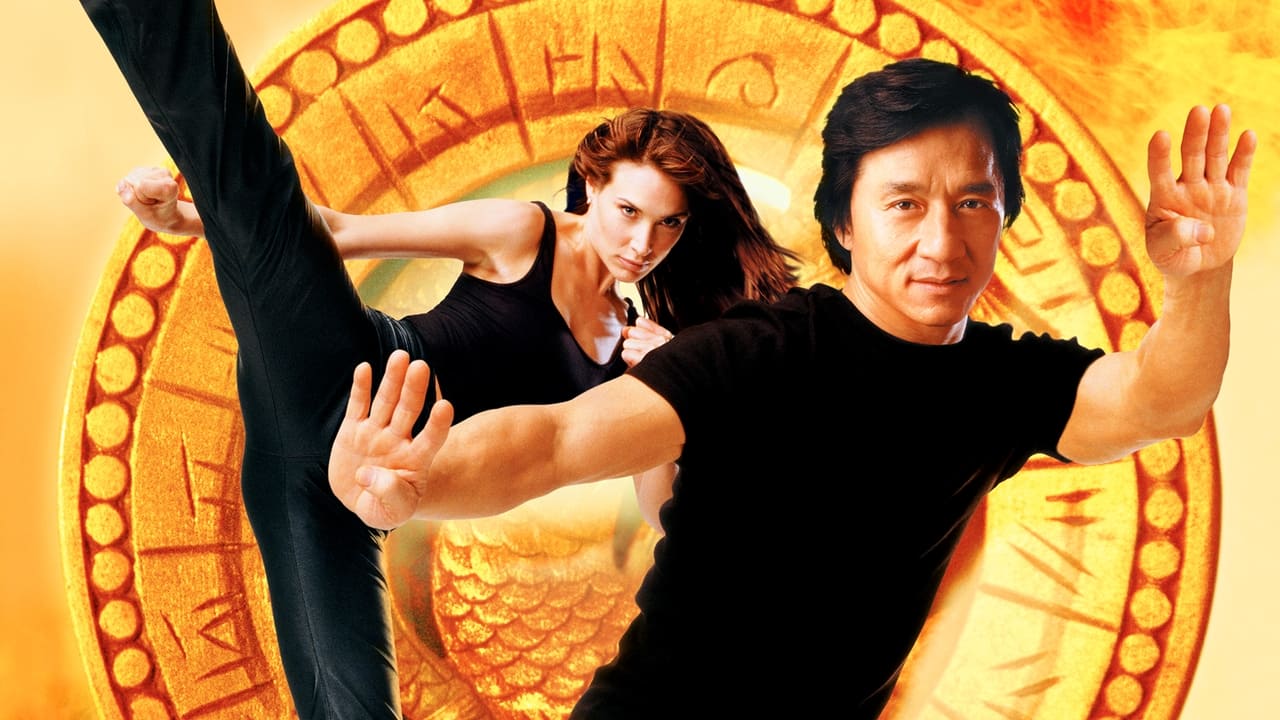
The production was famously troubled, originally titled Highbinders and undergoing significant re-edits that trimmed the runtime down to a lean 88 minutes. You can feel the missing pieces; the plot jumps like a scratched CD, and characters like Anthony Wong Chau-Sang's Lester Wong feel like they wandered in from a different, darker movie. But in the landscape of early 2000s action, The Medallion remains a curious relic. It’s a film that tried to bridge the gap between the legendary stunt-work of the 20th century and the digital dominance of the 21st, and even if it tripped over the finish line, the attempt was spectacular to behold.
If you go into this expecting Police Story, you’re going to be disappointed. But if you approach it as a breezy, slightly nonsensical supernatural comedy that captures a very specific moment in film history, it’s a total blast. It’s a reminder of a time when we weren't quite sure what to do with all this new digital power. It’s clumsy, it’s loud, and it features Lee Evans screaming at the top of his lungs—honestly, what more do you want for a Tuesday night?
Keep Exploring...
-

Mystery Men
1999
-
The Brothers Grimm
2005
-
Lake Placid
1999
-

Eight Legged Freaks
2002
-
Taxi
2004
-
Smokin' Aces
2006
-
Shoot 'Em Up
2007
-
The Tuxedo
2002
-
Rumble in the Bronx
1995
-
Bulletproof Monk
2003
-
Stand Up Guys
2012
-
The Spy Next Door
2010
-
Who Am I?
1998
-
Lethal Weapon 4
1998
-
The Haunted Mansion
2003
-

Night at the Museum
2006
-
Get Smart
2008
-
Taxi 2
2000
-
Kate & Leopold
2001
-
Jackass: The Movie
2002